
Pop/Hip Hop/R&B
10 Best Led Zeppelin Songs of All Time
Jul
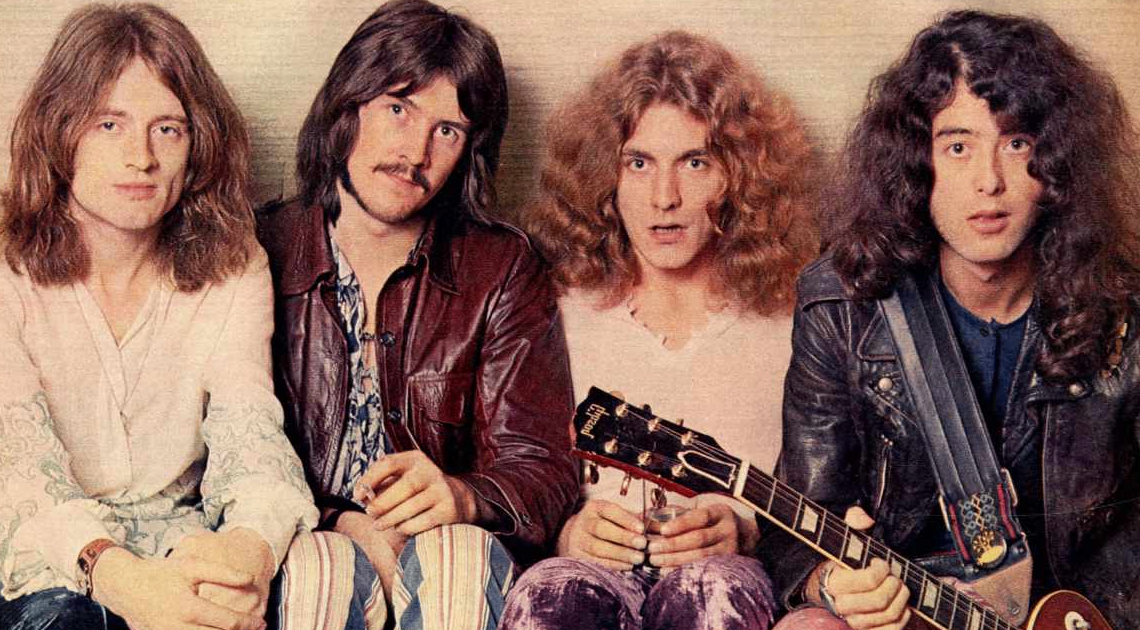
Few bands have left a mark on rock music as powerful and enduring as Led Zeppelin. Blending thunderous hard rock, electrifying blues, folk influences, and progressive experimentation, the legendary quartet created a catalog that continues to inspire musicians and captivate listeners around the world. Robert Plant’s soaring vocals, Jimmy Page’s groundbreaking guitar work, John Paul Jones’ versatile musicianship, and John Bonham’s monumental drumming combined to produce songs filled with unmatched energy, emotion, and technical brilliance. From explosive arena anthems and epic guitar driven masterpieces to haunting acoustic ballads and timeless classics, Led Zeppelin consistently pushed the boundaries of rock music. These unforgettable songs showcase the extraordinary creativity and lasting influence of one of the greatest bands in music history.
1. Stairway To Heaven
Stairway To Heaven stands as Led Zeppelin’s most mythic recording, a song that moves from hushed folk mystery into one of the most powerful climaxes in rock history. Jimmy Page begins with delicate acoustic guitar lines that feel almost medieval in their elegance, while Robert Plant enters with a vocal full of wonder, restraint, and poetic ambiguity. The song does not rush toward grandeur. It slowly gathers light, shadow, and intensity, building a world where spiritual longing, temptation, and transformation seem to exist inside every line.
What makes Stairway To Heaven so extraordinary is its architecture. John Paul Jones adds color and depth through recorder and keyboard textures, while John Bonham waits with remarkable patience before his drums arrive and shift the song into a new dimension. Page’s legendary guitar solo is not merely a display of speed. It feels like the emotional unlocking of the entire piece, rising with tension before the final hard rock explosion. Plant’s voice grows more urgent as the arrangement expands, turning the song into a journey from quiet reflection to ecstatic release. Stairway To Heaven remains beloved because it captures Led Zeppelin’s full range: folk beauty, lyrical mystery, progressive ambition, blues rooted feeling, and thunderous rock power.
2. Whole Lotta Love
Whole Lotta Love is one of Led Zeppelin’s most explosive statements, a song that announced the band’s command of heavy blues rock with swagger, danger, and unstoppable force. The central riff is among Jimmy Page’s most famous, a grinding, muscular figure that feels instantly physical. Robert Plant answers it with a vocal full of sensual heat, shrieks, and blues phrasing pushed into a wilder rock future. From the first seconds, the track sounds enormous, as if the band had discovered a new level of volume, desire, and studio imagination.
The recording’s middle section remains one of its most daring elements. Page, producer Eddie Kramer, and the band create a swirling soundscape of echoes, moans, percussion, and guitar noise that turns the song into a psychedelic fever dream before the riff crashes back in. John Bonham’s drumming is massive but precise, giving the song its primal stomp, while John Paul Jones keeps the groove anchored with steady bass power. Whole Lotta Love became a defining rock anthem because it combines raw blues inheritance with futuristic production and overwhelming sexual energy. Led Zeppelin sound fearless here, reshaping the language of hard rock through sound, attitude, and sheer presence.
3. Kashmir
Kashmir is one of Led Zeppelin’s grandest and most cinematic achievements, a song that expands rock music into something vast, ritualistic, and almost elemental. Built around Jimmy Page’s monumental guitar figure and John Bonham’s thunderous, deliberate drumming, the track moves with the weight of an ancient procession. Robert Plant sings with dramatic authority, drawing on images of desert travel, dreamlike landscapes, and spiritual distance. His vocal does not simply sit on top of the music. It becomes part of the song’s sweeping sense of motion and mystery.
The brilliance of Kashmir lies in its scale. John Paul Jones’ orchestral arrangement adds grandeur without softening the band’s power, creating a sound that feels both Eastern inspired and unmistakably Zeppelin. The rhythm has an unusual suspended quality, giving the track a hypnotic pull that separates it from standard hard rock. It does not explode in the usual way. Instead, it keeps unfolding, layer by layer, with majestic confidence. Plant later regarded it as one of the band’s definitive works, and it is easy to understand why. Kashmir captures Led Zeppelin at their most visionary, turning riff, rhythm, voice, and orchestration into a towering musical landscape filled with awe, force, and adventure.
4. Black Dog
Black Dog is one of Led Zeppelin’s most thrilling rock workouts, a song built on call and response tension, jagged rhythm, and pure band muscle. Robert Plant opens with an unaccompanied vocal line full of lusty blues swagger, then the band answers with one of Jimmy Page’s most twisting and memorable riffs. That stop and start structure gives the song its distinctive bite, making it feel unpredictable, teasing, and explosive. It is hard rock with the soul of a blues shout and the brain of a progressive puzzle.
John Paul Jones helped craft the complex riff pattern, and his bass work gives the song much of its rhythmic intelligence. John Bonham’s drumming is powerful, but what really impresses is the way he navigates the shifting accents with absolute authority. Page layers guitars into a thick, snarling wall of sound, while Plant pushes his voice to ecstatic peaks. Black Dog is not simply a riff song, though the riff is unforgettable. It is a performance of tension and release, with each vocal break setting up another blast of instrumental force. The track remains a classic because it captures Led Zeppelin’s ability to make difficulty sound instinctive. It grooves, struts, and roars with complete confidence.
5. Immigrant Song
Immigrant Song is one of Led Zeppelin’s fiercest and most compact anthems, a Viking charged blast of hard rock that captures the band’s power in its most direct form. Robert Plant’s opening cry is legendary, a piercing vocal signal that instantly sets the song in motion. The rhythm gallops forward with relentless drive, powered by John Bonham’s pounding drums and John Paul Jones’ locked in bass. Jimmy Page’s guitar riff is simple, sharp, and devastatingly effective, giving the track a sense of unstoppable attack.
The lyrics draw on Norse imagery, icy landscapes, conquest, and mythic travel, but the song’s true force comes from its physical energy. Unlike some of Led Zeppelin’s longer epics, Immigrant Song wastes no time. It arrives, strikes, and leaves a mark. Plant’s vocal performance is both theatrical and primal, turning historical fantasy into rock and roll electricity. The song became one of the band’s most recognizable tracks because it condenses their heaviness, imagination, and stage power into a brief, unforgettable form. Immigrant Song remains a favorite because it feels like a battle chant, a road song, and a heavy rock manifesto all at once. Few recordings make momentum sound this fierce.
6. Rock And Roll
Rock And Roll is Led Zeppelin’s roaring tribute to the music that fueled them, a joyous, high voltage blast that celebrates the roots of rock while making them sound massive. John Bonham opens the song with one of his most famous drum introductions, launching the band into a frantic groove inspired by early rock and rhythm and blues. Jimmy Page’s guitar pounds with raw excitement, John Paul Jones drives the track with rock solid support, and Robert Plant delivers a vocal full of nostalgia, heat, and wild abandon.
The song works because it is both simple and ferocious. Led Zeppelin were capable of long, intricate compositions, but Rock And Roll shows their ability to strip things down and still sound larger than life. Plant’s lyrics look back to youthful nights of dancing and desire, giving the track the feeling of a band reconnecting with the first spark that made music irresistible. Page’s solo tears through the arrangement with bright, reckless joy, while Bonham keeps the whole performance swinging with astonishing force. Rock And Roll remains one of Led Zeppelin’s most beloved concert staples because it captures the pure thrill of amplified music. It is loud, fast, celebratory, and absolutely alive.
7. Ramble On
Ramble On is one of Led Zeppelin’s most beautiful blends of acoustic warmth, electric power, and lyrical fantasy. The song begins with a gentle, rolling groove, as Jimmy Page’s acoustic guitar and John Paul Jones’ bass create a sense of travel and open space. Robert Plant sings with a lighter touch at first, giving the verses a reflective and wandering quality. The melody feels relaxed, but there is a quiet anticipation in the arrangement, as if the road ahead contains both romance and danger.
When the chorus arrives, the band expands into a fuller rock sound, with Plant’s voice lifting into one of his most memorable melodic hooks. The lyrics famously weave romantic longing with references to fantasy literature, creating a world where personal journey and mythic adventure overlap. John Bonham’s percussion is especially subtle in the verses, proving that his genius was not only about power, but also feel and restraint. Ramble On remains a fan favorite because it captures a central Led Zeppelin magic: the ability to make folk influenced storytelling and heavy rock energy feel naturally connected. It is graceful, mysterious, melodic, and deeply atmospheric, a song that sounds like movement through both landscape and memory.
8. Since I’ve Been Loving You
Since I’ve Been Loving You is one of Led Zeppelin’s greatest blues performances, a slow burning masterpiece of heartbreak, tension, and instrumental fire. Robert Plant delivers one of his most emotionally intense vocals, singing like a man caught between exhaustion and desperation. His voice cracks, rises, pleads, and burns, making every line feel torn from lived experience. Jimmy Page answers with guitar work that is equally expressive, full of stinging bends, aching sustain, and dramatic phrasing that never feels merely decorative.
The band’s performance is astonishing because it balances looseness and control. John Paul Jones’ organ adds a smoky, late night atmosphere, while John Bonham’s drumming gives the track weight and dynamic power. He does not simply keep time. He comments on the emotion, dropping heavy accents and explosive fills at exactly the right moments. Since I’ve Been Loving You shows Led Zeppelin’s deep connection to blues tradition, but it also reveals their ability to stretch that tradition into something grander and more theatrical. The song is not polished sadness. It is agony in motion, captured with raw elegance. For listeners who admire Plant as a soul drenched rock vocalist and Page as a master blues guitarist, this recording remains essential.
9. Good Times Bad Times
Good Times Bad Times is the perfect opening statement for Led Zeppelin’s recording career, a compact but ferocious track that immediately revealed the band’s power, precision, and originality. From the first crashing chords, the song announces a new kind of rock force. Jimmy Page’s guitar sounds sharp and confident, John Paul Jones’ bass adds melodic weight, and Robert Plant’s voice cuts through with youthful fire. Yet it is John Bonham’s drumming that truly shocks the listener. His bass drum patterns and explosive accents sound far beyond ordinary rock drumming of the time.
The song combines blues rooted feeling with a modern hard rock attack, showing how quickly Led Zeppelin developed their own identity. Plant sings about romantic disappointment and emotional experience with swagger rather than defeat, giving the track a bright, resilient energy. Page’s guitar solo is brief but vivid, adding a flash of virtuosity without disrupting the song’s tight structure. Good Times Bad Times remains popular because it contains so much of the band’s future in miniature: heavy riffs, rhythmic daring, commanding vocals, and fearless musicianship. It is not as sprawling as their later epics, but its impact is enormous. As a debut album opener, it remains one of rock’s great introductions.
10. Dazed And Confused
Dazed And Confused is one of Led Zeppelin’s darkest and most hypnotic early recordings, a song that helped define the band’s ability to turn blues material into heavy, psychedelic drama. The track moves with a slow, menacing pulse, anchored by John Paul Jones’ descending bass line and John Bonham’s ominous drumming. Jimmy Page fills the atmosphere with guitar tones that feel eerie, sharp, and unpredictable, while Robert Plant sings with a mixture of desire, confusion, and wounded intensity.
What makes Dazed And Confused so important is its sense of expansion. The studio version already feels heavy and mysterious, but the song became a legendary vehicle for live improvisation, especially through Page’s bowed guitar passages and the band’s explosive dynamic shifts. It shows Led Zeppelin as masters of tension. They knew when to pull back into silence, when to let a riff crawl, and when to unleash overwhelming force. Plant’s vocal performance adds theatrical danger, turning the lyric into a blues nightmare rather than a simple complaint. Dazed And Confused remains one of the band’s essential tracks because it captures their early sound at its most shadowy and adventurous. It is heavy rock as ritual, full of smoke, menace, and electric imagination.

Edward Tomlin is a frequent contributor to Singers Room. Since 2005, Singersroom has been the voice of R&B around the world. Connect with us via social media below.
Source link
