
Pop/Hip Hop/R&B
10 Best Mick Jagger Songs of All Time
Jun
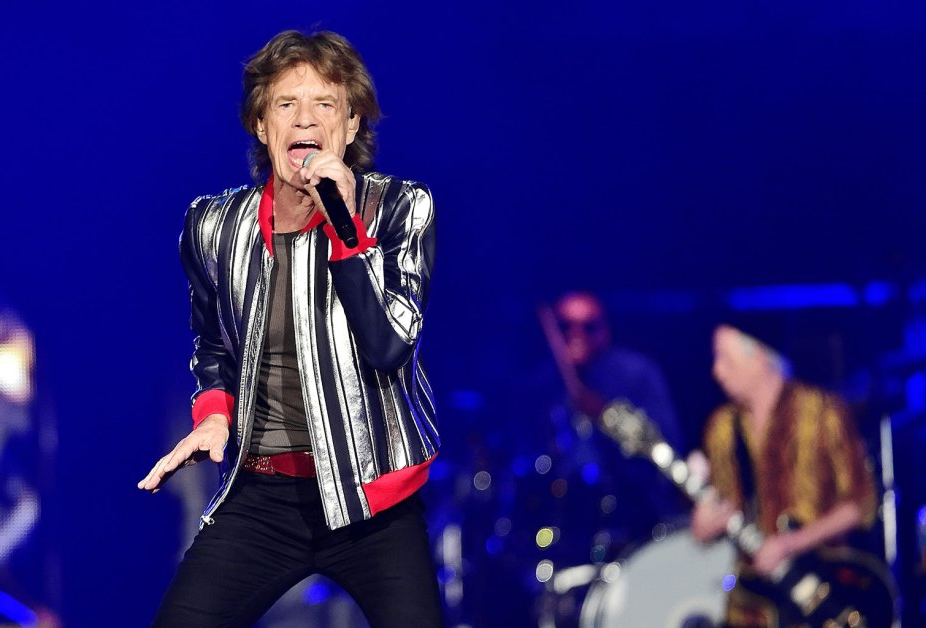
Few frontmen in rock history have commanded a stage with the charisma, energy, and unmistakable swagger of Mick Jagger. Best known as the legendary voice of The Rolling Stones, Jagger also built a fascinating solo catalog that allowed him to explore musical directions beyond the band’s classic sound. Drawing from rock, blues, pop, soul, dance music, and contemporary influences, his solo work showcases a different side of his artistry while retaining the confidence and personality that made him a global icon. Whether delivering infectious rock anthems, emotionally charged ballads, or adventurous genre blending tracks, Jagger consistently demonstrates his gift for memorable melodies and captivating performances. His distinctive voice and larger than life presence remain at the center of every recording, creating songs that feel both personal and unmistakably his own. These standout tracks highlight the creativity, versatility, and enduring appeal that have defined Mick Jagger’s remarkable musical journey.
1. Just Another Night
Just Another Night is one of Mick Jagger’s most recognizable solo songs, a confident 1980s rock single that allowed him to step outside The Rolling Stones while still carrying the swagger that made him famous. The song is powered by a bright, muscular groove, glossy production, and a vocal performance that sounds restless, stylish, and unmistakably Jagger. His delivery gives the track its personality. He sings with urgency and theatrical bite, turning the lyric into a scene of late night temptation, romantic tension, and emotional uncertainty. What makes Just Another Night so important in Jagger’s solo catalog is that it presents him not as a heritage rock figure, but as an artist engaging with the sound of his moment. The keyboards, punchy drums, and sharp guitar textures place the song firmly in the mid 1980s, yet Jagger’s voice keeps it connected to the bluesy rock attitude that shaped his career. The track became a solo signature because it had enough pop polish for radio while still preserving his lean, streetwise energy. It remains a fascinating document of Jagger testing independence, style, and star power beyond the Rolling Stones machine.
2. Dancing In The Street
Dancing In The Street by David Bowie and Mick Jagger became one of the most famous celebrity collaborations of the 1980s, turning a Motown classic into a loud, colorful charity era pop rock event. The song was already beloved through Martha and the Vandellas, but Bowie and Jagger approached it with a sense of exuberant performance rather than reverent restraint. Jagger’s presence is essential to the recording’s appeal. He brings physicality, vocal attack, and his familiar rock and roll flamboyance, while Bowie adds theatrical polish and sly charisma. Together, they create a version that is less about subtle groove and more about spectacle, friendship, and high profile musical energy. The arrangement is bright, brash, and very much of its decade, with big drums, bold vocals, and a celebratory atmosphere. Dancing In The Street remains memorable because it captures a cultural moment as much as a song. It is playful, oversized, and impossible to separate from its video, where two legendary frontmen turn pop camaraderie into pure visual theater. For Jagger, it stands as one of his most widely recognized recordings outside The Rolling Stones, proving how easily his energy could dominate even the most star packed musical setting.
3. State Of Shock
State Of Shock pairs Mick Jagger with the Jacksons on a fiery pop rock track that thrives on contrast, rhythm, and star chemistry. The song is built around a driving groove and an energetic vocal exchange, with Michael Jackson’s sharp pop precision meeting Jagger’s raspy rock swagger. That combination gives the recording much of its excitement. Jagger does not soften his personality to fit the Jacksons’ world. Instead, he brings a rougher edge that pushes the song toward guitar charged urgency. The result is a record that feels like a collision of two massive musical universes: the polished dance pop brilliance of the Jackson family and the raw, blues touched attitude of one of rock’s most famous frontmen. State Of Shock works because it sounds restless and physical. The lyric is built around romantic and emotional intensity, but the true drama comes from the performance itself. Jagger’s vocal cuts through with sharp enthusiasm, adding tension and grit to the track’s slick production. As a solo adjacent Jagger moment, it remains important because it shows his ability to step into a pop setting and still sound unmistakably himself. The song is bold, energetic, and packed with celebrity era electricity.
4. Sweet Thing
Sweet Thing is one of Mick Jagger’s most successful and sophisticated solo singles, a sleek groove based track that reveals his ability to move beyond straight rock into funk, dance, and modern R&B textures. Released during the Wandering Spirit period, the song feels more assured and organic than some of his earlier solo experiments. Jagger sounds relaxed but completely in command, using his voice as a rhythmic instrument as much as a melodic one. The groove is the center of the recording, moving with a sensual pulse that gives the track its seductive character. Unlike the big rock gestures often associated with his public image, Sweet Thing works through restraint, atmosphere, and feel. Jagger’s phrasing is playful and sly, revealing his deep understanding of soul and funk traditions without simply imitating them. The production is polished, but it leaves enough space for the rhythm to breathe and for his vocal personality to shine. This song remains one of his strongest solo moments because it shows him embracing groove with conviction. It is stylish, mature, and full of the kind of understated magnetism that proves Jagger’s charisma does not depend only on arena rock spectacle.
5. God Gave Me Everything
God Gave Me Everything is one of Mick Jagger’s strongest later solo rock songs, driven by a powerful collaboration with Lenny Kravitz. The track has a lean, urgent guitar sound and a directness that suits Jagger’s voice beautifully. Rather than chasing trends too aggressively, the song leans into rock fundamentals: rhythm, riff, attitude, and a chorus with immediate impact. Kravitz’s production and musical presence give the recording a modern yet vintage flavored edge, combining thick guitar tones with a groove that feels both polished and raw. Jagger sounds energized throughout, singing with the hunger of an artist who still wants to prove something. The lyric carries a spirit of gratitude, appetite, and forward motion, turning the title phrase into a statement of abundance and survival. God Gave Me Everything stands out because it reconnects Jagger with the elemental rock energy that has always served him best while still placing him in a contemporary setting. His vocal performance is gritty, alert, and full of bite. The song became a favorite from his solo work because it feels alive, muscular, and confident, a reminder that Jagger’s greatest strength has always been his ability to turn motion into charisma.
6. Let’s Work
Let’s Work is one of Mick Jagger’s most distinctly 1980s solo recordings, a song that channels movement, discipline, and high energy performance into a glossy pop rock workout. The track is built around a driving beat and an insistent message, presenting work not simply as labor, but as a metaphor for effort, momentum, and self transformation. Jagger’s vocal delivery is animated and athletic, matching the physical imagery of the song. One can hear the same performer who made stadium stages feel like personal playgrounds, now translating that restless body language into a solo single designed for the era of big videos and bright production. The arrangement is polished, rhythmic, and deliberately contemporary, with an emphasis on groove and forward drive. Let’s Work may divide listeners who prefer Jagger in a rawer blues rock mode, but it remains an important part of his solo identity because it shows him embracing the decade’s sound without hesitation. There is something fascinating about hearing one of rock’s great frontmen frame energy itself as a musical subject. The song is bold, motivational, and slightly eccentric, capturing Jagger’s appetite for reinvention and his refusal to stand still artistically.
7. Old Habits Die Hard
Old Habits Die Hard is one of Mick Jagger’s most emotionally mature solo recordings, written with Dave Stewart and associated with the film Alfie. The song reveals a reflective side of Jagger that can sometimes be overshadowed by his reputation for swagger and provocation. Here, he sings with weathered insight, examining persistence, regret, romantic memory, and the patterns people carry even when they claim to have changed. The arrangement has a warm, cinematic quality, giving the song enough elegance to suit its film connection while still allowing Jagger’s voice to remain human and rough edged. What makes Old Habits Die Hard especially effective is the way it accepts contradiction. The narrator understands his flaws, perhaps even jokes about them, but the emotional truth remains serious. Jagger’s phrasing carries experience, not youthful desperation. He sounds like someone looking back with wit, scars, and a certain stubborn affection for life’s messiness. The song earned significant acclaim because it demonstrated that Jagger could still deliver a finely crafted performance outside the context of The Rolling Stones. It is thoughtful, melodic, and quietly affecting, a late career solo highlight that balances charm with genuine emotional weight.
8. Ruthless People
Ruthless People is a brash and entertaining Mick Jagger soundtrack single that captures the bright, satirical energy of the 1980s film world. Written with Daryl Hall and Dave Stewart, the song has a polished pop rock sound with a sharp sense of attitude. Jagger leans into the title with theatrical relish, sounding amused, cutting, and fully aware of the song’s larger than life character. The track is not trying to be subtle. It thrives on punch, gloss, and personality, all qualities that Jagger has always known how to deliver. The production reflects its era through big rhythms and crisp studio sheen, but his vocal keeps the song from feeling anonymous. He adds bite to every phrase, using his famous sneer as a musical tool. Ruthless People works well because it understands the value of character. It is as much a performance piece as a pop song, with Jagger stepping into a world of greed, comedy, and exaggerated human behavior. For listeners exploring his solo catalog, the song is a reminder that Jagger’s talents are not limited to bluesy authenticity. He can also inhabit a cinematic pop setting with wit, confidence, and unmistakable style.
9. Lucky In Love
Lucky In Love is a strong example of Mick Jagger’s mid 1980s solo direction, blending rock attitude with bright studio polish and a restless romantic theme. The song carries the energy of an artist testing freedom, reaching for contemporary radio, and shaping his famous persona in a new frame. Jagger sings with the kind of sharp, conversational swagger that has always made him compelling. He sounds confident, slightly dangerous, and amused by the game of desire. The arrangement leans into the production style of the era, with bold rhythms, clean guitar textures, and a brisk sense of forward movement. What makes Lucky In Love interesting is how it uses romance almost like a gamble. The title suggests chance, risk, and the belief that love may be another form of high stakes play. Jagger has always excelled at characters who live by impulse, charm, and nerve, and this song gives him a solo stage for that personality. It may not have the cultural weight of his greatest Rolling Stones work, but it remains a key part of his individual catalog. The track captures his ability to turn pop rock into a vehicle for attitude, motion, and sly emotional tension.
10. Hard Woman
Hard Woman is one of Mick Jagger’s most interesting solo ballads, a song that places his unmistakable voice in a more reflective and emotionally exposed setting. Known partly for its innovative music video history, the track itself deserves attention as a serious attempt to explore vulnerability outside the Rolling Stones framework. Jagger’s vocal delivery is less explosive than on his hard rocking material, but that restraint reveals a different kind of intensity. He sounds bruised, observant, and caught between attraction and frustration. The title suggests toughness, but the song is really about the emotional difficulty of loving someone complicated, distant, or impossible to fully understand. The arrangement has a polished mid 1980s atmosphere, using smooth textures and dramatic melodic movement to frame the vocal. What makes Hard Woman stand out is its tension between Jagger’s rough edged persona and the softer demands of the ballad form. He does not become a conventional crooner. Instead, he brings his own grain, phrasing, and worldly fatigue to the performance. The result is a solo track that feels sincere without losing character, showing that Jagger could express longing and disappointment with the same authority he brought to swagger and rebellion.

Edward Tomlin is a frequent contributor to Singers Room. Since 2005, Singersroom has been the voice of R&B around the world. Connect with us via social media below.
Source link
