
-
×
 A Tribe Called Quest "People's Instinctive Travels And The Paths Of Rhythm"
1 × $42.00
A Tribe Called Quest "People's Instinctive Travels And The Paths Of Rhythm"
1 × $42.00 -
×
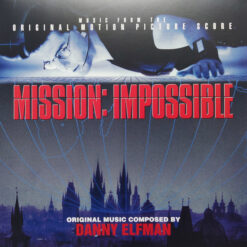 Danny Elfman "Mission: Impossible" (RSD '26)
1 × $67.99
Danny Elfman "Mission: Impossible" (RSD '26)
1 × $67.99 -
×
 10,000 Maniacs "MTV Unplugged"
1 × $58.00
10,000 Maniacs "MTV Unplugged"
1 × $58.00
Pop/Hip Hop/R&B
10 Best Stephen Stills Songs of All Time

20
Jun
Jun
Stephen Stills stands among the most gifted singer songwriters and guitarists of the classic rock era, blending folk, rock, blues, country, and Latin influences into a remarkably diverse body of work. As a founding member of Buffalo Springfield and Crosby, Stills, Nash & Young, he helped shape the sound of a generation through thoughtful songwriting, exceptional musicianship, and powerful vocal performances. His songs range from deeply personal reflections and heartfelt love ballads to politically conscious anthems and adventurous musical explorations. Stills possesses a rare ability to combine emotional honesty with instrumental brilliance, creating recordings that feel both intimate and expansive. Whether performing solo or within legendary collaborations, he consistently delivered music rich in melody, lyrical depth, and artistic ambition. The most popular Stephen Stills songs of all time showcase a songwriter and performer whose creativity, versatility, and enduring influence have earned him a lasting place among the most respected figures in rock and folk music history.
1. Love The One You’re With
“Love The One You’re With” is Stephen Stills’ most famous solo song, a bright and rhythmically irresistible anthem that captures his ability to blend folk rock, gospel energy, and pop immediacy into one unforgettable recording. Released on his debut solo album, the track quickly became a signature because it feels loose, communal, and instantly singable. The song’s central phrase became part of popular culture, partly because it is so memorable and partly because Stills delivers it with a mix of warmth, mischief, and philosophical shrug. It is a song about accepting the present moment, even when life does not provide the ideal circumstances one had imagined.
The arrangement is one of the song’s greatest strengths. The handclaps, backing vocals, acoustic rhythm, and layered harmonies create a celebratory atmosphere that feels almost like a spontaneous gathering. “Love The One You’re With” shows Stills as a master of groove as well as melody. He gives the song a soulful lift without losing its folk rock roots. “Love The One You’re With” remains one of Stephen Stills’ most popular songs because it is catchy, relaxed, and full of human imperfection. It does not present love as grand destiny. It presents it as something immediate, complicated, and alive in the moment, which is exactly why the song has endured.
2. For What It’s Worth
“For What It’s Worth” is one of Stephen Stills’ most historically important songs, written during his time with Buffalo Springfield and forever associated with the social unrest of the 1960s. Although often described as a protest song, its power comes from observation rather than slogan. Stills captures tension in the streets, confusion among young people, and the uneasy feeling that something larger is happening just beyond anyone’s control. The opening guitar harmonics are instantly recognizable, quiet but unsettling, setting a mood of watchfulness before the lyric even begins.
The song’s genius lies in its restraint. “For What It’s Worth” does not shout, even though it describes confrontation. Instead, Stills sings with calm seriousness, making the warning feel sharper. The famous line about stopping and looking around became a generational signal because it expressed a moment when society seemed to be shifting beneath everyone’s feet. “For What It’s Worth” remains one of Stephen Stills’ most popular songs because it captures the sound of tension without simplifying it. It is thoughtful, spare, and hauntingly effective. Decades later, the recording still feels relevant whenever public distrust, authority, protest, and generational conflict return to the center of national life.
3. Suite Judy Blue Eyes
“Suite Judy Blue Eyes” is one of Stephen Stills’ most ambitious and beloved compositions, a multi section masterpiece written during the emotional aftermath of his relationship with Judy Collins. Performed by Crosby, Stills and Nash, the song immediately announced the group’s astonishing vocal chemistry while also showcasing Stills’ sophistication as a songwriter and arranger. Rather than following a conventional verse and chorus pattern, the piece unfolds like a suite, moving through shifting moods of love, regret, frustration, tenderness, and release.
The song’s complexity is matched by its emotional directness. “Suite Judy Blue Eyes” contains intricate acoustic guitar work, glowing harmonies, and rhythmic changes that feel organic rather than showy. Stills sings with urgency and vulnerability, giving the song the feeling of someone trying to process a breakup in real time. The final Latin flavored section brings an unexpected burst of joy and motion, transforming private pain into communal celebration. “Suite Judy Blue Eyes” remains one of Stephen Stills’ most popular songs because it captures his unique blend of musical intelligence and emotional intensity. It is technically impressive, but never cold. It is romantic, wounded, adventurous, and beautifully alive, a defining moment in the history of harmony driven folk rock.
4. Carry On
“Carry On” is one of Stephen Stills’ great opening statements with Crosby, Stills, Nash and Young, a song that captures resilience, motion, and musical ambition in thrilling form. Released on Déjà Vu, the track begins with bright acoustic energy before expanding into powerful harmonies and shifting sections. Stills’ writing gives the song a sense of forward movement, as if personal difficulty and emotional confusion can be met by continuing, singing, and pushing toward whatever comes next. The title itself becomes both advice and command.
The recording is especially impressive because it combines folk rock clarity with rhythmic drive and structural imagination. “Carry On” moves through multiple passages without losing momentum, showcasing Stills’ ability to build songs that feel expansive yet cohesive. The harmonies from Crosby, Stills, Nash and Young are luminous, but Stills’ voice and guitar give the song its center. “Carry On” remains one of Stephen Stills’ most popular songs because it captures the spirit of perseverance without becoming sentimental. It is energetic, hopeful, and musically rich, a song that suggests survival is not always quiet or solemn. Sometimes it is loud, harmonized, and filled with the determination to keep moving through uncertainty.
5. Southern Cross
“Southern Cross” is one of Stephen Stills’ most enduring later classics, recorded with Crosby, Stills and Nash and beloved for its sweeping melody, nautical imagery, and emotional sense of renewal. The song tells of a voyage after heartbreak, using the sea as both literal setting and metaphor for healing. Stills sings with weathered warmth, capturing the feeling of a man trying to recover himself through distance, movement, and the vastness of open water. The Southern Cross becomes a guiding symbol, something steady and beautiful in a life recently unsettled.
The arrangement is polished, melodic, and expansive, with harmonies that give the chorus its unforgettable lift. “Southern Cross” works because it transforms personal sorrow into a travel song filled with air, light, and possibility. The lyric contains both pain and optimism, acknowledging betrayal and disappointment while also recognizing that life continues beyond them. “Southern Cross” remains one of Stephen Stills’ most popular songs because it speaks to anyone who has tried to outrun heartbreak and discovered instead that movement can become a form of recovery. It is romantic, reflective, and beautifully atmospheric, a song that still feels like salt air, open sky, and a horizon wide enough to begin again.
6. Bluebird
“Bluebird” is one of Stephen Stills’ most striking Buffalo Springfield compositions, a song that blends folk rock melody, electric guitar energy, and shifting textures into a vivid statement of his early creative range. The track has a restless quality, moving between lyrical delicacy and instrumental drive. Stills’ guitar work gives the song bite and motion, while the vocal carries a sense of romantic mystery. The bluebird image suggests beauty, distance, and elusive freedom, themes that fit naturally into the band’s exploratory sound.
The song is important because it shows Stills already pushing beyond simple pop structures. “Bluebird” contains acoustic and electric elements, dynamic changes, and a sense of musical adventure that would later define much of his work. The performance feels alive with possibility, reflecting Buffalo Springfield’s unique position between folk, rock, country influence, and psychedelic experimentation. “Bluebird” remains one of Stephen Stills’ most popular songs among devoted fans because it captures the spark of a young songwriter and guitarist discovering how far a song could travel. It is melodic but unpredictable, beautiful but edged with tension. The recording stands as a reminder that Stills’ early work helped shape the vocabulary of late 1960s American rock, where roots music and electric exploration began to merge.
7. Change Partners
“Change Partners” is one of Stephen Stills’ most elegant solo songs, a graceful blend of country rock, folk, and romantic metaphor. The song uses the image of dancing to explore emotional movement, relationship uncertainty, and the shifting nature of attraction. Stills sings with a warm but slightly weary tone, suggesting a narrator who understands that love can resemble a dance floor where people circle, drift apart, return, and sometimes choose new partners before the music ends. The metaphor is simple, but Stills handles it with sophistication.
The arrangement has a relaxed country influenced charm, with smooth instrumentation and a melody that feels easygoing on the surface. Yet beneath that ease is emotional ambiguity. “Change Partners” is not merely a cheerful dance tune. It carries a sense of resignation and mature observation, recognizing that relationships often move according to rhythms people do not fully control. “Change Partners” remains one of Stephen Stills’ most popular solo tracks because it shows his lighter, more polished side without losing lyrical intelligence. The song is tuneful, thoughtful, and beautifully performed, a fine example of his ability to turn an everyday social image into a reflection on love, timing, and the delicate choreography of human connection.
8. 4 Plus 20
“4 Plus 20” is one of Stephen Stills’ most intimate and haunting songs, a stark acoustic confession that stands apart from the lush harmonies and expansive arrangements often associated with Crosby, Stills, Nash and Young. The song is brief, spare, and devastating, sung from the perspective of a young man who feels old before his time. Stills’ guitar work is delicate and precise, giving the recording a lonely stillness. His vocal is quiet, almost resigned, which makes the emotional weight even heavier.
The lyric captures poverty, isolation, fatigue, and spiritual exhaustion with remarkable economy. “4 Plus 20” does not offer dramatic resolution or comforting uplift. It simply presents a life shaped by hardship and inner emptiness. That honesty gives the song its power. Stills strips away everything unnecessary, leaving voice, guitar, and feeling. “4 Plus 20” remains one of Stephen Stills’ most admired songs because it reveals his ability to write with brutal simplicity when the subject demands it. It is not grand in scale, but it is emotionally immense. The recording proves that Stills did not always need complex arrangements or soaring harmonies to make an impact. Sometimes a single voice and acoustic guitar were enough to create one of his most unforgettable moments.
9. Dark Star
“Dark Star” is one of Stephen Stills’ sleekest and most groove oriented songs with Crosby, Stills and Nash, a track that reflects his fascination with Latin rhythms, jazz textures, and sophisticated rock arrangements. The song moves with a polished rhythmic confidence, built around a groove that feels both relaxed and tightly controlled. Stills’ vocal is smooth and slightly mysterious, giving the lyric an atmosphere of desire, distance, and late night intrigue. It is a song of mood as much as message.
The appeal of “Dark Star” lies in its subtle musical sophistication. The rhythm section has a fluid pulse, the guitar textures are tasteful, and the harmonies add color without overwhelming the groove. Stills was always one of rock’s most rhythmically versatile writers, and this song shows how naturally he could draw from sources beyond standard folk rock. “Dark Star” remains a popular Stephen Stills related track because it captures a refined side of his artistry. It is not as anthemic as “Love The One You’re With” or as historically charged as “For What It’s Worth”, but it has a cool sophistication that rewards repeated listening. The song demonstrates his ability to make rock music feel urbane, sensual, and rhythmically adventurous.
10. Treetop Flyer
“Treetop Flyer” is one of Stephen Stills’ great storytelling songs, a vivid acoustic narrative about a pilot living on the edge of legality, danger, and freedom. The song has the feel of a modern folk tale, filled with character, atmosphere, and hard earned experience. Stills sings in a weathered voice that suits the subject perfectly, sounding like someone who knows the skies, the risks, and the loneliness of a life spent moving just below the radar. The guitar work is nimble and expressive, giving the song momentum without needing a full band.
The strength of “Treetop Flyer” lies in its cinematic detail. The narrator is not simply a romantic outlaw. He is a skilled survivor shaped by war, work, secrecy, and necessity. Stills gives him dignity and mystery, allowing the listener to feel the thrill and cost of that life. The song reflects Stills’ deep connection to American roots storytelling, where individual freedom often comes tangled with danger and compromise. “Treetop Flyer” remains one of Stephen Stills’ most admired later songs because it proves his narrative gift remained sharp long after his most famous 1960s and 1970s work. It is atmospheric, muscular, and quietly epic, a song that turns one man’s flight path into a portrait of independence and survival.

Edward Tomlin is a frequent contributor to Singers Room. Since 2005, Singersroom has been the voice of R&B around the world. Connect with us via social media below.
Source link
