
-
×
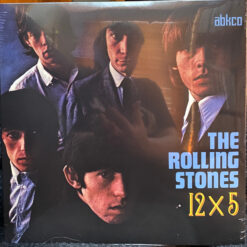 Rolling Stones "12x5"
2 × $45.00
Rolling Stones "12x5"
2 × $45.00 -
×
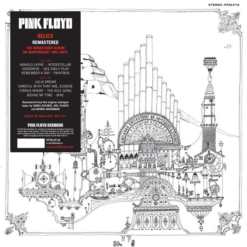 Pink Floyd “Relics”
1 × $35.00
Pink Floyd “Relics”
1 × $35.00 -
×
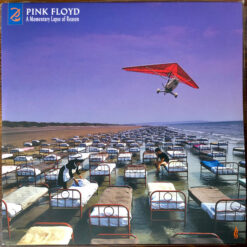 Pink Floyd "A Momentary Lapse Of Reason"
1 × $48.00
Pink Floyd "A Momentary Lapse Of Reason"
1 × $48.00 -
×
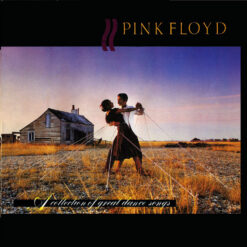 Pink Floyd "A Collection of Great Dance Songs" (Compilation)
1 × $35.00
Pink Floyd "A Collection of Great Dance Songs" (Compilation)
1 × $35.00 -
×
 Fleetwood Mac "Live"
1 × $45.00
Fleetwood Mac "Live"
1 × $45.00 -
×
 AC/DC "Back In Black"
1 × $35.00
AC/DC "Back In Black"
1 × $35.00
Pop/Hip Hop/R&B
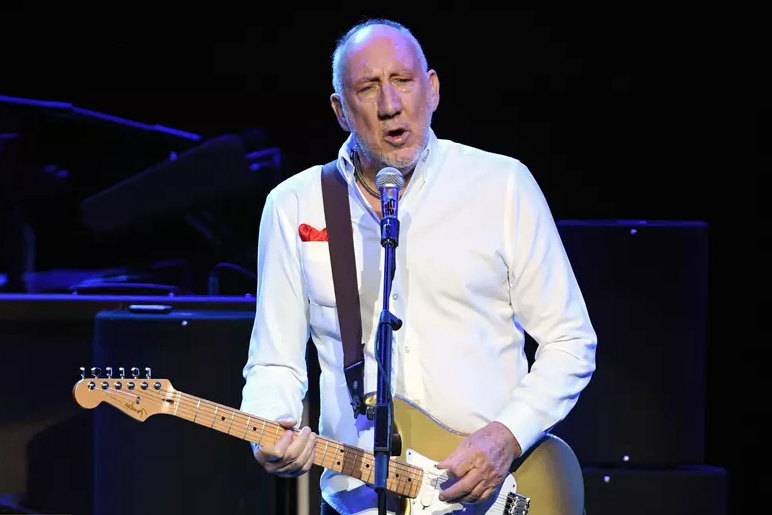
10 Best Pete Townshend Songs of All Time
23
Jun
Jun
Pete Townshend is one of rock music’s most visionary songwriters, a creative force whose work helped redefine what popular music could achieve. Best known as the principal songwriter for The Who, Townshend combined powerful storytelling, ambitious concepts, and unforgettable melodies to create songs that resonated far beyond traditional rock and roll. His compositions explored identity, rebellion, spirituality, youth culture, personal struggle, and social change with intelligence and emotional depth. Whether crafting explosive rock anthems, introspective ballads, or groundbreaking rock opera pieces, he consistently pushed artistic boundaries while maintaining a strong connection to listeners. His solo career further revealed his versatility as a songwriter and performer, showcasing a more personal and reflective side of his artistry. The most popular Pete Townshend songs highlight the remarkable creativity, passion, and innovation that have made him one of the most influential figures in rock history.
1. Baba O’Riley
Baba O’Riley is one of Pete Townshend’s most visionary compositions, a song that feels both futuristic and deeply human. Built around a pulsing synthesizer pattern, the track opened a new world for rock music, proving that electronic textures could carry emotional weight when placed in the hands of a great songwriter. The song is often mistaken by casual listeners as being titled Teenage Wasteland because of its unforgettable refrain, but its true identity points toward Townshend’s spiritual and artistic interests. The title reflects his admiration for Meher Baba and Terry Riley, showing how philosophy, minimalism, and rock power could merge inside one dramatic recording.
The greatness of Baba O’Riley lies in its balance of precision and release. The repeating keyboard figure creates a hypnotic foundation, while the band enters with enormous force, turning the song into a widescreen anthem about youth, escape, and survival. Roger Daltrey’s vocal gives Townshend’s words a heroic edge, but the emotional architecture belongs to Townshend. His guitar work, songwriting ambition, and dramatic sense guide the entire piece. The final violin section adds a wild folk inspired lift, making the song feel like a journey rather than a standard rock single. Baba O’Riley remains one of Townshend’s most popular songs because it captures the beauty of restless youth while also suggesting something larger, stranger, and more spiritual beneath the surface.
2. Won’t Get Fooled Again
Won’t Get Fooled Again is one of Pete Townshend’s most powerful political and philosophical rock statements, a song that turns disillusionment into monumental sound. Built from a revolutionary synthesizer sequence and one of the most explosive band performances in classic rock, the track examines the cycle of rebellion, power, and disappointment. Townshend does not offer simple optimism. Instead, he questions whether new movements truly change the world or simply replace one form of authority with another. That skepticism gives the song its lasting bite.
The arrangement is massive, but it never feels empty. Townshend’s guitar slashes through the mix with authority, while the synthesizer pattern gives the song a mechanical pulse that suggests history grinding forward. Roger Daltrey’s legendary scream near the end has become one of rock’s most famous moments, but it works because the entire song has been building toward that release. Beneath the spectacle is a remarkably sharp piece of writing. Won’t Get Fooled Again captures the excitement of revolt while exposing the danger of blind faith in slogans and leaders. It is both an anthem and a warning. Townshend’s genius lies in making doubt sound gigantic. The song remains one of his most popular works because it speaks to every generation that has watched promises of change collide with human nature, ambition, and the repeating patterns of power.
3. Behind Blue Eyes
Behind Blue Eyes is one of Pete Townshend’s most emotionally revealing songs, a haunting portrait of loneliness, anger, and misunderstood identity. Written during the period of his ambitious Lifehouse concept, the song gives voice to a character who feels isolated by the darkness inside him. Its acoustic opening is gentle and intimate, drawing the listener into a confession that feels painfully private. The lyric speaks from the perspective of someone who sees himself as judged, feared, and emotionally trapped, creating a psychological depth that separates it from a simple rock ballad.
The song’s structure is one of its greatest strengths. It begins in a quiet, almost prayerful mood before shifting into a sudden burst of electric intensity. That change mirrors the emotional split inside the narrator, the movement from wounded vulnerability to explosive frustration. Townshend’s songwriting captures this inner conflict with extraordinary precision. The melody is beautiful, but the feeling behind it is uneasy and unresolved. Behind Blue Eyes has remained popular because it gives language to a universal experience: the feeling of being seen from the outside but not truly understood. It is introspective without being soft, dramatic without becoming theatrical excess. The Who’s performance gives the song muscle, but Townshend’s composition gives it soul. It remains one of his finest examples of turning inner turmoil into unforgettable rock poetry.
4. Pinball Wizard
Pinball Wizard is one of Pete Townshend’s most famous narrative rock songs, a dazzling centerpiece from the groundbreaking rock opera Tommy. The song introduced one of the album’s most vivid images: a seemingly limited boy who becomes a miraculous master of pinball. In less skilled hands, the concept could have sounded absurd, but Townshend turns it into a thrilling piece of musical storytelling. The acoustic guitar attack gives the track immediate momentum, while the melody carries a sense of wonder and spectacle.
The brilliance of Pinball Wizard is that it works both inside and outside the larger story. As part of Tommy, it advances the mythic rise of the central character. As a standalone song, it is simply irresistible, full of energy, melody, and theatrical flair. Townshend’s rhythm guitar playing is central to the song’s excitement, with rapid strumming that creates a feeling of flashing lights, spinning scoreboards, and rising amazement. Roger Daltrey’s vocal brings the narrator’s disbelief to life, making the listener feel the surprise of watching this unlikely champion dominate the game. Pinball Wizard became one of Townshend’s most popular works because it showed how rock could tell stories with humor, imagination, and explosive musical craft. It remains a landmark in the development of rock opera and a perfect example of his gift for making unusual ideas feel instantly iconic.
5. Let My Love Open The Door
Let My Love Open The Door is Pete Townshend’s most widely recognized solo hit, a bright and uplifting song that reveals a warmer side of his songwriting. While many of his most famous works with The Who are filled with tension, rebellion, spiritual struggle, or social criticism, this track radiates generosity and melodic charm. Its message appears simple at first: love can provide comfort, release, and entry into a better emotional place. Yet Townshend’s spiritual interests give the song an added layer, suggesting a form of love that is not merely romantic, but healing and expansive.
The production is crisp and accessible, with a buoyant rhythm and a chorus that arrives like sunlight. Townshend’s vocal performance is more modest than the huge voices often associated with The Who, but that directness works beautifully. He sounds sincere, almost conversational, which allows the song’s optimism to feel believable. Let My Love Open The Door became popular because it presents Townshend’s melodic instincts in their most approachable form. It has the structure of a perfect pop song, yet it still carries the emotional and spiritual curiosity that defines his deeper work. The song has continued to appear in films, television, and popular culture because its warmth is immediate. It remains a signature solo recording, proving that Townshend could step away from grand rock concepts and still create something timeless, joyful, and deeply memorable.
6. My Generation
My Generation is one of Pete Townshend’s most important early songs, a defining anthem of youth frustration, identity, and defiance. Released during The Who’s rise in the nineteen sixties, the track captured the sound of a younger generation refusing to speak politely or wait quietly for permission. The famous stuttering vocal, delivered by Roger Daltrey, gives the song a nervous, confrontational energy, while Townshend’s writing turns that tension into a cultural statement. It is raw, direct, and unforgettable.
The music is built on aggression and attitude. The bass breaks from John Entwistle are explosive, Keith Moon’s drumming adds chaos and force, and Townshend’s guitar gives the song its hard edged bite. Yet the true power of My Generation comes from its simplicity. Townshend understood that a youth anthem did not need to explain every grievance. It needed to sound like impatience itself. The song’s famous line about hoping to die before getting old became one of rock’s most quoted expressions of generational rebellion, even as Townshend’s later career gave the lyric new irony and complexity. My Generation remains one of his most popular songs because it captured a moment and then outlived it. It still sounds urgent because every era produces young people who feel ignored, misunderstood, and ready to make noise. Townshend gave that feeling a permanent rock vocabulary.
7. I Can See For Miles
I Can See For Miles is one of Pete Townshend’s most electrifying pop rock achievements, a song that combines psychedelic atmosphere, hard rock power, and razor sharp melodic writing. The track has an enormous sense of scale, with layered guitars, crashing drums, and a vocal performance that feels both accusatory and triumphant. Townshend wrote the song with a keen sense of drama, using the idea of all seeing awareness as a weapon inside a relationship marked by deception. The narrator sees through lies, and the music makes that revelation sound thrilling.
The production is dense and powerful, especially for its time. Townshend’s guitar work creates waves of sound, while Keith Moon’s drumming turns the track into a rolling storm. The chorus opens with stunning force, giving the song one of The Who’s most memorable hooks. I Can See For Miles is fascinating because it sits between pop sophistication and rock aggression. It is catchy enough to work as a single, but heavy enough to point toward the future of rock music. Townshend’s songwriting is full of tension, suspicion, and confidence, making the track feel emotionally charged even beneath its psychedelic shine. The song remains one of his most popular compositions because it captures The Who at a moment of maximum invention. It is bold, explosive, and brilliantly arranged, showing Townshend’s ability to turn personal conflict into a vast sonic event.
8. The Real Me
The Real Me is one of Pete Townshend’s most intense explorations of identity, confusion, and psychological pressure. Written for Quadrophenia, the song gives voice to a young character desperately trying to understand himself while feeling misunderstood by everyone around him. The lyric moves through encounters with authority, family, medicine, and religion, each one failing to provide the answer he needs. Townshend captures the panic of self questioning with remarkable force, making the song feel like a rush of thought and emotion that cannot be contained.
The performance is ferocious. John Entwistle’s bass is famously explosive, pushing the song forward with almost lead instrument intensity. Keith Moon’s drums add wild momentum, while Townshend’s guitar provides sharp structure within the chaos. Roger Daltrey sings with urgency, embodying the narrator’s demand to be seen honestly. The Real Me remains one of Townshend’s most popular songs because its subject never loses relevance. The search for an authentic self, especially under social pressure, is one of the central human struggles. Townshend understood that rock music could dramatize that struggle with both intelligence and physical power. The song is not merely about teenage confusion. It is about the frightening gap between how one feels inside and how the world insists on defining them. That emotional truth gives The Real Me its enduring force.
9. Rough Boys
Rough Boys is one of Pete Townshend’s most striking solo songs, a fierce and provocative recording that captures the tension between attraction, danger, rebellion, and self examination. Released on Empty Glass, the track marked a powerful moment in Townshend’s solo career, showing that he could create music outside The Who that still carried urgency and bite. The song’s energy is immediate, driven by a muscular guitar attack and a vocal performance that feels both confrontational and fascinated by the world it describes.
What makes Rough Boys compelling is its layered emotional charge. The title suggests toughness and streetwise swagger, but Townshend’s writing looks deeper into the desire, intimidation, and vulnerability beneath that image. The song has often been discussed for its ambiguity, and that ambiguity is part of its power. Townshend rarely wrote from a place of simple certainty. He was drawn to conflict within the self, and this recording thrives on that inner friction. Musically, the track is lean, aggressive, and memorable, with a chorus that hits hard while retaining his melodic intelligence. Rough Boys remains one of his most popular solo songs because it captures him at a moment of creative independence, willing to be bold, personal, and musically direct. It shows Townshend as a solo artist unafraid to confront complicated feelings through rock music that still moves with force.
10. Slit Skirts
Slit Skirts is one of Pete Townshend’s most mature and reflective solo songs, a deeply observant piece about aging, disillusionment, memory, and the fading illusions of youth. Unlike the explosive rebellion of his early work, this song looks at adulthood with weary honesty. Townshend writes about people who once felt free, beautiful, and certain, now facing compromise, regret, and the passage of time. The emotional perspective is sharp but compassionate, showing his ability to examine human weakness without reducing it to cynicism.
The arrangement has a graceful, melancholic quality that supports the lyric’s reflective mood. Townshend’s vocal is thoughtful and intimate, carrying the authority of someone looking back from experience rather than posture. The song’s melodic shape is elegant, and its emotional pacing allows the listener to absorb the weight of each observation. Slit Skirts stands apart in Townshend’s catalog because it shows his gift for adult songwriting. He was not only the poet of youth rebellion. He also became a chronicler of what happens after rebellion fades, after dreams become complicated, and after people begin measuring the distance between who they were and who they have become. The song remains popular among devoted fans because it offers wisdom without easy comfort. It is beautifully written, emotionally honest, and quietly devastating, proving that Townshend’s artistic depth extended far beyond rock anthems and stage shaking power.

Edward Tomlin is a frequent contributor to Singers Room. Since 2005, Singersroom has been the voice of R&B around the world. Connect with us via social media below.
Source link
