
Pop/Hip Hop/R&B
10 Best Patti Labelle Songs of All Time
Jul
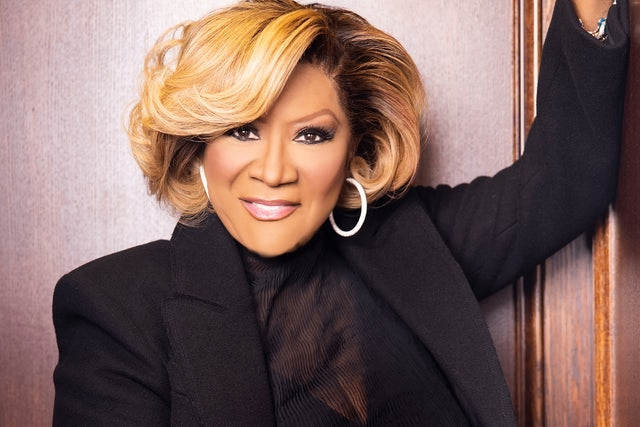
Few voices in soul music possess the power, elegance, and emotional fire of Patti LaBelle. From her groundbreaking years with Labelle to her extraordinary solo career, she has transformed love, heartbreak, resilience, and celebration into unforgettable musical experiences. Her soaring range can move from a tender whisper to a breathtaking high note, giving classics such as “If Only You Knew,” “New Attitude,” “On My Own,” and “Lady Marmalade” their lasting intensity. LaBelle does more than sing a melody; she inhabits every lyric with theatrical passion, gospel rooted conviction, and unmistakable personality. Whether delivering a vulnerable ballad or an electrifying dance anthem, she makes every performance feel deeply personal. Her greatest songs continue to inspire audiences because they capture the courage, glamour, honesty, and boundless spirit of a true soul music icon.
1. Lady Marmalade
“Lady Marmalade” is the explosive recording that transformed Labelle into international stars and established Patti LaBelle as one of the most commanding vocalists of her generation. From its first seconds, the song announces a world of theatrical confidence, streetwise glamour, and irresistible rhythm. Allen Toussaint’s production combines New Orleans funk, soul, rock, and early disco energy, creating a groove that feels both earthy and spectacular. The bass moves with seductive authority, the percussion keeps the arrangement in constant motion, and the memorable chorus provides an immediate invitation for listeners to participate.
Patti LaBelle dominates the performance without diminishing the essential contributions of Nona Hendryx and Sarah Dash. Her voice rises above the track with a thrilling combination of gospel power, playful phrasing, and dramatic instinct. She does not merely sing the central character into existence. She turns her into a force of personality. Every cry, growl, and soaring note gives the song greater color, while the group harmonies create a sense of communal celebration. The famous French refrain adds mystery and sensuality, but the performance succeeds because of its musical confidence rather than novelty alone.
“Lady Marmalade” remains popular because it refuses to sound cautious. The recording celebrates boldness, independence, and performance itself. Labelle’s futuristic image strengthened its impact, yet the music remains powerful without any visual assistance. Patti’s vocal carries enough drama to fill the imagination, moving from teasing intimacy to roof raising intensity. The song has inspired later interpretations, but the original retains a wildness that cannot be manufactured. It captures three gifted singers and a brilliant studio team creating something glamorous, funky, provocative, and permanently unforgettable.
2. If Only You Knew
“If Only You Knew” is perhaps the purest example of Patti LaBelle transforming emotional restraint into breathtaking release. The song begins with a narrator who has carefully rehearsed a declaration of love but cannot find the courage to speak when the moment arrives. Patti approaches those opening lines with remarkable tenderness. Her voice is quiet, hesitant, and almost conversational, allowing the listener to hear the nervousness behind every word. Rather than revealing her full power immediately, she preserves it, making the eventual expansion of the performance far more moving.
The production creates a gentle setting through keyboards, strings, restrained percussion, and soft background harmonies. Each element leaves room for the lead vocal to develop. As the song progresses, Patti’s tone gradually changes. The shy confession becomes an urgent emotional truth, and her famous upper range begins to emerge. She stretches phrases with gospel rooted intensity, but the technical brilliance never overshadows the story. Every vocal rise represents feeling that can no longer remain hidden.
“If Only You Knew” has endured because its central situation is painfully universal. Many people have carried love silently, imagining the perfect conversation while fearing rejection or misunderstanding. Patti gives that private experience enormous emotional scale. By the final passages, she sounds as though the confession has broken free from years of restraint. Her ad libs do not feel added for display. They are the natural result of everything the narrator has been unable to say. The recording is intimate enough for solitary listening and powerful enough for a concert hall, making it one of the most beloved soul ballads of its era and a defining statement of Patti LaBelle’s interpretive genius.
3. On My Own
“On My Own” pairs Patti LaBelle with Michael McDonald in a masterful portrait of two people confronting the end of a relationship from separate emotional spaces. Although the singers recorded their parts independently, the finished performance feels like an intensely personal conversation. Patti brings clarity, heartbreak, and controlled strength to her verses, while McDonald contributes a weathered sadness that complements her brighter, more dramatic tone. Their contrasting voices make the separation feel complete, as though each person is processing the same loss in a different room.
The arrangement is polished and spacious, with piano, synthesizers, restrained drums, and carefully layered harmonies creating an atmosphere of adult reflection. Patti does not begin with anger. She sounds stunned by the realization that a partnership once believed permanent has reached its end. Her phrasing communicates disbelief, especially when she considers how naturally the couple once imagined a shared future. As the song develops, sadness gives way to determination. The title becomes both an admission of loneliness and a declaration of survival.
What makes “On My Own” so powerful is its refusal to simplify separation. Neither singer sounds completely liberated, and neither appears ready to return. The emotional truth exists between those positions. Patti’s voice rises with characteristic force during the climactic sections, yet she preserves the vulnerability established at the beginning. Her power does not erase the pain. It shows the effort required to move through it. The recording became a major crossover success because its story was immediately recognizable and its vocal pairing was unforgettable. It remains a sophisticated breakup anthem about accepting reality while discovering the strength to continue alone.
4. New Attitude
“New Attitude” captures Patti LaBelle at her most vibrant, stylish, and joyfully assertive. Driven by bright synthesizers, electronic drums, sharp guitar accents, and an irresistible dance rhythm, the song presents personal reinvention as a celebration. Patti enters the arrangement with complete authority, singing from the perspective of someone who has moved beyond confusion and discovered a renewed sense of purpose. Her voice carries excitement rather than bitterness, making transformation sound like the beginning of an adventure.
The melody gives Patti room to display several sides of her personality. She handles the verses with rhythmic precision, then opens into a soaring chorus filled with confidence. Background vocals reinforce the title, creating the feeling of a supportive crowd joining the declaration. The production strongly reflects the energy of popular music during the nineteen eighties, but Patti’s performance prevents the recording from feeling trapped in its period. Her gospel influenced power, playful vocal accents, and unmistakable tone give the sleek arrangement a deeply human center.
“New Attitude” remains popular because it works as both a dance record and a motivational statement. The lyric does not describe transformation as a slow or uncertain process. The change has already happened, and the singer is ready to enjoy it. That certainty makes the chorus especially satisfying. Patti sounds as though she is stepping into a brighter future with complete self assurance. The song became closely associated with fashion, movement, and personal empowerment, while its energetic video introduced her dynamic presence to a broad audience. Decades later, it still provides an immediate lift. The rhythm encourages motion, the chorus invites participation, and Patti’s performance reminds listeners that confidence can begin with the decision to see oneself differently.
5. Love, Need and Want You
“Love, Need and Want You” is a slow soul masterpiece built around emotional completeness. Patti LaBelle does not describe affection as a casual preference. She divides it into three connected forces, each carrying its own weight. To love someone is profound, to need that person is vulnerable, and to want them introduces physical longing. Patti sings all three dimensions with patience and extraordinary sensitivity, allowing the song to grow gradually from intimate confession into overwhelming devotion.
The production creates a luxurious quiet storm atmosphere through soft keyboards, delicate guitar, warm bass, restrained drums, and flowing orchestral touches. Nothing moves too quickly. The arrangement gives Patti space to linger over words and shape phrases according to their emotional meaning. Her lower register sounds close and conversational during the verses, while her upper range appears in carefully chosen moments. When she increases the intensity, it feels like the natural expansion of a feeling that has become impossible to contain.
“Love, Need and Want You” has become especially treasured because it treats desire with maturity. The performance is sensual, but it is also deeply affectionate. Patti never separates physical longing from emotional commitment. Her vocal suggests trust, gratitude, and surrender alongside passion. The recording has influenced later generations of rhythm and blues artists, yet its original magic remains tied to Patti’s unique phrasing. She can turn a repeated word into a new revelation simply by changing its volume, texture, or timing. The song invites close listening because its drama is found in subtle details rather than sudden changes. It remains one of Patti LaBelle’s finest romantic performances, capturing the moment when affection becomes an essential part of existence.
6. Somebody Loves You Baby
“Somebody Loves You Baby” is a passionate declaration delivered with confidence, mystery, and unmistakable vocal power. Patti LaBelle sings as someone who knows exactly how deeply she feels but chooses to reveal that truth gradually. The repeated phrase in the title creates a playful game between singer and listener. She speaks of an unnamed admirer, yet every change in tone makes the identity increasingly obvious. By the time the chorus arrives, secrecy has become part of the romance.
The arrangement combines the polish of contemporary rhythm and blues with the emotional warmth of classic soul. Keyboards provide a smooth harmonic foundation, while drums and bass establish a steady groove. Background voices answer Patti and strengthen the chorus, giving the performance a communal energy. Patti begins with controlled phrasing, but she continually introduces small cries, bends, and ad libs that suggest feeling pressing against the edges of the composition. During the final passages, she releases more of her upper range, transforming the song into a full declaration.
“Somebody Loves You Baby” remains popular because it offers reassurance without losing sensuality. The song tells the listener that love is present, patient, and ready to be recognized. Patti’s performance makes that message feel personal. Even though the production is polished, her voice retains the immediacy of a live confession. She sounds amused by the mystery, moved by the depth of her own affection, and completely certain that the truth will eventually be understood. The recording demonstrates her ability to balance vocal discipline with spontaneous emotion. It begins as a teasing secret and ends as an unmistakable promise, making it one of her most satisfying and enduring love songs.
7. You Are My Friend
“You Are My Friend” is one of Patti LaBelle’s most profound statements of gratitude, loyalty, and spiritual connection. The song begins quietly, addressing someone whose support has been so constant that its full meaning was not immediately recognized. Patti sings the opening with humility, allowing the words to sound like a realization taking place in real time. Her voice is gentle and reflective, creating the atmosphere of a private thank you offered after years of shared experience.
As the arrangement grows, the song moves beyond ordinary friendship and approaches the emotional language of gospel. Piano, strings, rhythm instruments, and background singers build a broad foundation beneath Patti’s voice. She responds by gradually expanding her delivery. The soft appreciation of the early verses becomes a soaring affirmation, filled with cries, sustained notes, and spontaneous expressions of joy. Her famous vocal power is fully present, but it is directed toward gratitude rather than personal display.
“You Are My Friend” has become a signature performance because its message can apply to many forms of love. It can be heard as a tribute to a partner, family member, mentor, spiritual guide, or lifelong companion. Patti leaves enough emotional space for listeners to connect the song with their own relationships. In concert, the recording often becomes a communal experience, with the audience responding as though participating in a testimony. Patti’s performance recognizes that friendship is not a lesser form of devotion. It can provide safety, truth, encouragement, and unconditional acceptance. The song celebrates the people who remain present when recognition, success, and excitement fade. Through patience and overwhelming vocal conviction, Patti turns simple gratitude into something sacred.
8. If You Asked Me To
“If You Asked Me To” is a deeply controlled ballad about emotional defenses beginning to fall. Patti LaBelle sings from the perspective of someone who has survived disappointment and learned to protect herself, yet now finds that another person might inspire her to risk vulnerability again. The title is not an unconditional promise. It is a careful invitation. Patti communicates that uncertainty beautifully, allowing hope and fear to exist within the same phrase.
The arrangement is elegant and spacious, with keyboards, soft percussion, guitar, and atmospheric orchestral colors supporting the vocal. Patti begins with restraint, emphasizing the narrator’s caution. Her lower notes carry a thoughtful warmth, while small rises in intensity reveal the affection she is trying to contain. As the song progresses, the possibility of surrender becomes stronger. Her voice opens gradually, but she never turns the performance into an uncomplicated celebration. A trace of hesitation remains, preserving the emotional truth of someone who understands the risks of trust.
“If You Asked Me To” remains one of Patti’s most admired ballads because she gives the lyric maturity and depth. Love is presented not as a magical cure, but as a reason to reconsider the walls built after pain. Her performance suggests that courage can be quiet. Sometimes it means allowing another person to ask the question one has secretly hoped to hear. Patti’s famous range appears in the climactic passages, yet her greatest achievement is the delicate emotional pacing that leads there. Every phrase moves the narrator closer to openness. The recording is romantic, reflective, and filled with the tension between self protection and the desire to be known completely.
9. Stir It Up
“Stir It Up” places Patti LaBelle inside a bright, fast moving dance arrangement that celebrates action, confidence, and emotional momentum. The song carries the sleek energy associated with the Beverly Hills Cop soundtrack, using electronic drums, synthesizers, bass, guitar, and layered vocals to create a rhythm designed for movement. Patti enters with playful authority, encouraging excitement rather than waiting for it to appear.
Her performance is filled with rhythmic detail. She attacks short phrases with precision, then stretches selected words to display the power and personality of her voice. The chorus is direct and easily remembered, giving background singers and listeners a chance to join the command. Although the production is highly polished, Patti never disappears beneath the technology. Her gospel training and spontaneous vocal instincts bring warmth to the electronic setting. Small cries and changes in emphasis make the track feel alive rather than programmed.
“Stir It Up” remains a favorite because it captures Patti during a period of exciting crossover success. She proved that a vocalist rooted in soul and gospel could thrive within modern dance pop without surrendering her identity. The song’s message is deliberately simple: create movement, awaken energy, and refuse passivity. Patti delivers that idea as though she is leading a celebration. Her voice continually pushes the arrangement higher, especially during the later sections when the repeated phrases begin to feel like instructions to an entire room. The recording complements the more famous “New Attitude” while possessing its own lively personality. It is colorful, energetic, and built around Patti LaBelle’s unique ability to transform even the brightest pop production into a showcase for genuine soul.
10. When You Talk About Love
“When You Talk About Love” finds Patti LaBelle combining mature soul singing with an energetic contemporary groove. The song is built around the idea that conversations about romance naturally lead back to one unforgettable person. Patti delivers the lyric with playful certainty, sounding confident that the emotional evidence is impossible to ignore. Her performance carries flirtation, humor, and authority, making the repeated title feel like both a question and an answer.
The production blends dance rhythms, layered keyboards, bass, guitar, and strong background vocals. Patti moves through the arrangement with remarkable rhythmic control. She handles the verses with conversational ease, then raises the temperature during the chorus. Her voice remains powerful, but she uses that power selectively. Short cries and improvised phrases appear between the main lines, creating the feeling that she is responding spontaneously to the groove. The background singers provide an effective counterpoint, turning the song into a lively exchange rather than a solitary declaration.
“When You Talk About Love” remains memorable because it proves Patti could continue adapting to new production styles while preserving the qualities that made her distinctive. The recording sounds polished and dance friendly, yet her gospel roots remain audible in the phrasing, vocal attack, and climactic ad libs. She approaches romance with the confidence of someone who understands both its pleasures and complications. There is no nervous uncertainty here. Patti knows what she feels and expects the listener to recognize it. The song is spirited, sophisticated, and filled with personality, offering a later career example of her enduring ability to command a rhythm, elevate a chorus, and make every declaration sound larger than life.

Edward Tomlin is a frequent contributor to Singers Room. Since 2005, Singersroom has been the voice of R&B around the world. Connect with us via social media below.
Source link
