
Pop/Hip Hop/R&B
10 Best Stevie Ray Vaughan Songs of All Time
Jul
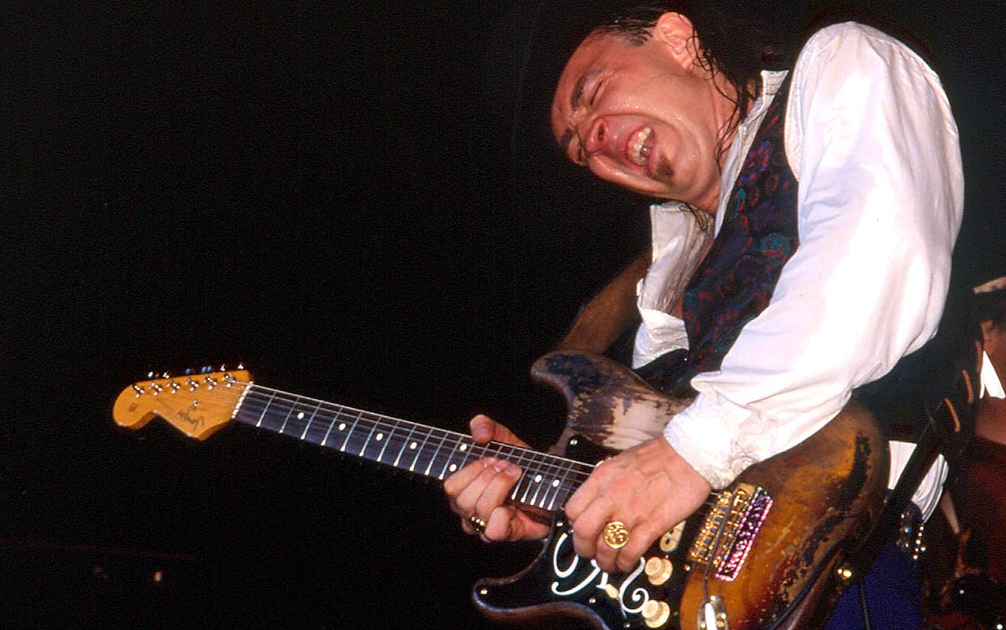
Few guitarists have played the blues with as much fire, emotion, and unmistakable personality as Stevie Ray Vaughan. Armed with a battered Stratocaster, a powerful singing voice, and extraordinary command of tone, he brought electric blues roaring back into popular culture. Songs such as “Pride and Joy,” “Texas Flood,” “Crossfire,” and “Cold Shot” showcase his explosive solos, muscular rhythms, and deep connection to blues tradition. Vaughan could unleash breathtaking speed, yet his greatest strength was the feeling behind every bend, vibrato, and ringing chord. Whether interpreting a classic like “Little Wing” or delivering an original Texas shuffle, he played with complete physical and emotional commitment. His finest recordings remain fierce, soulful, and endlessly influential, preserving the sound of a musician who made the guitar speak with uncommon urgency.
1. Pride and Joy
“Pride and Joy” captures Stevie Ray Vaughan at his most exuberant, blending romantic devotion with a roaring Texas shuffle that immediately announces his musical identity. The narrator celebrates a woman who has transformed his outlook, giving him confidence, purpose, and an almost unstoppable sense of happiness. Vaughan sings with playful authority, moving between affection and swagger without making either quality feel exaggerated. His gritty voice gives the lyric an earthy sincerity that perfectly matches the physical power of his guitar.
The central riff is a masterclass in rhythmic blues playing. Vaughan combines bass movement, chord accents, muted strokes, and sharp lead phrases so naturally that the guitar seems to function as several instruments at once. Tommy Shannon’s bass and Chris Layton’s drums provide a deep swinging foundation, but the groove never feels mechanically fixed. The musicians respond to one another with the flexibility of a seasoned club band, creating constant motion even when the harmonic structure remains familiar.
“Pride and Joy” remains one of Vaughan’s defining recordings because it balances technical brilliance with direct emotional pleasure. The guitar solos are fast, muscular, and filled with expressive bends, yet they never interrupt the song’s central feeling. Every phrase sounds like an extension of the narrator’s excitement. Vaughan understood that blues guitar could display astonishing skill while still serving a memorable vocal performance. The song also introduced countless listeners to the distinctive power of Texas blues, where swing, volume, soul, and rhythmic discipline meet. Decades later, “Pride and Joy” still feels joyful, dangerous, and completely alive, preserving the sound of a guitarist whose personality could be recognized within a single chord.
2. Texas Flood
“Texas Flood” is a slow blues performance of extraordinary emotional and instrumental intensity. Stevie Ray Vaughan sings from the perspective of a man surrounded by relentless rain while his romantic life collapses around him. The weather becomes more than a setting. It reflects the narrator’s isolation, disappointment, and growing certainty that the person he loves no longer wants him. Vaughan delivers the lyric with a wounded roughness, stretching words until they seem to carry the same weight as the dark clouds described in the song.
The guitar performance demonstrates his remarkable understanding of space. Vaughan does not fill every second with notes. He allows phrases to rise, bend, and disappear before answering them with another idea. His heavy vibrato gives sustained notes a vocal quality, while sudden bursts of speed reveal frustration breaking through restraint. Tommy Shannon and Chris Layton remain patient beneath him, providing a slow foundation that gives every guitar entrance dramatic importance. The trio sounds deeply connected, adjusting to changes in volume and timing without losing the mood.
“Texas Flood” remains one of Vaughan’s most celebrated recordings because it shows that virtuosity can strengthen emotional storytelling rather than distract from it. His solos are impressive, but their real value lies in how clearly they communicate despair, anger, and stubborn resilience. The guitar becomes a second narrator, expressing feelings that the lyric can only begin to describe. Vaughan respects the traditions of slow electric blues while bringing his own physical attack and enormous tone to the form. The result feels timeless rather than nostalgic. “Texas Flood” is not simply an exhibition of guitar skill. It is a complete emotional journey in which weather, heartbreak, voice, and instrument become inseparable.
3. Little Wing
“Little Wing” is Stevie Ray Vaughan’s breathtaking instrumental interpretation of a composition associated with Jimi Hendrix. Instead of attempting to reproduce the original arrangement exactly, Vaughan expands its melodic possibilities through blues phrasing, dynamic control, and a deeply personal guitar tone. With no lead vocal to guide the listener, his instrument carries the entire emotional narrative. Each bend, chord, and sustained note suggests tenderness, wonder, longing, and quiet spiritual reflection.
The performance begins with delicacy. Vaughan decorates the chord movement with small melodic figures, allowing the harmony to shimmer before gradually increasing the intensity. His playing combines rhythm and lead so completely that the distinction between them often disappears. Chords contain moving inner voices, while single notes seem to imply the surrounding harmony. As the performance develops, the tone becomes larger and more urgent, yet Vaughan never loses sight of the graceful melody at the heart of the piece.
“Little Wing” remains one of his most admired recordings because it reveals the poetic side of a guitarist often celebrated for volume and speed. Vaughan certainly displays technical command, but the interpretation succeeds through sensitivity. He knows when to strike with force and when to let a note fade into silence. His phrasing feels conversational, as though the guitar is remembering something beautiful that cannot be fully described. The recording also demonstrates how a great interpreter can honor another artist while creating a distinct statement. Vaughan preserves the dreamlike quality of the composition, then filters it through Texas blues, powerful amplification, and his own emotional vocabulary. The result is lyrical, majestic, and intensely human, proving that instrumental music can communicate with the clarity of a great voice.
4. Crossfire
“Crossfire” places Stevie Ray Vaughan inside a tense world of pressure, temptation, conflict, and emotional survival. The narrator feels trapped between competing forces, unable to find a safe direction while trouble closes in from every side. Vaughan’s vocal carries weariness, but it also contains determination. He sounds like someone who has faced damaging circumstances and understands that remaining still may be just as dangerous as moving forward.
The arrangement is built around a muscular groove that differs from the loose shuffle of many earlier Vaughan recordings. Bass, drums, keyboards, and guitar create a firm rhythmic structure, giving the song a polished but still forceful character. Vaughan’s guitar tone remains unmistakable, yet he uses shorter responses and carefully shaped fills rather than dominating every measure. The solo arrives with precision, combining sharp bends, rhythmic repetition, and bursts of speed that reflect the pressure described in the lyric.
“Crossfire” remains popular because it shows Vaughan working confidently within a broader blues rock sound without losing his essential identity. The production is accessible, but the emotional weight remains rooted in the blues. The narrator’s struggle can represent addiction, relationships, social conflict, or any situation where a person feels surrounded by consequences. Vaughan does not offer an easy escape. Instead, he communicates the need to recognize danger and continue fighting for clarity.
The performance also highlights the strength of Double Trouble as a complete ensemble. Every musician contributes to the tension, and the song’s power comes from collective discipline rather than guitar alone. “Crossfire” proves that Vaughan could create a concise, memorable recording while preserving the intensity of his live work. Its groove is immediate, its message is serious, and its guitar lines strike with the precision of warning shots.
5. Cold Shot
“Cold Shot” is a bitterly humorous blues song about discovering that a relationship has become emotionally empty. Stevie Ray Vaughan sings to someone whose affection has disappeared, leaving the narrator confused, rejected, and increasingly aware that he has been treated without compassion. The repeated title describes both the sudden shock of rejection and the cold behavior of the person responsible. Vaughan delivers the complaint with enough wit and swagger to keep the song from sinking into self pity.
The groove is slow, heavy, and wonderfully crooked. Vaughan’s guitar riff drags against the beat in a way that creates tension before each phrase lands. Tommy Shannon and Chris Layton provide a deep foundation, allowing the rhythm to feel relaxed without losing power. Vaughan uses space brilliantly, inserting short guitar responses that sound like sarcastic comments on the vocal. His tone is thick and slightly abrasive, matching the narrator’s wounded pride.
“Cold Shot” remains one of Vaughan’s most recognizable recordings because its emotional idea is so clearly expressed through rhythm. The song does not merely describe disappointment. The entire band sounds disappointed, from the dragging pulse to the sharp guitar accents. Vaughan’s vocal performance is especially effective because he balances hurt with disbelief. He knows the relationship has failed, yet part of him still seems amazed by the other person’s lack of feeling.
The recording also shows that Vaughan did not need long solos to establish his authority. His phrasing, tone, and rhythmic control are present in every measure. Even a brief fill carries his unmistakable personality. “Cold Shot” turns romantic rejection into a groove that listeners can enjoy, transforming pain into something communal, memorable, and strangely satisfying. It is blues storytelling at its most economical and entertaining.
6. The Sky Is Crying
“The Sky Is Crying” finds Stevie Ray Vaughan transforming the natural world into a reflection of personal heartbreak. Rain falls as the narrator watches someone he loves moving away from him, and the image of the crying sky gives enormous scale to an intimate loss. Vaughan sings with a rough, vulnerable tone that makes every phrase feel immediate. He does not perform as a distant observer. He sounds caught inside the storm, unable to separate the weather from his own emotional collapse.
The guitar enters as both companion and witness. Vaughan bends notes slowly, allowing them to ache before releasing the tension. His vibrato is wide and deeply expressive, giving sustained tones the quality of a human cry. The arrangement remains spacious, with bass, drums, and keyboards supporting the mood without crowding it. Each instrumental response seems to extend the lyric, adding shades of sorrow that words alone cannot provide.
“The Sky Is Crying” remains one of Vaughan’s most moving interpretations because he approaches familiar blues imagery with complete conviction. Rain and heartbreak are classic subjects, but his performance makes them feel newly experienced. He uses power carefully, reserving louder passages for moments when restraint can no longer contain the emotion. The guitar solos rise gradually, moving from quiet grief toward something closer to desperation.
The recording also demonstrates Vaughan’s profound connection to blues tradition. He does not treat an older composition as a historical exercise. He inhabits it, reshaping the phrasing and dynamics through his own personality while preserving its emotional core. “The Sky Is Crying” feels timeless because sorrow, weather, memory, and music become part of the same landscape. Vaughan makes the listener feel every drop.
7. Couldn’t Stand the Weather
“Couldn’t Stand the Weather” is a powerful meditation on instability, human weakness, and the forces that can test relationships and communities. Stevie Ray Vaughan uses changing weather as a metaphor for emotional pressure. People may appear dependable while circumstances remain comfortable, but difficulty reveals who can endure and who will disappear. The lyric carries suspicion and disappointment, suggesting that some bonds collapse as soon as the atmosphere becomes challenging.
The arrangement begins with a distinctive rhythmic guitar pattern that feels tense, circular, and slightly unpredictable. Vaughan combines clipped chords with heavier accents, creating a groove that seems to shift beneath the listener. Tommy Shannon’s bass adds weight, while Chris Layton’s drumming gives the track a disciplined drive. The band moves together with remarkable precision, allowing Vaughan to alternate between vocal lines, rhythm figures, and explosive lead passages without disrupting the structure.
“Couldn’t Stand the Weather” remains a central Vaughan recording because it demonstrates his ability to create an original blues rock composition with unusual rhythmic character. The song is not simply a platform for soloing. Its riff, lyric, and arrangement share the same atmosphere of gathering pressure. Vaughan’s guitar tone is fierce, but his control is equally impressive. He can move from tight rhythmic playing to soaring bends within seconds, then return to the groove as though nothing has shifted.
The weather metaphor gives the song lasting relevance. Everyone encounters periods when circumstances test loyalty, patience, and personal strength. Vaughan recognizes that hardship does not always create weakness. Often, it reveals what was already present. The recording captures that realization with muscular rhythm, sharp observation, and a guitar performance that seems capable of summoning the storm it describes.
8. Lenny
“Lenny” reveals Stevie Ray Vaughan’s most tender instrumental voice. Rather than relying on aggressive riffs, rapid runs, or a driving blues shuffle, he creates a slow and affectionate musical portrait through clean guitar tone, spacious chords, and melodies that seem to unfold like private thoughts. The piece feels intimate from its opening notes, inviting the listener into a quieter emotional world where subtle changes in touch carry enormous meaning.
Vaughan allows chords to ring fully, often decorating them with gentle melodic movement. His use of volume and tone creates a soft glow around the instrument, while bass and drums remain restrained beneath him. The rhythm does not push the performance toward a destination. It provides a calm foundation where each phrase can breathe. Vaughan’s bends are controlled and lyrical, expressing warmth rather than anguish. Even when his playing becomes more elaborate, the mood remains reflective.
“Lenny” remains beloved because it challenges the narrow idea that Vaughan’s greatness depended only upon power. His sensitivity is present in every pause and sustained note. He understands that tenderness requires discipline, since one unnecessary phrase could disturb the atmosphere. The guitar speaks in complete sentences, moving between gratitude, longing, affection, and peaceful contemplation without the need for lyrics.
The recording also shows how personal instrumental music can feel. Listeners do not need to know the precise circumstances behind the composition to recognize its emotional sincerity. It communicates the experience of caring deeply for someone and wanting to preserve that feeling in sound. “Lenny” is graceful, vulnerable, and beautifully restrained, offering a quiet counterweight to Vaughan’s more explosive performances. It proves that his touch could whisper as convincingly as it could roar.
9. Riviera Paradise
“Riviera Paradise” is a sophisticated instrumental that blends blues expression, jazz harmony, and slow nocturnal atmosphere. Stevie Ray Vaughan moves beyond the familiar structure of a vocal blues song and creates a spacious composition built from melody, chord color, and gradual development. The performance feels like a late evening conversation in a nearly empty room, where every note receives time to settle before the next thought appears.
Vaughan’s guitar tone is warm and clear, allowing the details of his phrasing to remain visible. He moves through graceful chord changes with sensitivity, then introduces melodic lines that seem to float above the rhythm section. Reese Wynans contributes keyboard textures that deepen the jazz character, while Tommy Shannon and Chris Layton maintain a patient foundation. The musicians never rush the performance. Their restraint creates tension because the listener becomes attentive to every small movement.
“Riviera Paradise” remains one of Vaughan’s most respected compositions because it reveals the breadth of his musical imagination. He could certainly dominate a fast blues shuffle, but here he demonstrates harmonic awareness, melodic patience, and a remarkable ability to shape long instrumental passages. The guitar solo grows naturally from the mood rather than arriving as a separate display of technique. Vaughan allows silence, sustain, and subtle dynamic changes to carry as much importance as speed.
The piece also communicates serenity without becoming emotionally neutral. Beneath its beauty lies a gentle melancholy, as though the paradise suggested by the title may exist only briefly. Vaughan turns that uncertainty into a rich musical landscape. “Riviera Paradise” rewards careful listening, revealing new details in the interaction between guitar, keyboards, bass, and drums each time it plays.
10. Voodoo Child Slight Return
“Voodoo Child Slight Return” became one of Stevie Ray Vaughan’s most electrifying showcases, allowing him to honor Jimi Hendrix while unleashing the full physical force of his own guitar style. The famous opening effect creates an immediate sense of movement, as though the instrument is circling the listener before the main riff arrives. Vaughan attacks the song with confidence, but his performance is more than imitation. He absorbs the composition and reshapes it through Texas blues phrasing, massive tone, and relentless rhythmic drive.
His vocal is rough and commanding, matching the supernatural confidence of the lyric. The narrator presents himself as a force capable of bending the world around him, and Vaughan’s guitar makes that claim believable. Chords strike with enormous weight, while lead lines leap across the instrument in sudden bursts. Double Trouble provides a powerful foundation, remaining responsive even when Vaughan stretches the timing or pushes the dynamics toward chaos.
“Voodoo Child Slight Return” remains one of Vaughan’s most popular live performances because it captures the excitement of a guitarist operating at the edge of control. Speed, volume, feedback, bends, and rhythmic accents arrive in overwhelming waves, yet the underlying structure never disappears. Vaughan understands the drama of the composition and builds the performance through contrast, moving between heavy riffs, vocal passages, and extended improvisation.
The interpretation also demonstrates the creative relationship between influence and individuality. Vaughan openly admired Hendrix, but he did not erase his own voice while performing the song. His thicker attack, Texas swing, and blues vocabulary create a distinct experience. The result is both tribute and transformation, preserving the adventurous spirit of the original while revealing the unmistakable personality of Stevie Ray Vaughan.

Edward Tomlin is a frequent contributor to Singers Room. Since 2005, Singersroom has been the voice of R&B around the world. Connect with us via social media below.
Source link
