
Pop/Hip Hop/R&B
10 Best John Lee Hooker Songs of All Time
Jul
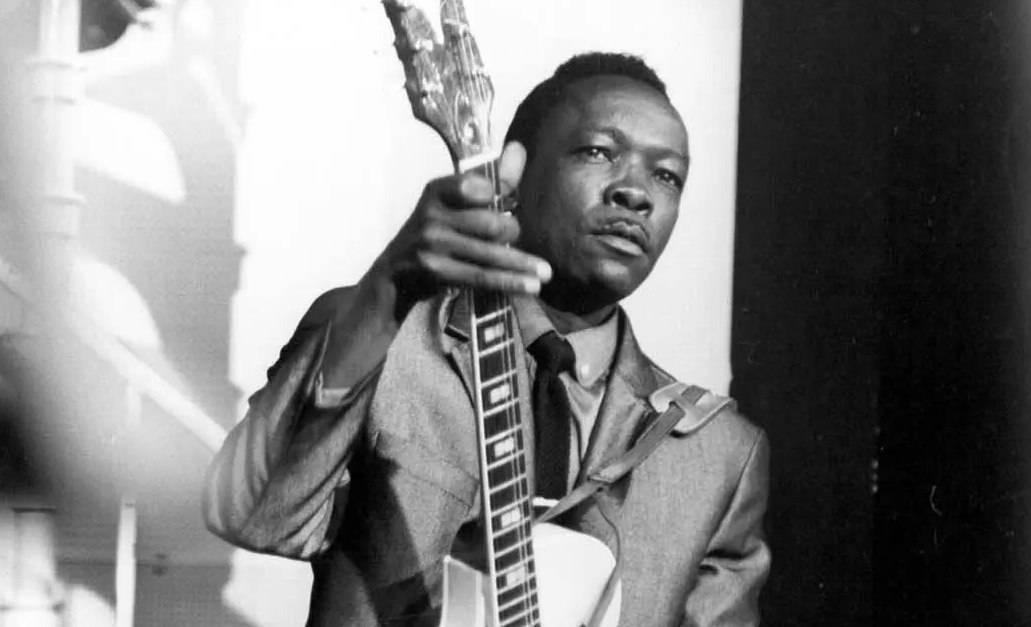
Few blues musicians created a sound as hypnotic, raw, and instantly recognizable as John Lee Hooker. With his rumbling voice, pounding guitar rhythms, and fiercely independent sense of timing, he transformed the blues into something both ancient and electrifying. Songs such as “Boom Boom,” “Boogie Chillen,” “One Bourbon, One Scotch, One Beer,” and “I’m in the Mood” reveal his gift for turning simple riffs into powerful musical experiences. Hooker rarely needed elaborate arrangements because his voice, foot stomps, and guitar could generate an entire world of tension and groove. His performances carried loneliness, desire, humor, danger, and working class resilience with remarkable authenticity. Decades later, his greatest recordings remain deeply influential, connecting Delta blues traditions with electric boogie and inspiring generations of rock, soul, and blues musicians.
1. Boom Boom
“Boom Boom” is the John Lee Hooker song most likely to seize a room within its opening seconds. Its central guitar figure is compact, sharp, and rhythmically irresistible, creating the feeling of a warning delivered with a smile. Hooker sings to a woman whose walk, appearance, and confident behavior have captured his complete attention. Rather than presenting attraction through elegant poetry, he uses physical language, repetition, and explosive vocal sounds. The title becomes the noise of desire arriving suddenly and upsetting every attempt at composure.
The full band arrangement gives the recording unusual brightness without weakening Hooker’s raw personality. Drums strike with crisp authority, bass keeps the groove moving, and the guitar answers the vocal with short phrases that feel like part of the conversation. Hooker never follows a rigid rhythmic path. He stretches lines, enters where instinct tells him, and makes the musicians respond to his unusual sense of time. That freedom creates excitement because the performance always feels close to breaking loose.
“Boom Boom” became one of the most widely recognized blues recordings because it combines direct songwriting with a groove that rock musicians could immediately understand. The Animals and many later performers embraced it, yet Hooker’s delivery remains unmatched in its mixture of amusement, hunger, and authority. He does not sound overwhelmed by attraction. He sounds fascinated by its power and ready to answer it. The song is concise, but every repeated phrase adds intensity. Its guitar sound, vocal personality, and danceable rhythm form a perfect introduction to Hooker’s world, where a small musical idea can grow into something enormous through repetition, timing, and sheer presence.
2. Boogie Chillen
“Boogie Chillen” is the foundation upon which much of John Lee Hooker’s reputation rests. The recording feels less like a carefully arranged composition than a direct transmission of rhythm from body to guitar. Hooker begins by telling a simple story about arriving in Detroit and discovering a place where the music continues late into the night. His mother may disapprove, but the pull of the boogie is stronger than caution. By the time he repeats the central phrase, the listener understands that dancing is not merely entertainment. It is freedom, identity, and release.
The guitar pattern is hypnotic because Hooker treats rhythm as something flexible rather than mechanical. He stamps the beat, strikes the strings, and allows phrases to expand according to the emotion of the moment. There is no need for a large ensemble. His voice, guitar, and physical pulse create enough momentum to suggest an entire band. The roughness of the recording adds to its authority. Every vibration feels close, immediate, and connected to the floor beneath him.
“Boogie Chillen” remains essential because it helped define the endless boogie groove that later became central to electric blues and rock music. Hooker proved that one repeating idea could generate tremendous excitement when performed with conviction and rhythmic imagination. The song also captures migration, urban discovery, and the experience of finding community through music. Detroit becomes a place where Southern blues feeling meets industrial energy and crowded nightlife. Hooker does not explain that transformation academically. He lets the rhythm demonstrate it. The recording still sounds alive because it invites listeners to enter the same room, feel the same floor shaking, and understand why going home early was never a serious possibility.
3. One Bourbon, One Scotch, One Beer
“One Bourbon, One Scotch, One Beer” is John Lee Hooker’s great performance about hardship, rent trouble, loneliness, and the temporary comfort found at the end of a bar. The narrator has lost his job, fallen behind on payments, and discovered that sympathy disappears quickly when money runs out. Hooker tells the story in an unhurried voice, allowing every setback to accumulate before the famous drink order finally arrives. By that point, the audience understands that the alcohol represents more than celebration. It is an attempt to quiet humiliation and exhaustion for a few hours.
The performance gains power from Hooker’s conversational timing. He does not rush toward the refrain. He talks, pauses, remembers, and lets the guitar underline important moments. His phrasing makes the story feel spontaneous, as though the listener has taken the next seat and asked why he looks troubled. When the band settles into the drinking section, repetition provides relief. The problems remain unresolved, but the groove offers a temporary space where the narrator can breathe.
“One Bourbon, One Scotch, One Beer” remains popular because it joins social reality with humor and musical pleasure. Financial difficulty, housing insecurity, and romantic disappointment could produce a completely bleak song, yet Hooker finds resilience inside the telling. The narrator may be defeated materially, but he still controls the story and commands attention. Later performers expanded the arrangement, but Hooker’s version retains the deepest sense of lived experience. His voice makes every complaint believable without asking for pity. The song understands that people often survive difficult periods by turning them into stories, sharing them with strangers, and finding one small ritual that makes the night easier to endure.
4. I’m in the Mood
“I’m in the Mood” is one of John Lee Hooker’s most hypnotic expressions of romantic desire. The song does not depend upon a detailed narrative because the emotional situation is already clear. The narrator wants closeness, and the repeating title communicates that need with increasing intensity. Hooker turns a small set of words into a complete atmosphere, using vocal tone, rhythm, and repetition to suggest anticipation that has grown too strong for elaborate explanation.
The performance with Bonnie Raitt adds a rich conversational quality. Their voices possess different textures, yet both understand how to remain inside the groove without forcing it. Hooker sounds rough, patient, and deeply grounded. Raitt answers with warmth and blues authority, creating a meeting between two artists who respect space as much as sound. Guitar phrases circle around the singers, while the rhythm section maintains a slow pulse that allows every glance and pause to feel meaningful.
“I’m in the Mood” endures because it demonstrates Hooker’s ability to make repetition emotionally dynamic. The same declaration can sound confident, pleading, playful, or urgent depending upon how he places it. He never requires complicated harmonic movement to create development. The feeling changes because the performance changes. Each return draws the listener further into the narrator’s state of mind. The song is sensual without becoming overly polished, preserving the earthy directness at the center of Hooker’s blues. Its later duet treatment also revealed how naturally his music could welcome another strong personality. Rather than competing, Hooker and Raitt deepen the mood together, creating a performance built from mutual attention, restrained heat, and the timeless power of a desire stated plainly.
5. Dimples
“Dimples” is a playful portrait of fascination, built around the pleasure of noticing small details in another person. John Lee Hooker’s narrator is captivated by the way a woman walks, moves, smiles, and carries herself. The famous facial feature in the title becomes the final detail that makes her impossible to ignore. Hooker approaches the subject with delight rather than anguish. His performance sounds like a man enjoying the experience of attraction, even if he has no certainty that the woman feels the same way.
The guitar riff is bright, compact, and full of forward motion. Rather than surrounding the vocal with a dense arrangement, the musicians leave open space for Hooker’s unusual phrasing. He enters and exits lines according to instinct, allowing the groove to bend around him. His voice contains laughter, admiration, and a little disbelief. Each verse adds another observation, making the listener feel as though the woman has just crossed the room and Hooker is pointing out exactly why every head has turned.
“Dimples” became a blues standard because its musical character is as appealing as its subject. The riff invites dancing, while the lyric remains easy to understand and remember. British blues groups recognized its rock potential, but Hooker’s original performance carries a looseness that later versions often struggle to reproduce. His timing is never careless. It is personal, shaped by decades of hearing rhythm as conversation rather than measurement. The song also shows his humor. Desire does not always need to become tragedy or obsession. Sometimes it begins with the simple joy of watching someone move confidently through the world. Hooker captures that moment with warmth, wit, and one of the most infectious grooves in his catalog.
6. Crawlin’ King Snake
“Crawlin’ King Snake” allows John Lee Hooker to inhabit one of the oldest and most powerful symbolic figures in the blues. The snake represents sexuality, danger, freedom, patience, and masculine authority. Hooker does not describe the animal from a distance. He becomes it, announcing that he moves according to his own desire and cannot be easily controlled. His low voice gives the image enormous weight, making every repeated declaration sound ancient and personal at once.
The arrangement moves with slow, deliberate tension. Guitar notes bend and hover, leaving silence between phrases so the listener can feel the threat inside the stillness. Hooker never needs to increase the tempo to create excitement. His restraint is the source of power. The narrator observes, waits, and advances only when the moment is right. That sense of patience distinguishes the performance from more aggressive blues songs. The danger lies in certainty rather than speed.
“Crawlin’ King Snake” remains influential because it demonstrates how blues performers could transform traditional material through personality. The central image existed before Hooker recorded it, but his voice and timing made the song inseparable from his identity. Later rock groups found inspiration in its dark atmosphere, yet Hooker’s version retains a primitive intensity that cannot be manufactured through volume alone. He understands the dramatic value of repetition and space. Each return of the title strengthens the persona until the singer seems larger than the recording itself. The song is sensual, intimidating, and strangely meditative. It captures Hooker’s gift for reducing music to a few essential elements, then using those elements to create a complete world of shadow, instinct, and unstoppable movement.
7. It Serves You Right to Suffer
“It Serves You Right to Suffer” is one of John Lee Hooker’s starkest examinations of regret and emotional consequence. The title initially sounds like a harsh judgment directed toward another person, but the performance gradually reveals a more complicated emotional landscape. The narrator understands suffering because he has experienced it himself. His accusation contains bitterness, yet it also suggests recognition. Pain has become something shared by people who have disappointed, abandoned, or misunderstood one another.
Hooker sings with a weary authority that makes every phrase feel earned. The arrangement develops slowly, allowing guitar, bass, drums, and organ to create a heavy atmosphere. Nothing moves quickly because the emotion does not permit escape. The groove circles like a thought that returns despite every effort to dismiss it. Hooker’s guitar offers short responses rather than decorative solos, reinforcing the feeling that the narrator has reduced his world to one unavoidable truth.
“It Serves You Right to Suffer” remains powerful because it refuses simple moral comfort. The narrator may believe another person deserves pain, but his own loneliness prevents the judgment from feeling victorious. Revenge offers no release. Both people remain trapped inside the damage created by the relationship. Hooker’s performance captures that contradiction with remarkable economy. His rough voice can sound accusing in one moment and defeated in the next. The song also demonstrates how effectively he could work within a fuller jazz influenced setting without losing the directness of his blues. Every instrument deepens the emotional weight while leaving his presence at the center. The result is a slow, dark meditation on the way resentment can keep people connected long after love has failed.
8. Hobo Blues
“Hobo Blues” captures John Lee Hooker alone with movement, loneliness, and the uneasy freedom of a life without permanent roots. The narrator travels because remaining in one place feels impossible, yet the road does not provide complete comfort. Hooker sings as someone drawn toward departure even when he understands its cost. Home, love, and stability remain attractive ideas, but wandering has become part of his identity. That contradiction gives the song emotional depth beyond its simple structure.
The guitar creates a steady pulse that resembles footsteps or the rhythm of a train. Hooker’s voice moves freely across it, sometimes speaking and sometimes singing. His timing makes the performance feel unplanned, but every hesitation strengthens the story. He seems to be choosing words while remembering roads already traveled. The open spaces between phrases suggest distance, empty rooms, and long stretches of time with no companion except the instrument in his hands.
“Hobo Blues” remains compelling because Hooker turns solitude into a physical musical experience. The listener can feel the independence of the wandering life, but also the emotional weariness beneath it. He does not romanticize poverty or displacement. His narrator possesses freedom, yet that freedom may be partly an inability to stay. The song belongs to a long blues tradition of trains, roads, and leaving, but Hooker’s performance makes the experience unmistakably personal. His guitar becomes transportation, memory, and company. The recording requires no elaborate production because its intimacy is the point. It places the listener beside a traveler who may never find a final destination, yet continues moving because the road feels more familiar than any home he has known.
9. The Healer
“The Healer” is John Lee Hooker’s triumphant declaration that the blues possesses restorative power. Rather than presenting the music only as an expression of sadness, the song describes it as medicine capable of easing loneliness, confusion, and emotional pain. Hooker delivers the central idea with complete conviction. His voice carries decades of experience, making the claim sound less like a slogan than a truth discovered through survival.
Carlos Santana’s guitar brings a luminous quality to the performance. His sustained notes rise above the groove like flashes of color, while Hooker remains grounded in a deep rhythmic pattern. The contrast between their styles creates the song’s special energy. Santana reaches outward with singing lead lines, while Hooker pulls the music downward toward the earth. Neither musician overwhelms the other. Their interaction demonstrates how the blues can welcome different generations and guitar languages without losing its identity.
“The Healer” became central to Hooker’s late career revival because it presented him as a living creative force rather than a historical figure. The recording honors his established sound while placing it within a spacious modern production. Hooker sounds energized by the collaboration, repeating the title with increasing authority. The idea of music as healing also explains the lasting appeal of his entire catalog. His songs rarely promise that trouble will disappear. Instead, they create a groove strong enough to help people carry it. Pain becomes rhythm, isolation becomes communication, and memory becomes shared experience. “The Healer” celebrates that transformation openly, giving Hooker one of the most positive and commanding statements of his long career.
10. Chill Out
“Chill Out” presents John Lee Hooker as a seasoned observer advising patience during a period of emotional strain. The narrator understands that worry can consume a person, yet he also knows that panic rarely improves difficult circumstances. His repeated instruction is not casual indifference. It comes from someone who has lived through enough trouble to recognize that change often arrives slowly. Hooker’s voice gives the phrase warmth, humor, and credibility.
Carlos Santana adds expressive guitar lines that surround Hooker without disturbing the relaxed center of the song. The arrangement moves at an easy pace, supported by bass, drums, keyboards, and subtle background textures. Hooker sings behind the beat, leaving room for the instruments to answer him. That spaciousness reinforces the message. The music itself refuses to hurry. Every phrase encourages the listener to release tension and trust the groove.
“Chill Out” remains one of Hooker’s most accessible later recordings because it transforms practical wisdom into a rich blues performance. The song does not deny hardship or offer a magical solution. Things may change, but the narrator cannot guarantee exactly when or how. What he can offer is perspective. Fear becomes easier to manage when shared through music, and uncertainty feels less overwhelming inside a steady rhythm. Hooker’s collaboration with Santana also demonstrates the broad reach of his style. His basic musical language remains intact even within a polished contemporary arrangement. The rough voice, patient timing, and repeating guitar foundation still define the experience. “Chill Out” closes the distance between old blues wisdom and modern production, creating a song that feels comforting without becoming sentimental.

Edward Tomlin is a frequent contributor to Singers Room. Since 2005, Singersroom has been the voice of R&B around the world. Connect with us via social media below.
Source link
