
-
×
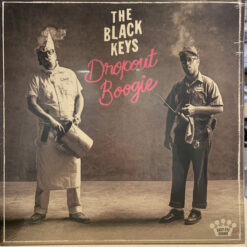 The Black Keys "Dropout Boogie"
1 × $35.00
The Black Keys "Dropout Boogie"
1 × $35.00 -
×
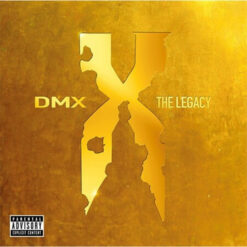 DMX "The Legacy"
1 × $45.00
DMX "The Legacy"
1 × $45.00 -
×
 Notorious B.I.G. "Greatest Hits"
1 × $45.00
Notorious B.I.G. "Greatest Hits"
1 × $45.00 -
×
 Swedish House Mafia "Paradise Again" (Indie. Excl.)
1 × $62.00
Swedish House Mafia "Paradise Again" (Indie. Excl.)
1 × $62.00
Pop/Hip Hop/R&B
10 Best Judas Priest Songs of All Time
23
Jun
Jun
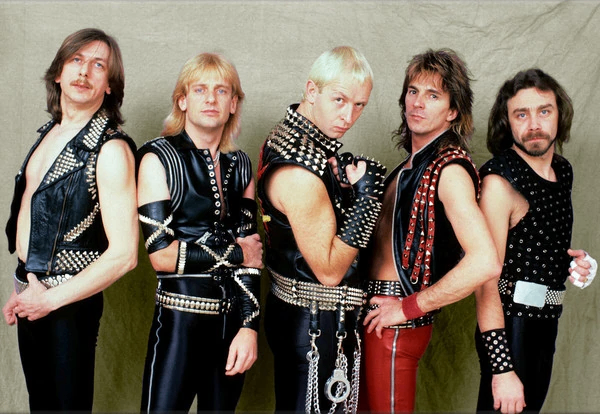
Judas Priest helped define the sound, style, and spirit of heavy metal, creating a catalog filled with thunderous riffs, soaring vocals, and unforgettable anthems that have inspired generations of rock fans. Emerging from England during the rise of metal, the band forged a distinctive identity through the twin guitar attack of Glenn Tipton and K.K. Downing, the commanding voice of Rob Halford, and a relentless commitment to musical power and innovation. Their songs explored themes of rebellion, freedom, strength, fantasy, and perseverance while constantly pushing the boundaries of the genre. From arena shaking classics to speed metal pioneers and emotional power ballads, Judas Priest built a legacy that continues to influence countless artists around the world. The most popular Judas Priest songs showcase the band’s remarkable ability to combine technical excellence, memorable songwriting, and pure heavy metal intensity into timeless recordings.
1. Breaking The Law
Breaking The Law is one of Judas Priest’s most recognizable songs, a compact heavy metal anthem that turned frustration, rebellion, and working class anger into an unforgettable riff. Released on British Steel, the track helped bring the band to a wider audience by proving that metal could be direct, catchy, and still full of attitude. The main guitar riff is simple but absolutely commanding, cutting through the song with a sense of tension and urgency. It does not waste a note. It grabs the listener immediately and never lets go.
Rob Halford’s vocal performance gives the song its personality. He sings with a controlled intensity that makes the narrator sound pushed to the edge by boredom, pressure, and social disappointment. The lyric is not simply about crime in a literal sense. It captures the feeling of being trapped by circumstances until defiance begins to feel like the only possible response. That emotional directness helped make Breaking The Law a classic among metal fans and casual rock listeners alike. The song’s famous music video also strengthened its identity, giving Judas Priest a memorable visual statement during a crucial era for hard rock exposure. Decades later, Breaking The Law remains powerful because it is lean, memorable, and instantly communal. It is the sound of heavy metal stripped to its most efficient form, built from riff, voice, attitude, and rebellion.
2. You’ve Got Another Thing Comin’
You’ve Got Another Thing Comin’ is one of Judas Priest’s greatest arena metal triumphs, a song that captures confidence, determination, and pure hard rock momentum. Released from Screaming For Vengeance, it became one of the band’s biggest crossover hits because it combines heavy metal force with a chorus that feels built for mass participation. The riff is muscular and steady, the rhythm drives forward with confidence, and Rob Halford’s vocal performance is full of command. He sounds like a man refusing defeat, daring the world to underestimate him.
The song’s appeal lies in its sense of forward motion. It does not dwell in darkness or fantasy. Instead, it celebrates willpower, ambition, and the refusal to accept limitations. That message gave the track a broad reach beyond traditional metal circles. It became a motivational anthem without losing its metallic edge. Glenn Tipton and K.K. Downing provide crisp, powerful guitar work that gives the song its backbone, while the rhythm section keeps the groove tight and accessible. You’ve Got Another Thing Comin’ remains one of Judas Priest’s most popular songs because it perfectly balances heaviness and melody. It is fierce enough for metal purists, catchy enough for radio, and timeless enough to remain a live favorite. The song represents Judas Priest at their most confident, turning hard rock swagger into a lasting statement of personal power.
3. Painkiller
Painkiller is one of Judas Priest’s most ferocious songs, a blistering metal masterpiece that reintroduced the band with astonishing speed, precision, and power. From the opening drum assault, the track announces itself as something extreme, futuristic, and uncompromising. Scott Travis’s rapid fire drumming gives the song a level of intensity that pushed Judas Priest into a more aggressive era, while the guitars unleash riffs and solos that feel sharpened to a lethal edge. It is one of the clearest examples of the band’s ability to evolve while remaining unmistakably themselves.
Rob Halford’s vocal performance is legendary. His screams reach almost superhuman heights, matching the apocalyptic imagery of the lyric and giving the song a dramatic force that few metal singers could approach. The character of the Painkiller feels like a mythic savior roaring through a broken world, and the music fully supports that vision. Everything about the song feels larger than life. The guitar solos are dazzling, the rhythm is relentless, and the production gives every instrument a metallic shine. Painkiller became one of Judas Priest’s most beloved songs because it proved that the band could still sound dangerous, modern, and hungry after decades of innovation. It is not merely fast for the sake of speed. It is carefully constructed chaos, combining technical excellence with theatrical intensity. For many fans, Painkiller stands as one of the greatest pure heavy metal songs ever recorded.
4. Living After Midnight
Living After Midnight is Judas Priest at their most accessible, celebratory, and irresistibly fun. Released on British Steel, the song became a defining hard rock anthem because it distilled the excitement of nightlife, freedom, and rock and roll excess into a tight, memorable package. The riff is bright and punchy, the rhythm swings with confidence, and the chorus is built for crowds to sing at full volume. While some Judas Priest songs lean into dark fantasy or intense speed, this track captures the band in party mode without sacrificing their heavy metal identity.
Rob Halford delivers the vocal with playful authority. He sounds energized rather than menacing, inviting listeners into a world of loud music, late nights, and unapologetic release. The song’s simplicity is part of its brilliance. It does not need elaborate storytelling or complex structure to make its point. It thrives on feel, hook, and attitude. Glenn Tipton and K.K. Downing keep the guitar work sharp and economical, proving that a metal song can be powerful without being overly complicated. Living After Midnight became a major favorite because it speaks to the communal joy of rock culture. It is about staying out, turning up the volume, and refusing to live by ordinary schedules. Decades later, it remains one of Judas Priest’s most beloved songs because it captures the pure pleasure of heavy music as celebration.
5. Electric Eye
Electric Eye is one of Judas Priest’s most powerful and prophetic songs, a sharp metal warning about surveillance, control, and the loss of privacy. Opening with the instrumental build of The Hellion, the track moves into one of the band’s most commanding riffs, creating a cold and futuristic atmosphere. The song’s theme has only grown more relevant with time, as technology and observation have become central parts of modern life. Judas Priest captured that fear with striking clarity, long before digital surveillance became an everyday concern.
Rob Halford sings from the perspective of the watching machine, which gives the song its chilling character. His vocal sounds authoritative, distant, and almost mechanical, turning the lyric into a declaration of power from above. The guitars are precise and metallic, with Glenn Tipton and K.K. Downing creating a sense of disciplined menace. The rhythm section keeps everything tight, allowing the song to move with sleek, unstoppable force. Electric Eye remains popular because it combines classic Judas Priest heaviness with a concept that still feels urgent. It is not only a great metal song. It is a piece of science fiction shaped into riff driven form. The track shows the band’s intelligence as songwriters, proving they could create music that was thrilling, memorable, and thematically rich. Its warning continues to echo because the eye in the sky feels closer than ever.
6. Hell Bent For Leather
Hell Bent For Leather is one of Judas Priest’s most iconic statements of speed, style, and heavy metal identity. The song captures the band’s leather clad image in full force, linking roaring momentum with an attitude of danger and independence. It is short, sharp, and charged with adrenaline, built around a riff that feels like a motorcycle engine tearing through the night. The track helped solidify the visual and musical language that would become central to Judas Priest’s legend.
Rob Halford’s performance is commanding and theatrical, yet focused. He gives the song a sense of heroic motion, as though the narrator is racing toward freedom with no interest in slowing down. The guitar work is tight and driving, with Glenn Tipton and K.K. Downing delivering the twin attack that made Priest such a model for later metal bands. The rhythm section keeps the song moving with direct force, making every second feel purposeful. Hell Bent For Leather remains popular because it distills the essence of Judas Priest into one compact blast. It has speed, attitude, imagery, and a chorus that feels made for the stage. The song also represents the band’s role in shaping metal fashion and performance style. When Halford famously rode a motorcycle onto the stage, the connection between song, image, and identity became permanent. Hell Bent For Leather is pure heavy metal mythology in motion.
7. Turbo Lover
Turbo Lover is one of Judas Priest’s most distinctive songs, a sleek and seductive metal track that embraced synthesizer textures, polished production, and futuristic atmosphere. Released during the Turbo era, the song marked a bold shift in the band’s sound, bringing a glossy sense of motion that reflected the mid eighties fascination with technology, speed, and neon powered style. While some listeners were surprised by the change, the song has endured because its mood is so strong and its hook is so memorable.
The track moves with a slow, mechanical confidence, creating a sense of controlled power rather than frantic aggression. Rob Halford’s vocal performance is smooth, commanding, and sensual, perfectly matching the song’s blend of desire and machinery. The guitars retain Priest’s metallic edge, but the arrangement adds a modern sheen that separates Turbo Lover from the band’s earlier classics. Its atmosphere is almost cinematic, suggesting highways, engines, night skies, and electricity. The song became a fan favorite because it shows Judas Priest taking a risk while still maintaining their identity. Beneath the production style, the band remains focused on strong melody, powerful rhythm, and dramatic presentation. Turbo Lover stands as one of their most memorable songs because it captures a particular era with complete commitment. It is metal as chrome, speed, romance, and machine dream, delivered with unmistakable Judas Priest authority.
8. Victim Of Changes
Victim Of Changes is one of Judas Priest’s most dramatic early epics, a song that helped establish the band’s reputation for emotional range, heavy riffs, and ambitious structure. Before Priest became known for the streamlined metal anthems of later years, this track revealed their ability to build extended pieces full of shifting moods and theatrical intensity. The song moves through sorrow, anger, tension, and explosive release, giving Rob Halford a vast emotional landscape to command.
Halford’s vocal performance is one of the recording’s defining features. He moves from restrained passages to piercing high notes with remarkable control, turning the lyric’s pain and instability into something almost operatic. The guitar work is equally important, with heavy riffs and expressive leads that show the band’s early connection to blues based hard rock while pointing toward the sharper metal style they would soon perfect. Victim Of Changes remains popular among devoted fans because it captures Judas Priest in a formative but already powerful state. The song has weight, complexity, and emotional drama, proving that metal could be more than speed or volume. It could be narrative, dynamic, and deeply expressive. As a live showcase, it became one of the band’s most revered pieces, allowing every member to demonstrate power and control. Victim Of Changes stands as a cornerstone of classic heavy metal evolution.
9. Heading Out To The Highway
Heading Out To The Highway is one of Judas Priest’s great songs of freedom, movement, and self determination. Released on Point Of Entry, the track has a more open road feeling than some of the band’s darker or heavier material, but it still carries a strong metal backbone. The riff is confident and driving, suggesting the rush of leaving limitations behind and choosing one’s own direction. It is a song about possibility, risk, and the emotional release that comes from motion.
Rob Halford’s vocal performance gives the track its sense of purpose. He sings with clarity and conviction, making the highway feel like both a literal road and a symbol of independence. The guitars from Glenn Tipton and K.K. Downing are crisp and melodic, giving the song a polished hard rock edge while maintaining Priest’s unmistakable sound. Heading Out To The Highway became a popular fan favorite because it captures a universal desire to break away from routine and move toward something unknown. It is less apocalyptic than Painkiller and less rebellious than Breaking The Law, but it carries its own kind of power. The song’s optimism is muscular, not soft. It celebrates choice, action, and forward momentum. Within the Judas Priest catalog, it stands as one of the band’s finest road anthems, built for loud speakers, open spaces, and the thrill of deciding where life goes next.
10. Metal Gods
Metal Gods is one of Judas Priest’s most defining songs, both musically and symbolically. The title has become closely tied to the band’s identity, and for good reason. The track sounds like heavy metal machinery coming to life, built from stomping rhythm, grinding riffs, and a vocal performance that suggests power beyond human scale. Released on British Steel, the song helped establish Priest as not merely participants in the metal movement, but architects of its sound and mythology.
The arrangement is deliberately mechanical, with clanking percussion effects and a steady, imposing pace that gives the song a sense of industrial weight. Rob Halford sings with commanding force, turning the image of metal gods into something both theatrical and strangely believable. The guitars are sharp and controlled, emphasizing heaviness through precision rather than chaos. Metal Gods remains popular because it captures the self mythologizing power of heavy metal. It creates a world where sound becomes armor, machines become symbols, and the band itself seems to stand at the center of a metallic universe. The song is not as fast as some of Priest’s later classics, but its heaviness comes from atmosphere, rhythm, and attitude. As a concert staple and fan favorite, Metal Gods endures because it feels like a declaration. Judas Priest did not just play heavy metal. They helped define what the term could mean.

Edward Tomlin is a frequent contributor to Singers Room. Since 2005, Singersroom has been the voice of R&B around the world. Connect with us via social media below.
Source link
