
Pop/Hip Hop/R&B
15 Best Opera Singers of All Time
Jun
Opera has produced some of the most extraordinary voices ever heard, combining breathtaking vocal power, dramatic storytelling, and technical mastery that can fill grand theaters without amplification. The greatest opera singers have captivated audiences for generations through unforgettable performances of beloved works by composers such as Verdi, Puccini, Mozart, Wagner, and Rossini. Their voices possess a rare combination of strength, beauty, emotion, and precision, transforming complex musical passages into deeply moving experiences. From legendary tenors and sopranos to celebrated baritones and mezzos, these artists have become cultural icons whose recordings continue to inspire music lovers around the world. The most popular opera singers of all time represent the pinnacle of vocal artistry, leaving behind performances that remain timeless examples of human expression at its most powerful and elegant.
1. Luciano Pavarotti
Luciano Pavarotti remains one of the most beloved opera singers of all time, a tenor whose golden voice brought opera to millions of listeners who might never have entered an opera house. Born in Modena, Italy, Pavarotti became famous for his radiant tone, thrilling high notes, generous personality, and unmatched ability to make Italian opera feel emotionally immediate. His most celebrated performances include Nessun Dorma, La Donna È Mobile, Che Gelida Manina, O Sole Mio, and Una Furtiva Lagrima. He was especially admired in works by Puccini, Verdi, Donizetti, and Bellini, where his voice could shine with both sweetness and heroic brilliance. Nessun Dorma became Pavarotti’s signature aria and one of the most recognized opera performances in history. His interpretation from Puccini’s Turandot carries hope, grandeur, and emotional certainty, building toward a final note that feels like pure triumph. Luciano Pavarotti became popular because he made opera sound accessible without making it smaller. His diction was clear, his phrasing natural, and his tone instantly recognizable. Through the Three Tenors concerts with Plácido Domingo and José Carreras, he helped turn opera into a global televised event. Yet his greatest legacy remains the voice itself: warm, open, effortless, and deeply human. Pavarotti made listeners feel that opera was not an elite mystery, but a direct language of love, longing, joy, and victory.
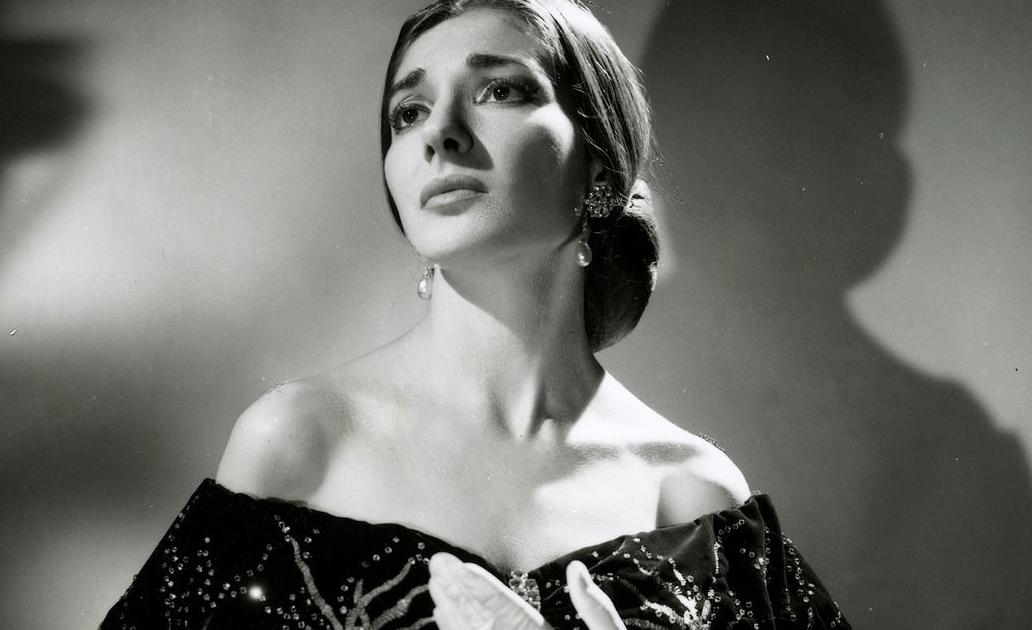
2. Maria Callas
Maria Callas is one of the most legendary opera singers in history, remembered not only for her voice but for the dramatic intensity she brought to every role. Born in New York to Greek parents and trained in Greece, Callas became the defining soprano of the twentieth century, especially admired for her performances in works by Bellini, Donizetti, Verdi, Puccini, and Cherubini. Her most famous arias include Casta Diva, Vissi D’Arte, Habanera, La Mamma Morta, and Una Voce Poco Fa. Callas was not merely a beautiful singer. She was a singing actress who treated opera as living theater. Casta Diva from Bellini’s Norma remains one of her most iconic performances. The aria requires long, suspended lines, spiritual calm, and extraordinary control, yet Callas gives it dramatic tension beneath the surface beauty. Maria Callas became popular because she restored emotional truth to roles that could easily become vocal display. Her voice was complex, sometimes controversial, but unmistakably expressive. She could sound tender, imperious, wounded, furious, or fragile depending on the character. Her performances of Tosca, Norma, Medea, Lucia, and Violetta remain models of dramatic commitment. Callas changed the expectations for opera singers by insisting that vocal technique must serve character and story. Her influence continues because she showed that opera is not only about sound. It is about destiny, psychology, suffering, and the human soul revealed through music.
3. Enrico Caruso
Enrico Caruso was one of the first truly global opera stars, a tenor whose recordings helped bring the sound of opera into homes around the world during the early twentieth century. Born in Naples, Italy, Caruso became famous for his powerful tone, expressive phrasing, and extraordinary ability to communicate emotion through the limitations of early recording technology. His most famous performances include Vesti La Giubba, Una Furtiva Lagrima, O Sole Mio, Celeste Aida, and La Donna È Mobile. He became closely associated with the Metropolitan Opera in New York, where he built a legendary career. Vesti La Giubba from Leoncavallo’s Pagliacci is one of Caruso’s most famous recordings. The aria captures the agony of a performer forced to laugh while his heart is breaking, and Caruso’s voice gives the moment both theatrical power and human pain. Enrico Caruso became popular because he arrived at the perfect moment in music history. His voice was ideal for early records, strong enough to register clearly and expressive enough to reach listeners even through primitive sound quality. He helped define what a great tenor could be: heroic, lyrical, passionate, and immediately recognizable. Caruso’s recordings became treasured cultural artifacts, spreading opera far beyond the theater. His legacy remains enormous because he helped create the modern idea of the recorded vocal superstar.
4. Plácido Domingo
Plácido Domingo is one of the most prolific and influential opera singers of modern times, known for his extraordinary career as a tenor, later baritone, conductor, and arts administrator. Born in Spain and raised partly in Mexico, Domingo became famous for his dramatic voice, musical intelligence, and vast repertoire. His celebrated performances include E Lucevan Le Stelle, Celeste Aida, Di Quella Pira, Granada, and roles in operas by Verdi, Puccini, Wagner, Bizet, and Massenet. Unlike singers who specialize narrowly, Domingo became known for remarkable versatility across languages, styles, and dramatic characters. E Lucevan Le Stelle from Puccini’s Tosca is one of the arias that reveals Domingo’s emotional strength. His interpretation brings out the character’s despair, memory, and longing without reducing the aria to mere vocal display. Plácido Domingo became popular because he combined vocal power with dramatic seriousness. His voice had a darker color than many lyric tenors, allowing him to take on heroic and emotionally complex roles. As one of the Three Tenors, he helped introduce opera to massive global audiences, but his importance extends far beyond that phenomenon. Domingo’s stage presence, linguistic range, and musicianship made him one of opera’s central figures for decades. His legacy is vast, shaped by countless performances, recordings, and contributions to the operatic world.
5. Joan Sutherland
Joan Sutherland was one of the greatest sopranos of the twentieth century, celebrated for her dazzling coloratura, luxurious tone, and revival of bel canto opera. Born in Australia, she became known as La Stupenda, a title that reflected the sheer astonishment audiences felt when hearing her voice. Her most admired performances include Lucia Di Lammermoor, Norma, La Sonnambula, Semiramide, and I Puritani. Sutherland had a voice of remarkable size and agility, capable of spinning long lyrical lines and executing elaborate ornamentation with stunning control. The mad scene from Donizetti’s Lucia Di Lammermoor became one of Sutherland’s defining triumphs. The role requires vocal fireworks, psychological fragility, and flawless technical command, and Sutherland brought a uniquely majestic brilliance to it. Joan Sutherland became popular because she made difficult singing sound grand, effortless, and beautiful. Her partnership with conductor Richard Bonynge was crucial in reviving neglected bel canto repertoire and restoring ornamented singing to modern stages. While some critics debated her diction, few could deny the extraordinary beauty and scale of her voice. She influenced generations of sopranos by proving that technical virtuosity could be both thrilling and elegant. Sutherland’s legacy remains essential because she brought a lost vocal world back to life. Through her, audiences rediscovered the splendor of bel canto opera, where agility, beauty, and expressive style meet in breathtaking display.
6. Leontyne Price
Leontyne Price is one of the greatest sopranos in opera history, admired for her rich, gleaming voice, regal stage presence, and landmark career as one of the first Black American singers to achieve international operatic superstardom. Born in Mississippi, Price became especially associated with Verdi and Puccini, bringing warmth, dignity, and emotional depth to some of opera’s most demanding roles. Her most celebrated performances include O Patria Mia, Vissi D’Arte, Pace Pace Mio Dio, Un Bel Dì Vedremo, and numerous concert works that showcased her remarkable artistry. Her voice possessed a rare combination of power and beauty, capable of floating delicate phrases while also filling large opera houses with ease.
O Patria Mia from Verdi’s Aida remains one of Price’s most treasured interpretations. The aria requires both technical finesse and profound emotional depth as the character longs for her homeland while facing an uncertain future. Price’s performance captures every shade of longing and heartbreak. Leontyne Price became popular because she combined vocal excellence with extraordinary dramatic presence. Audiences were drawn to the richness of her tone and the sincerity of her performances. Her appearances at the Metropolitan Opera helped reshape the landscape of classical music and inspired generations of aspiring singers. Price’s recordings remain essential listening for anyone interested in great operatic singing. She demonstrated that true vocal greatness comes not only from technical mastery but from the ability to communicate deep human feeling through music. Her legacy continues to resonate throughout the opera world today.
7. José Carreras
José Carreras is one of the most beloved tenors of the modern era, admired for the warmth of his voice, emotional sincerity, and passionate interpretations. Born in Barcelona, Spain, Carreras rose to international fame through performances in operas by Verdi, Puccini, Donizetti, and Massenet. His most admired works include E Lucevan Le Stelle, La Fleur Que Tu M’Avais Jetée, Granada, Core Ngrato, and numerous Spanish songs that showcased his lyrical gifts. Carreras possessed a youthful vocal quality that made romantic roles particularly convincing and emotionally engaging.
La Fleur Que Tu M’Avais Jetée from Bizet’s Carmen became one of Carreras’s signature performances. His interpretation balances tenderness, passion, and vulnerability, creating an unforgettable portrayal of Don José. José Carreras became popular because audiences connected with the humanity in his singing. Unlike some tenors who emphasized heroic power, Carreras often focused on emotional truth and lyrical beauty. His recovery from leukemia and return to the stage also inspired millions around the world. As a member of the Three Tenors alongside Luciano Pavarotti and Plácido Domingo, he helped introduce opera to audiences who had never previously explored the genre. His performances combined technical skill with heartfelt expression, making him one of the most admired singers of his generation. Carreras remains a symbol of resilience, artistry, and the enduring emotional power of opera.
8. Renée Fleming
Renée Fleming is one of the most celebrated American sopranos of modern times, known for her luxurious voice, refined musicianship, and ability to connect with audiences both inside and outside the traditional opera world. Born in Pennsylvania, Fleming built an international career performing works by Mozart, Strauss, Dvořák, Massenet, and many others. Her most famous performances include Song To The Moon, O Mio Babbino Caro, Marietta’s Lied, and selections from Der Rosenkavalier. Her voice is admired for its creamy texture, elegance, and expressive warmth.
Song To The Moon from Dvořák’s Rusalka has become one of Fleming’s signature pieces. Her interpretation captures the aria’s dreamlike beauty and emotional yearning with remarkable sensitivity. Renée Fleming became popular because she combines technical excellence with an approachable and engaging artistic personality. She has frequently appeared in high profile public events, helping introduce classical singing to broader audiences. Fleming’s performances are marked by graceful phrasing, beautiful tone, and deep emotional intelligence. She has also championed new music and contemporary composers while maintaining strong connections to traditional opera repertoire. Her influence extends beyond the stage through educational work and advocacy for the arts. Fleming remains one of the defining voices of her generation and continues to inspire singers and listeners with her elegance, versatility, and commitment to musical excellence.
9. Dietrich Fischer Dieskau
Dietrich Fischer Dieskau was one of the most respected baritones of the twentieth century, renowned for his intellectual approach to music, extraordinary attention to text, and remarkable versatility. Born in Germany, he became famous not only in opera but also in the world of art song, where his interpretations of Schubert, Schumann, Brahms, and Wolf remain benchmarks. His notable performances include selections from Winterreise, Der Erlkönig, Don Giovanni, and numerous roles from Mozart, Verdi, and Wagner operas. Fischer Dieskau approached every performance with deep thought and careful attention to meaning.
Der Erlkönig is among the works most associated with his artistry. Through subtle vocal changes and precise diction, he creates multiple characters within a single song, transforming a simple performance into a dramatic narrative. Dietrich Fischer Dieskau became popular because he elevated vocal interpretation to an art form. His voice was expressive rather than flashy, and his ability to communicate poetry through music set him apart from many contemporaries. Opera lovers admired his intelligent portrayals, while song enthusiasts regarded him as one of the greatest interpreters in recording history. His influence on vocal training and interpretation remains enormous. Fischer Dieskau demonstrated that great singing involves understanding language, character, and emotional nuance. His recordings continue to educate and inspire musicians around the world.
10. Birgit Nilsson
Birgit Nilsson was one of the most powerful dramatic sopranos ever to grace the operatic stage. Born in Sweden, Nilsson became legendary for her performances in Wagner and Strauss operas, where her voice could soar effortlessly above massive orchestral forces. Her most celebrated roles included Brünnhilde in the Ring Cycle, Isolde in Tristan Und Isolde, Turandot in Turandot, and Elektra in Strauss’s masterpiece of the same name. Her voice combined incredible strength with clarity and precision, making her uniquely suited for some of the most demanding repertoire ever written.
Liebestod from Tristan Und Isolde remains one of Nilsson’s defining achievements. Her performance captures the overwhelming emotional intensity of Wagner’s music while maintaining complete technical control. Birgit Nilsson became popular because she could accomplish feats that seemed almost impossible. Her high notes carried tremendous power, yet they remained focused and beautiful. Audiences marveled at her stamina and consistency across long and difficult performances. Beyond her vocal gifts, Nilsson possessed a sharp wit and engaging personality that endeared her to colleagues and fans alike. Her recordings continue to serve as reference points for dramatic soprano singing. Nilsson’s legacy remains unmatched in many respects because she embodied the ideal combination of vocal power, technical security, and dramatic conviction. Few singers have ever dominated the Wagnerian repertoire with such authority and brilliance.
11. Montserrat Caballé
Montserrat Caballé was one of the most admired sopranos of the twentieth century, celebrated for her breathtaking control, luxurious tone, and remarkable ability to sing softly without sacrificing beauty or intensity. Born in Barcelona, Spain, Caballé rose to international fame through her performances in operas by Bellini, Donizetti, Verdi, Puccini, and Rossini. She became particularly known for her mastery of bel canto repertoire, where vocal elegance and technical refinement are essential. Among her most famous performances are Casta Diva, Vissi D’Arte, O Mio Babbino Caro, Ebben Ne Andrò Lontana, and the crossover hit Barcelona recorded with Freddie Mercury.
Casta Diva remains one of Caballé’s signature interpretations. Her ability to sustain delicate phrases with extraordinary breath control created an almost magical listening experience. Montserrat Caballé became popular because she possessed a voice that seemed capable of floating effortlessly above an orchestra while maintaining warmth and richness. Her pianissimo singing became legendary among opera enthusiasts and fellow performers alike. Audiences admired not only her technical skill but also the emotional sincerity she brought to every role. Her collaboration with Freddie Mercury introduced her artistry to an entirely new generation of listeners and demonstrated her willingness to explore beyond traditional opera boundaries. Caballé’s influence continues through her recordings, which remain essential examples of vocal beauty, control, and expressive artistry. She stands as one of opera’s most elegant and unforgettable voices.
12. Jussi Björling
Jussi Björling is widely regarded as one of the greatest lyric tenors in operatic history. Born in Sweden, Björling became famous for the exceptional beauty of his voice, which combined clarity, warmth, and effortless phrasing. His performances in works by Puccini, Verdi, Gounod, and Bizet earned admiration from audiences and critics around the world. Some of his most celebrated recordings include Che Gelida Manina, Nessun Dorma, Salut Demeure Chaste Et Pure, O Paradiso, and La Donna È Mobile. His voice possessed a natural ease that made even the most demanding passages sound graceful and unforced.
Che Gelida Manina from Puccini’s La Bohème remains one of Björling’s finest achievements. His singing captures youthful romance and sincerity while displaying impeccable technique and tonal beauty. Jussi Björling became popular because he represented the ideal balance between artistry and vocal perfection. Unlike performers who relied heavily on theatrical gestures, Björling often allowed the beauty of the music itself to communicate emotion. His recordings continue to attract listeners because the voice sounds remarkably fresh and expressive even decades later. Many opera lovers consider him one of the purest tenor voices ever captured on record. His influence extends across generations of singers who study his phrasing, breath control, and lyrical elegance. Björling’s legacy endures because he demonstrated how simplicity, beauty, and sincerity can create performances of extraordinary emotional power.
13. Cecilia Bartoli
Cecilia Bartoli is one of the most distinctive and influential mezzo sopranos of the modern era. Born in Rome, Italy, she became internationally famous for her astonishing agility, vibrant stage presence, and commitment to exploring lesser known repertoire. Bartoli has excelled in works by Rossini, Mozart, Handel, Vivaldi, and many Baroque composers whose music she helped bring back into the spotlight. Her most celebrated performances include Una Voce Poco Fa, Agitata Da Due Venti, Non Più Mesta, Voi Che Sapete, and numerous rediscovered works that showcased her remarkable versatility.
Agitata Da Due Venti perfectly illustrates Bartoli’s extraordinary technical skill. The aria requires incredible speed, precision, and breath control, all of which she delivers with dazzling confidence. Cecilia Bartoli became popular because she combines scholarly curiosity with captivating performance ability. She approaches music not merely as a singer but as a musical explorer, uncovering forgotten compositions and presenting them with infectious enthusiasm. Audiences appreciate her ability to make centuries old music feel vibrant and exciting. Bartoli’s expressive face, dramatic instincts, and energetic stage presence add another dimension to her artistry. Her recordings have introduced countless listeners to repertoire they might never otherwise encounter. She remains a unique figure in opera because she proves that historical research and thrilling entertainment can coexist beautifully. Her influence continues to shape how audiences and performers view Baroque and Classical vocal music.
14. Dmitri Hvorostovsky
Dmitri Hvorostovsky was one of the most admired baritones of his generation, known for his velvety tone, commanding stage presence, and emotionally rich interpretations. Born in Krasnoyarsk, Russia, he achieved international recognition after winning major vocal competitions and quickly became a favorite at leading opera houses. His repertoire included major roles by Verdi, Tchaikovsky, and other composers, while his performances of Russian songs were especially beloved. Among his most celebrated works are Yeletsky’s Aria, Di Provenza Il Mar Il Suol, O Carlo Ascolta, and numerous Russian romances.
Di Provenza Il Mar Il Suol from Verdi’s La Traviata showcases Hvorostovsky’s remarkable ability to combine vocal beauty with emotional restraint. His interpretation captures both authority and tenderness, creating a deeply moving portrait of paternal concern. Dmitri Hvorostovsky became popular because his voice possessed a unique combination of richness, elegance, and expressive depth. Audiences were immediately captivated by his noble appearance and charismatic stage presence, but it was the quality of his singing that secured his reputation. His performances often conveyed profound dignity and emotional honesty. Even during his battle with illness, he continued to perform with courage and dedication, inspiring fans worldwide. His recordings remain treasured examples of great baritone singing, particularly in Russian repertoire. Hvorostovsky’s legacy endures because he united technical excellence with heartfelt artistry in a way that left a lasting impression on the operatic world.
15. Jessye Norman
Jessye Norman was one of the most majestic and influential vocal artists of the twentieth century. Born in Augusta, Georgia, Norman possessed a voice of extraordinary richness, power, and expressive depth. Her repertoire ranged from Wagner and Strauss to French song, spirituals, and orchestral works. She became celebrated not only for her vocal gifts but also for her intellectual approach to performance and commanding stage presence. Some of her most admired performances include Liebestod, Beim Schlafengehen, Ave Maria, La Marseillaise, and numerous spirituals that showcased her connection to American musical traditions.
Liebestod from Wagner’s Tristan Und Isolde stands among Norman’s most memorable achievements. Her interpretation combines immense vocal power with spiritual intensity, creating a performance that feels both intimate and monumental. Jessye Norman became popular because she approached every piece of music with intelligence, dignity, and emotional commitment. Her voice possessed a distinctive richness that immediately commanded attention, while her phrasing revealed deep understanding of language and meaning. Audiences around the world admired her ability to bring grandeur and humanity to every performance. Norman also became an important cultural figure, inspiring countless young musicians through her achievements and advocacy for education and the arts. Her recordings continue to demonstrate the extraordinary possibilities of the human voice when guided by artistry and purpose. Jessye Norman remains one of opera’s most revered figures, remembered for performances that combined beauty, wisdom, and unforgettable emotional impact.

Samuel Moore is a frequent contributor to Singers Room. Since 2005, Singersroom has been the voice of R&B around the world. Connect with us via social media below.
Source link
