
-
×
 Tyler, The Creator "Call Me If You Get Lost"
1 × $30.99
Tyler, The Creator "Call Me If You Get Lost"
1 × $30.99 -
×
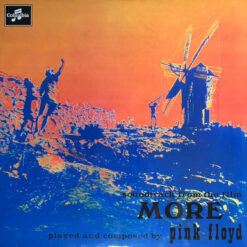 Pink Floyd "More" (Soundtrack)
1 × $35.00
Pink Floyd "More" (Soundtrack)
1 × $35.00
Pop/Hip Hop/R&B
15 Best Rhythm and Blues Songs of All Time

12
Aug
Aug
Rhythm and blues has always spoken directly to the heart, blending soulful vocals, irresistible grooves, emotional storytelling, and melodies that linger long after the music ends. From early pioneers who helped shape modern popular music to icons such as Aretha Franklin, Marvin Gaye, Stevie Wonder, Whitney Houston, and Usher, R&B has continually evolved while preserving its deep emotional core. Its greatest songs explore love, desire, heartbreak, confidence, longing, and celebration with remarkable honesty. Whether powered by silky harmonies, dramatic ballads, funky bass lines, or sophisticated modern production, these timeless recordings have influenced generations of singers while becoming unforgettable favorites around the world.
1. Respect by Aretha Franklin
Respect is one of the defining performances in rhythm and blues history, a recording that transformed Aretha Franklin from an already formidable singer into a commanding cultural force. Written and first recorded by Otis Redding, the song took on an entirely different personality when Franklin approached it. Her version is sharper, more assertive, and filled with the gospel intensity that had shaped her voice since childhood. What had previously been a plea became a demand for dignity.
The arrangement moves with remarkable economy. Piano, drums, bass, guitar, horns, and backing vocals establish a muscular soul groove without distracting from Franklin’s voice. Her singing combines astonishing technical ability with conversational authority. She can stretch a phrase, attack a note, or slip into a melodic turn without ever sounding as though she is displaying technique simply for its own sake. Every flourish strengthens the emotional message.
Aretha Franklin’s catalog contains an extraordinary number of rhythm and blues standards. Think delivers another fierce declaration of independence, while Chain of Fools rides a darker groove beneath one of her most memorable vocals. I Never Loved a Man the Way I Love You reveals a more vulnerable side, and Do Right Woman, Do Right Man combines gospel feeling with sophisticated soul. Her interpretation of A Natural Woman remains one of the great vocal performances of the era.
Respect endures because its message expanded far beyond a single romantic relationship. Listeners heard demands for recognition, equality, and personal worth. Franklin communicates those ideas without sacrificing musical pleasure. The beat moves, the backing voices answer, and the famous spelling section makes participation unavoidable.
Few recordings balance social meaning and pure musical excitement so naturally. Franklin does not merely sing the composition. She completely redefines it, making Respect inseparable from her voice, personality, and legacy.
2. What’s Going On by Marvin Gaye
What’s Going On represents Marvin Gaye at a moment when he pushed rhythm and blues toward greater social, spiritual, and artistic ambition. Rather than focusing upon conventional romantic themes, Gaye sings about conflict, suffering, misunderstanding, and the urgent need for compassion. The remarkable achievement is that the recording never feels like a lecture. Its message arrives through one of the warmest and most inviting arrangements in soul music.
The track begins with conversation and atmosphere before settling into a supple groove built from bass, percussion, piano, guitar, strings, and saxophone. Gaye layers his own vocals in ways that make the performance feel almost like an internal conversation. One voice leads while others answer, overlap, and float around it. The result is intimate and communal at the same time.
Marvin Gaye’s catalog covers an extraordinary emotional range. I Heard It Through the Grapevine captures romantic suspicion through a tense Motown arrangement, while Let’s Get It On became one of his defining expressions of sensuality. Sexual Healing later introduced a smoother electronic rhythm into his mature sound. Earlier duets such as Ain’t No Mountain High Enough with Tammi Terrell reveal the joyous romantic side of his career, while Mercy Mercy Me addresses environmental concern with graceful melancholy.
What’s Going On remains particularly powerful because Gaye approaches social crisis through empathy rather than accusation. His voice sounds concerned, wounded, hopeful, and searching. The music asks listeners to come closer rather than pushing them away.
The recording also helped establish the idea that a major rhythm and blues artist could use the album format for sustained personal expression and social commentary. Gaye sought greater creative control and created music that expanded expectations surrounding mainstream soul.
More than a historical statement, What’s Going On continues to resonate whenever societies face division and uncertainty. Its central question remains painfully simple, and Gaye’s compassionate delivery remains impossible to dismiss.
3. Superstition by Stevie Wonder
Superstition is one of the greatest grooves in rhythm and blues, driven by Stevie Wonder’s instantly recognizable clavinet figure and a drum performance filled with extraordinary pocket and force. The recording demonstrates Wonder’s ability to combine sophisticated musicianship with a hook that anyone can understand within seconds. Funk, soul, rock, and pop all seem to meet inside the same relentlessly rhythmic arrangement.
The clavinet riff is the track’s most famous feature, functioning almost like a rhythm guitar, bass line, and melodic hook simultaneously. Wonder surrounds it with drums, horns, bass, and vocals while maintaining enough space for every element to remain distinct. His singing has playful authority, giving the warning against irrational belief enough personality to avoid sounding preachy.
Stevie Wonder’s catalog is among the richest in popular music. Signed, Sealed, Delivered combines youthful soul energy with an unforgettable chorus, while Higher Ground pushes his clavinet driven funk into an even more intense direction. Sir Duke celebrates music itself through dazzling melodic writing and brass, and Isn’t She Lovely transforms family joy into infectious rhythm. Ballads such as Ribbon in the Sky and Overjoyed demonstrate a very different side of his melodic gift.
Superstition remains especially beloved because the groove feels almost indestructible. The song can be heard in a club, on radio, through headphones, or performed by a live band and still create the same immediate physical response.
Wonder’s musicianship never becomes detached from emotion. He can write unusual harmonies and complex rhythms, yet the listener never needs technical knowledge to enjoy them. That accessibility is one reason his work has influenced musicians across soul, funk, rock, jazz, hip hop, and pop.
Superstition captures Wonder in complete command of rhythm. Every drum hit, clavinet accent, horn phrase, and vocal inflection seems designed to deepen the groove, creating a recording that still sounds astonishingly alive.
4. Let’s Stay Together by Al Green
Let’s Stay Together is one of rhythm and blues music’s most elegant declarations of romantic commitment. Al Green sings with a combination of tenderness, sensuality, and effortless control that makes the song sound intensely personal. The arrangement created around him is equally refined, combining warm organ, restrained guitar, smooth horns, bass, drums, and backing voices into the unmistakable Memphis soul sound associated with producer Willie Mitchell.
Green’s voice is the central attraction. He moves easily between his natural register and a delicate falsetto, changing volume and texture without disturbing the relaxed flow of the song. His phrasing makes even simple words sound intimate. Rather than attacking the melody with vocal power, he seems to lean into it, drawing the listener closer.
Al Green created numerous soul and rhythm and blues classics during his remarkable career. Tired of Being Alone combines loneliness with a gently insistent groove, while I’m Still in Love with You extends the romantic warmth associated with his finest recordings. Love and Happiness begins with one of soul music’s most recognizable guitar figures and develops into a deeply emotional meditation on relationships. Take Me to the River mixes spiritual language with sensual tension, demonstrating the complex relationship between gospel and secular soul within Green’s work.
Let’s Stay Together remains his most universally recognized recording because its central promise feels both simple and profound. The narrator is not interested only in romance during perfect circumstances. The commitment extends through happiness and difficulty alike.
The musical restraint is essential. There is no need for an enormous climax because Green’s smallest vocal gestures carry enormous emotional weight. A soft turn of phrase can communicate more than another singer’s loudest note.
That intimacy has allowed the song to remain a favorite at weddings, romantic evenings, and quiet listening sessions for generations. Let’s Stay Together is smooth soul at its finest, sophisticated without being distant and romantic without becoming sentimental.
5. Ain’t No Sunshine by Bill Withers
Ain’t No Sunshine demonstrates how little musical material a great songwriter needs when the emotion is genuine. Bill Withers builds the recording around absence, turning the departure of one person into a change that seems to affect the entire emotional climate surrounding the narrator. The arrangement is sparse, the melody is direct, and Withers sings with such understated sadness that nothing more is necessary.
His voice is warm but weathered, giving the lyric the quality of personal confession. Withers does not dramatize heartbreak through elaborate vocal runs. He sounds like someone sitting alone and thinking about what has disappeared from his life. Guitar, bass, drums, and strings support that intimacy rather than overwhelming it.
The famous repeated section where Withers circles around a single thought is one of the recording’s most memorable moments. Instead of finding new words, the narrator becomes trapped inside the same feeling. The repetition communicates obsession more effectively than a longer explanation could have done.
Bill Withers created a compact but extraordinary catalog. Lean on Me became one of popular music’s great songs of friendship and mutual support, while Lovely Day turns affection into radiant optimism. Use Me rides a deep funk groove while examining a complicated relationship, and Grandma’s Hands transforms family memory into a deeply personal soul recording. Just the Two of Us, recorded with Grover Washington Jr., later displayed Withers’s smooth melodic instincts within a polished contemporary setting.
Ain’t No Sunshine remains special because it trusts silence and space. Every musician seems aware that leaving something unplayed can be as important as adding another note.
Withers brought an unusual conversational honesty to rhythm and blues. His songs frequently sound as though they were discovered in ordinary life rather than constructed for show business. Ain’t No Sunshine is the perfect example, taking one simple feeling of absence and making it universal.
6. Sittin’ On the Dock of the Bay by Otis Redding
Sittin’ On the Dock of the Bay reveals a quieter and more reflective side of Otis Redding, one of soul music’s most physically powerful singers. Much of Redding’s reputation had been built upon performances filled with explosive emotion, but this recording turns inward. The narrator watches time pass near the water, feeling disconnected from direction, ambition, and the life moving around him.
The arrangement is beautifully restrained. Guitar, bass, drums, and subtle instrumental colors create an open atmosphere that leaves Redding’s voice exposed. He sings with a weary calm that feels dramatically different from the intensity of many earlier recordings. The famous whistled ending reinforces the sense that the narrator has run out of explanations and is simply allowing the moment to continue.
Otis Redding’s catalog contains some of the most passionate rhythm and blues performances ever recorded. Try a Little Tenderness begins gently before building toward an extraordinary vocal climax. I’ve Been Loving You Too Long captures romantic devotion and desperation with stunning intensity. These Arms of Mine reveals the vulnerable side of his voice, while Mr. Pitiful brings humor and rhythm into a more upbeat soul setting. His original recording of Respect also became an important part of his songwriting legacy before Aretha Franklin famously transformed the song.
Sittin’ On the Dock of the Bay became especially poignant because Redding died before the recording was released. Yet the song should not be reduced entirely to tragedy. Its musical power exists independently of the circumstances surrounding it.
Redding captures the strange emotional state of having nowhere urgent to go and no clear idea of what should happen next. That feeling is universal. The water, ships, morning light, and passing time create a landscape for reflection.
By restraining the enormous power of his voice, Redding created one of his most affecting performances. The result is soul music that feels spacious, human, and timeless.
7. My Girl by The Temptations
My Girl is one of Motown’s most perfect recordings, built from an instantly recognizable bass introduction, delicate guitar figure, elegant strings, warm group harmony, and David Ruffin’s unforgettable lead vocal. The Temptations turn uncomplicated romantic happiness into music that feels almost impossible to resist. Nothing about the song is unnecessarily complicated, yet every detail is placed with extraordinary care.
Ruffin sings with warmth and confidence, gradually allowing more power into his voice as the arrangement grows. Behind him, the other Temptations provide precisely shaped responses and harmonies that reinforce the group’s identity. The famous opening instrumental pattern creates recognition before the first lyric even arrives.
The Temptations developed one of Motown’s deepest catalogs. Ain’t Too Proud to Beg gives Ruffin a more desperate and forceful vocal setting, while I Wish It Would Rain transforms heartbreak into dramatic soul. As the group evolved, recordings such as Cloud Nine, Psychedelic Shack, and Papa Was a Rollin’ Stone embraced more experimental production and socially conscious themes. Just My Imagination returned to romantic storytelling through a beautifully restrained arrangement.
My Girl remains the group’s most universally familiar song because its emotional message is immediately accessible. The narrator’s happiness seems to transform everything around him. Ordinary images of sunshine and nature become expressions of love.
Motown’s great strength was its ability to create recordings that were polished enough for mainstream pop audiences while retaining roots in gospel, rhythm and blues, and Black vocal group traditions. My Girl represents that balance perfectly.
The Temptations sound sophisticated without becoming formal. Ruffin communicates genuine affection, the harmonies add communal warmth, and the rhythm remains light enough to let the melody shine.
Generations later, My Girl can still transform a room within seconds. The opening bass phrase appears, listeners recognize what is coming, and one of rhythm and blues music’s most beloved love songs begins again.
8. I Will Always Love You by Whitney Houston
I Will Always Love You became one of the most celebrated vocal recordings in modern rhythm and blues and pop through Whitney Houston’s extraordinary interpretation of Dolly Parton’s composition. Houston preserves the tenderness of the song while gradually expanding it into a showcase of emotional and technical power. The performance is remarkable not simply because she can sing enormous notes, but because she understands exactly when not to.
The opening is famously exposed. Houston begins with her voice almost completely alone, forcing the listener to focus on phrasing, tone, and the quiet sadness of saying goodbye. When the instrumental arrangement enters, the song begins its long climb toward the immense final sections. The contrast makes the eventual vocal explosion far more powerful than it would have been if she had begun at full intensity.
Whitney Houston’s catalog contains many of rhythm and blues and pop music’s defining vocal performances. Saving All My Love for You reveals her mastery of sophisticated ballad singing, while How Will I Know and I Wanna Dance with Somebody showcase her exhilarating pop side. Greatest Love of All became an anthem of self belief, and Exhale demonstrates a mature, restrained vocal approach over smooth rhythm and blues production.
I Will Always Love You endures because Houston treats farewell as an act of love rather than anger. The narrator understands that separation is necessary while still acknowledging the emotional importance of the relationship.
Houston’s technical control is astonishing throughout. She shifts between softness, resonance, vibrato, and full power without losing emotional clarity. The famous climax works because every earlier section has prepared the listener for it.
Many singers possess impressive voices, but far fewer understand musical architecture this well. Houston turns one composition into an emotional journey from intimate goodbye to overwhelming release, creating a performance that remains a benchmark for generations of rhythm and blues vocalists.
9. End of the Road by Boyz II Men
End of the Road is one of the defining rhythm and blues ballads of the 1990s, built around close harmony, emotional pleading, and the extraordinary vocal blend of Boyz II Men. The song presents a relationship that has ended even though the narrator remains unwilling to accept the separation. That refusal gives the performance its emotional urgency.
Boyz II Men were masters of vocal arrangement. Rather than depending upon one permanent lead singer, the group could move different voices into the foreground while maintaining a unified harmonic identity. On End of the Road, smooth melodic passages eventually give way to increasingly desperate improvisation and spoken emotion. The transition makes the recording feel as though control is gradually slipping away.
The group’s catalog contains many major rhythm and blues recordings. I’ll Make Love to You became one of their most successful romantic ballads, while On Bended Knee explores regret through another polished vocal arrangement. Water Runs Dry warns about relationships reaching the point where repair may become impossible, and A Song for Mama applies the group’s harmonic warmth to family devotion. Their collaboration with Mariah Carey on One Sweet Day became another enormous vocal showcase.
End of the Road remains especially powerful because the polished harmonies coexist with emotional desperation. The singers sound technically flawless, yet the characters inside the song are anything but emotionally composed.
This contrast reflects the strength of 1990s vocal group rhythm and blues. Elaborate harmony did not replace feeling. It amplified it. Each additional voice makes the heartbreak sound larger.
Boyz II Men helped return close male harmony to the center of mainstream popular music while drawing from gospel, soul, and earlier vocal group traditions. Their influence can be heard in countless groups and solo singers who followed.
End of the Road remains their signature because it captures everything they did exceptionally well: immaculate harmony, dramatic arrangement, romantic vulnerability, and voices capable of making heartbreak sound almost monumental.
10. No Scrubs by TLC
No Scrubs became one of the defining rhythm and blues songs of the late 1990s by combining sleek production with a message of standards, independence, and refusal. TLC delivers the song with complete confidence, rejecting men who expect attention without bringing maturity, ambition, or respect into a relationship.
The production is smooth and futuristic, built from electronic rhythm, atmospheric keyboard textures, carefully arranged vocals, and a chorus that seems effortless despite its precision. Tionne T Boz Watkins provides the group’s distinctive lower vocal tone, while Rozonda Chilli Thomas adds a brighter melodic presence. Lisa Left Eye Lopes brings the rap identity that had always helped distinguish TLC from more conventional vocal groups.
TLC’s catalog contains some of the most important R&B recordings of their era. Waterfalls combines social storytelling with an unforgettable chorus and warm production. Creep places relationship frustration inside one of the group’s coolest grooves, while Unpretty addresses appearance and self worth with unusual vulnerability. Earlier tracks such as Ain’t 2 Proud 2 Beg established their bold personality and willingness to challenge expectations.
No Scrubs remains especially popular because the central concept entered everyday language. The song provides a memorable label for a recognizable type of romantic disappointment, making the lyric feel conversational even decades later.
TLC were particularly effective at combining serious themes with pop accessibility. Their songs could address sexuality, unsafe relationships, social pressure, self image, and independence while still sounding completely natural on radio and dance floors.
The members also projected distinct personalities rather than functioning as anonymous voices inside a polished group. That individuality helped make their music feel direct and personal.
No Scrubs captures TLC at their most controlled and confident. The beat remains smooth, the chorus never needs to shout, and the rejection is delivered with such composure that it becomes even more decisive. The song does not ask for better treatment. It simply refuses to accept anything less.
11. Yeah! by Usher featuring Lil Jon and Ludacris
Yeah! is one of the most explosive rhythm and blues club records of the twenty first century, bringing Usher’s smooth vocal style into the harder electronic world associated with producer Lil Jon. The combination could have felt unnatural, but the contrast became the track’s greatest strength. Usher brings melody and polished charisma while Lil Jon supplies an aggressive beat and shouted energy, with Ludacris arriving later for a memorable rap verse.
The instrumental is immediately identifiable. A sharp electronic keyboard figure repeats over heavy drums, creating a rhythm that feels minimal but enormous. Usher’s voice glides through that environment with remarkable ease. His singing remains controlled even when the production is designed for maximum physical impact.
Usher’s catalog had already established him as one of modern R&B’s leading performers. You Make Me Wanna combines youthful romantic tension with smooth production, while Nice and Slow displays his ballad style. U Remind Me became another major example of polished contemporary R&B, and Burn turns breakup regret into one of his finest vocal performances. Later songs such as OMG and Climax demonstrate his ability to adapt to radically different forms of electronic production.
Yeah! remains distinctive because it captures the point where rhythm and blues, hip hop, Southern club music, and mainstream pop collided with exceptional efficiency. The song does not spend much time establishing atmosphere. The beat announces itself immediately.
Usher’s dancing and stage presence also helped make the track inseparable from performance culture. He has always been an artist for whom vocal skill and movement operate together, and Yeah! provides an ideal setting for both.
The recording remains a party standard because it understands momentum. Every section introduces another source of energy, from Usher’s chorus to Lil Jon’s interjections and Ludacris’s verse. The result is a club anthem that still commands an immediate response.
12. If I Ain’t Got You by Alicia Keys
If I Ain’t Got You demonstrates Alicia Keys’s ability to combine classical piano instincts, traditional soul influence, and contemporary rhythm and blues songwriting inside a performance that feels timeless. The song reflects on ambition, wealth, status, and material success before reaching the conclusion that none of those things matter without genuine emotional connection.
The piano establishes the recording’s character immediately. Keys plays with a gospel and soul informed sense of movement, creating an accompaniment elegant enough to stand on its own. Her voice enters with restraint before becoming increasingly passionate as the song progresses. She has a slightly rough edge to her tone that gives the performance emotional individuality.
Alicia Keys established herself quickly with songs that placed musicianship at the center of contemporary R&B. Fallin’ combines piano, gospel influence, and emotional conflict in one of her defining early recordings. You Don’t Know My Name uses classic soul textures and conversational storytelling, while Karma brings a stronger rhythmic edge. No One became another enormous declaration of romantic devotion, and Girl on Fire turns confidence and resilience into an expansive anthem.
If I Ain’t Got You remains especially beloved because its central idea is broad enough to reach listeners in many different circumstances. Success can mean little when there is nobody meaningful with whom to share it.
The arrangement resists excessive production. Piano, rhythm section, and subtle instrumental support leave Keys enough room to shape the emotional progression herself. That restraint makes the recording feel connected to older soul traditions even though it belongs unmistakably to modern R&B.
Keys became important partly because she arrived during a period of increasingly electronic production and reminded mainstream audiences that a singer sitting at a piano could still create a major contemporary record.
If I Ain’t Got You is the clearest expression of that strength. Melody, musicianship, and emotional directness carry the song without unnecessary spectacle.
13. Family Affair by Mary J. Blige
Family Affair captures Mary J. Blige in one of her most celebratory moods, pairing her unmistakable voice with a lean, infectious production that helped turn the song into a major club and radio favorite. Where much of Blige’s greatest work is rooted in heartbreak, survival, and emotional struggle, this recording places the emphasis on enjoying the moment and leaving unnecessary conflict outside.
The beat has a hypnotic simplicity. Drums, bass, keyboard textures, and repeated rhythmic figures create enough space for Blige’s voice to dominate without demanding a huge vocal performance. She sounds relaxed but authoritative, communicating the sense that she has earned the right to enjoy herself after everything expressed in earlier music.
Mary J. Blige built her reputation by combining hip hop production with the emotional intensity of soul singing. Real Love became one of her defining early tracks, while I’m Goin’ Down showcases her ability to reinterpret classic soul through raw personal feeling. Not Gon’ Cry turns romantic betrayal into a devastating performance, and Be Without You became one of the great mature love songs of contemporary R&B. No More Drama captures her determination to move beyond emotional chaos.
Family Affair feels almost like the release after those struggles. The message is not complicated. People have come together to dance, enjoy themselves, and avoid negativity. Blige communicates that invitation with enough personality to make the recording feel distinctly hers.
The song also demonstrates why she became such an important bridge between generations of rhythm and blues. Her voice contains the grit of classic soul, yet she has always been comfortable over modern hip hop influenced beats.
That combination gave rise to the identity often associated with her as a central figure in hip hop soul. Family Affair captures the formula at its most accessible, combining streetwise rhythm, mature vocal character, and a chorus capable of bringing an entire room together.
14. Untitled How Does It Feel by D’Angelo
Untitled How Does It Feel is one of neo soul’s defining recordings, built around slow rhythm, warm keyboards, guitar, layered vocals, and D’Angelo’s remarkable ability to make old soul traditions feel completely contemporary. The song unfolds patiently, allowing desire and tension to grow through repetition rather than rushing toward a conventional chorus.
D’Angelo sings with an intimate style influenced by gospel, Prince, Marvin Gaye, and classic rhythm and blues, yet his phrasing remains distinctly his own. Voices are layered throughout the arrangement until the boundaries between lead and harmony begin to blur. At times, the recording feels less like one singer performing a song and more like an entire choir constructed from different versions of the same voice.
The groove is equally important. Bass, drums, keyboards, and guitar sit slightly behind the expected rhythmic center, creating the relaxed pocket strongly associated with D’Angelo’s finest work. Nothing sounds rigidly quantized. The musicians seem to lean around the beat, giving the recording a human elasticity.
D’Angelo’s catalog is relatively compact but enormously influential. Brown Sugar helped introduce his mixture of traditional soul and hip hop era rhythm, while Lady remains one of his most accessible romantic songs. Devil’s Pie brings a darker hip hop influenced groove, and Send It On showcases the deep musical atmosphere of his Voodoo period. His later work continued exploring dense rhythm and sophisticated harmony.
Untitled How Does It Feel remains extraordinary because the arrangement trusts patience. The song gradually becomes more intense as D’Angelo adds vocal layers and emotional force.
Neo soul often sought to reconnect contemporary R&B with the organic musicianship and emotional freedom of earlier decades. D’Angelo became one of the movement’s central figures because he never sounded like he was simply recreating the past.
This recording feels timeless precisely because its influences have been transformed rather than copied. It is sensual, musically sophisticated, and deeply rooted in groove.
15. Doo Wop That Thing by Lauryn Hill
Doo Wop That Thing demonstrates Lauryn Hill’s extraordinary ability to combine singing, rapping, social commentary, humor, and classic soul influence within one effortlessly memorable recording. Built around warm piano, horns, rhythm, and a chorus recalling older vocal group traditions, the song simultaneously sounds connected to the past and completely contemporary.
Hill addresses both men and women, criticizing vanity, irresponsibility, shallow relationships, and the willingness to sacrifice self respect for temporary attention. Her tone is sharp but rarely humorless. She can move from melodic singing into tightly controlled rap without changing the musical identity of the track. That versatility helped establish her as an artist who could not be confined easily to either hip hop or rhythm and blues.
Lauryn Hill had already achieved major success as part of the Fugees, contributing memorable performances to songs such as Killing Me Softly, Ready or Not, and Fu Gee La. Her solo work expanded the introspection and musical range suggested by those recordings. Ex Factor became a devastating examination of a painful relationship, while Everything Is Everything combines social observation with an uplifting musical progression. To Zion is deeply personal, and Can’t Take My Eyes Off of You demonstrates her ability to reinterpret an established classic with distinctive warmth.
Doo Wop That Thing remains one of Hill’s signature songs because it captures so many parts of her artistry simultaneously. She sounds like a soul singer, rapper, commentator, and bandleader within the same performance.
The production also reflects the broader neo soul movement’s interest in connecting contemporary Black music with earlier traditions. Horns and harmony recall classic soul, while Hill’s flow and lyrical perspective are rooted firmly in hip hop culture.
Few artists have combined those worlds with this much natural authority. Doo Wop That Thing does not treat singing and rapping as separate talents. Hill makes them parts of one musical language, creating a rhythm and blues classic filled with intelligence, groove, personality, and enduring relevance.

Edward Tomlin is a frequent contributor to Singers Room. Since 2005, Singersroom has been the voice of R&B around the world. Connect with us via social media below.
Source link
