
-
×
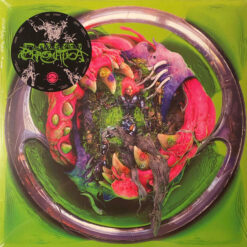 Lady Gaga "Dawn Of Chromatica"
1 × $50.00
Lady Gaga "Dawn Of Chromatica"
1 × $50.00
Pop/Hip Hop/R&B
15 Best Classical Music Pieces of All Time
29
Jun
Jun
Classical music has the extraordinary ability to stir the soul, inspire the imagination, and transcend the boundaries of time. For centuries, the world’s greatest composers have created breathtaking masterpieces that continue to captivate audiences with their emotional depth, technical brilliance, and unforgettable melodies. From majestic symphonies and elegant concertos to delicate piano works and dramatic orchestral pieces, these timeless compositions have become cornerstones of musical history. Whether performed in grand concert halls or featured in films, television, and popular culture, the most celebrated classical music pieces remain as powerful today as when they were first composed, proving that truly great music never loses its ability to move the human spirit.
1. Symphony No 5 by Ludwig van Beethoven
Ludwig van Beethoven created one of the most recognizable openings in all of music with Symphony No 5. Those famous four notes have become a universal symbol of drama, struggle, and triumph, yet the full piece offers far more than a memorable beginning. Beethoven builds the symphony like a journey from darkness into blazing light, using rhythm as a force of destiny and orchestral color as a means of emotional transformation. Born in Bonn and later based in Vienna, Beethoven stood at the turning point between the Classical and Romantic eras, expanding the expressive possibilities of symphonic music with extraordinary force. His finest works include Moonlight Sonata, Für Elise, Symphony No 9, and Piano Concerto No 5, but Symphony No 5 remains one of his most popular creations because it speaks with such direct power. The piece is intense, disciplined, and visionary, moving from tension to victory with unforgettable momentum. Even listeners who rarely attend concerts recognize its central motif immediately. That rare combination of artistic depth and public familiarity is what makes it one of the greatest classical music pieces of all time.
2. Für Elise by Ludwig van Beethoven
Ludwig van Beethoven gave piano music one of its most beloved miniatures with Für Elise, a piece whose graceful opening melody has charmed generations of listeners and students. Although smaller in scale than his grand symphonies and sonatas, the work reveals Beethoven’s remarkable ability to create emotional character from a simple musical idea. The melody feels tender, slightly mysterious, and instantly memorable, while the contrasting sections add flashes of restlessness and dramatic color. Beethoven was not merely a composer of heroic thunder. He also understood intimacy, elegance, and the expressive power of a carefully shaped phrase. Born in 1770, he became one of music history’s most transformative figures, reshaping the sonata, symphony, concerto, and string quartet through works of extraordinary imagination. Für Elise is often one of the first classical pieces that young pianists dream of playing, which has helped carry its popularity across the world. Yet beneath its familiarity is a finely balanced composition that rewards close listening. It is lyrical without being sentimental, simple without being shallow, and memorable without losing its delicate emotional mystery.
3. Eine kleine Nachtmusik by Wolfgang Amadeus Mozart
Wolfgang Amadeus Mozart captured elegance, brightness, and effortless melodic genius in Eine kleine Nachtmusik. The opening movement is among the most famous sounds in classical music, bursting forward with balance, charm, and unmistakable energy. Mozart had a rare gift for making highly refined composition feel natural and spontaneous, and this serenade is a perfect example of that gift. Every phrase seems polished, clear, and alive with motion. Born in Salzburg in 1756, Mozart became one of the supreme composers of the Classical era, writing operas, symphonies, concertos, chamber works, and sacred music with astonishing speed and brilliance. His most celebrated pieces include The Marriage of Figaro, Don Giovanni, Requiem, Piano Concerto No 21, and Symphony No 40. Still, Eine kleine Nachtmusik holds a special place because it communicates instantly with almost anyone who hears it. The music feels festive, graceful, and perfectly proportioned, yet never cold or merely decorative. Its popularity comes from its clarity and joy. Mozart turns refinement into pure pleasure, proving that sophistication can sparkle with warmth and human charm.
4. Canon in D by Johann Pachelbel
Johann Pachelbel achieved lasting immortality through Canon in D, a Baroque masterpiece whose gentle progression has become one of the most widely loved pieces in classical music. The work unfolds through repeating patterns that gradually gather richness, creating a feeling of calm, order, and luminous beauty. Its bass line repeats steadily while the upper voices weave around it with increasing grace, giving the piece both simplicity and quiet architectural sophistication. Pachelbel was a German composer and organist whose career belonged to the Baroque period, and while he wrote many sacred works, organ pieces, and chamber compositions, Canon in D became his defining legacy for modern audiences. The piece has become especially associated with weddings, ceremonies, and reflective moments because it evokes serenity without becoming static. Its popularity is remarkable because it depends not on drama or virtuosity, but on patience and balance. Each repetition feels familiar, yet the texture continues to bloom. That sense of gentle unfolding is what gives the piece its enduring power. Canon in D reminds listeners that classical beauty can be built from restraint, symmetry, and a melody that seems to glow from within.
5. The Four Seasons Spring by Antonio Vivaldi
Antonio Vivaldi created one of the most vivid musical pictures of nature with Spring from The Four Seasons. The piece opens with bright violin figures that seem to announce sunlight, birdsong, and the awakening of the natural world. Vivaldi’s genius lies in his ability to make instrumental music feel almost theatrical. Without words, he paints scenes of fresh air, flowing streams, storms, and pastoral celebration through rhythm, melody, and brilliant string writing. Born in Venice in 1678, Vivaldi was a virtuoso violinist, priest, teacher, and one of the most important composers of the Baroque era. His music includes hundreds of concertos, sacred works, and operas, but The Four Seasons remains his most famous achievement. Spring is especially popular because it captures joy with such clarity and sparkle. The violin writing is lively and graceful, yet the piece never feels merely decorative. It has movement, imagery, and emotional freshness. For many listeners, this music is the sound of renewal itself. Vivaldi turns seasonal change into a dazzling musical event, making Spring one of classical music’s most instantly uplifting pieces.
6. Toccata and Fugue in D Minor by Johann Sebastian Bach
Johann Sebastian Bach gave the organ one of its most dramatic and unforgettable showpieces with Toccata and Fugue in D Minor. The opening flourish is instantly recognizable, often associated with mystery, grandeur, and gothic atmosphere, but the piece itself is far more than a dramatic gesture. It reveals Bach’s command of structure, momentum, and contrapuntal imagination. The toccata section feels spontaneous and fiery, while the fugue demonstrates a mind capable of transforming a musical idea through intricate development. Bach was born in Eisenach in 1685 and became one of the greatest composers in Western music, though much of his fame grew after his lifetime. His major works include Brandenburg Concertos, Mass in B Minor, Goldberg Variations, and St Matthew Passion. Toccata and Fugue in D Minor remains one of his most popular pieces because it combines intellectual brilliance with theatrical impact. Even listeners unfamiliar with Baroque technique can feel its force immediately. The music seems to fill space with shadow, power, and astonishing control. It is a thrilling reminder that Bach could make complexity sound overwhelming, spiritual, and deeply human.
7. Hallelujah Chorus by George Frideric Handel
George Frideric Handel created one of the most majestic choral statements in history with the Hallelujah Chorus from Messiah. The music radiates celebration, grandeur, and spiritual confidence, building through powerful vocal lines that seem designed to fill a cathedral with sound. Handel understood how to write for massed voices in a way that felt both noble and immediately moving. Each entrance adds strength, while the repeated cries of hallelujah create a feeling of collective exaltation. Born in Germany and later central to musical life in England, Handel was a master of opera, oratorio, instrumental music, and ceremonial splendor. His other famous works include Water Music, Music for the Royal Fireworks, and many dramatic stage pieces, but Messiah became his most enduring masterpiece. The Hallelujah Chorus remains popular because it offers a rare combination of accessibility and magnificence. It is easy to recognize, thrilling to hear live, and powerful even outside its original religious setting. Handel turns choral writing into a public act of joy, giving listeners a piece that feels ceremonial, uplifting, and timeless.
8. Clair de lune by Claude Debussy
Claude Debussy created one of the most delicate and atmospheric piano pieces ever written with Clair de lune. The title means moonlight, and the music seems to shimmer with quiet reflection, soft color, and emotional ambiguity. Debussy avoids heavy drama, choosing instead to let harmony, touch, and space create feeling. The piece moves like light across water, sometimes intimate, sometimes distant, always refined. Born in France in 1862, Debussy became one of the key figures in musical Impressionism, though he often resisted labels. His works include Prelude to the Afternoon of a Faun, La mer, Images, and the opera Pelléas et Mélisande. Clair de lune remains his most widely known piece because it captures a mood that listeners across cultures instantly understand. It is peaceful, but not empty. Romantic, but not overly sweet. Technically sophisticated, but emotionally direct. The popularity of the piece has been strengthened by its use in films, recitals, and quiet personal listening. Debussy gave the piano a voice of silver and shadow, and Clair de lune continues to sound like a private dream made audible.
9. Ride of the Valkyries by Richard Wagner
Richard Wagner created one of the most electrifying orchestral moments in opera with Ride of the Valkyries. Taken from his music drama Die Walküre, the piece gallops forward with brass fanfares, surging rhythm, and a heroic sense of motion that has made it famous far beyond the opera house. Wagner was a composer of enormous ambition, reshaping opera through his use of leitmotifs, continuous musical drama, and vast mythological structures. Born in Leipzig in 1813, he wrote monumental works such as Tristan und Isolde, Parsifal, Lohengrin, and the four part Ring cycle. Ride of the Valkyries became one of his most popular pieces because it delivers instant impact. The music suggests flight, battle, destiny, and supernatural power, making it especially attractive for film, television, and popular culture. Yet its theatrical origins matter deeply. It was designed to accompany warrior maidens carrying fallen heroes, and that dramatic image can still be felt in every rising phrase. Wagner’s music is grand, controversial, and influential, but this piece remains a clear example of his ability to make the orchestra sound mythic.
10. O Fortuna by Carl Orff
Carl Orff gave classical music one of its most thunderous and widely recognized choral movements with O Fortuna from Carmina Burana. The piece begins with a massive choral outcry that feels like fate itself has entered the room. Its pounding rhythm, sharp contrasts, and dramatic repetition make it unforgettable from the first seconds. Orff based Carmina Burana on medieval poems that explore fortune, desire, nature, pleasure, and the turning wheel of life. Rather than writing in a traditional symphonic style, he created music with primal rhythm, bold simplicity, and theatrical force. Born in Munich in 1895, Orff became best known for this work, though he was also influential as a music educator through the Orff approach. O Fortuna is popular because it communicates intensity with astonishing directness. It does not require deep theoretical understanding to feel its power. The music sounds ceremonial, ominous, and colossal, which has made it a favorite for films, trailers, sporting events, and dramatic public performances. Beneath its fame is a carefully constructed movement that turns the uncertainty of fate into sound. Few classical pieces announce themselves with greater authority.
11. Boléro by Maurice Ravel
Maurice Ravel created one of the most hypnotic orchestral works of the modern era with Boléro. The piece is famous for its repeated rhythm and long gradual crescendo, but its genius lies in Ravel’s orchestral imagination. A simple melody passes from instrument to instrument, changing color while the rhythm continues with almost mechanical persistence. What begins quietly becomes increasingly intense until the music reaches a blazing climax. Ravel was born in France in 1875 and became one of the great masters of orchestration, admired for his precision, elegance, and ability to make the orchestra glitter with color. His other important works include Daphnis et Chloé, Pavane for a Dead Princess, La valse, and Gaspard de la nuit. Boléro remains his most popular piece because its structure is easy to grasp yet thrilling to experience. It is a study in repetition that never feels static, because each orchestral change adds a new shade of fascination. The piece has an almost physical effect on listeners, drawing them into its pulse. Ravel turned restraint into suspense, and suspense into one of classical music’s most famous climaxes.
12. Nocturne in E Flat Major by Frédéric Chopin
Frédéric Chopin brought lyrical piano writing to extraordinary heights with his Nocturne in E Flat Major. The piece is one of his most beloved works, admired for its singing melody, graceful ornamentation, and intimate emotional atmosphere. Chopin understood the piano not simply as a percussive instrument, but as a vehicle for vocal expression. In this nocturne, the right hand seems to sing above a gently flowing accompaniment, creating a mood of elegance, tenderness, and quiet longing. Born in Poland in 1810 and later associated with Paris, Chopin became one of the central composers of the Romantic era. Nearly all of his major works involve the piano, including études, preludes, ballades, polonaises, mazurkas, waltzes, and sonatas. His music combines technical refinement with deep poetic feeling. This nocturne remains popular because it offers beauty without excess. It is delicate yet emotionally persuasive, refined yet deeply human. Many listeners encounter Chopin through this piece because it presents his artistry in such a clear and inviting form. The music feels like a private confession shaped into perfect melody, proving why Chopin remains one of the piano’s greatest poets.
13. Also sprach Zarathustra by Richard Strauss
Richard Strauss created one of the most famous openings in orchestral music with Also sprach Zarathustra. Its sunrise introduction, with deep organ, brass, and timpani, has become a symbol of awe, discovery, and cosmic scale. Although many listeners know the opening from film and popular culture, the complete tone poem is a much broader work inspired by philosophical ideas connected to Friedrich Nietzsche. Strauss was born in Munich in 1864 and became one of the great late Romantic composers, known for his masterful orchestration and dramatic imagination. His major works include Don Juan, Till Eulenspiegel, Der Rosenkavalier, Salome, and Elektra. Also sprach Zarathustra remains popular because its opening communicates grandeur with stunning immediacy. The music feels like light breaking across the universe, yet it is also carefully built through harmony, tension, and orchestral weight. Strauss had an exceptional ability to make the orchestra sound vast and vivid, and this piece demonstrates that gift magnificently. Its fame may rest on the introduction, but its artistic value reaches beyond that iconic moment into a richly imagined world of sound.
14. Moonlight Sonata by Ludwig van Beethoven
Ludwig van Beethoven created one of the most emotionally resonant piano works in history with the Moonlight Sonata. The first movement is especially famous, with its steady triplet motion and haunting melody creating an atmosphere of solitude, contemplation, and quiet sorrow. Unlike many sonatas of its time, the piece does not begin with brilliance or display. It begins inwardly, almost as though the listener has entered a private room at night. Beethoven’s genius was partly his ability to bend inherited forms toward new emotional purposes, and this sonata reveals that beautifully. Born in Bonn and later active in Vienna, he became one of the most important composers ever, expanding the language of classical music through works filled with struggle, tenderness, grandeur, and innovation. His catalog includes Symphony No 5, Symphony No 9, Für Elise, and the late string quartets, but the Moonlight Sonata remains one of his most widely loved piano pieces. Its popularity comes from its haunting accessibility. It sounds profound without needing explanation. The music feels like memory, grief, and beauty suspended in darkness, making it unforgettable to listeners across generations.
15. The Blue Danube by Johann Strauss II
Johann Strauss II gave the world one of its most graceful and beloved waltzes with The Blue Danube. The piece begins with a gentle introduction that slowly awakens before blossoming into the elegant three beat motion that made Strauss the Waltz King. Its melodies are charming, flowing, and instantly memorable, evoking ballrooms, celebration, and the cultural life of Vienna. Strauss was born in 1825 into a famous musical family and became the leading composer of Viennese dance music during the nineteenth century. His works include many celebrated waltzes, polkas, and operettas, with Die Fledermaus standing among his major stage successes. The Blue Danube remains his most popular piece because it captures the refinement and pleasure of the waltz at its highest level. The music has appeared in concerts, films, ceremonies, and New Year celebrations, becoming a musical symbol of elegance itself. Yet beyond its familiar charm, the piece is beautifully structured, moving through contrasting melodies with effortless flow. Strauss turned social dance into orchestral art, and The Blue Danube continues to sweep listeners into a world of poise, motion, and timeless delight.

Edward Tomlin is a frequent contributor to Singers Room. Since 2005, Singersroom has been the voice of R&B around the world. Connect with us via social media below.
Source link
