
Pop/Hip Hop/R&B
10 Best Nirvana Songs of All Time
Aug
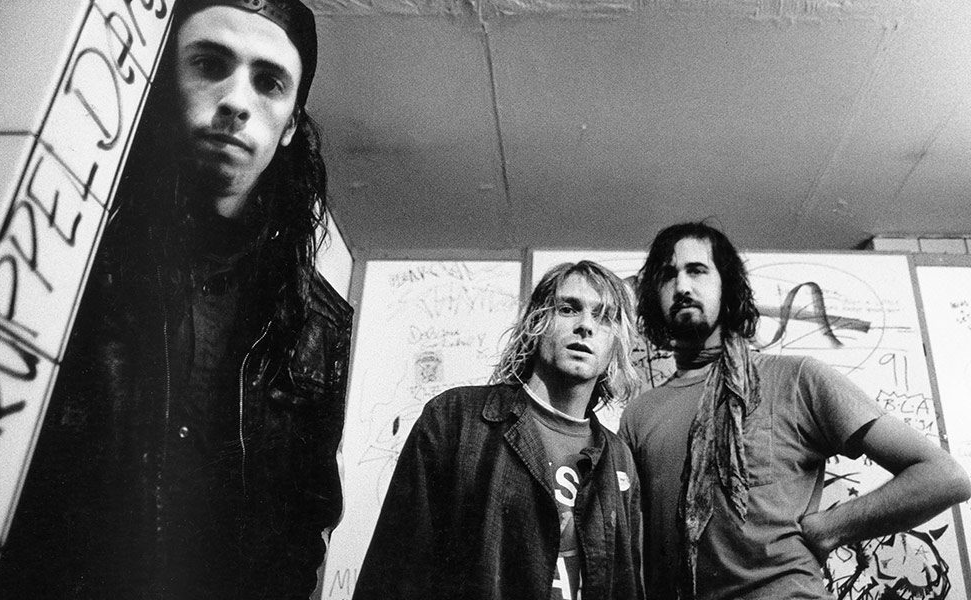
Few bands changed the direction of rock music as suddenly and completely as Nirvana. Driven by Kurt Cobain’s raw songwriting, Krist Novoselic’s muscular bass lines, and Dave Grohl’s explosive drumming, the trio brought punk intensity, pop melody, and emotional unease into the mainstream without sanding away their rough edges. Their songs could sound furious, vulnerable, sarcastic, and strangely beautiful within the same few minutes. From the cultural earthquake of “Smells Like Teen Spirit” and the haunting pull of “Come as You Are” to the bruising power of “Lithium” and the uneasy tenderness of “All Apologies,” Nirvana created music that spoke directly to alienation, frustration, identity, and disillusionment. Their finest recordings remain gripping because beneath the distortion were unforgettable melodies, sharp dynamics, and an emotional honesty that still feels startlingly immediate.
1. Smells Like Teen Spirit
“Smells Like Teen Spirit” is the song that transformed Nirvana from a respected underground rock band into an international phenomenon and, almost overnight, changed what mainstream rock music sounded like. Released on Nevermind, the recording combines one of Kurt Cobain’s most memorable guitar riffs with explosive dynamics, Dave Grohl’s thunderous drumming, Krist Novoselic’s heavy bass, and a vocal performance that moves from weary detachment to full throated fury. The result is accessible enough for pop radio yet abrasive enough to retain the spirit of punk.
The famous guitar introduction is remarkably simple, but its effect is enormous. Once Grohl’s drums enter, the track develops the physical force that became central to Nirvana’s sound. The quiet verses and crushing choruses create a dramatic contrast that makes every eruption feel larger. Cobain understood instinctively how tension and release could turn a straightforward chord progression into something emotionally overwhelming.
The lyrics are intentionally fragmented, sarcastic, and resistant to easy interpretation. Instead of presenting a clear narrative, Cobain fills the song with images and phrases that capture boredom, alienation, irony, and youthful confusion. That ambiguity became part of the song’s fascination. Listeners could recognize the emotional atmosphere even when individual lines seemed deliberately elusive.
The music video amplified its cultural impact by presenting a chaotic school assembly that gradually dissolves into rebellion. Cheerleaders, students, musicians, and destruction created a visual language perfectly suited to a generation suspicious of polished authority and conventional expectations.
“Smells Like Teen Spirit” remains Nirvana’s signature recording because it manages to sound both immediate and mysterious. Its riff is instantly identifiable, its chorus still explodes with startling power, and Cobain’s vocal retains the sense that he is simultaneously participating in and mocking the very anthem he created. Few rock songs have so completely captured a cultural moment while remaining powerful long after that moment passed.
2. Come As You Are
“Come As You Are” reveals the more hypnotic side of Nirvana, replacing the explosive opening attack of some of the band’s best known recordings with a guitar figure that seems to drift through water. The song became one of the defining tracks from Nevermind because it demonstrates how effectively Kurt Cobain could combine simplicity, ambiguity, and melody. Everything feels familiar on the surface, yet something uneasy remains underneath.
The opening guitar sound immediately establishes the atmosphere. Cobain’s riff has a liquid, almost dreamlike quality, while Krist Novoselic’s bass and Dave Grohl’s restrained drumming provide a steady foundation. The performance creates tension without requiring speed or overwhelming volume. When the heavier sections arrive, they feel like pressure emerging from beneath an otherwise calm surface.
The lyric is filled with contradictions. The narrator invites someone to arrive exactly as they are while simultaneously presenting conflicting expectations about identity, memory, friendship, and trust. Cobain’s words resist a single interpretation, which is part of their enduring fascination. The song can sound welcoming, suspicious, affectionate, and threatening within the same passage.
His vocal performance is equally important. Cobain sings much of the track with controlled weariness, allowing his rougher voice to appear only when the arrangement demands greater intensity. This restraint makes the song unusually intimate compared with the full force of “Smells Like Teen Spirit.”
“Come As You Are” remains one of Nirvana’s most popular songs because it captures the contradictions that made the band compelling. The melody is beautiful, but the atmosphere is unsettling. The invitation sounds friendly, yet the words introduce uncertainty. The production is polished enough for radio, but Cobain’s personality prevents it from feeling calculated. Nirvana created a song that invites listeners closer while never allowing them to feel completely certain about what they have entered.
3. Heart Shaped Box
“Heart Shaped Box” is one of Nirvana’s darkest and most fascinating songs, opening In Utero with a combination of twisted romance, unsettling imagery, heavy guitar, and emotional discomfort. Kurt Cobain’s songwriting had become increasingly resistant to straightforward interpretation by this point, and the track is filled with images that feel simultaneously intimate, bodily, spiritual, and disturbing. Rather than offering a conventional love song, Cobain creates something closer to an emotional fever dream.
The guitar riff is slow, ominous, and immediately recognizable. Krist Novoselic’s bass reinforces its weight while Dave Grohl’s drums give the chorus enormous impact. The verses seem almost trapped inside themselves before the chorus tears the walls open. This contrast between restraint and eruption had long been part of Nirvana’s musical vocabulary, but here it feels especially uncomfortable because the emotional tension never fully disappears.
Cobain’s vocal is extraordinary. During the verses he sounds haunted and exhausted, yet when the chorus arrives his voice becomes raw enough to seem physically painful. That transformation gives the track a sense of genuine instability. The listener never receives the comforting impression that the narrator has gained control over the feelings being described.
The surreal video adds another layer through religious symbolism, illness, childhood imagery, flowers, anatomical references, and dreamlike landscapes. Its strange visual world complements the song because both resist simple explanation.
“Heart Shaped Box” remains essential because it captures Nirvana at a moment when enormous fame had not simplified Cobain’s artistic instincts. If anything, the music became stranger and more confrontational. The song contains a memorable chorus and a powerful riff, but neither provides easy comfort. Beauty, resentment, desire, illness, and dependency seem tangled together. That emotional complexity makes the recording feel less like a conventional rock single and more like an exposed nerve set to music.
4. Lithium
“Lithium” is one of Nirvana’s finest demonstrations of dynamic songwriting, repeatedly shifting between quiet introspection and explosive release. The song follows a narrator whose emotional state appears unstable, moving through loneliness, faith, anger, self reassurance, and moments of almost forced optimism. Kurt Cobain never explains the character completely, allowing the listener to experience the fluctuations directly rather than receiving a neat psychological portrait.
The arrangement is deceptively controlled. During the quieter sections, guitar and bass move with a restrained pulse while Dave Grohl keeps the drums relatively contained. Then the chorus arrives and everything becomes louder, heavier, and more physically immediate. The contrast makes emotional volatility part of the arrangement itself. The music does not simply accompany the narrator’s changing state. It becomes that state.
Cobain’s performance is particularly memorable because he can sound numb in one moment and completely overwhelmed in the next. His repeated vocal phrases accumulate intensity as the song progresses, creating the impression of someone attempting to convince himself that everything remains manageable. The more often certain reassurances return, the less convincing they seem.
The title inevitably suggests medication associated with mood stabilization, but the song operates more broadly as a portrait of someone searching for something powerful enough to organize an unstable inner life. Religion, relationships, isolation, and self discipline all seem to become possible anchors.
“Lithium” remains one of Nirvana’s most popular recordings because it turns emotional contradiction into compelling rock music. The song can be melodic, abrasive, funny, frightening, and vulnerable within a few minutes. It also displays the extraordinary chemistry between Cobain, Novoselic, and Grohl. Each musician understands exactly when to hold back and when to explode. That precision allows “Lithium” to feel chaotic without actually being uncontrolled, one of the defining paradoxes of Nirvana’s music.
5. In Bloom
“In Bloom” is one of Nirvana’s sharpest pieces of irony, combining a huge chorus and muscular rock arrangement with lyrics that question whether some of the band’s listeners actually understood what Kurt Cobain was trying to say. The song is catchy enough to invite enthusiastic participation, yet its central joke is aimed partly at people who might sing along without paying attention to the meaning. That contradiction makes the recording both accessible and quietly confrontational.
The music is enormous. Dave Grohl’s drums give the opening immediate authority, Krist Novoselic’s bass provides a thick foundation, and Cobain’s guitar alternates between controlled verses and grinding choruses. The chorus sounds perfectly designed for mass participation even while the lyric questions thoughtless participation itself. This tension between commercial appeal and resistance to mainstream expectations became increasingly important as Nirvana’s popularity exploded.
Cobain’s vocal performance moves between detached observation and abrasive intensity. His melody is memorable enough to sound almost classic, but the roughness of his voice keeps the song from becoming comfortable. The guitar solo follows a similarly unconventional path, emphasizing texture and attitude rather than polished virtuosity.
The music video strengthens the satire by presenting the group first as neat, smiling television entertainers before the performance gradually becomes chaotic. The contrast makes fun of older entertainment conventions while also acknowledging that every rebellious rock band eventually risks becoming another product presented to audiences.
“In Bloom” remains one of Nirvana’s greatest songs because it contains a contradiction that followed the band throughout its brief rise. Cobain wanted music to communicate something real, but immense popularity inevitably brought listeners who might care more about the sound, fashion, or attitude than the ideas underneath. Instead of explaining that frustration through an interview, he turned it into an irresistible rock song. The result allows anyone to sing along while quietly asking whether they know what they are singing about.
6. All Apologies
“All Apologies” is one of Nirvana’s most haunting and emotionally ambiguous compositions, a song that sounds gentle compared with much of the band’s catalog but carries a deep sense of exhaustion beneath its melody. Kurt Cobain fills the lyric with questions, contradictions, resignation, and images that never settle into one obvious meaning. The result feels like someone searching for peace while remaining uncertain whether peace is actually possible.
The version performed for MTV Unplugged in New York reveals just how strong the composition is without the protective wall of distortion associated with Nirvana’s louder recordings. Acoustic guitar, bass, restrained percussion, cello, and Cobain’s exposed vocal create an atmosphere of remarkable intimacy. The quieter arrangement makes the vulnerability harder to avoid. Every hesitation and rough edge in Cobain’s voice becomes part of the emotional meaning.
The melody is unusually graceful, particularly given the tension contained in the words. Cobain had an extraordinary instinct for writing vocal lines that could feel almost comforting even when the lyric suggested discomfort, alienation, or resignation. That contrast is central to the song’s beauty.
As the closing refrain repeats, language becomes increasingly meditative. Rather than offering a conventional resolution, the song seems to circle around the same thought until individual words begin functioning more like sound and feeling than explanation.
“All Apologies” became especially poignant after Cobain’s death, but its power does not depend solely upon biography. The song was already compelling because it captured emotional weariness without turning it into melodrama. Nirvana often expressed frustration through volume and distortion, yet here restraint becomes more powerful than aggression. The performance feels close enough to hear every fragile detail. It demonstrates that beneath Nirvana’s reputation for noise was a songwriter capable of remarkable melodic tenderness, making “All Apologies” one of the clearest examples of Cobain’s ability to make beauty and discomfort occupy the same space.
7. The Man Who Sold the World
“The Man Who Sold the World” occupies a unique place in Nirvana’s history because it was written and originally recorded by David Bowie, yet Nirvana’s performance became so famous that generations of listeners encountered the song through Kurt Cobain’s voice. Their version from MTV Unplugged in New York strips away much of the theatrical character associated with Bowie’s original and replaces it with something colder, more intimate, and eerily fragile.
The arrangement immediately creates an unusual atmosphere. Acoustic guitar carries the recognizable melodic figure while bass, restrained drums, and additional instrumentation provide depth without disturbing the tension. Nirvana does not attempt to overpower the composition. Instead, the band allows its strange narrative and haunting melody to remain central.
Cobain’s vocal is one of the great performances of the Unplugged set. He sounds detached yet intensely present, giving the mysterious conversation at the heart of the lyric an almost ghostly quality. The song concerns identity, recognition, and an encounter with someone who seems strangely familiar. In Cobain’s voice, those themes acquire an additional sense of unease.
The performance also revealed Nirvana’s musical curiosity. Rather than filling the acoustic concert with obvious versions of their largest hits, the group included unexpected covers that pointed toward influences and songs they genuinely valued. This decision made the set feel personal rather than commercially predictable.
“The Man Who Sold the World” remains one of Nirvana’s most popular recordings because the band did something more valuable than simply reproduce a classic song. They discovered another emotional possibility inside it. The arrangement is respectful but unmistakably theirs, and Cobain’s voice changes the character of the material without erasing its original mystery. It stands as a reminder that interpretation can be creative in its own right, and that a great cover can reveal something hidden inside a song listeners thought they already understood.
8. About a Girl
“About a Girl” is one of the clearest early demonstrations of Kurt Cobain’s natural gift for pop melody. Originally appearing on Nirvana’s debut album Bleach, the song stood apart from some of the record’s heavier material through its concise structure, memorable chord movement, and emotional directness. Beneath the rough production and underground rock identity was a songwriter who clearly understood the melodic traditions of classic pop.
The performance on MTV Unplugged in New York brought that quality into sharper focus. Without heavy distortion, Cobain’s guitar progression sounds almost timeless, while Krist Novoselic’s bass and Dave Grohl’s restrained playing reveal how much rhythmic subtlety existed within the song. The acoustic arrangement removes much of the noise but leaves the emotional tension completely intact.
The lyric portrays a relationship shaped by dependency, frustration, domestic expectations, and emotional uncertainty. Cobain does not transform the situation into conventional romance. Instead, affection and irritation appear side by side. That ambivalence gives the song more character than a straightforward declaration of love would have provided.
Cobain’s vocal on the Unplugged performance is particularly striking because he sounds both relaxed and exposed. His phrasing preserves the roughness associated with Nirvana while allowing the melody to emerge more clearly than in many louder performances.
“About a Girl” became increasingly important to Nirvana’s legacy because it proved that melodic songwriting was present from the beginning. The band’s later global success did not suddenly create Cobain’s ability to write memorable hooks. That instinct was already visible during the Bleach period. The song also helps explain why Nirvana could cross from underground rock into mainstream culture without abandoning its personality. Cobain could write melodies that listeners remembered immediately, but he surrounded them with enough tension, irony, and imperfection to prevent them from feeling conventional. “About a Girl” is concise, uneasy, melodic, and unmistakably Nirvana.
9. Something in the Way
“Something in the Way” is one of Nirvana’s quietest recordings, yet its atmosphere can feel heavier than many of the band’s most distorted songs. Positioned near the end of Nevermind, the track strips Nirvana’s sound down to a murmur. Kurt Cobain sings in a subdued voice over sparse guitar while cello, bass, and restrained accompaniment create a claustrophobic atmosphere. The effect is less like a conventional rock performance and more like overhearing someone’s private thoughts in a dark room.
The song draws upon imagery of isolation and survival, with a narrator imagining existence beneath a bridge and living according to an almost primitive routine. Whether every detail should be treated literally matters less than the emotional landscape the imagery creates. The song communicates disconnection, deprivation, and the feeling of existing outside ordinary social life.
Cobain’s vocal is remarkably quiet. There is almost no attempt to dramatize the suffering suggested by the lyric. That restraint makes the performance more unsettling because the narrator sounds beyond the point of protest. The cello deepens the atmosphere, adding a mournful texture without making the arrangement sentimental.
The song later reached a new generation of listeners when its dark mood was prominently used in popular film culture, demonstrating how effectively its atmosphere can function outside the context of Nevermind. Yet the recording’s power was always present. It offers an important contrast with the album’s explosive singles and demonstrates that Nirvana could create intensity through stillness as effectively as through volume.
“Something in the Way” remains compelling because it refuses to provide release. There is no enormous chorus arriving to break the tension and no triumphant conclusion to explain the suffering. The song simply remains inside its atmosphere. That refusal to resolve the discomfort gives it extraordinary staying power. Nirvana’s loudest recordings often expressed alienation through impact, but here Cobain communicates it through near silence, proving that vulnerability could be every bit as heavy as distortion.
10. You Know You’re Right
“You Know You’re Right” carries a unique emotional weight because it became the final studio recording by Nirvana to be widely released as a new song after Kurt Cobain’s death. The track captures many of the qualities that defined the band while also sounding unusually severe. Quiet tension, abrasive guitar, melodic instinct, emotional ambiguity, and Cobain’s increasingly desperate vocal performance combine into a recording that feels both familiar and unsettling.
The opening is restrained, with guitar textures and rhythm creating an atmosphere of unease before the arrangement begins gathering force. Krist Novoselic and Dave Grohl provide a heavy but disciplined foundation, allowing Cobain’s vocal to become the emotional center. As the song develops, his voice seems to move from exhausted resignation toward something close to a scream. The transition gives the recording extraordinary intensity.
The lyrics revolve around conflict, withdrawal, discomfort, and the desire to escape a situation that has become emotionally unbearable. As with many Cobain songs, the words resist a single definitive interpretation. Their power comes partly from how naturally they communicate frustration without explaining every circumstance surrounding it.
The chorus is especially striking because melody and pain coexist so closely. Cobain’s gift was often his ability to create memorable hooks without making difficult emotions feel artificially polished. Here that quality reaches an extreme. The vocal is catchy enough to remain in the listener’s memory, yet its delivery sounds almost physically strained.
“You Know You’re Right” became an essential part of Nirvana’s catalog because it does not feel like an unfinished historical curiosity. It sounds like a fully realized Nirvana recording with genuine force, memorable songwriting, and a distinctive emotional identity. Knowledge that it arrived after the band’s story had ended inevitably changes how listeners hear it, but the music stands independently of that context. The song captures Nirvana’s ability to turn emotional conflict into sound with extraordinary economy, leaving behind one final performance that feels unresolved, powerful, and unmistakably theirs.

Edward Tomlin is a frequent contributor to Singers Room. Since 2005, Singersroom has been the voice of R&B around the world. Connect with us via social media below.
Source link
