
Alternative Rock
coldrain On Legacy, Influence & New Album ‘OPTIMIZE = OPTDEMISE’
Oct
In a world that so badly wants us to conform, coldrain keep carving out their own path.
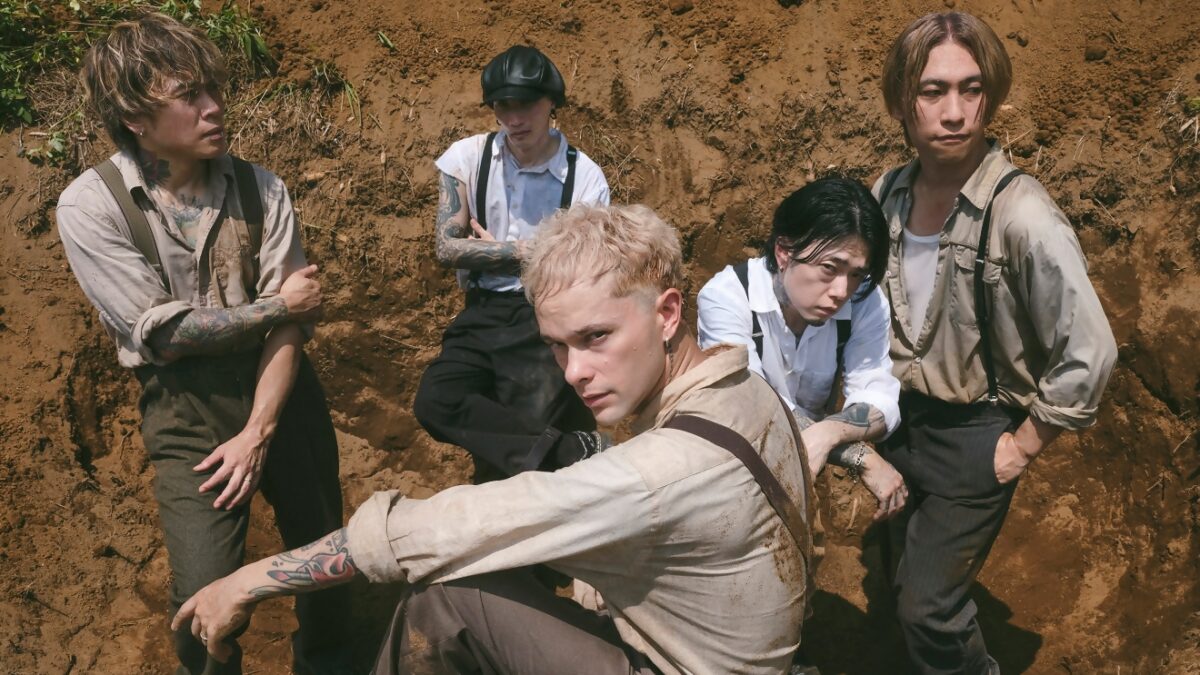
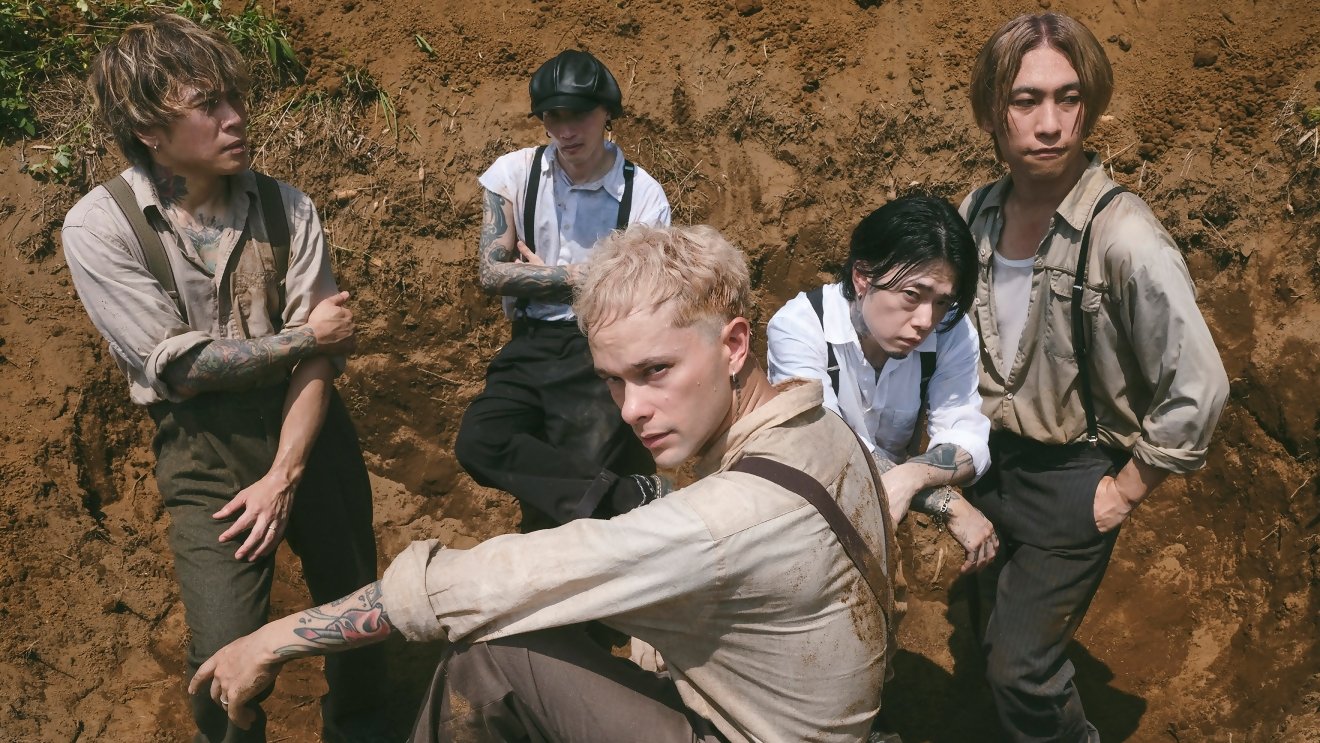
Two decades in and still finding new and exciting ways to captivate audiences on both sides of the world, the band find themselves at a fascinating point right now.
With their new record ‘OPTIMIZE = OPTDEMISE’, a 12-song collection split into groups of five and seven representing different writing periods, they have honed in on what gets their blood boiling about modern life and made sure they are the antidote. The result is fast, furious and fantastically catchy, allowing the band to indulge in everything they love about alternative music whilst standing up for what they so passionately believe in.
To discuss influence, taking action and their ever-expanding legacy, Rock Sound caught up with vocalist Masato whilst the band made their way around Australia alongside Electric Callboy.
Rock Sound: How are you feeling as a band now that this album is out?
Masato: We’re super stoked on what it’s become and on the process. From what we did with ‘OPTIMIZE’, those five songs were created with a lot of time and released and toured for a long time. But the last seven songs, we actually did it the opposite way of writing, and we did it in three weeks. We got in a room together and just kept writing, a process that felt like we were back in high school or something. Five guys in a room, looking for certain sounds and what we wanted to do, but at the same time, we didn’t want to overthink it. That’s why we didn’t want to take more time. I know that can be a better creative choice sometimes, but for a band like ours that’s been around for 20 years, we already know it’s going to sound like a coldrain record in the end.
The theme was always there from ‘OPTIMIZE’, about where we are now as a society and where we’re heading. Then it all came down to being more raw and more human, and that brought out the negative side of feelings, as well as the positive side. So I think that’s why the record in full has a lot of variety. We’re on our eighth full-length, and I don’t think we’ve ever made a song where we’re uncertain if it’s good. We’ve always been proud of what we make, but I think with the last seven songs we’ve made, there’s been a rush to make them. We’re still falling in love with the record itself as we speak, so that is the general feeling right now.
RS: You mention the themes of this era, and AI has played a big part in that. Obviously, it is a global issue right now, but what effect has it had at home for you? What has the reaction been in Japan that has influenced the direction you wanted to go?
Masato: To me, I understand when something is a tool that makes life easier, and when it can be used creatively or gives you more time to be creative. To be efficient is one thing. So it’s not like I’m fully against AI, but at the same time, I worry about where the line is between what is real and what’s been created. And in Japan, we talk about going from one to two and going from zero to one, meaning if AI is creating something from zero to one, that’s something that hasn’t been created by yourself. I get worried when our trains of thought go past something that’s been created, when those thought processes are being controlled by something fake. It feels like we are all moving toward becoming the same person. It’s heading toward a place where we can’t have conversations because it feels like everything is being controlled, and you’re losing your own thoughts.
When life gets so easy, in the long run, you start to forget where you actually started. One of my favourite movies growing up was The Matrix, and when something that once looked futuristic and cool becomes reality, reality, you start to wonder where it is heading. So many of those movies now feel like prophecies. It becomes really scary really quick.
So I just wanted some of our songs to be about thought. How we can’t stop thinking. How we can’t stop communicating. Around COVID, I think we were so lucky that we had technology. It was so cool that we could all stay connected. That was it. It was so cool that we could stay connected, but when even that connection feels artificial, that’s when it freaks me out. Those are the themes that we were hitting on, definitely.
RS: Without that connection, you wouldn’t have been inspired by sounds outside the culture you were born into. What does it mean to keep finding new ways to express what coldrain has been after for so long?
Masato: The first era of coldrain was, ‘How do we get our style of music known in Japan?’ Our second era is ‘How do we take this and make it international?’ We realised that some things from our first era, meant for the Japanese scene, were actually more original on the international scene. So what we needed to do to become more international was actually be more Japanese, and then what we did for Japan was be more international. So after 20 years, now it’s just, like, fuck it. Let’s not even think about it, and we tried that with some of these songs. We started out trying to be as dumb as we could, putting elements of metal and hardcore, all that kind of stuff. But because we were self-producing it, we told ourselves to take it a notch down because it sounded way too stupid. I think we found the right balance.
That’s how we end up with a straight-up emo song like ‘POISON’ and then how we end up getting Bert [McCracken] on the track. It’s us going through 20 years of trying to sound like The Used, and being able to write that in and embrace those influences is really cool to me. In terms of what’s going on with the music right now, we don’t know what’s popular or what trend there is. There’s no TikTok dance or anything that we’re trying to put to our song. We have just tried to have fun with it, and it became a record. And I think that has always been the most important part.
RS: It’s a really sweet spot to be in, and one that isn’t always a given. But when you are marching to your own beat and enjoying whatever reward comes out the other end, you can’t really go wrong.
Masato: That’s the thing. We’re not the newest trend, and we’re not trying to change the music scene, either. Just love what we do. It’s always interesting how we can try something completely new to us, but it’s so subtle it doesn’t feel like that. We’re a band that loves all those bands that, when you look back on music from 20 years ago, even 10 years ago, have that unique balance. In certain countries, when you become a band, you have to think about it differently because it’s such a big country and such a big market. And in a sense, we were pioneers in the Japanese market because there weren’t bands that could do things internationally like us, and we were lucky that we didn’t have to have a certain sound to fit in because we didn’t fit in anyway.
We’ve always been able to be newcomers to certain people, even in Japan. We’ve always had the chance to bring a fresh look. So we’ve been able to play so many shows that we go in there and we can still meet new people. We’ve seen enough success and growth that we feel like we’re doing the right thing for us. And I think this amount of success that we’ve had is the right balance for us. So, we’re in a good place.
RS: That must feel good and bodes well as you look toward whatever the future may hold. Consistency, excitement, and still having the same hunger and desire to meet people as you did at the start make for a potent cocktail.
Masato: After 20 years, and 10 years of doing this overseas, I’m still looking forward to the next 10 years. We’re not a young band anymore, but we can still win over a crowd. Everyone’s working towards the same goal. And a lot of our fans feel the same way, too. So that’s a really cool place to be in. Still taking it all in after all these years and still trying to take everything step by step.
RS: And the fact you still have the desire to go out and prove yourself goes back to the whole point of this record. At a time when it’s easy to make music that sits on the Internet, you still want to get in people’s faces, play small, sweaty shows, and show what it means to fall in love with this scene all over again.
Masato: That’s it. There have been festivals in Japan that have been optimised. They give everyone their own cubicle space and tell them not to touch each other, and they think that equals the best experience, but it’s so controlled. And it’s crazy when you start getting people who feel like that’s the right way of doing things. Where the rules are crystal clear, but that feels so weird to me. We’ve lost all our thoughts, and we feel like that’s reality, and that’s what’s right for the future. But I don’t.
Source link
