
-
×
 Hot Chip "Freakout/Release" (Indie Excl.)
1 × $45.00
Hot Chip "Freakout/Release" (Indie Excl.)
1 × $45.00 -
×
 Half Moon Run "Salt"
1 × $38.00
Half Moon Run "Salt"
1 × $38.00 -
×
 Hot Chip "A Bath Full Of Ectasy"
1 × $38.00
Hot Chip "A Bath Full Of Ectasy"
1 × $38.00
Pop/Hip Hop/R&B
10 Best The Beatles Songs of All Time
21
Aug
Aug
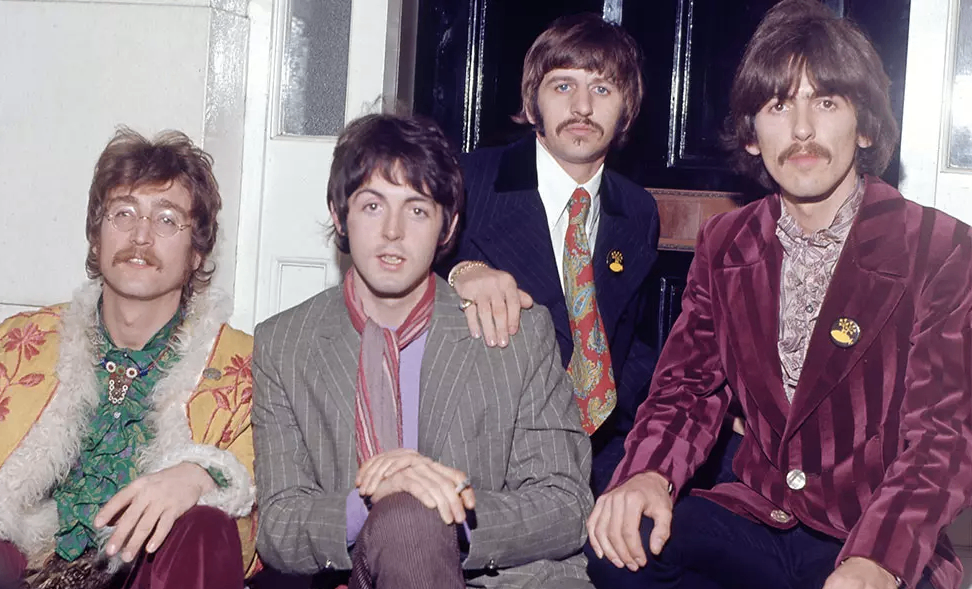
Few bands have changed popular music as completely as The Beatles. From the infectious energy of their early hits to the extraordinary studio experimentation of their later years, John Lennon, Paul McCartney, George Harrison, and Ringo Starr continually expanded what a pop group could sound like. Their catalog moves effortlessly through rock and roll, ballads, psychedelia, folk, soul, orchestral pop, and deeply personal songwriting, all while retaining an unmistakable melodic gift. From the timeless optimism of “Here Comes the Sun” and the sweeping emotion of “Hey Jude” to the psychedelic brilliance of “A Day in the Life” and the irresistible charm of “I Want to Hold Your Hand,” The Beatles created songs that became cultural landmarks. Their finest recordings remain fresh because imagination, melody, personality, and musical curiosity are embedded in every note.
1. Hey Jude
“Hey Jude” stands as one of The Beatles’ most universally beloved recordings, a song that begins with the intimacy of one person offering encouragement and ends with what feels like the entire world singing together. Written primarily by Paul McCartney, the composition grew from his desire to comfort Julian Lennon during the difficult period surrounding the separation of Julian’s parents. Yet the song quickly transcended its original inspiration. Its message about enduring pain, opening the heart, and finding the courage to move forward became broad enough to belong to anyone who needed reassurance.
The opening is beautifully restrained. McCartney’s voice and piano carry almost everything, allowing the lyric to sound conversational rather than theatrical. Gradually, bass, drums, guitar, harmonies, and orchestral textures enter, widening the emotional landscape. The arrangement grows in much the same way encouragement can grow into confidence. What begins as quiet advice eventually becomes a communal declaration.
The famous extended closing section is one of the great acts of repetition in popular music. Instead of becoming monotonous, the recurring vocal refrain becomes increasingly powerful as voices, orchestration, and McCartney’s improvised cries accumulate around it. The song stops behaving like a conventional pop composition and becomes something closer to a shared ritual.
John Lennon, George Harrison, and Ringo Starr each contribute to the recording’s remarkable balance, but McCartney’s vocal remains its emotional center. He moves from tenderness toward an almost ecstatic intensity without losing the warmth established at the beginning.
“Hey Jude” remains enormously popular because it understands that encouragement does not always require complicated language. Sometimes people simply need to be reminded that sadness can be transformed rather than denied. The Beatles take that simple emotional idea and expand it into a monumental recording, proving that a personal message offered to one child could eventually become one of the most widely shared songs in popular music history.
2. Let It Be
“Let It Be” is one of The Beatles’ most enduring songs of reassurance, built around a phrase so simple that it has become almost proverbial. Paul McCartney conceived the song during a period of uncertainty, drawing inspiration from a dream involving his late mother, Mary. Rather than turning that experience into a complicated narrative, he shaped it into a meditation on acceptance, patience, and the possibility that peace sometimes comes not from controlling circumstances but from allowing them to unfold.
The piano establishes the song’s character immediately. Its chord movement is stately without becoming grandiose, creating enough space for McCartney’s vocal to feel intimate. The melody carries consolation without sounding sentimental. As bass, drums, organ, backing voices, and guitar enter, the recording gradually acquires greater emotional scale while preserving the calm at its center.
George Harrison’s guitar work provides an important contrast to the smoothness of the piano and vocal arrangement. His expressive lines add a sharper emotional edge, reminding the listener that acceptance is not necessarily the same thing as ease. Ringo Starr’s drumming remains disciplined, while the harmonies add the unmistakable Beatles character around McCartney’s lead.
The repeated title phrase works because it can hold different meanings depending upon the listener’s circumstances. It may suggest patience during conflict, release after disappointment, spiritual trust, or simply the wisdom to stop fighting what cannot immediately be changed. The lyric never forces one interpretation.
“Let It Be” became particularly poignant because it arrived near the end of The Beatles’ life as an active group. That historical context inevitably adds emotional weight, but the song does not depend upon nostalgia. Its appeal remains much broader. People continue returning to it during moments of confusion because its central message offers calm without pretending that every problem has already disappeared. The Beatles created a song in which simplicity becomes wisdom, allowing a few familiar words to carry extraordinary emotional strength.
3. Here Comes the Sun
“Here Comes the Sun” is one of George Harrison’s greatest contributions to The Beatles, a radiant song about renewal that transforms the changing of the seasons into a metaphor for emotional survival. Written during a period when Harrison was increasingly frustrated by business pressures surrounding the band, the composition captures the relief of stepping away from difficulty and recognizing that darkness does not last forever. Its optimism feels convincing precisely because the song understands what it means to have endured a long winter.
The acoustic guitar introduction is instantly recognizable, delicate yet rhythmically alive. Harrison’s playing gives the song a warmth that feels almost tactile, while later layers of bass, keyboards, percussion, and harmonies create a gradually brightening musical landscape. The arrangement seems to imitate sunlight spreading across a room. Nothing arrives with unnecessary force. The sense of renewal develops naturally.
Harrison’s vocal is gentle and reassuring. He does not sing as though he is announcing a dramatic victory. Instead, he sounds like someone noticing that conditions have begun to change and quietly sharing that discovery. This restraint makes the optimism feel unusually sincere.
The unusual rhythmic passages demonstrate that the song is more sophisticated than its effortless surface suggests. Harrison combines accessibility with subtle structural invention, showing how far he had developed as a songwriter by the time of Abbey Road. The harmonies from his bandmates reinforce the sense of warmth without overpowering his personal voice.
“Here Comes the Sun” has become one of The Beatles’ most loved recordings because its message remains eternally useful. Everyone experiences seasons that seem to last too long. Grief, uncertainty, exhaustion, and disappointment can make change feel impossible. Harrison does not promise that hardship never returns. He simply captures the extraordinary moment when someone realizes that the cold has begun to lift. The Beatles turn that recognition into three minutes of musical sunlight, creating a song capable of sounding hopeful without ever becoming naive.
4. Come Together
“Come Together” opens Abbey Road with one of the strangest and most magnetic grooves The Beatles ever recorded. Built around John Lennon’s surreal lyric, Paul McCartney’s elastic bass, Ringo Starr’s wonderfully unconventional drumming, and an atmosphere thick with mystery, the track demonstrates how dramatically the group had evolved from the bright guitar pop of its earliest years. Everything about the recording feels confident, spacious, and slightly dangerous.
The rhythm section is the true engine of the song. McCartney’s bass does far more than support the harmony. It becomes a melodic character, sliding and curling through the arrangement while Starr creates a drum pattern that feels loose and precise at the same time. The groove seems to move sideways rather than simply forward. This unusual rhythmic feel gives the song a hypnotic quality that remains instantly recognizable.
Lennon’s lyric presents a series of fragmented images rather than a coherent narrative. Characters, phrases, physical descriptions, and mysterious references appear and disappear without explanation. The words function partly through sound and attitude, giving Lennon the freedom to create an atmosphere rather than tell a conventional story.
His vocal performance is equally distinctive. He sounds relaxed, sardonic, intimate, and commanding, often within the same line. George Harrison’s guitar work adds controlled flashes of tension, while the studio production allows every instrument to occupy a clear space.
“Come Together” remains one of The Beatles’ most popular songs because it demonstrates that accessibility does not require simplicity of mood. The chorus is memorable, yet the verses remain wonderfully strange. The groove invites immediate recognition, yet the lyric refuses complete explanation. It is a recording built from personality, rhythm, and atmosphere, showing four musicians capable of creating something sophisticated without sounding self conscious. Decades later, “Come Together” still possesses the rare quality of sounding both firmly rooted in its era and somehow perpetually cool.
5. Yesterday
“Yesterday” represents one of the most dramatic departures in The Beatles’ early catalog, replacing the group’s familiar electric energy with Paul McCartney’s voice, acoustic guitar, and a restrained string quartet. The result is one of the purest expressions of regret in popular music. Rather than describing the end of a relationship through anger or elaborate storytelling, McCartney focuses on the bewildering contrast between a happier past and a painful present.
The melody is extraordinary because it feels inevitable, as though it had always existed and McCartney simply discovered it. Its graceful movement supports a lyric built from direct language, allowing the emotional impact to arrive without excessive decoration. The song’s sophistication is hidden inside its apparent simplicity. Every melodic turn seems natural, yet the composition remains distinctive enough to have inspired generations of interpretations.
The string quartet was a bold choice within the context of The Beatles’ development. Rather than making the track sound excessively formal, the strings add warmth and melancholy around McCartney’s acoustic performance. Their presence also pointed toward the increasing willingness of the group and producer George Martin to treat the studio as a place where pop music could draw from musical traditions far beyond conventional rock instrumentation.
McCartney’s vocal is restrained, which makes the regret more convincing. He does not sound consumed by theatrical despair. Instead, he sounds like someone quietly replaying a mistake and wishing time could reverse itself. The absence of the other Beatles from the core performance reinforces that isolation.
“Yesterday” became one of the most celebrated compositions associated with The Beatles because its emotional situation is universally recognizable. Almost everyone has experienced a moment when the past suddenly seemed easier than the present. The song captures that feeling without trying to solve it. There is no dramatic reconciliation and no grand revelation. There is only memory, regret, and a melody beautiful enough to make longing feel almost comforting.
6. Something
“Something” established George Harrison beyond any doubt as a songwriter capable of standing beside the extraordinary partnership of John Lennon and Paul McCartney. Featured on Abbey Road, the song is a mature expression of attraction and devotion that avoids exaggerated romantic language. Harrison’s narrator is captivated by someone yet remains aware that love contains mystery. He cannot fully explain why the relationship matters so much, and that uncertainty becomes one of the composition’s greatest strengths.
The opening guitar phrase is immediately recognizable, elegant and unhurried. Harrison’s lead vocal carries tenderness without excessive sentimentality, while Paul McCartney’s bass moves with remarkable melodic freedom beneath him. The instrumental parts behave almost like separate voices responding to the emotion in the lyric. Ringo Starr’s drumming remains subtle and responsive, and the orchestral arrangement adds richness without overwhelming the band’s performance.
The bridge introduces a moment of uncertainty into what might otherwise have been a straightforward declaration of love. Harrison admits that he cannot predict the future, giving the song emotional credibility. Love is powerful, but it does not automatically provide complete knowledge of what comes next.
Harrison’s guitar solo is one of his finest, lyrical rather than flashy. It feels like an extension of the vocal melody, allowing the instrument to communicate what the words cannot. This economy reflects Harrison’s broader musical personality. He rarely needed unnecessary notes when a carefully shaped phrase could say more.
“Something” became one of The Beatles’ most enduring love songs because it recognizes that attraction can be profound without being fully explainable. Harrison does not dissect the emotion until its mystery disappears. Instead, he allows uncertainty to remain part of the beauty. The recording is sophisticated, romantic, and beautifully balanced, offering one of the clearest demonstrations of Harrison’s growth during the band’s later years and one of the most graceful love songs in the entire Beatles catalog.
7. A Day in the Life
“A Day in the Life” is one of The Beatles’ most ambitious recordings, closing Sgt. Pepper’s Lonely Hearts Club Band with a piece that seems to expand the boundaries of what a rock song can contain. John Lennon’s dreamlike verses, Paul McCartney’s contrasting middle section, George Martin’s orchestral conception, and the band’s increasingly fearless studio experimentation combine into a composition that moves between ordinary routine and something vast, surreal, and unsettling.
Lennon’s opening vocal is hauntingly detached. His melody floats over piano and restrained instrumentation while the lyric draws fragments from newspapers, memories, and everyday observation. The ordinary becomes strange simply through the way Lennon looks at it. Public tragedy, entertainment, crowds, and mundane information blur together until modern life itself begins to feel dreamlike.
The orchestral passages provide the great rupture. Rather than using the orchestra to create conventional beauty, the recording sends the musicians through an accelerating rise that produces chaos and anticipation. The effect is extraordinary because it functions like a doorway between different realities.
McCartney’s section suddenly brings the listener into an ordinary morning routine. Waking, preparing for the day, rushing for transportation, and drifting into thought provide a striking contrast with Lennon’s distant observations. The juxtaposition gives the song its unusual scale, placing daily routine beside existential unease.
The final piano chord is one of the most memorable endings in recorded music. Instead of a traditional fade or quick resolution, the sound continues resonating until silence gradually takes over.
“A Day in the Life” remains central to The Beatles’ artistic legacy because it shows them thinking beyond conventional song structure without abandoning emotional communication. The recording is experimental, but its experimentation serves atmosphere and meaning. It makes ordinary existence feel mysterious, suggesting that beneath newspapers, routines, conversations, and daily habits lies something strange and difficult to define. Few recordings better demonstrate why The Beatles became synonymous with the expansion of popular music’s possibilities.
8. I Want to Hold Your Hand
“I Want to Hold Your Hand” captures The Beatles at the height of their early youthful exhilaration, transforming one of the simplest romantic desires imaginable into a performance bursting with electricity. The song played a crucial role in their international breakthrough and remains one of the clearest examples of how John Lennon and Paul McCartney could make direct language feel irresistible through melody, harmony, rhythm, and sheer personality.
The opening immediately creates excitement. Guitar chords, bass, drums, and tightly blended voices arrive with almost no introduction, establishing the sense that the song has already begun before the listener can prepare. The recording seems unable to contain its own enthusiasm. Lennon and McCartney’s vocal blend is especially important, giving the melody a communal excitement that one singer alone could not have produced.
The lyric does not need elaborate poetry because the emotion is universal. Physical contact becomes a symbol of romantic possibility. The narrator is not describing a complicated relationship. He is capturing the thrill of wanting closeness and believing that a small gesture could communicate everything that words cannot.
George Harrison’s guitar adds brightness and propulsion, while Ringo Starr’s drumming keeps the performance moving with disciplined energy. The band’s precision is easy to overlook because the recording sounds so spontaneous. Beneath that excitement is a tightly arranged piece of pop craftsmanship.
The song also represents the extraordinary force of early Beatlemania. When audiences heard this kind of music accompanied by the group’s humor, style, and youthful confidence, the effect was cultural as well as musical. Yet “I Want to Hold Your Hand” survives independently of that history because the recording itself remains joyful.
Its lasting appeal lies in emotional directness. Before psychedelia, elaborate studio experimentation, and increasingly introspective songwriting transformed The Beatles, they were already masters of communicating excitement. This song captures the sensation of discovering romantic possibility and wanting the entire world to know about it.
9. Help!
“Help!” sounds like an exuberant pop song, yet beneath its bright harmonies and energetic rhythm lies one of John Lennon’s earliest openly vulnerable compositions. Written as the title song for The Beatles’ second feature film, it initially appeared to fit neatly into the band’s rapidly expanding entertainment empire. Over time, however, Lennon spoke about how deeply the words reflected his emotional state during the overwhelming period of global fame surrounding the group.
The contrast between music and message is central to the song’s power. The arrangement races forward while the narrator admits that his confidence has begun to disappear. Guitar, bass, drums, and tightly organized harmonies make the recording sound lively, but the lyric describes insecurity and the recognition that independence has limits.
Lennon’s lead vocal carries urgency without sacrificing melody. Paul McCartney and George Harrison provide backing parts that answer and overlap with the main line, creating one of the band’s most effective vocal arrangements. Ringo Starr’s drumming keeps the song moving briskly, preventing the emotional content from becoming heavy.
The narrator compares his younger self with the person he has become. Confidence once seemed natural, but experience has introduced uncertainty. That recognition gives the song extraordinary relatability. Adulthood often involves discovering that strength does not mean never needing anyone else.
“Help!” became one of The Beatles’ most enduring songs because it places vulnerability inside an energetic pop framework. A casual listener can enjoy the melody and momentum, while closer attention reveals something far more revealing. Lennon was beginning to use popular songwriting as a way of exposing emotional realities that did not always match the confident public image surrounding him.
The song therefore marks an important stage in The Beatles’ development. The craftsmanship of their early hits remains present, but the emotional subject has become more personal. “Help!” is catchy enough to inspire immediate singing yet honest enough to sound like a genuine request from someone learning that success does not eliminate uncertainty.
10. Strawberry Fields Forever
“Strawberry Fields Forever” is one of John Lennon’s most imaginative Beatles compositions, transforming memories of childhood into a psychedelic meditation on perception, identity, nostalgia, and the uncertainty of knowing what is real. The title refers to a place connected with Lennon’s Liverpool childhood, but the song is far more than a straightforward reminiscence. Memory becomes dream, and the past becomes a landscape that can be revisited without ever being recovered completely.
The opening sound immediately places the listener somewhere unusual. Mellotron creates the distinctive flute like texture, while percussion, guitar, bass, orchestration, and manipulated studio sounds gradually build an atmosphere that feels simultaneously intimate and unreal. The production makes memory sound unstable. Familiar images seem to move and change depending upon how they are approached.
Lennon’s vocal is central to that atmosphere. He sounds reflective, distant, and slightly uncertain, perfectly matching lyrics that repeatedly question perception. Rather than presenting himself as someone who fully understands his own thoughts, Lennon allows confusion to become part of the composition.
The recording is also celebrated for the ingenuity involved in combining different performances into the finished master. Producer George Martin and the band used studio techniques to unite sections recorded with different arrangements and characteristics, helping create the dreamlike discontinuity that defines the final version.
The accompanying promotional film reinforced the song’s strange visual world through experimental imagery and unconventional editing. Together, the music and visuals signaled how far The Beatles had traveled from straightforward performance based pop presentation.
“Strawberry Fields Forever” remains one of the group’s greatest achievements because it captures nostalgia without making the past seem simple. Childhood memory appears comforting but unreachable, beautiful but distorted by time. Lennon uses that tension to create a song that rewards repeated listening because its meaning never settles completely. The Beatles turn personal memory into sonic imagination, producing a recording that remains mysterious, emotionally resonant, and startlingly modern decades after its creation.

Edward Tomlin is a frequent contributor to Singers Room. Since 2005, Singersroom has been the voice of R&B around the world. Connect with us via social media below.
Source link
