
Pop/Hip Hop/R&B
10 Best Inxs Songs of All Time
Aug
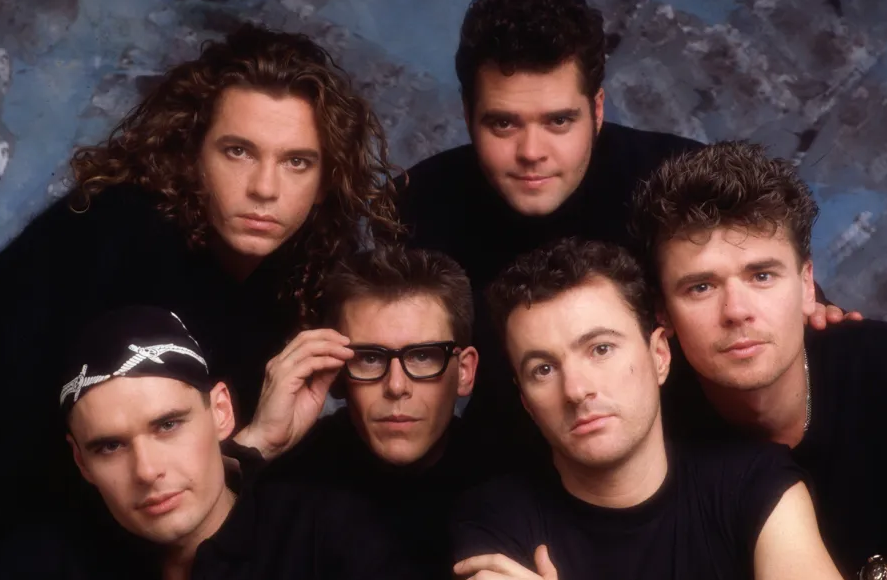
Few bands blended rock, funk, dance rhythms, and irresistible pop hooks with as much style as INXS. Led by the magnetic Michael Hutchence, the Australian group developed a sleek yet muscular sound that could move effortlessly from smoky sensuality to explosive arena rock. Hutchence’s charismatic vocals were matched by the inventive guitar work, keyboards, saxophone, and tight rhythms that gave INXS an identity unlike any other major band of the 1980s and 1990s. From the seductive pulse of “Need You Tonight” and the soaring emotion of “Never Tear Us Apart” to the exhilarating drive of “New Sensation”, their greatest songs remain remarkably fresh. INXS created music built for movement, romance, and excitement, leaving behind a distinctive catalog filled with swagger, atmosphere, unforgettable melodies, and enduring rock and roll chemistry.
1. Need You Tonight
“Need You Tonight” is the song that captures INXS at their most seductive, economical, and effortlessly cool. Built around one of the most recognizable guitar riffs of the 1980s, the recording proves how much tension a band can create without filling every available space. Andrew Farriss developed a skeletal groove that leaves room for rhythm, silence, and Michael Hutchence’s magnetic vocal presence. Hutchence does not attack the song with the full force of a traditional rock singer. Instead, he lowers his voice into an intimate register, delivering each phrase as though he is addressing one person standing only inches away. That restraint makes the performance more sensual than any amount of shouting could have achieved. The bass and drums move with understated precision, while small guitar and keyboard details create an atmosphere that feels nocturnal, stylish, and slightly dangerous.
The brilliance of “Need You Tonight” is its understanding of space. INXS makes silence part of the groove. Every pause creates anticipation for the next guitar strike or vocal phrase, and Hutchence uses that room like a master frontman who knows that charisma often comes from what is withheld. The song also represents the band’s extraordinary ability to merge rock with funk and dance music without sounding as though they were crossing between separate genres. Everything flows naturally. The rhythm invites movement, the guitar maintains rock authority, and Hutchence provides the sensuality that transforms the arrangement into something unmistakably INXS. The recording became one of the defining moments of the band’s international breakthrough, but its enduring appeal comes from more than commercial success. It sounds remarkably uncluttered even decades later. Many productions from the same era depended on dense technology, while “Need You Tonight” remains powerful because its essential ingredients are groove, tension, voice, and attitude. Few songs reveal Michael Hutchence’s ability to command attention with such apparent ease.
2. Never Tear Us Apart
“Never Tear Us Apart” reveals the romantic grandeur at the heart of INXS, replacing the tight funk rhythms of many of their biggest songs with a sweeping arrangement built around devotion, vulnerability, and dramatic restraint. Michael Hutchence delivers one of the most memorable vocals of his career, singing with a combination of confidence and emotional exposure that makes the central promise feel enormous. The song does not begin with a conventional rock groove. Instead, its measured pulse creates a sense of ceremony, allowing every chord and vocal phrase to carry unusual weight. Hutchence sounds less like a glamorous frontman performing for an arena than a man speaking directly to someone whose presence has permanently altered his life. That intimacy is crucial because the arrangement gradually grows around him without ever overwhelming the emotion.
The use of strings gives “Never Tear Us Apart” a timeless quality, while Kirk Pengilly’s saxophone provides one of the recording’s most recognizable instrumental moments. The song feels romantic without becoming fragile. There is strength in Hutchence’s promise, but there is also the awareness that profound love creates vulnerability. Two lives have collided, and the singer understands that such a connection changes both people permanently. The rhythm section remains remarkably disciplined, never rushing a song that depends on patience. Each pause allows the next emotional statement to register more clearly. The famous video, filmed in Prague, added another layer of visual elegance, but the music itself already possesses a cinematic atmosphere. “Never Tear Us Apart” has endured because its emotional language is simple enough to feel universal while the performance gives it tremendous depth. It can function as a love song, a memorial, or a reflection on any bond that feels impossible to erase. Among all the recordings INXS created, few demonstrate more clearly how effectively the band could balance sophistication, passion, and melodic simplicity.
3. New Sensation
“New Sensation” is INXS in full celebration mode, a song built around the exhilarating feeling that something exciting is happening right now and should be embraced before the moment disappears. The track moves with a bright, muscular groove that combines rock guitar, dance rhythm, and a chorus seemingly designed to lift an entire arena. Michael Hutchence sings with complete command, alternating between relaxed coolness and explosive enthusiasm. His vocal performance is especially effective because he never sounds trapped inside the arrangement. He moves around the rhythm, sometimes leaning into a phrase and sometimes throwing it forward, making the song feel spontaneous even though the band is playing with extraordinary precision. The official live performance linked above demonstrates just how naturally the track expanded in front of a massive audience.
The instrumental interplay is central to the song’s appeal. Tim Farriss and Andrew Farriss build rhythmic and melodic layers around Garry Gary Beers and Jon Farriss, whose bass and drums keep everything moving with relentless confidence. INXS understood that rock music could groove without sacrificing power. That insight separated them from countless guitar bands of the period. Rather than relying solely on heavy riffs, they used space, syncopation, percussion, and vocal rhythm to create physical movement. “New Sensation” also contains an unusually optimistic spirit. Hutchence encourages the listener to experience love, joy, tears, and life itself with intensity. The message is broad, but the music makes it convincing because the band sounds genuinely exhilarated. There is no complicated narrative to follow. The sensation itself becomes the subject. That directness made the song particularly effective on stage, where thousands of listeners could participate in its sense of communal release. “New Sensation” remains one of INXS’ greatest recordings because it captures the band sounding stylish, joyful, technically disciplined, and completely alive.
4. Devil Inside
“Devil Inside” captures the darker side of INXS’ sensuality, transforming temptation into a slow burning groove filled with danger, desire, and psychological tension. Michael Hutchence approaches the lyric like a narrator who recognizes that human beings carry contradictory impulses beneath respectable appearances. The song is not about a supernatural villain lurking somewhere outside society. Its real subject is the darker instinct hidden within ordinary people. Hutchence sings that idea with a mixture of amusement and menace, sounding fascinated rather than shocked by what he observes. His low vocal register is especially effective because it creates intimacy while suggesting that something potentially dangerous is being revealed in confidence.
The band builds the atmosphere through restraint. Guitar figures appear with sharp precision, the bass moves patiently underneath, and the drums establish a groove that feels more like a stalking motion than a conventional rock beat. Every element in “Devil Inside” seems designed to create tension rather than release it immediately. That makes the eventual chorus especially effective. Hutchence stretches the title phrase until it becomes both accusation and invitation, while the instrumental arrangement gains additional weight around him. INXS had an exceptional understanding of how funk influenced rhythm could make rock music feel more sensual, and this song is one of the strongest examples. Nothing needs to move at frantic speed because the groove itself creates physical power. The song also highlights Hutchence’s theatrical instincts. He could make a lyric feel dangerous through nothing more than a change in tone, turning a familiar phrase into something suggestive and unpredictable. “Devil Inside” remains compelling because it acknowledges that attraction, ambition, envy, and temptation are rarely simple emotions. INXS gives those impulses a sleek musical surface, but underneath the polish is something restless and primitive. That combination of elegance and danger became one of the band’s defining strengths.
5. What You Need
“What You Need” represents the moment when INXS perfected the sharp mixture of rock, funk, soul, and pop that would soon carry them to enormous international success. The song begins with immediate rhythmic confidence, creating a groove that feels both muscular and remarkably light on its feet. Michael Hutchence delivers the lyric with the assurance of someone who believes he has the solution to another person’s frustration. His performance is playful rather than arrogant, and his timing makes each line seem to dance around the rhythm section. The song’s message is essentially one of release. Stop carrying unnecessary worry, step out of emotional confusion, and recognize that something better may be closer than expected. Hutchence makes that invitation sound irresistible.
Kirk Pengilly’s saxophone contributes significantly to the recording’s identity, adding flashes of soul and rhythm and blues color around the guitars and percussion. Andrew Farriss and the rest of the band understand exactly how much information the arrangement needs. “What You Need” is busy enough to feel exciting but disciplined enough that every instrument remains clear. That balance became essential to the INXS sound. The band could create intricate rhythms without making their songs difficult to enter. The chorus arrives quickly and stays memorable because the title phrase has both melodic and rhythmic force. Hutchence uses his voice almost like another percussion instrument, emphasizing certain syllables and leaving others loose around the beat. The official video amplified the track’s energy through striking visual techniques, but the recording itself already possesses tremendous movement. “What You Need” remains historically important within the group’s development because it announced that INXS had found a sound capable of connecting their Australian rock roots with the global language of contemporary pop. More importantly, the song still feels immediate. Its groove remains sharp, its vocal charismatic, and its confidence impossible to resist.
6. Mystify
“Mystify” is one of INXS’ most graceful expressions of romantic fascination, allowing Michael Hutchence to sound captivated without surrendering the cool confidence that defined so much of his work. The song revolves around someone whose beauty and personality seem difficult to explain, and the title becomes an admission that attraction does not always submit to logic. Hutchence sings with genuine wonder, but there is nothing passive about his delivery. His voice remains warm, sensual, and alert, creating the impression that mystery itself is part of what draws him closer. The melody is immediately inviting, while the arrangement possesses the polished rhythmic sophistication associated with the band’s finest recordings.
Piano plays an important role in the song’s identity, giving the opening a brightness that contrasts beautifully with Hutchence’s deeper vocal tone. Guitar, bass, percussion, and keyboards gradually fill the space without crowding the central melody. “Mystify” demonstrates how effectively INXS could make sophisticated musicianship sound effortless. The rhythm moves naturally, yet closer listening reveals how carefully the instrumental parts interlock. Hutchence uses that framework with exceptional sensitivity. He can deliver a phrase softly and then increase the emotional pressure without breaking the song’s elegant atmosphere. The chorus feels expansive, but the track never turns into a conventional power ballad. Its pulse remains too fluid and its personality too sensual. The lyrics also avoid explaining the object of fascination in exhaustive detail. That is appropriate because the whole point is that some people cannot be reduced to a list of qualities. Their effect is mysterious. INXS allows that mystery to remain intact. “Mystify” continues to stand among the band’s most beloved recordings because it combines romance with rhythmic sophistication, creating a song that is intimate enough for private listening while possessing enough melodic lift to fill a concert hall.
7. Suicide Blonde
“Suicide Blonde” announced the next stage of INXS with a burst of rhythmic invention and provocative swagger. The song takes its title from a striking phrase and builds around a woman whose image seems equal parts glamorous, dangerous, and impossible to ignore. Michael Hutchence sings with the predatory confidence associated with his strongest performances, but there is also curiosity in his delivery. The subject fascinates him because she appears to embody risk. Rather than surrounding that idea with conventional hard rock, INXS creates a track driven by groove, sharp production, and one of the most distinctive harmonica sounds heard in mainstream rock of the period. The official live performance linked above shows how easily the song’s studio precision could be converted into physical stage energy.
The rhythm section is especially powerful. Jon Farriss gives the track a danceable foundation, while Garry Gary Beers adds bass movement that keeps the arrangement elastic rather than rigid. Guitar and keyboard textures appear in tightly measured bursts. INXS makes every instrument serve the groove. Even the harmonica, often associated with older blues traditions, is transformed into something sleek and contemporary through processing and rhythmic placement. Hutchence responds by using his voice with similar economy. He does not overwhelm the arrangement with constant power. Instead, he inserts phrases into the open spaces, allowing attitude and timing to carry as much weight as melody. “Suicide Blonde” demonstrated that the band could follow the phenomenal success of Kick without merely repeating it. The essential INXS ingredients remained intact, but the production and rhythmic language had evolved. The song sounds tougher, more modern, and slightly more dangerous. Its appeal comes from that combination of familiarity and renewal. Fans could immediately recognize the band, yet there was enough sonic change to make the performance feel like another step forward rather than a recreation of earlier triumphs.
8. Original Sin
“Original Sin” is one of the most important songs in the development of INXS because it captures the band moving toward the sophisticated fusion of dance rhythm and rock that would later become their international signature. The track possesses a sleek groove, but its lyrical concerns are more serious than the polished surface might initially suggest. Michael Hutchence sings about attraction across social boundaries, challenging inherited ideas about who people are allowed to love and how prejudice can distort something as basic as human connection. His delivery is passionate without becoming preachy. The lyric remains embedded inside a highly accessible song, allowing the message to emerge through repetition, melody, and emotional conviction rather than through a conventional speech.
The production has a particularly refined rhythmic character, reflecting a period when INXS were increasingly willing to treat the studio as part of the creative process. The band sounds interested in movement as much as volume. Bass, percussion, guitar, keyboards, and vocal textures interlock into a groove that feels sophisticated without becoming distant. Hutchence is central, of course, because his voice can communicate sensuality and social tension simultaneously. He makes desire sound natural, which strengthens the song’s rejection of external judgment. The chorus carries enough melodic lift to make the recording immediately memorable, while the rhythm maintains a sense of continuous forward motion. “Original Sin” also demonstrates that the band’s fascination with sexuality was often more complex than simple seduction. Attraction could become a way to examine freedom, convention, fear, and identity. That intelligence helped separate INXS from many groups that borrowed similar dance textures without giving them comparable emotional depth. The recording remains one of the strongest examples of the band’s early maturity, combining a socially conscious idea with stylish production and the magnetic presence of a singer already developing into one of rock music’s most distinctive frontmen.
9. Disappear
“Disappear” finds INXS turning romantic escape into one of their most uplifting pop songs. The central idea is beautifully direct: the right person can make ordinary problems temporarily vanish. Michael Hutchence sings about that effect with unusual warmth, sounding less dangerous than on songs such as “Devil Inside” and more openly grateful for the emotional refuge another person can provide. The melody rises naturally, creating a chorus that feels like release after the tighter verses. INXS had always understood the physical possibilities of rhythm, but here they use groove to communicate emotional lightness. The song seems to move forward without resistance, mirroring the idea that worries can lose their power when attention shifts toward someone who makes life feel more manageable.
The arrangement is polished but full of movement. Guitar, keyboards, bass, drums, and layered vocals create a bright environment around Hutchence, whose performance balances intimacy with the larger scale required by the chorus. “Disappear” demonstrates that INXS could sound optimistic without becoming sentimental. The relationship is not presented as a magical solution to every problem. Instead, the song celebrates those moments when connection creates enough emotional space for anxiety to recede. That feeling is instantly recognizable. Sometimes nothing in the outside world has actually changed, yet being with a particular person changes how everything feels. Hutchence communicates that transformation with a vocal that becomes more expansive as the song progresses. The band’s precision keeps the track from floating away into generic pop, giving the rhythm enough edge to preserve the unmistakable INXS identity. “Disappear” remains one of the most appealing recordings from the band’s later commercial peak because it contains joy, romance, and craftsmanship in equal measure. It is sleek enough for radio, rhythmic enough for the dance floor, and emotionally direct enough to remain meaningful long after its original era.
10. Don’t Change
“Don’t Change” stands as one of the defining early INXS songs, capturing the band before worldwide superstardom while already revealing the emotional scale and rhythmic confidence that would eventually make them international icons. The song begins with an atmospheric keyboard figure before the full band enters with a powerful sense of forward movement. Michael Hutchence sings about accepting another person without demanding that they reshape themselves to satisfy external expectations. That message gives the song an unusual generosity. Rather than describing romantic conquest or insecurity, the narrator offers reassurance. The person being addressed does not need to become someone else in order to deserve affection. Hutchence delivers that idea with growing intensity, moving from controlled verses toward a chorus that feels almost cathartic.
The arrangement is less polished than the band’s later international hits, but that quality gives “Don’t Change” much of its enduring appeal. You can hear the force of a young band discovering exactly how powerful it can become. Tim Farriss and Kirk Pengilly supply guitars that build urgency without overpowering the melody, Andrew Farriss adds the atmospheric keyboard foundation, and the rhythm section of Garry Gary Beers and Jon Farriss gives the track its relentless pulse. Hutchence sounds increasingly liberated as the performance continues, turning reassurance into something close to an anthem. The song became an enduring concert favorite because the chorus invites collective participation while preserving the personal meaning of the lyric. It also demonstrates how strong INXS were before the sleek production of their biggest albums became part of their identity. The essentials were already present: rhythm, melodic intelligence, emotional directness, instrumental chemistry, and a frontman capable of making a large audience feel personally addressed. “Don’t Change” remains a fitting celebration of individuality and one of the clearest early signs of the extraordinary band INXS was becoming.

Edward Tomlin is a frequent contributor to Singers Room. Since 2005, Singersroom has been the voice of R&B around the world. Connect with us via social media below.
Source link
