
Pop/Hip Hop/R&B
10 Best Edwin Starr Songs of All Time
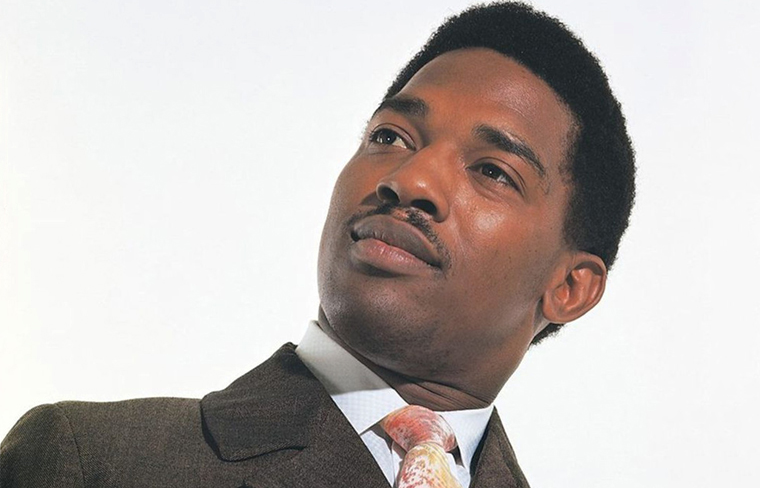
Aug
Few voices in soul music carried the urgency, grit, and commanding power of Edwin Starr. A dynamic performer with deep gospel roots and an unmistakably forceful delivery, Starr could turn social commentary, heartbreak, romance, and dance floor energy into music that demanded attention. His thunderous performance of “War” became one of Motown’s most unforgettable protest anthems, while songs such as “Twenty Five Miles,” “Stop the War Now,” and “Contact” revealed the remarkable range behind his booming voice. Whether backed by driving Detroit soul rhythms or embracing the sleek pulse of disco, Starr sang with complete conviction. His finest recordings remain electrifying examples of how rhythm, message, and raw vocal personality can combine to create soul music that feels powerful, immediate, and impossible to ignore.
1. War
“War” is the recording that permanently defined Edwin Starr as one of the most forceful voices in soul music. Released in 1970, the song takes an uncompromising position on the human cost of armed conflict and delivers its message with a level of vocal intensity that remains startling decades later. Written by Norman Whitfield and Barrett Strong, the composition had previously been recorded by the Temptations, but Starr’s interpretation transformed it into something far more explosive. From his opening cry onward, he sounds less like a singer politely presenting an argument and more like someone demanding that the listener confront reality.
The arrangement is built for maximum impact. Drums strike with almost military force, horns punctuate the rhythm, guitars create tension, and backing singers answer Starr through a fierce call and response structure. Every element seems designed to increase urgency. Yet the performance never becomes chaotic. Motown’s musicians maintain a disciplined groove underneath Starr’s enormous vocal, allowing the message to remain completely clear.
Starr’s greatest contribution is his conviction. He does not deliver the lyric from a comfortable emotional distance. His shouts, growls, and sudden changes in dynamics make the words sound personally necessary. When he questions what war actually accomplishes, the answer arrives with absolute certainty. That directness helped the song move beyond conventional entertainment and become one of the era’s defining protest records.
“War” also demonstrated how socially conscious music could achieve enormous popular success without softening its message. Edwin Starr turned political frustration into a soul performance powerful enough for radio, dance floors, demonstrations, and generations of listeners who encountered the song long after its original historical moment. Its subject remains serious, but the groove remains irresistible. That combination of message, rhythm, and raw vocal authority makes “War” the essential Edwin Starr recording.
2. Twenty Five Miles
“Twenty Five Miles” is one of Edwin Starr’s greatest demonstrations of how physical effort can be translated directly into rhythm. Released in 1969, the song follows a determined traveler walking an exhausting distance to reach the woman he loves. Rather than treating the journey as a quiet romantic metaphor, Starr makes every mile feel physical. His voice sounds tired, excited, impatient, and completely unwilling to stop, while the arrangement seems to march beside him.
The rhythm is the song’s secret weapon. Percussion creates the sensation of repeated footsteps, and the instrumental accents reinforce the idea that the narrator is measuring every remaining mile. Starr responds with vocal interjections that sound almost like encouragement shouted at himself. The performance has the character of a work song, a soul record, and a romantic declaration all at once.
What makes the lyric memorable is the simplicity of its goal. The narrator does not need a complicated destination. Someone he loves is waiting, and that fact gives him enough motivation to continue. As the number of miles decreases, anticipation grows. Starr makes the listener feel that progress through the urgency of his delivery.
The recording also demonstrates why Starr was such a distinctive Motown vocalist. His voice possessed considerably more grit than many of the label’s smoother singers, allowing him to attack rhythmic material with unusual force. Yet he retained enough melodic control to make the chorus instantly accessible.
“Twenty Five Miles” became one of Starr’s signature songs because it turns persistence into entertainment. The journey may be exhausting, but the music makes determination sound exhilarating. Every beat seems to push the narrator forward, and Starr sings as though stopping is impossible. The result is a classic piece of driving soul whose sense of movement remains every bit as infectious as it was when the record first appeared.
3. Stop the War Now
“Stop the War Now” finds Edwin Starr returning directly to the antiwar message that had made “War” such a monumental success, but the song is far more than a simple repetition of an earlier formula. Once again working within the socially conscious Motown world shaped by Norman Whitfield and Barrett Strong, Starr delivers a performance filled with urgency, frustration, and determination. The title does not invite abstract debate. It sounds like a demand for immediate action.
The arrangement has the muscular rhythmic character required for Starr’s voice. Percussion, bass, guitars, horns, and backing vocals create a densely moving foundation while the singer pushes against it with extraordinary energy. There is a sermonlike quality to his delivery. Starr sounds as though he is addressing a crowd rather than singing privately into a studio microphone, and that sense of public confrontation gives the recording much of its power.
The lyric emphasizes the suffering caused when conflicts continue while ordinary people bear the consequences. Starr’s performance turns those concerns into something emotional rather than theoretical. His voice can sound angry one moment and pleading the next, capturing the mixture of outrage and desperation that often accompanies calls for peace.
What separates Starr from singers who merely perform socially conscious material is his ability to make conviction audible. He never sounds as though the song’s message was simply handed to him by writers and producers. He inhabits the argument so completely that the distinction between performer and statement disappears.
“Stop the War Now” confirmed that Edwin Starr was uniquely suited to protest soul. His voice had enough weight to confront a subject of enormous seriousness, while Motown’s rhythm section ensured that the message still moved with the physical power of great dance music. The song remains an important companion to “War” and a reminder that Starr’s socially conscious recordings formed a genuine part of his artistic identity.
4. Contact
“Contact” reveals a very different Edwin Starr from the singer roaring through the politically charged Motown recordings that established his international reputation. Released during his later career, the song places Starr inside the glittering world of disco, where repeated rhythms, dance floor momentum, and sensual atmosphere replace the dramatic social confrontation of “War.” The transition works because Starr’s voice was always fundamentally rhythmic. Even surrounded by sleek production, he remains instantly recognizable.
The central idea is physical and immediate. Attraction begins through eye contact, that brief moment when two people recognize mutual interest before either has said anything. Starr builds the song around that instant of communication, using repetition to intensify the sense of anticipation. The lyric does not require a complicated story because the dance groove itself becomes part of the romantic encounter.
The production gives Starr a broad rhythmic landscape. Bass and percussion establish a steady disco pulse while strings, keyboards, guitar, and backing voices add brightness around the groove. Starr’s vocal brings grit to the polished setting. Instead of smoothing away the roughness that made him distinctive, the arrangement uses it as a contrast against the sleek instrumentation.
“Contact” also demonstrated Starr’s adaptability at a point when popular soul music had changed dramatically from the sound of his earlier Motown years. Rather than sounding uncomfortable within disco, he embraces its physical energy. The connection makes sense because movement had always been central to his best records.
“Contact” remains one of Edwin Starr’s most enjoyable later recordings because it proves his music was never confined to one era or one subject. He could deliver protest with tremendous authority, but he could also command a dance floor. Here, his powerful voice turns a simple moment of attraction into a bright, stylish, and relentlessly rhythmic celebration.
5. H.A.P.P.Y. Radio
“H.A.P.P.Y. Radio” is Edwin Starr in pure celebratory mode, creating a dance record built around the pleasure of hearing music arrive through the radio. Released during his disco period, the song became particularly popular with British audiences and demonstrated how comfortably Starr could reinvent himself after the classic Motown era. Instead of treating radio simply as technology, he presents it as a source of companionship, rhythm, excitement, and emotional escape.
The spelling of the title immediately turns the central phrase into a chant. Each letter adds another rhythmic accent, making the words almost impossible to separate from the groove. Starr’s delivery is enthusiastic but still carries the commanding edge listeners knew from his harder soul recordings. That vocal strength gives the polished disco production an unusually earthy center.
The arrangement is spacious and dance oriented. Bass establishes the foundation while percussion keeps the track moving with patient confidence. Keyboards, strings, and additional textures gradually expand the sound, creating the atmosphere of a song meant to fill a club rather than rush through a compact radio format. Starr seems to enjoy the room provided by the arrangement, using repeated phrases and vocal encouragement to make the performance feel communal.
The subject also captures something important about the experience of popular music before personalized digital listening became normal. Radio could surprise listeners. A favorite song might suddenly appear, changing the mood of a room, a drive, or an ordinary afternoon. Starr celebrates that unexpected connection.
“H.A.P.P.Y. Radio” demonstrates the joyful side of Edwin Starr’s personality. The singer famous for one of music’s fiercest protest anthems sounds equally convincing celebrating dancing and broadcasting. The recording is warm, rhythmic, and wonderfully uncomplicated in its pleasure, showing that Starr understood music could challenge listeners one moment and simply make them feel good the next.
6. Agent Double O Soul
“Agent Double O Soul” is one of Edwin Starr’s most entertaining early recordings, combining the excitement of spy movie culture with the confidence of a young soul singer establishing his own identity. Released during his association with Ric Tic Records, the song presents Starr as a musical secret agent whose special weapon is soul itself. The concept is playful, but the performance is serious about rhythm. From the opening moments, Starr attacks the track with the charisma that would eventually make him one of the most commanding voices associated with Detroit soul.
The spy theme was perfectly suited to its cultural moment. Audiences were fascinated by glamorous secret agents, mysterious missions, and cinematic adventure. Starr cleverly transfers that imagery into music, turning himself into a character who operates through rhythm, romance, and performance rather than espionage. The title is memorable before the song even begins, but Starr’s personality ensures that the joke never becomes stale.
The instrumental backing has the punch associated with Detroit dance records of the period. Drums, bass, horns, and guitar create a compact groove that leaves space for Starr’s voice. He sings with remarkable confidence, emphasizing certain phrases with the explosive force that would later become even more dramatic on his Motown recordings.
The song is also historically important within Starr’s career because it captures him before “War” permanently changed public perception of what an Edwin Starr record could represent. Here, he is primarily an energetic soul entertainer, comfortable with novelty, dance rhythms, and youthful swagger.
“Agent Double O Soul” remains irresistible because Starr commits completely to its playful premise. He does not treat the character as a throwaway joke. He performs as though being a secret agent of soul is a perfectly legitimate profession. That mixture of humor, confidence, strong musicianship, and vocal power makes the song one of the brightest highlights of his early catalog.
7. S.O.S. Stop Her on Sight
“S.O.S. Stop Her on Sight” is a classic example of the urgent dance floor energy that made Edwin Starr such an important figure among collectors and enthusiasts of Northern soul. Released during his early Detroit period, the song takes the language of an emergency alert and applies it to romantic obsession. The narrator is desperately searching for a woman, and Starr performs the situation with such intensity that the request genuinely sounds like an alarm.
The title is particularly effective because it gives the entire arrangement a sense of urgency before the first verse has developed. Starr’s powerful voice immediately communicates that something important is happening. He does not sound mildly disappointed about a missing romantic interest. He sounds as though the entire city needs to join the search.
The rhythm section matches that desperation with a driving beat designed for movement. Drums and bass create forward momentum while horns and additional instrumental accents give the record the sharp, propulsive character prized by soul dancers. Starr attacks the groove rather than floating above it, using his voice as another rhythmic instrument.
The song later gained particular affection within Britain’s Northern soul culture, where energetic American soul recordings found passionate new audiences on dance floors. Starr himself developed a lasting connection with British listeners, and recordings such as this one helped make him far more than the singer of a single famous protest song.
There is also humor underneath the urgency. The idea of issuing a public alert for one particular woman is deliberately exaggerated, and Starr understands how to make that exaggeration entertaining without weakening the emotion.
“S.O.S. Stop Her on Sight” captures Edwin Starr as a fierce dance singer. The record is fast, dramatic, catchy, and powered by a voice that seems capable of pushing the entire band forward. It remains an essential example of the energetic Detroit soul that earned Starr devoted listeners long before and long after his biggest mainstream success.
8. Headline News
“Headline News” takes one of Edwin Starr’s favorite early themes, romantic drama presented with maximum urgency, and turns it into another memorable piece of Detroit soul. The title imagines personal heartbreak becoming important enough to appear in a newspaper, allowing Starr to transform a private emotional crisis into a public event. It is a wonderfully theatrical concept for a singer whose greatest strength was making every lyric sound larger than ordinary conversation.
Starr’s vocal dominates the recording. His voice is rough, forceful, and filled with urgency, but he remains rhythmically precise. He knows exactly when to attack a phrase and when to allow the instrumental backing to answer him. That interaction gives the song the feeling of constant motion.
The arrangement carries the characteristics that later made recordings from this period particularly attractive to Northern soul audiences. The beat is immediate, the bass provides strong forward movement, and horns add dramatic punctuation. Nothing remains static for long. Even when Starr is describing emotional difficulty, the music insists upon movement.
The news metaphor is clever because heartbreak often feels disproportionately important to the person experiencing it. The rest of the world may continue normally, but privately the event can seem large enough to deserve banners and public announcements. Starr turns that familiar emotional exaggeration into entertainment.
“Headline News” also reminds listeners that Starr’s catalog extends far beyond his internationally famous Motown years. His earlier recordings reveal a performer who had already developed a distinctive vocal personality and a strong instinct for dramatic concepts. The ingredients that would later make “War” so overwhelming were present, even when the subject was romance rather than politics.
“Headline News” remains a terrific soul record because it understands that heartbreak can feel like a major event. Starr treats the narrator’s private crisis with the scale of breaking news, surrounding his commanding voice with a groove that transforms emotional trouble into exhilarating dance music.
9. Time
“Time” reveals a more reflective side of Edwin Starr, showing how effectively his powerful voice could serve material concerned with mortality, change, and the relentless movement of life. Featured during his Motown period, the song approaches time as a force nobody can command. People may waste it, fear it, or wish they could recover what has already disappeared, but the movement continues regardless of individual desire.
Starr’s voice brings unusual weight to the subject. He was famous for explosive performances, yet “Time” benefits from the contrast between that vocal strength and the inevitability described in the lyric. Even a singer who sounds capable of overpowering almost anything cannot defeat the clock. That tension gives the recording a philosophical dimension.
The arrangement supports the message with a firm soul groove rather than turning the song into a quiet meditation. Bass, drums, guitars, and orchestral colors maintain movement underneath Starr, making the passage of time almost physical. The music keeps advancing whether the narrator is ready or not.
This quality connects “Time” with a broader tradition of Motown recordings that paired serious ideas with rhythms compelling enough for popular audiences. Starr was especially effective with that combination because listeners believed the urgency in his voice. When he warns about time slipping away, the message feels immediate rather than abstract.
The song also provides a useful reminder of his range. Starr could perform romantic dance records, theatrical soul, political protest, and philosophical material without losing his identity. His voice remained the constant element tying those subjects together.
“Time” deserves recognition because it transforms an unavoidable fact of existence into muscular soul music. The message is simple but profound. Moments disappear, opportunities change, and nobody receives unlimited chances. Starr delivers that realization with enough force to make reflection itself feel urgent, turning the passing clock into another rhythm his extraordinary voice must confront.
10. Back Street
“Back Street” is one of Edwin Starr’s early recordings that became deeply treasured by Northern soul enthusiasts, preserving the raw excitement of the Detroit scene before his later Motown fame transformed him into an international star. The song is built for movement, driven by an urgent rhythm and a vocal performance that already contains the commanding qualities Starr would develop even further throughout his career.
The title immediately suggests a world slightly removed from polished mainstream respectability. The back street can represent secrecy, romance, nightlife, danger, or simply the part of town where excitement is happening away from conventional attention. Starr’s voice gives the setting life. He sounds as though he knows the environment personally and is inviting the listener into it.
The arrangement is compact and rhythmically determined. Drums establish a strong dance pulse, bass reinforces the momentum, and instrumental accents keep pushing Starr forward. There is very little wasted space. The recording belongs to an era when a soul single needed to establish its personality quickly, and “Back Street” accomplishes that almost immediately.
Starr’s early material is particularly revealing because his later reputation can sometimes obscure how naturally he fit within hard driving dance music. The same vocal qualities that made “War” sound confrontational also made romantic and streetwise records feel unusually urgent. His voice could turn almost any situation into something demanding immediate attention.
The song’s later popularity among devoted soul audiences also demonstrates how records can develop lives far beyond their original commercial moment. A track that might not have received the broad recognition of Starr’s greatest mainstream hits could become precious within a community of dancers and collectors.
“Back Street” is an essential reminder of the depth of Edwin Starr’s catalog. Long before his most famous protest recordings and later disco successes, he was already a formidable Detroit soul singer with rhythm, personality, and a voice capable of making a crowded dance floor feel as though the music had been created specifically for that room.

Edward Tomlin is a frequent contributor to Singers Room. Since 2005, Singersroom has been the voice of R&B around the world. Connect with us via social media below.
Source link
