
Pop/Hip Hop/R&B
10 Best The Weeknd Songs of All Time
Aug
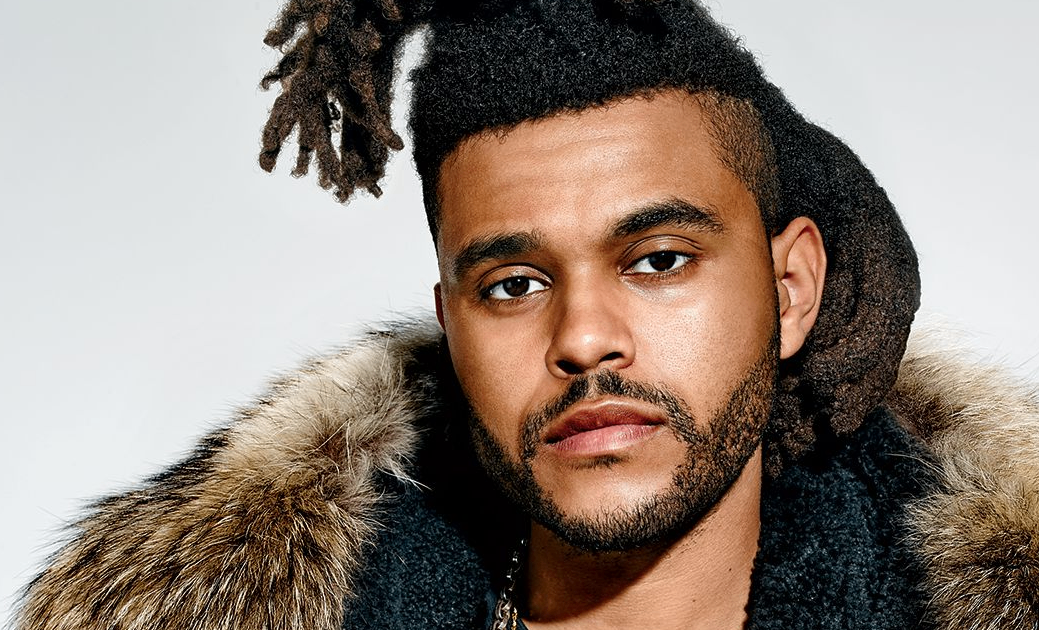
The Weeknd has transformed modern pop and R&B with a darkly seductive sound built from atmospheric production, soaring falsetto, emotional tension, and unforgettable melodies. From the neon rush of Blinding Lights and the sleek confidence of Starboy to the haunting vulnerability of Call Out My Name, his biggest songs explore desire, loneliness, fame, heartbreak, and excess with cinematic intensity. Hits such as Can’t Feel My Face, The Hills, and Save Your Tears reveal an artist equally comfortable with shadowy alternative R&B and enormous arena ready pop. The Weeknd’s greatest songs thrive on the contrast between beautiful melodies and complicated emotions, creating a distinctive catalog where vintage synthesizers, contemporary production, hypnotic rhythms, and one of pop music’s most recognizable voices come together with remarkable consistency.
1. Blinding Lights
Blinding Lights is the song that took The Weeknd’s fascination with dark romance, nocturnal cities, and vintage synthesizers and transformed it into one of the most universally recognizable pop recordings of his career. Released during the After Hours era, the track draws heavily from the shimmering electronic textures of 1980s pop while sounding completely at home in contemporary music. Its pounding drums, bright synthesizer melody, racing bass, and urgent vocal create the sensation of driving through a city at night with emotion running faster than reason.
The contrast between sound and subject is crucial. Musically, Blinding Lights feels euphoric. The beat invites movement, the melody feels instantly familiar, and the chorus explodes with almost irresistible momentum. Yet the narrator is emotionally dependent upon someone who is absent. He moves through an empty city while desperately searching for the connection that makes him feel complete.
The Weeknd’s vocal performance balances smoothness with urgency. His high register floats above the synthesizers, but there is tension in the phrasing. He sounds exhilarated and lonely at the same time, which gives the song far more emotional complexity than an ordinary retro dance record.
The music video extends the atmosphere through nighttime streets, flashing lights, danger, excess, and the bloodied character that became central to the visual world of After Hours.
Blinding Lights became extraordinary because nostalgia never becomes imitation. The Weeknd borrows the emotional vocabulary and electronic colors of an earlier pop era, then reshapes them through his own themes of loneliness, obsession, and nightlife. The chorus is enormous enough for stadiums, but the feeling underneath it remains intimate. That combination turned the song into a defining modern pop classic.
2. Starboy
Starboy marked one of the most dramatic transformations in The Weeknd’s career, pairing him with Daft Punk for a sleek electronic statement about fame, luxury, reinvention, and the strange emotional consequences of becoming enormously successful. Released as the title track from his 2016 album, the song announces a new version of the artist almost immediately. The darker underground figure associated with his earliest mixtapes had become an international superstar, and Starboy confronts that transformation directly.
Daft Punk’s production is remarkably controlled. A repeating electronic rhythm, deep bass, clipped percussion, and icy synthesizer textures create a futuristic atmosphere without overcrowding the vocal. The instrumental feels expensive and minimal at the same time, perfectly matching lyrics filled with wealth, cars, status, and excess.
The Weeknd delivers the verses with unusual rhythmic precision. Rather than relying entirely on his famous falsetto, he spends much of the song using a lower, cooler register that gives the performance confidence and distance. The chorus then becomes hypnotic through repetition.
There is an interesting tension beneath all the boasting. The narrator celebrates success, yet the production feels emotionally cold. Fame has created extraordinary possibilities, but it has also produced an environment where identity itself can become another possession.
The music video makes reinvention literal by presenting The Weeknd destroying symbols associated with his earlier image. That visual transformation reinforces the idea that Starboy is not merely about success. It is about becoming someone new because success has made the previous version impossible to maintain.
Starboy succeeds because The Weeknd turns celebrity into both fantasy and psychological atmosphere. The track sounds glamorous, detached, futuristic, and slightly dangerous. Daft Punk’s elegant production gives him the perfect setting, creating one of the most instantly recognizable records in his catalog.
3. The Hills
The Hills captures the darkest side of The Weeknd’s mainstream breakthrough better than almost any other recording. Released during the Beauty Behind the Madness era, the song combines distorted bass, ominous electronic textures, sparse percussion, and an unforgettable vocal performance that moves from near whispered verses into a towering chorus. It proved that The Weeknd could achieve enormous pop success without abandoning the unsettling atmosphere that had defined his earliest music.
The opening feels deliberately unstable. Strange sounds and distant effects create a sense of danger before the bass enters with overwhelming force. Instead of using a smooth dance groove, the production seems to collapse and rebuild itself around the vocal. Every major impact in the instrumental feels physical.
Lyrically, the song explores secrecy, desire, emotional distance, and a relationship that exists most comfortably away from public view. The narrator is brutally honest about his limitations. He is not promising emotional safety or conventional romance. That lack of sentimental reassurance gives the track its disturbing power.
The Weeknd’s voice provides the strongest contrast. His falsetto is beautiful, almost delicate, while the world described around it is morally complicated and emotionally bleak. That contrast has always been central to his artistry. Attractive melodies often carry uncomfortable ideas.
The music video strengthens the atmosphere with a damaged car, empty streets, fire, and an increasingly surreal sense that something terrible has happened before the viewer arrived.
The Hills became a defining song because it refuses to soften The Weeknd’s darkness for mainstream audiences. The production is abrasive, the relationships are unhealthy, and the narrator is deeply flawed. Yet the chorus is unforgettable. That combination of menace and melody helped reshape what commercially dominant R&B and pop could sound like during the middle of the 2010s.
4. Can’t Feel My Face
Can’t Feel My Face is the recording that revealed just how naturally The Weeknd could transform his darker musical identity into bright, irresistible pop. Released during the Beauty Behind the Madness period, the song surrounds his distinctive falsetto with crisp drums, funky bass, guitar accents, and a polished groove strongly connected to classic dance pop and soul.
On the surface, the chorus sounds like a celebration of overwhelming attraction. The melody is joyous, the rhythm is designed for movement, and The Weeknd sings with an almost weightless confidence. Beneath that brightness, however, the lyric can be interpreted through the language of dependency and intoxication. That ambiguity gives the record a darker undertone without disturbing its immediate pop appeal.
The vocal performance is one of The Weeknd’s most agile. He moves between smooth verses, rhythmic accents, and a soaring chorus while maintaining remarkable control. His voice carries echoes of earlier pop and soul traditions, but the personality remains unmistakably his.
The production is especially effective because it never becomes overly complicated. Bass and drums provide the engine, while smaller instrumental details appear exactly where needed. The arrangement leaves enough room for his vocal to remain the main attraction.
The music video reinforces the transformation by placing The Weeknd in front of a relatively indifferent audience before a dramatic visual change alters the performance entirely. The concept cleverly mirrors his own journey from mysterious alternative R&B figure to mainstream pop phenomenon.
Can’t Feel My Face became essential because it demonstrated that accessibility did not require abandoning complexity. The song can function as pure dance pop, yet its language carries darker implications familiar to longtime listeners. The Weeknd found a way to make his unsettling emotional world sound joyful, creating one of the most expertly crafted crossover hits of his career.
5. Save Your Tears
Save Your Tears is one of The Weeknd’s finest examples of pairing heartbreak with music that sounds almost impossibly bright. Appearing on After Hours, the track is driven by gleaming synthesizers, crisp electronic drums, warm bass, and a melody that feels connected to both 1980s pop and modern electronic production. The emotional story underneath that polished surface is considerably more painful.
The narrator encounters someone he once hurt and recognizes the consequences of his earlier behavior. Rather than presenting himself as the victim, he understands that his presence has reopened emotional wounds. The title becomes an unusual form of apology. He seems to suggest that the other person should preserve her emotion for someone more deserving.
The Weeknd sings with remarkable restraint. His falsetto remains smooth, but the performance carries regret rather than theatrical despair. Small melodic turns communicate embarrassment, memory, and the recognition that certain mistakes cannot simply be undone.
The production makes the emotional contradiction especially effective. Everything sounds polished and inviting even as the narrator admits failure. That tension between sadness and danceable music became one of the defining qualities of the After Hours era.
The visual presentation pushes discomfort even further through exaggerated cosmetic imagery, formal performance settings, and the unsettling character The Weeknd developed across the album’s videos and public appearances.
Save Your Tears succeeds because regret becomes strangely beautiful. The narrator cannot repair the past, and the song never pretends that one apology can erase everything. Instead, he watches the emotional distance he helped create. The radiant synthesizers make that realization feel nostalgic rather than purely tragic, creating the sensation of remembering something wonderful only after understanding why it could not last. That emotional contradiction helped make the recording one of The Weeknd’s most enduring pop achievements.
6. Call Out My Name
Call Out My Name finds The Weeknd at his most openly wounded, replacing the emotional detachment of many earlier songs with a performance built around heartbreak, sacrifice, and the difficulty of accepting that a relationship has ended. Released on My Dear Melancholy, the song immediately reminded listeners of the darker, more vulnerable atmosphere associated with his earlier work.
The production begins sparsely, giving his voice enormous space. Piano, atmospheric electronic textures, deep bass, and restrained percussion gradually build around him. Rather than creating a conventional pop rhythm, the arrangement feels suspended, almost as though the music itself is struggling to move forward.
The lyric centers on someone who gave deeply to a relationship and now feels abandoned after becoming emotionally invested. The title expresses the narrator’s remaining hope that the other person might still need him, even though he seems to understand that reconciliation is unlikely.
The Weeknd’s vocal is exceptional here. He stretches certain syllables until they become nearly physical expressions of pain, moving from controlled verses into a chorus filled with desperation. His falsetto has often been praised for its beauty, but on Call Out My Name its fragility becomes just as important.
The music video avoids a straightforward romantic narrative, instead placing him inside strange landscapes filled with darkness, empty streets, and surreal imagery. That choice keeps the focus on emotional isolation rather than specific biography.
Call Out My Name became a fan favorite because The Weeknd allows himself to sound emotionally defeated. There is little of the untouchable confidence heard in Starboy. Instead, the singer seems caught between pride and longing. The restrained production gives every vocal break room to register, creating one of the most intimate and powerful heartbreak performances in his catalog.
7. Earned It
Earned It brought The Weeknd’s dark sensuality into the world of cinematic orchestration, creating one of the most distinctive songs connected with the Fifty Shades of Grey soundtrack. Rather than relying on the electronic haze associated with much of his earlier work, the recording uses strings, piano, percussion, and a slow dramatic rhythm that gives the performance the elegance of an old fashioned torch song filtered through contemporary R&B.
The arrangement immediately creates tension. Strings move with controlled drama while the rhythm proceeds slowly enough that every vocal phrase has room to breathe. The Weeknd responds with one of his smoothest performances, using his falsetto not as a display of technique but as part of the song’s atmosphere.
The lyric is centered on admiration, attraction, and the idea that affection should feel deserved rather than automatic. The narrator sees his partner as someone exceptional and treats intimacy almost like a reward for trust and emotional connection.
What makes the recording particularly effective is its patience. There is no need for a huge electronic drop or frantic rhythmic shift. The song maintains its slow pulse from beginning to end, allowing sensual tension to accumulate gradually.
The cinematic connection suited The Weeknd unusually well because his music had always possessed a strong visual imagination. Even before major film soundtrack appearances, his songs often felt like scenes from nocturnal dramas filled with desire, danger, and emotional uncertainty.
Earned It expanded The Weeknd’s audience by demonstrating that his voice could command a completely different type of arrangement. The strings give him sophistication, while his distinctive vocal keeps the recording from sounding traditional. It sits between orchestral soul, alternative R&B, and mainstream pop, creating a seductive atmosphere that became one of his earliest truly global crossover moments.
8. I Feel It Coming
I Feel It Coming is one of the warmest recordings in The Weeknd’s catalog, a graceful collaboration with Daft Punk that replaces much of his usual emotional darkness with patience, reassurance, and romantic optimism. Appearing on Starboy, the song demonstrates how effectively The Weeknd could inhabit a softer world without losing his identity.
Daft Punk’s production draws from disco, funk, electronic pop, and smooth R&B. The bassline moves gently, synthesizers shimmer around the edges, and the drums remain relaxed. Every element feels polished, but nothing sounds overly aggressive.
The Weeknd’s vocal is equally controlled. He sings with a clear, elegant tone that recalls classic pop and soul performers while maintaining the falsetto that made his voice instantly recognizable. Instead of portraying desire as dangerous or destructive, he offers patience to someone who has been hurt before.
The lyric repeatedly suggests that intimacy does not need to be rushed. The narrator recognizes emotional hesitation and responds by promising that trust can develop naturally. That tenderness distinguishes the song from many earlier Weeknd recordings where relationships often appear unstable, secretive, or consumed by excess.
Daft Punk’s presence is especially important during the closing sections, where processed vocals and electronic textures create a dreamy finish. Their production gives the track a timeless quality, combining retro musical references with futuristic sound design.
I Feel It Coming works because restraint becomes seductive. Nothing in the song needs to explode. The rhythm remains smooth, the vocal stays relaxed, and the emotional message depends upon patience. After the colder confidence of Starboy, this closing collaboration reveals another side of the same artistic world. It is romantic without becoming sentimental and polished without losing intimacy, making it one of The Weeknd’s most inviting and enduring songs.
9. Die For You
Die For You became one of the most fascinating slow burning successes in The Weeknd’s catalog. Originally appearing on Starboy, the song gradually developed an enormous audience long after the album’s initial release, proving that listeners sometimes determine a recording’s ultimate importance on a completely different timetable from the traditional single cycle.
The production combines synthesizers, deep electronic bass, restrained drums, and atmospheric textures that give the song a dreamy sense of distance. Unlike the harder electronic edge of the title track, Die For You feels emotionally exposed. The instrumental remains spacious enough for The Weeknd’s voice to carry most of the drama.
The lyric describes a relationship damaged by circumstances but not by the disappearance of feeling. The narrator acknowledges that separation may be necessary, yet emotional attachment remains powerful enough that he imagines making the ultimate sacrifice for the other person.
The Weeknd’s vocal moves beautifully between lower verses and an increasingly passionate chorus. His delivery makes the contradiction believable. He sounds like someone who understands that love alone may not be enough to make a relationship function, even though the emotion itself remains overwhelming.
The song’s later resurgence introduced it to an audience that may not have experienced Starboy when it first appeared. Its emotional directness fit naturally with a new generation of listeners discovering older catalog tracks through streaming and social media.
Die For You endures because it captures the painful distance between loving someone and being able to remain with them. The song does not offer a clean solution. Instead, it lives inside the contradiction. The relationship may be impossible, but the feeling is still real. The Weeknd’s vulnerable performance gives that idea extraordinary weight, turning an album track into one of the defining romantic songs of his career.
10. Wicked Games
Wicked Games is one of the foundational recordings in The Weeknd’s career, a song that helped establish the mysterious, emotionally damaged world surrounding his earliest releases. First emerging through the House of Balloons era before receiving wider official release, the track introduced many listeners to a new form of alternative R&B built from spacious production, dark atmosphere, explicit desire, and a voice capable of sounding beautiful and deeply troubled at the same time.
The instrumental is deliberately sparse. Guitar, bass, slow percussion, and atmospheric effects create a nocturnal environment where every sound seems surrounded by empty space. That openness gives The Weeknd’s vocal extraordinary presence.
The lyric is uncomfortable by design. The narrator seeks temporary intimacy while admitting emotional instability and a complicated relationship with trust, desire, and self worth. Rather than presenting romance as healing, the song depicts people using one another to escape loneliness. That honesty helped separate The Weeknd from more conventional contemporary R&B songwriting.
His vocal performance is remarkable because the beauty of his falsetto contrasts so sharply with the bleakness of the words. The melodies are seductive, but the emotional world is damaged. This contradiction would become one of the defining features of his career.
The black and white visual presentation maintains the minimalism, avoiding elaborate narrative in favor of shadow, movement, and atmosphere. The mystery surrounding The Weeknd during his earliest rise only strengthened the song’s impact.
Wicked Games remains essential because it contains the blueprint for so much of what followed. Desire and loneliness occupy the same space. Beauty hides emotional danger. The production is spacious enough to feel intimate yet strange enough to create its own universe. Long before The Weeknd became a stadium level pop star, this recording demonstrated the originality that would eventually reshape mainstream R&B and pop around him.

Edward Tomlin is a frequent contributor to Singers Room. Since 2005, Singersroom has been the voice of R&B around the world. Connect with us via social media below.
Source link
