
-
×
 Def Leppard "Retroactive"
1 × $58.00
Def Leppard "Retroactive"
1 × $58.00
Pop/Hip Hop/R&B
10 Best Eric Clapton Songs of All Time
05
Aug
Aug
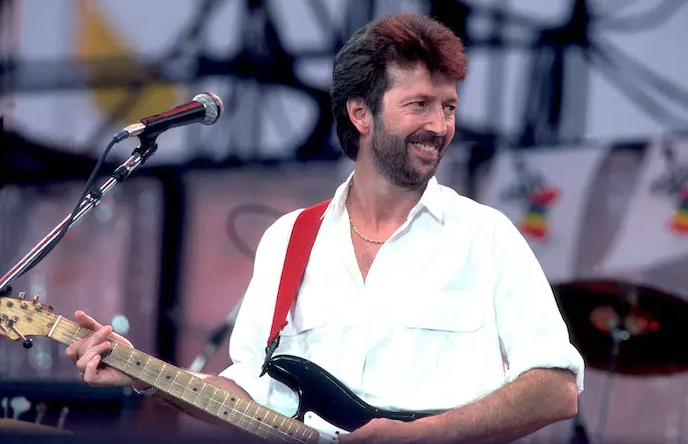
Few musicians have carried the blues into mainstream rock with the grace, authority, and emotional depth of Eric Clapton. Across a career spanning several legendary bands and an extraordinary solo journey, his expressive guitar playing and weathered voice have produced songs filled with longing, devotion, regret, and resilience. From the fiery passion of Layla and the laid back warmth of Wonderful Tonight to the spiritual reflection of My Father’s Eyes and the heartbreaking tenderness of Tears in Heaven, Clapton’s finest recordings reveal an artist capable of turning personal emotion into universal music. His solos rarely rely on speed alone, favoring tone, phrasing, and feeling instead. Whether playing electric blues, acoustic ballads, or polished rock, Eric Clapton has created timeless songs that continue to move listeners and inspire guitarists around the world.
1. Layla
Layla is one of the most urgent declarations of desire ever captured in rock music. The famous opening guitar figure does not gently introduce the song. It arrives like an emotional alarm, immediately placing the listener inside a state of longing that has already become unbearable. Eric Clapton sings with a rough intensity that suits the lyric perfectly. His voice does not present love as calm companionship. It presents love as obsession, frustration, hope, and humiliation colliding at once. The central plea is simple, yet every return to the name carries greater emotional weight.
The performance gains much of its power from contrast. The first section is driven by electric guitars, forceful rhythm, and a vocal that seems determined to break through resistance. The guitar parts overlap and answer one another, creating the sensation of several emotional arguments unfolding at the same time. Then the music enters its extended piano led passage, and the atmosphere changes completely. The desperation of the opening gives way to reflection. Guitar lines rise around the piano with a mournful beauty, suggesting that the struggle has moved from public confession into private memory.
Layla remains central to Clapton’s legacy because it unites memorable songwriting with extraordinary instrumental expression. The song feels epic without losing the intimacy of a personal appeal. Its two distinct sections reveal different sides of the same emotion. The first demands an answer, while the second seems to understand that an answer may never arrive. That unresolved tension keeps the recording alive. Listeners can return for the riff, the solos, the piano, or the raw honesty, and each element leads back to the same unforgettable portrait of love pushed beyond reason.
2. Wonderful Tonight
Wonderful Tonight finds Eric Clapton transforming an ordinary evening into a scene of lasting tenderness. The song avoids grand promises and dramatic declarations. Instead, it focuses on small details such as getting ready, traveling to a gathering, watching someone move through a room, and returning home together. These familiar actions become meaningful because the narrator observes them with affection. Clapton sings with patience and warmth, allowing the melody to unfold as naturally as a conversation between two people who know each other deeply.
The guitar work is equally restrained. The main melodic phrases are clear, spacious, and immediately recognizable, yet they never compete with the vocal. Each note seems placed to extend the feeling of the lyric rather than to display technique. The rhythm section maintains a gentle pulse, while soft background voices add glow around the chorus. Clapton’s delivery contains a quiet sincerity that prevents the song from becoming overly sentimental. He sounds less like a performer making a public statement and more like someone finally saying aloud what has been present all evening.
Wonderful Tonight remains popular because it recognizes romance in attention rather than spectacle. The narrator’s devotion appears through the way he looks, listens, and remembers. There is also a subtle vulnerability beneath the calm surface. The person he loves provides reassurance, companionship, and practical care, giving the song an emotional depth beyond simple admiration. Clapton’s performance allows gratitude and desire to exist together. The result is one of his most accessible recordings, but accessibility does not diminish its craftsmanship. Its melody is elegant, its guitar tone is unmistakable, and its emotional message can be understood across generations. The song makes affection sound unhurried, observant, and completely sincere.
3. Tears in Heaven
Tears in Heaven is among Eric Clapton’s most intimate and emotionally difficult recordings. The song approaches grief through questions rather than explanations, giving voice to the uncertainty that follows a devastating loss. Clapton does not attempt to solve pain or turn it into a simple lesson. He wonders about recognition, reunion, strength, and the distance between the living and those who are gone. That questioning structure makes the performance feel private, as though the listener has entered a moment of reflection that was never intended for display.
The arrangement is gentle and carefully balanced. Acoustic guitar provides a flowing foundation, while the melody moves with a fragile grace. Clapton sings softly, resisting the temptation to push the emotion outward. This restraint is essential. The sorrow is already present in the words and harmony, so the vocal does not need to announce it. Small changes in breath, timing, and tone communicate more than a dramatic performance could. The instrumental lines offer comfort without suggesting that comfort can erase the loss.
Tears in Heaven has endured because it speaks honestly about grief while preserving dignity and privacy. The song acknowledges the desire for reunion, but it also recognizes the responsibility to continue living. That tension gives the recording its quiet strength. Listeners who have experienced loss often hear their own unanswered questions within it, even when their circumstances are entirely different. Clapton turns personal sorrow into a space where others can reflect without feeling instructed. The result is tender, painful, and deeply humane. Its popularity does not come from easy consolation. It comes from the courage to remain with uncertainty and to shape that uncertainty into music of extraordinary clarity.
4. Cocaine
Cocaine is built on a riff so controlled and persistent that it seems to create its own gravity. Eric Clapton’s interpretation moves with a slow, deliberate confidence, avoiding the frantic energy that might be expected from the title. That measured pace is central to the song’s effect. The groove feels seductive, repetitive, and slightly ominous, reflecting the way temptation can present itself as something familiar and manageable before revealing its cost.
Clapton’s vocal is cool and detached. He does not deliver the words as a dramatic warning or an excited celebration. Instead, he allows the repeated phrases to speak through their own ambiguity. The guitar tone is thick but clear, with short responses placed between vocal lines. Bass and drums maintain an unshakable foundation, making every return to the riff feel inevitable. The solo develops from the same restrained language, expanding the mood without breaking the hypnotic structure.
Cocaine became a concert favorite because its simplicity gives musicians room to shape tension, dynamics, and tone. The song can grow in a live setting without losing its essential identity. Audiences recognize the riff instantly, yet the performance remains open to subtle variation. Its enduring appeal also comes from the uneasy relationship between sound and subject. The music is undeniably inviting, but a darker current runs beneath the pleasure of the groove. Clapton’s refusal to explain the song too directly makes that tension stronger. The listener is left to consider whether the voice is offering advice, describing dependence, or revealing the empty repetition of a destructive habit. Few rock recordings create so much atmosphere from so little material, and fewer use restraint with such commanding force.
5. I Shot the Sheriff
I Shot the Sheriff allowed Eric Clapton to enter reggae influenced territory while preserving the blues feeling at the center of his musical identity. The song unfolds as a first person defense, with the narrator admitting one act while denying another and attempting to explain the pressure that led to violence. Clapton sings with a weary seriousness that keeps the story grounded. He does not treat the narrative as a dramatic adventure. His delivery suggests someone trapped inside suspicion, authority, and consequences.
The arrangement depends on rhythmic precision. Guitar accents leave space around the beat, while bass and drums create a rolling pulse that feels relaxed on the surface but tense underneath. Keyboards add color without crowding the vocal. Clapton’s guitar work respects the groove, using concise phrases rather than filling every opening. This discipline gives the song a distinctive atmosphere. The instruments seem to circle the narrator’s testimony, allowing doubt and urgency to remain present even during the most melodic passages.
I Shot the Sheriff became one of Clapton’s most recognizable performances because it showed how effectively he could interpret material outside the standard blues rock framework. He does not erase the song’s original rhythmic character, but he filters it through his own voice, guitar tone, and sense of pacing. The result is accessible without becoming lightweight. The central refrain is easy to remember, while the story remains morally unsettled. Listeners are invited to consider questions of self defense, persecution, and whether any account can completely escape doubt. Clapton’s version succeeds because it combines narrative tension with an irresistible groove. It sounds calm enough for radio, yet every repetition carries the pressure of a man trying to be believed.
6. Change the World
Change the World presents romantic devotion as a dream of becoming more powerful, more visible, and more capable than ordinary life allows. The narrator imagines reaching beyond human limits so that another person might finally understand the depth of his feeling. Eric Clapton sings the song with warmth and humility, preventing its large images from becoming boastful. His performance suggests that the fantasy exists precisely because he feels unable to express everything through ordinary words.
The arrangement combines acoustic clarity with a smooth, gently pulsing rhythm. Guitar figures move around the vocal with elegance, while bass, drums, and background voices create a polished foundation. Clapton’s phrasing is relaxed but carefully shaped. He allows certain lines to drift slightly behind the beat, giving the performance a conversational ease. The guitar solo follows the emotional tone of the song, offering melodic warmth rather than aggressive display. Every element contributes to a feeling of openness and quiet optimism.
Change the World remains one of Clapton’s most widely loved recordings because it makes idealism feel personal. The narrator does not speak about changing governments, history, or society. He wants to change the emotional world between two people. That smaller ambition becomes universal because nearly everyone has wished for a way to make hidden feelings completely understood. Clapton communicates that wish without forcing the sentiment. His voice carries maturity, suggesting that he knows imagination cannot guarantee the desired outcome. Even so, the dream itself has value. The song’s smooth production, memorable melody, and restrained guitar work create a timeless atmosphere. It is romantic without excess and hopeful without denying uncertainty, making it one of the finest examples of Clapton’s ability to place subtle musicianship inside an immediately accessible song.
7. Lay Down Sally
Lay Down Sally is driven by an easy groove that blends country rhythm, blues phrasing, and relaxed rock confidence. Eric Clapton approaches the song as an invitation rather than a demand. The narrator asks someone to slow down, remain present, and share a little more time before the night disappears. Clapton’s vocal is warm and unhurried, matching the music’s sense that nothing valuable should be rushed.
The guitar parts are central to the track’s charm. Crisp rhythmic figures interlock with bass and drums, creating movement without heaviness. The beat has a gentle swing that makes the song feel equally suited to a dance floor, a front porch, or a long drive. Background voices soften the chorus and strengthen its communal quality. Clapton uses short guitar responses as part of the conversation, allowing the instrument to answer the singer with understated wit and affection.
Lay Down Sally has endured because it captures the pleasure of staying when the world expects movement. Many popular songs celebrate escape, speed, or dramatic pursuit. This one finds meaning in pausing. The narrator does not promise a distant future or make an elaborate declaration. He asks for companionship in the present moment. That simplicity gives the recording warmth and credibility. Clapton’s performance also demonstrates his deep understanding of groove. Nothing is played too aggressively, and no part attempts to dominate. The musicians create a shared pocket where voice, guitar, bass, drums, and harmony can breathe together. The result sounds effortless, though its ease depends on exceptional timing. It is a welcoming song, full of gentle persuasion, musical space, and the quiet belief that one more conversation might change the course of an evening.
8. After Midnight
After Midnight captures the excitement of entering a time when ordinary restraint begins to disappear. Eric Clapton’s performance turns the late hours into a space of release, movement, and possibility. The lyric promises noise, celebration, and behavior that might feel impossible during the daylight. Clapton sings with relaxed confidence, sounding less like an observer than someone already moving toward the center of the gathering.
The arrangement is compact and rhythmically focused. Guitar, bass, drums, keyboards, and vocal support create a groove that feels both loose and carefully organized. Clapton’s guitar tone is clean enough for every phrase to register, yet warm enough to blend with the rhythm section. His short fills keep the track active between vocal lines, while the solo expands the energy without interrupting the song’s steady forward motion. The performance never becomes frantic. Its excitement comes from anticipation and control.
After Midnight remains popular because the idea at its center is instantly understandable. Night can provide temporary freedom from responsibility, routine, and the identities people maintain during the day. The song celebrates that transformation without requiring a complicated story. The listener can imagine crowded rooms, open roads, dancing, laughter, or any private ritual associated with staying awake beyond the expected hour. Clapton’s interpretation gives the material blues feeling and rock accessibility at once. His voice sounds friendly, slightly mischievous, and completely at home inside the groove. The track also reveals how effectively he could build a memorable performance around repetition. Each return to the title renews the promise that something is about to happen. Decades later, the song still carries the charge of a night that has only just begun.
9. My Father’s Eyes
My Father’s Eyes is a reflective meditation on family, identity, absence, and the ways one generation becomes visible through another. Eric Clapton sings with a searching quality, treating the central image as both memory and revelation. The song considers what it means to look for a father who was not fully known and to recognize traces of that missing connection through the experience of being a parent. This movement between past and future gives the lyric unusual emotional depth.
The arrangement combines a steady rhythmic pulse with atmospheric keyboards, layered guitars, and a vocal that remains calm even when the subject becomes painful. Clapton avoids dramatic excess. His delivery carries the weariness of someone who has spent years considering questions that cannot be answered directly. The guitar work is melodic and restrained, often echoing the shape of the vocal rather than competing with it. The production creates a spacious setting in which memory seems to move across different periods of life.
My Father’s Eyes remains powerful because it addresses grief through recognition rather than simple mourning. The narrator searches for continuity, hoping that love and identity can cross the gaps left by absence. The eyes become a symbol of inheritance, understanding, and the desire to see oneself within a larger family story. Clapton’s performance allows listeners to connect the song with many kinds of separation, including people never known, relationships left incomplete, and loved ones remembered through the faces of others. Its emotional effect grows through patience. Nothing is resolved quickly, and the song never pretends that recognition can replace what was lost. Instead, it offers a moment of connection within uncertainty, carried by a voice and guitar that understand the weight of memory.
10. Forever Man
Forever Man combines romantic determination with the polished drive of 1980s rock. Eric Clapton sings from the position of someone who wants commitment to be taken seriously. The narrator does not offer a brief attraction or temporary escape. He asks to be recognized as a lasting presence, and the repeated phrase gives that request both confidence and urgency. Clapton’s vocal carries a rough maturity that prevents the promise from sounding naive.
The arrangement is sleek but firmly rooted in blues based guitar language. Drums and bass establish a strong pulse, while keyboards add brightness around the edges. Clapton’s guitar enters with concise phrases that cut through the production without overwhelming it. His solo is controlled and melodic, using bends, pauses, and changes in tone to deepen the emotional argument. The song’s structure moves efficiently between verse and chorus, making the central idea increasingly memorable with every return.
Forever Man remains a strong example of Clapton adapting his musical identity to a changing decade without abandoning the qualities that made his playing distinctive. The production is modern for its period, but the emotional center remains direct and human. The narrator wants to be trusted, chosen, and allowed to remain. That desire gives the polished surface a genuine sense of vulnerability. Clapton sounds confident enough to make the promise, yet aware that the decision belongs to someone else. The tension between certainty and dependence keeps the song emotionally active. Its guitar work, strong rhythm, and memorable chorus make it an effective rock single, while its underlying plea gives it depth. It is a song about permanence delivered by a musician whose greatest strength has always been making a few carefully chosen notes feel lasting.

Edward Tomlin is a frequent contributor to Singers Room. Since 2005, Singersroom has been the voice of R&B around the world. Connect with us via social media below.
Source link
