
Pop/Hip Hop/R&B
10 Best The Rolling Stones Songs of All Time
Jul
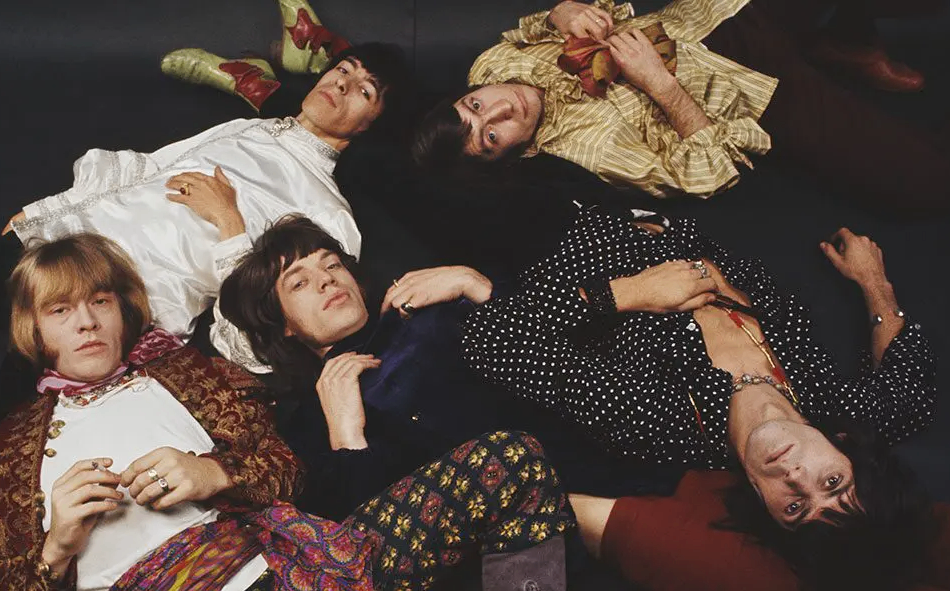
For more than six decades, The Rolling Stones have defined the spirit of rock and roll with their irresistible blend of blues, swagger, attitude, and unforgettable songwriting. From gritty rhythm driven anthems and electrifying rock classics to soulful ballads and adventurous musical experiments, the band’s remarkable catalog has influenced generations of musicians around the world. Mick Jagger’s charismatic vocals, Keith Richards’ legendary guitar riffs, and the group’s unmistakable chemistry have produced countless songs that remain staples of radio, concert stages, and popular culture. Whether delivering rebellious energy, heartfelt emotion, or timeless hooks, The Rolling Stones consistently created music that transcended eras. These unforgettable classics showcase why they remain one of the greatest and most influential rock bands of all time.
1. Satisfaction
Satisfaction is the song that turned The Rolling Stones into global rock and roll provocateurs, a snarling anthem built around one of the most recognizable guitar riffs in music history. Keith Richards’ fuzz toned riff gives the track its dangerous bite, while Mick Jagger delivers the lyrics with a mixture of boredom, arrogance, frustration, and youthful disgust. The song captured the mood of a generation growing tired of advertising, conformity, and empty promises. It sounded rebellious not because it shouted slogans, but because it made dissatisfaction feel stylish, physical, and impossible to ignore.
What makes Satisfaction so enduring is its simplicity. The riff is direct, the beat is relentless, and Jagger’s vocal performance feels like a sneer turned into melody. Charlie Watts keeps the groove steady and unfussy, allowing the guitar and vocal attitude to dominate, while Bill Wyman’s bass gives the track a firm rhythmic foundation. The song became a cultural landmark because it captured rock music moving from teenage excitement into sharper social commentary. It remains one of The Rolling Stones’ most essential recordings because it sounds raw, clever, and permanently alive. Few songs have expressed restlessness with such force, economy, and swagger.
2. Paint It Black
Paint It Black is one of The Rolling Stones’ most haunting and dramatic recordings, a song that blends rock intensity with dark exotic color and psychological unease. Brian Jones’ sitar part gives the track its unforgettable atmosphere, creating a sound that was bold and unusual for mainstream rock at the time. Mick Jagger sings with a sense of obsession and despair, turning the lyric into a portrait of grief so consuming that the entire world seems drained of color. The result is a song that feels both personal and theatrical, intimate and enormous.
The power of Paint It Black comes from its momentum. Charlie Watts’ drumming pushes the song forward with almost galloping force, while Keith Richards and Bill Wyman help create a dense rhythmic drive beneath the melody. Jagger’s vocal rises with increasing urgency, as if the darkness in the lyric is closing in around him. The song became one of the band’s most popular classics because it expanded what a rock single could sound like. It was not simply blues based swagger or pop romance. It was shadow, tension, and emotional disturbance set to a fiercely memorable groove. Decades later, Paint It Black still sounds mysterious, cinematic, and thrillingly restless.
3. Gimme Shelter
Gimme Shelter is one of The Rolling Stones’ most powerful and ominous masterpieces, a song that captures fear, violence, and social collapse with chilling intensity. From the opening guitar figure, the track feels like storm clouds gathering. Keith Richards’ playing is eerie and spacious, creating a mood of dread before Mick Jagger even enters. When Jagger begins singing, his voice carries warning rather than swagger. He sounds like a witness standing in the middle of chaos, describing a world where danger is no longer distant.
The recording reaches another level through Merry Clayton’s unforgettable guest vocal. Her voice tears through the song with astonishing force, especially in the famous lines about war and murder. That moment gives Gimme Shelter its emotional shock, turning the track into something almost apocalyptic. Charlie Watts’ drumming is steady and menacing, while Bill Wyman’s bass and the layered guitars create a deep, hypnotic pulse. The song remains one of the band’s greatest achievements because it captures the end of 1960s idealism without needing explanation. It sounds like fear, survival, and desperation in musical form. Gimme Shelter is not only one of The Rolling Stones’ most popular songs. It is one of rock music’s most haunting visions.
4. Sympathy For The Devil
Sympathy For The Devil is one of The Rolling Stones’ most audacious and intellectually charged songs, a hypnotic blend of rock, samba rhythm, historical imagery, and theatrical menace. Mick Jagger performs from the perspective of a charming embodiment of evil, guiding the listener through scenes of violence, power, betrayal, and human cruelty. His vocal is sly and controlled, never cartoonish, which makes the song far more unsettling. He sounds polite, amused, and dangerous, as if evil is not a monster but a sophisticated observer of history.
The arrangement is one of the band’s most distinctive. The percussion creates a rolling, ritualistic groove, while Keith Richards’ guitar solo cuts through with sharp blues fire. The famous background chants give the track a communal, almost ceremonial quality, pulling the listener deeper into its strange atmosphere. Sympathy For The Devil became a classic because it showed The Rolling Stones thinking on a grand scale without sacrificing groove or attitude. The song is literary, rhythmic, provocative, and deeply memorable. It does not simply shock for effect. It asks listeners to consider how much evil is created not by supernatural forces, but by human choices. Few rock songs have balanced intelligence, danger, and musical seduction so brilliantly.
5. Jumpin’ Jack Flash
Jumpin’ Jack Flash is one of The Rolling Stones’ greatest rock and roll explosions, a song that returned the band to raw riff driven power after their psychedelic experiments. Keith Richards’ guitar sound is gritty, compressed, and instantly recognizable, creating a riff that feels like it was carved from smoke, gasoline, and street corner attitude. Mick Jagger sings with wild confidence, turning the lyric into a survival chant for a character born in hardship but still laughing, moving, and refusing defeat.
The song’s power comes from its toughness and momentum. Charlie Watts drives the track with firm, no nonsense authority, while the guitars build a dense wall of rhythm that seems to swing and stomp at the same time. Jagger’s vocal is pure charisma, full of bite and humor. Jumpin’ Jack Flash remains one of the band’s most enduring live staples because it delivers everything people want from The Rolling Stones in concentrated form: a killer riff, a dangerous groove, a rebellious character, and a chorus built for release. It is blues rock stripped down to its most essential nerve. The song still sounds fresh because it is not overdecorated. It is lean, dirty, joyous, and completely unstoppable.
6. Brown Sugar
Brown Sugar is one of The Rolling Stones’ most famous and controversial rockers, a song powered by a swaggering riff, pounding rhythm, and one of Mick Jagger’s most animated vocal performances. Keith Richards’ guitar gives the track its raw momentum, while Charlie Watts keeps the beat sharp and swinging. The song captures the band’s early 1970s sound at full force, mixing blues, rock and roll, and Southern flavored grit into a performance that feels loose, hot, and dangerous.
At the same time, Brown Sugar carries lyrical material that has been widely criticized and debated for its treatment of race, slavery, sex, and exploitation. That tension is part of the song’s complicated legacy. Musically, it remains one of the band’s most powerful recordings, with Bobby Keys’ saxophone solo adding a blast of unruly excitement. Jagger’s vocal rides the chaos with theatrical confidence, though modern listeners often hear the song through a more critical lens. As a Rolling Stones classic, it represents both the band’s incredible ability to create irresistible rock grooves and the difficult questions surrounding some of their provocations. Brown Sugar remains important because it is musically explosive, historically tangled, and impossible to discuss without acknowledging both its power and its controversy.
7. Start Me Up
Start Me Up is one of The Rolling Stones’ most recognizable late period anthems, a song that proves the band could still create a timeless riff driven classic decades into their career. Keith Richards’ opening guitar figure is instantly magnetic, loose yet perfectly placed, giving the track a strutting confidence before Mick Jagger even begins singing. When Jagger enters, he brings pure rock frontman energy, playful, suggestive, and completely in command. The song sounds effortless, but its precision is part of its genius.
The rhythm section gives Start Me Up its irresistible physical pull. Charlie Watts plays with crisp restraint, never overcrowding the groove, while Bill Wyman’s bass keeps the track grounded. The guitars interlock with the relaxed mastery of musicians who understand that space can be just as powerful as volume. The song became a staple of stadiums, commercials, sports events, and concert stages because it has a universal ignition quality. It feels like motion beginning, engines firing, lights coming up, and a crowd ready to move. Start Me Up remains beloved because it captures The Rolling Stones’ enduring formula at its cleanest: attitude, rhythm, riff, and charisma fused into rock and roll that feels permanently alive.
8. Wild Horses
Wild Horses is one of The Rolling Stones’ most beautiful ballads, a song that reveals the tenderness, regret, and emotional depth beneath their swaggering rock image. Built around gentle acoustic guitars and a slow, aching melody, the track feels spacious and intimate. Mick Jagger sings with unusual vulnerability, shaping the lyric as a confession filled with love, sorrow, and resignation. His performance is restrained, which makes the emotion feel even more powerful. He sounds wounded, but not theatrical.
Keith Richards and Mick Taylor create a guitar texture that is both country influenced and unmistakably Stones like, blending warmth with melancholy. Charlie Watts plays with soft discipline, allowing the song to breathe, while the arrangement slowly gathers emotional weight without breaking its fragile mood. Wild Horses has remained beloved because it speaks to devotion under strain, the kind of love that survives pain, distance, and disappointment. The title image is simple but deeply resonant, suggesting forces too strong to pull the narrator away from the person he loves. Wild Horses stands among the band’s finest songs because it proves The Rolling Stones could be just as compelling when they were bruised and tender as when they were loud and defiant.
9. You Can’t Always Get What You Want
You Can’t Always Get What You Want is one of The Rolling Stones’ grandest and most philosophical recordings, a song that begins with choral beauty and gradually unfolds into a sweeping meditation on desire, disappointment, and acceptance. The opening choir gives the track a ceremonial atmosphere, immediately setting it apart from the band’s harder blues rock material. Mick Jagger enters with a vocal that sounds reflective rather than sneering, guiding the listener through scenes of social life, loss, and uneasy wisdom.
The song’s genius lies in its patient build. Acoustic guitar, piano, percussion, horns, and backing vocals gradually expand the arrangement, creating a sense of communal release. The famous refrain is both comforting and unsentimental. It does not promise easy happiness. It suggests that life often denies desire but may still provide what is necessary. That idea gives the song its lasting emotional power. Charlie Watts and producer Jimmy Miller create a rhythm that grows with natural momentum, while the band’s performance becomes increasingly celebratory. You Can’t Always Get What You Want remains one of The Rolling Stones’ most enduring classics because it balances realism and uplift. It is a singalong for people who have lived long enough to understand compromise, resilience, and strange forms of grace.
10. Angie
Angie is one of The Rolling Stones’ most famous romantic ballads, a song that strips away much of the band’s usual menace and swagger to reveal heartbreak in a more delicate form. The acoustic guitar opening sets a melancholy tone, while Mick Jagger delivers one of his most vulnerable vocal performances. He sounds tired, wounded, and sincere, singing as if the relationship has reached a point where love remains but the future has disappeared. That emotional contradiction gives the song its lasting pull.
The arrangement is graceful and restrained, with piano, strings, and guitar textures supporting the vocal without overwhelming it. Keith Richards’ contribution gives the song its aching foundation, while Jagger’s phrasing brings drama to the repeated name at the center of the lyric. Angie became a major hit because it showed another side of The Rolling Stones. They were not only masters of riff driven rebellion and bluesy swagger. They could also create a ballad filled with regret, tenderness, and melodic elegance. The song’s beauty lies in its unresolved feeling. It does not offer a neat ending. It lingers in the sadness of parting, making Angie one of the band’s most emotionally accessible and enduring recordings.

Edward Tomlin is a frequent contributor to Singers Room. Since 2005, Singersroom has been the voice of R&B around the world. Connect with us via social media below.
Source link
