
Pop/Hip Hop/R&B
10 Best Frank Sinatra Songs of All Time
Jun
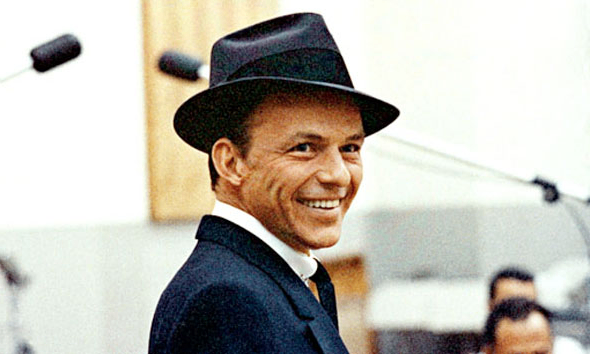
Frank Sinatra remains one of the most iconic voices ever recorded, a legendary performer whose music defined elegance, sophistication, and emotional storytelling for generations. With a career spanning decades, Sinatra mastered the art of interpretation, bringing warmth, confidence, heartbreak, romance, and resilience to every song he sang. Whether performing intimate ballads, swinging big band classics, or reflective standards, he possessed a remarkable ability to make listeners feel as though he were singing directly to them. His phrasing, timing, and unmistakable voice transformed timeless compositions into enduring cultural landmarks. From glamorous nights in Las Vegas to concert halls around the world, Sinatra became the soundtrack for celebrations, love stories, dreams, and moments of reflection. The songs that rank among his most popular recordings showcase the extraordinary artistry of a performer who elevated popular music to new heights and whose influence continues to resonate with singers and music lovers across generations.
1. My Way
My Way is one of Frank Sinatra’s most legendary recordings, a song that became inseparable from his public image as a man of confidence, resilience, and uncompromising individuality. Adapted from the French song Comme d’habitude with English lyrics by Paul Anka, the song presents a narrator looking back over a life filled with choices, regrets, victories, and self determination. Sinatra’s performance gives the recording its monumental force. He begins with reflective restraint, almost conversational in tone, then gradually builds toward a final declaration that feels both proud and deeply human. What makes My Way so enduring is its emotional complexity. It is often heard as a song of triumph, but beneath the grandeur is a recognition of mistakes, pain, and mortality. Sinatra does not sing it like someone claiming perfection. He sings it like someone accepting the consequences of a fully lived life. The orchestration rises with dramatic power, matching the growing intensity of the lyric without overwhelming his voice. The song became popular because it speaks to anyone who wants to believe their life has been lived with purpose. My Way remains a defining Sinatra classic because it transforms personal reflection into a universal anthem of dignity, pride, and final self possession.
2. New York, New York
New York, New York is one of Frank Sinatra’s most exuberant and enduring anthems, a song that captures ambition, glamour, and the restless electricity of America’s most famous city. Originally written for the film New York, New York, Sinatra’s version turned the song into a cultural landmark. His performance is full of swagger, optimism, and show business command, making the city sound like both a destination and a test of character. The lyric celebrates the dream of arriving somewhere grand and proving oneself under the brightest lights. Sinatra understood that feeling perfectly. His phrasing gives every line a sense of momentum, as though he is stepping onto a stage, tipping his hat, and daring the world to keep up. The arrangement is bold and brassy, building toward a finale that feels made for celebration. New York, New York became popular because it is more than a city song. It is a song about reinvention, confidence, and the belief that success in the hardest place means success anywhere. Its chorus remains one of the most recognizable in popular music. New York, New York endures because Sinatra made it sound like a toast, a challenge, and a victory parade all at once.
3. Fly Me to the Moon
Fly Me to the Moon is one of Frank Sinatra’s most beloved swing recordings, a perfect marriage of romance, rhythm, and effortless cool. Written by Bart Howard and transformed by Quincy Jones’s arrangement with Count Basie’s orchestra, the song moves with a buoyant elegance that feels timeless. Sinatra’s vocal is relaxed but precise, capturing the joy of romantic imagination without ever becoming overly sentimental. The lyric is built on cosmic images, asking to be taken among the stars, yet the emotional meaning is beautifully simple. It is a love song about wonder, closeness, and the way affection can make ordinary life feel expanded beyond the earth. Sinatra’s phrasing is masterful. He rides the beat with ease, placing words just behind or ahead of the rhythm in a way that makes the performance feel alive and conversational. Fly Me to the Moon became popular because it carries sophistication without stiffness. It swings, smiles, and sparkles, offering both musical polish and emotional warmth. The recording became especially associated with the space age, but its appeal goes far beyond that moment. Fly Me to the Moon remains a Sinatra favorite because it turns romance into lift, motion, and pure musical charm.
4. Strangers in the Night
Strangers in the Night is one of Frank Sinatra’s most famous romantic recordings, a smooth and atmospheric ballad about chance, attraction, and the mysterious instant when two lives unexpectedly meet. The song has a graceful melodic shape that feels almost cinematic, unfolding like a late evening encounter under soft lights. Sinatra’s vocal is controlled, elegant, and quietly seductive, giving the lyric a sense of mature romance rather than youthful excitement. He sings as someone who understands the power of a glance, a smile, and a moment that changes everything. The arrangement is polished and lush, with gentle orchestration supporting the melody while leaving plenty of space for Sinatra’s phrasing. Strangers in the Night became a major hit because it captures romance as destiny disguised as coincidence. The song’s famous closing vocal flourish added personality and charm, making the recording even more memorable. Though Sinatra reportedly had mixed feelings about the song, his performance made it definitive. He gives it warmth, sophistication, and unmistakable presence. Strangers in the Night remains popular because it speaks to one of romance’s most enduring fantasies: that love can appear suddenly, unexpectedly, and completely transform the meaning of an ordinary night.
5. That’s Life
That’s Life is one of Frank Sinatra’s great statements of toughness, humor, and resilience, a song that turns disappointment into swaggering survival. Built on a bluesy, brassy arrangement, the recording presents a narrator who has been up, down, praised, dismissed, and knocked around by circumstance, yet refuses to quit. Sinatra delivers the vocal with a perfect mix of grit and theatrical confidence. He sounds bruised but undefeated, amused by life’s cruelty and determined to keep moving. The song’s power comes from its refusal to pretend that existence is easy. Instead, it accepts reversals as part of the game. One month may bring success, the next may bring humiliation, but the spirit has to rise again. That’s Life became popular because it captures a deeply relatable attitude in bold musical form. The arrangement swings with muscle, giving Sinatra room to snarl, joke, and soar. His phrasing gives every line personality, turning the lyric into a performance of lived experience. The song remains beloved because it offers comfort without softness. It does not say pain disappears. It says survival has style. That’s Life is Sinatra at his most defiant, reminding listeners that setbacks may sting, but they do not get the final word.
6. I’ve Got You Under My Skin
I’ve Got You Under My Skin is one of Frank Sinatra’s most sophisticated performances, a masterclass in controlled desire, rhythmic elegance, and vocal interpretation. Written by Cole Porter, the song explores romantic obsession with wit and refinement, presenting love as something the narrator knows may be dangerous yet cannot resist. Sinatra’s version, arranged by Nelson Riddle, is legendary for the way it builds from cool restraint to blazing intensity. The opening feels intimate and conversational, with Sinatra almost reasoning with himself, trying to maintain control. As the arrangement grows, especially through the famous instrumental build, the emotion becomes harder to contain. His vocal phrasing is extraordinary, balancing elegance with heat. He never sounds out of control, yet the listener feels the pressure of desire beneath every line. I’ve Got You Under My Skin became popular because it captures the drama of temptation with musical sophistication. The swing is smooth, the orchestration is brilliant, and Sinatra’s interpretation gives the song a psychological depth that few singers could match. I’ve Got You Under My Skin remains one of his finest recordings because it turns romantic surrender into a battle between reason and longing, performed with flawless style.
7. Come Fly With Me
Come Fly With Me is one of Frank Sinatra’s most joyful and stylish recordings, a glamorous invitation to travel, romance, and worldly adventure. Written by Sammy Cahn and Jimmy Van Heusen, the song became the perfect title track for one of Sinatra’s classic concept albums. The arrangement by Billy May is bright, brassy, and full of movement, capturing the excitement of mid century jet age sophistication. Sinatra sings with relaxed confidence, sounding like the ideal guide to faraway places, elegant nights, and spontaneous escape. His phrasing gives the song its charm. He never pushes too hard. Instead, he lets the melody swing naturally, making the invitation feel irresistible. Come Fly With Me became popular because it embodies a fantasy of style and freedom. It is not only about travel in the literal sense. It is about leaving routine behind and entering a world of possibility. The song’s images of exotic destinations and carefree motion reflect Sinatra’s gift for making listeners feel included in the glamour. Come Fly With Me remains beloved because it captures optimism in motion, combining romance, adventure, and showmanship with one of the most confident vocal performances of Sinatra’s golden era.
8. The Way You Look Tonight
The Way You Look Tonight is one of Frank Sinatra’s most tender and graceful love songs, a recording that captures admiration with warmth, elegance, and emotional sincerity. Originally introduced by Fred Astaire, the song had already earned a treasured place in the American songbook before Sinatra brought his own phrasing and maturity to it. His version feels intimate, as though he is speaking directly to someone across a room at the end of a perfect evening. The lyric celebrates beauty not as mere appearance, but as a memory preserved by affection. Sinatra’s performance is gentle and deeply controlled, allowing the melody to unfold with natural charm. He does not overdecorate the song, because he understands that its power lies in directness. The Way You Look Tonight became popular because it expresses romantic devotion in language that feels both refined and completely accessible. The arrangement supports him with tasteful elegance, creating a soft glow around the vocal. The song remains a favorite at weddings, anniversaries, and quiet personal moments because it honors love as something worth remembering in detail. The Way You Look Tonight endures because Sinatra makes admiration sound timeless, personal, and beautifully sincere.
9. Luck Be a Lady
Luck Be a Lady is one of Frank Sinatra’s most theatrical and commanding performances, a song that perfectly suits his image as a master of style, risk, and cool confidence. Written by Frank Loesser for Guys and Dolls, the song uses gambling as a metaphor for fate, romance, and the fragile hope that fortune will behave with grace. Sinatra’s delivery is bold and charismatic, full of controlled tension and masculine elegance. He sounds like a man at the table, aware that everything could change with the next turn, yet determined to keep his nerve. The arrangement swings with dramatic force, giving the performance a sense of spectacle without losing its rhythmic sophistication. Luck Be a Lady became popular because it captures the glamour of chance. It belongs to casinos, stages, big bands, and late nights where confidence is both armor and performance. Sinatra gives the lyric personality, making luck seem like a woman who must be courted, challenged, and respected. His timing is impeccable, allowing each phrase to land with theatrical precision. Luck Be a Lady remains one of his most beloved standards because it blends Broadway drama, swing power, and Sinatra’s unmistakable sense of command.
10. Summer Wind
Summer Wind is one of Frank Sinatra’s most evocative and beautifully nostalgic recordings, a song that turns memory into atmosphere. The arrangement moves with gentle swing, warm brass, and a breezy elegance that perfectly matches the title image. Sinatra sings with seasoned tenderness, looking back on a romance that arrived like a summer breeze and disappeared just as naturally. His voice carries both affection and regret, suggesting a man who has learned that beautiful moments often pass before they can be held. What makes Summer Wind so powerful is its emotional restraint. Sinatra does not dramatize the loss. He lets it drift through the melody, allowing the listener to feel the bittersweet nature of memory. The lyric’s seasonal imagery gives the song universal resonance. Everyone understands the feeling of a time, a place, or a person returning briefly through memory, as vivid and unreachable as weather from another year. Summer Wind became popular because it captures nostalgia with sophistication and ease. The performance feels relaxed, but every phrase is shaped with care. Summer Wind remains one of Sinatra’s finest late classics because it makes longing sound graceful, sunlit, and quietly heartbreaking.

Edward Tomlin is a frequent contributor to Singers Room. Since 2005, Singersroom has been the voice of R&B around the world. Connect with us via social media below.
Source link
