
Pop/Hip Hop/R&B
15 Best White Rappers of All Time
Jun
White rappers have played a significant role in the evolution of hip hop, bringing distinctive voices, innovative styles, and memorable performances that have helped shape the genre across multiple generations. From groundbreaking pioneers who earned respect through exceptional lyricism to modern chart topping superstars who have expanded rap’s global reach, these artists have made lasting contributions through powerful storytelling, technical skill, and unforgettable songs. Their music has explored personal struggles, ambition, humor, social issues, and creative experimentation while influencing millions of fans around the world. This collection celebrates the most popular white rappers of all time, highlighting the legendary artists whose remarkable catalogs have left a lasting impact on hip hop history.
1. Eminem
Eminem stands as the most popular white rapper of all time because his career changed the possibilities of technical lyricism, mainstream dominance, and personal storytelling in hip hop. Born Marshall Mathers in Detroit, he emerged from battle rap culture with a style that was aggressive, funny, painful, shocking, and dazzlingly precise. His greatest songs include “Lose Yourself”, “Stan”, “The Real Slim Shady”, “Without Me”, and “Not Afraid”. Each track reveals a different part of his artistry, from cinematic motivation to dark character writing and rapid fire verbal control.
“Lose Yourself” remains Eminem’s defining anthem because it captures pressure, ambition, fear, and opportunity with extraordinary focus. The song feels like a dramatic countdown, built around a tense beat and a vocal performance that grows more urgent with every verse. Eminem raps as if every line matters because the moment itself may never come again. His greatness lies not only in speed or rhyme density, but in emotional construction. He can make a verse feel like a confession, a confrontation, and a performance all at once. Eminem’s popularity endures because he turned personal chaos into disciplined craft. His songs continue to resonate with listeners who connect to anger, insecurity, survival, humor, and the relentless hunger to prove oneself.
2. Beastie Boys
Beastie Boys became one of the most important rap groups of all time by bringing punk energy, playful humor, crate digging production, and restless experimentation into hip hop. The trio of Mike D, MCA, and Ad Rock first broke through with the wild party spirit of Licensed To Ill, but their career became far richer as they evolved into adventurous musicians, producers, and cultural explorers. Their top songs include “Fight For Your Right”, “Sabotage”, “Intergalactic”, “No Sleep Till Brooklyn”, and “Sure Shot”. Their music could be chaotic, witty, funky, rebellious, and surprisingly sophisticated.
“Intergalactic” is one of their most beloved songs because it captures the group’s futuristic humor and rhythmic chemistry. The beat is bouncy and strange, the hook is instantly memorable, and the verses show how well the three voices play off one another. Beastie Boys had a rare group dynamic where personality mattered as much as technical display. They were not trying to sound like traditional rap stars. They created their own world of references, jokes, samples, live instrumentation, and visual style. Their popularity endures because they made hip hop feel wildly creative without losing its sense of fun. Beastie Boys proved that rap could absorb punk, funk, jazz, rock, and absurdist comedy while still remaining rhythmically sharp and culturally influential.
3. Mac Miller
Mac Miller became one of the most beloved rappers of his generation because his music grew with unusual honesty, warmth, and emotional depth. Born Malcolm McCormick in Pittsburgh, he first gained attention with youthful party records and mixtape charm, but his artistry expanded into something far more introspective and musically adventurous. His top songs include “Self Care”, “Donald Trump”, “Good News”, “Dang!”, and “Weekend”. Over time, Mac moved through hip hop, jazz influence, soul textures, funk grooves, and vulnerable songwriting with increasing maturity.
“Self Care” is one of Mac Miller’s most powerful songs because it captures his late career blend of reflection, melody, and emotional struggle. The track is smooth and meditative, yet there is a heaviness beneath its calm surface. Mac’s delivery feels relaxed, but the words reveal fatigue, self awareness, and a search for peace. What makes the song so affecting is its honesty. It does not offer easy victory. It feels like someone trying to breathe through difficulty. Mac Miller’s popularity endures because fans heard his growth in real time. He was funny, curious, thoughtful, flawed, and constantly evolving. His best music feels deeply human because it welcomes vulnerability without losing rhythm or musical imagination. Mac remains cherished not only for his songs, but for the sincerity and creative openness he left behind.
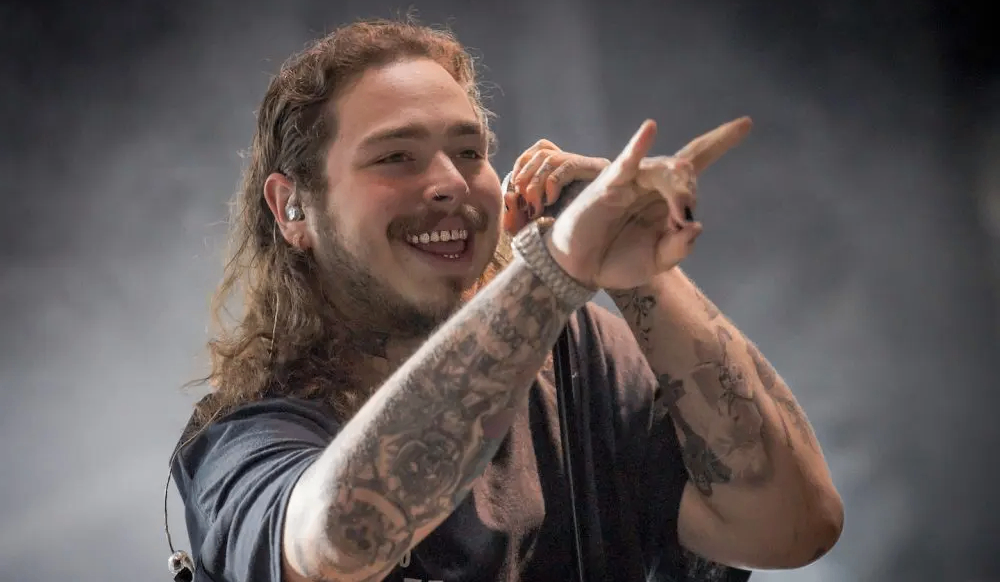
4. Post Malone
Post Malone became one of the most commercially successful artists connected to rap by blending hip hop, pop, rock, trap, country flavor, and melodic melancholy into a sound that crossed genre lines with remarkable ease. Born Austin Post, he rose quickly with “White Iverson” and soon became a streaming era giant through songs such as “Rockstar”, “Congratulations”, “Circles”, “Sunflower”, and “Better Now”. His style often leans more melodic than traditional rap, but his influence on modern pop rap is undeniable. He built a career around mood, vulnerability, hooks, and a voice that sounds both weary and instantly recognizable.
“Rockstar” remains one of Post Malone’s biggest hits because it captures the blurred emotional world of fame, excess, and loneliness. The production is dark and sleek, while Post’s vocal floats between rap cadence and melodic confession. He does not overwhelm the track with lyrical density. Instead, he creates atmosphere, using tone and repetition to make the song feel hypnotic. Post Malone’s popularity comes from his ability to make sadness sound catchy and luxury feel strangely empty. His best songs often carry a tension between celebration and exhaustion. He became a defining figure because he understood how modern listeners move across genres. Post Malone’s catalog connects with fans who want rap rhythm, pop melody, rock attitude, and emotional openness in the same space.
5. Macklemore
Macklemore became one of the most recognizable independent rap success stories of the modern era through wit, sincerity, social commentary, and a talent for highly memorable songs. Born Ben Haggerty in Seattle, he built his career outside the traditional major label system alongside producer Ryan Lewis, creating music that mixed humor, reflection, and bright theatrical production. His most famous songs include “Thrift Shop”, “Can’t Hold Us”, “Same Love”, “Glorious”, and “Downtown”. His work often alternates between playful spectacle and serious personal themes such as addiction, identity, equality, and recovery.
“Thrift Shop” became a global phenomenon because it turned secondhand fashion into a hilarious, funky, and unforgettable anthem. The song’s horn driven production, comic detail, and confident delivery made it feel completely different from the luxury obsessed rap trends surrounding it. Macklemore’s performance is animated and self aware, leaning into absurdity without losing rhythmic control. Yet his popularity is not only based on humor. Songs like “Same Love” and “Starting Over” showed a willingness to address social and personal issues with direct emotion. Macklemore’s appeal comes from his ability to mix accessibility with intention. He can make a massive party record, then follow it with something vulnerable or socially conscious. That range helped him become one of the most visible white rappers of his generation.
6. Machine Gun Kelly
Machine Gun Kelly became a major figure in modern rap and alternative music through speed, emotional intensity, rebellious energy, and a career defined by reinvention. Born Colson Baker in Cleveland, he first gained attention for rapid delivery and raw mixtape material before reaching wider audiences with songs such as “Wild Boy”, “Till I Die”, “Bad Things”, “Rap Devil”, and later pop punk influenced hits like “Bloody Valentine”. His music often reflects restlessness, ambition, anger, romance, alienation, and self destruction, making him a polarizing but undeniably visible performer.
“Rap Devil” became one of Machine Gun Kelly’s most discussed rap songs because it placed him directly into one of the most public lyrical battles of the late 2010s. The track is confrontational, energetic, and built around a hook that made it more than a traditional diss record. MGK’s delivery is sharp and confident, showing his ability to turn conflict into spectacle. Beyond that moment, his career has been notable for movement across styles. He shifted from rap into guitar driven pop punk with surprising commercial success, bringing a new audience into his world. Machine Gun Kelly’s popularity endures because he thrives on intensity and transformation. He is most compelling when channeling chaos into music that feels immediate, youthful, and emotionally charged.
7. Vanilla Ice
Vanilla Ice remains one of the most historically recognizable white rappers because his hit “Ice Ice Baby” became a massive mainstream breakthrough at a time when rap was still fighting for broad commercial acceptance. Born Robert Van Winkle, he became a pop culture phenomenon almost overnight, bringing rap into suburban homes, television specials, and international charts. His catalog is most closely tied to songs such as “Ice Ice Baby”, “Play That Funky Music”, and “Ninja Rap”. While his career has often been debated critically, his visibility in rap history remains impossible to ignore.
“Ice Ice Baby” is the song that defines Vanilla Ice’s legacy. Built around a famous bass line, the track became instantly recognizable and helped make him one of the first rap artists to top major pop charts. The song’s appeal was simple, catchy, and highly accessible, bringing hip hop sounds to audiences that had not yet fully engaged with the genre. Vanilla Ice’s place in history is complicated because questions of authenticity and commercial packaging surrounded his rise. Even so, the cultural footprint of “Ice Ice Baby” remains large. His popularity came from being part of a moment when rap crossed into mass pop consciousness in a new way. Whether celebrated as a nostalgic figure or examined as a symbol of early rap commercialization, Vanilla Ice remains a key name in discussions of white rappers and mainstream hip hop history.
8. NF
NF became one of the most successful white rappers of the modern era by building a deeply loyal audience through emotional intensity, cinematic production, and lyrics centered on anxiety, faith, trauma, doubt, and inner conflict. Born Nathan Feuerstein in Michigan, he developed a style that is dramatic, clean in language, and intensely personal. His top songs include “Let You Down”, “The Search”, “Time”, “Lie”, and “Hope”. His music often feels like a conversation with the self, shaped by pounding drums, orchestral textures, and urgent vocal delivery.
“Let You Down” became NF’s biggest breakthrough because it translated family pain and personal disappointment into a song with broad emotional resonance. The hook is haunting and accessible, while the verses reveal feelings of frustration, guilt, and longing. NF’s delivery is controlled but intense, giving the track a sense of confession under pressure. His appeal comes from how directly he addresses mental and emotional struggle. He does not hide behind glamour or party imagery. Instead, he turns internal battles into the central drama of his music. NF’s popularity endures because listeners feel that he is speaking from a place of genuine pain and perseverance. His songs connect especially strongly with fans who value honesty, moral seriousness, and music that gives language to anxiety and resilience.
9. G Eazy
G Eazy became one of the most visible white rappers of the 2010s by combining sleek production, Bay Area roots, sharp fashion, and a cool, nocturnal persona. Born Gerald Gillum in Oakland, he developed a style that blends hip hop confidence with pop hooks, nightlife imagery, and a polished visual identity. His top songs include “Me, Myself And I”, “No Limit”, “I Mean It”, “Some Kind Of Drug”, and “Him And I”. His music often explores fame, ambition, relationships, temptation, and the cost of living inside a carefully built image.
“Me, Myself And I” featuring Bebe Rexha remains G Eazy’s most recognizable song because it pairs introspective verses with a soaring pop hook. The track captures the loneliness that can exist beneath success, turning self reliance into both a statement of strength and a sign of isolation. G Eazy’s delivery is smooth and controlled, favoring clarity and mood over explosive technical display. That restraint became part of his identity. He often sounds like he is narrating from inside a late night city scene, surrounded by lights, luxury, and private uncertainty. G Eazy’s popularity endures because he understands the power of atmosphere. His best songs combine rap confidence with pop accessibility, creating music that fits clubs, radio, and reflective late night listening.
10. Yelawolf
Yelawolf became a distinctive figure in hip hop by fusing Southern rap, country influence, rock attitude, and rapid fire lyricism into a style that is unmistakably his own. Born Michael Atha in Alabama, he brought a rural Southern perspective into rap without treating it as a gimmick. His catalog includes songs such as “Till It’s Gone”, “Pop The Trunk”, “Best Friend”, “American You”, and “Daddy’s Lambo”. Yelawolf’s music often explores poverty, rebellion, family pain, pride, addiction, and the tension between backwoods culture and hip hop identity.
“Till It’s Gone” is one of Yelawolf’s strongest songs because it highlights his gift for atmosphere and emotional grit. The track has a dark, rootsy mood, with a chorus that feels weary and defiant. His verses move with intensity, but the song’s power comes from its sense of lived experience. Yelawolf does not sound like he is borrowing Southern imagery. He sounds like he is reporting from inside it. His voice can shift from fast rhythmic attack to rough melodic expression, giving his music a rugged versatility. Yelawolf’s popularity endures because he created a lane that connects rap, country storytelling, and rock energy without fully belonging to any single box. His best work carries dust, danger, pain, and pride in equal measure.
11. Action Bronson
Action Bronson became one of the most colorful personalities in underground and mainstream adjacent rap through witty imagery, culinary references, Queens confidence, and a voice that immediately commands attention. Born Ariyan Arslani in New York, he built a reputation as a rapper with dense wordplay, surreal humor, and a deep love of food, sports, travel, and old school hip hop textures. His top songs include “Easy Rider”, “Baby Blue”, “Actin Crazy”, “Strictly 4 My Jeeps”, and “The Chairman’s Intent”. His music often feels like a wild travelogue through luxury, absurdity, memory, and appetite.
“Easy Rider” is one of Action Bronson’s defining songs because it captures his cinematic sense of humor and larger than life persona. The production has a psychedelic rock flavor, while Bronson raps with freewheeling confidence, stacking strange images and vivid details with remarkable ease. He sounds less like a conventional hitmaker and more like a character from an eccentric film who happens to rap with serious skill. His appeal comes from specificity. Food, cars, wrestling, rare references, and New York street wit all become part of his lyrical universe. Action Bronson’s popularity endures because he made personality itself feel like a genre. He brings humor, technical ability, and cultural curiosity together in a way that makes his songs instantly recognizable.
12. Aesop Rock
Aesop Rock is one of the most respected underground rappers of all time, known for his dense vocabulary, abstract imagery, intricate rhyme structures, and fiercely independent artistic identity. Born Ian Bavitz, he emerged from the alternative hip hop scene with a style that rewards careful listening. His songs often feel like puzzles, diaries, surreal paintings, and philosophical sketches happening all at once. His top tracks include “None Shall Pass”, “Daylight”, “Rings”, “Kirby”, and “Zero Dark Thirty”. Aesop Rock built a devoted following by refusing to simplify his language or chase mainstream formulas.
“None Shall Pass” is one of his most accessible and powerful songs because it combines a memorable beat with his trademark verbal complexity. His delivery is controlled and intense, moving through lines that feel packed with images and hidden meanings. Aesop’s writing often requires listeners to sit with the song, replay it, and absorb its texture over time. That depth is the source of his appeal. He treats rap as a literary instrument without losing rhythm or attitude. Aesop Rock’s popularity endures within serious hip hop circles because he represents language at its most adventurous. His music is not designed for passive listening. It invites decoding, reflection, and immersion. For fans of lyricism, he remains one of the most original voices in rap.
13. El P
El P is one of the most influential figures in underground hip hop, admired as both a rapper and producer with a sound that is abrasive, futuristic, political, and fiercely independent. Born Jaime Meline in Brooklyn, he first made his mark with Company Flow before building a major solo career and later reaching wider audiences as one half of Run The Jewels with Killer Mike. His top songs and collaborations include “Deep Space 9mm”, “The Full Retard”, “Legend Has It”, “Close Your Eyes And Count To Fk”, and “Ooh La La”. His music often sounds like machinery collapsing in rhythm, full of distortion, urgency, and sharp wit.
“Legend Has It” is one of El P’s most popular recordings with Run The Jewels because it captures the duo’s explosive chemistry and his talent for hard hitting production. The beat is heavy, menacing, and infectious, while El P’s verse delivers sarcasm, aggression, and tight rhythmic control. As a producer, he builds sonic environments that feel urban, paranoid, and cinematic. As a rapper, he brings intelligence, humor, and verbal force. El P’s popularity endures because he helped prove that underground rap could be uncompromising and still reach a wide audience. His work remains vital for listeners who want hip hop that sounds dangerous, inventive, and politically awake.
14. Mike Shinoda
Mike Shinoda became one of the most recognizable rap voices in rock influenced hip hop through his work with Linkin Park and his solo project Fort Minor. As a rapper, vocalist, producer, songwriter, and multi instrumentalist, Shinoda helped shape a sound that brought rap cadence, heavy guitars, electronic textures, and emotional vulnerability to massive global audiences. His top songs include Linkin Park classics such as “In The End”, “Numb”, “Faint”, and Fort Minor’s “Remember The Name” and “Where’d You Go”. His rapping is marked by clarity, precision, and rhythmic discipline.
“In The End” remains one of Shinoda’s most iconic songs because his rap verses provide the grounded, reflective framework for Chester Bennington’s soaring chorus. The contrast between spoken rhythm and melodic release became central to Linkin Park’s emotional power. Shinoda’s verses are direct and memorable, expressing frustration, effort, and disappointment in a way that connected deeply with listeners across genres. His strength lies in accessibility without shallowness. He writes lines that are clear enough to be instantly understood, yet emotionally broad enough to fit many personal experiences. Mike Shinoda’s popularity endures because he helped bring rap language into the emotional architecture of modern rock. His work made hip hop influenced delivery feel natural inside arena sized songs about anxiety, identity, grief, and resilience.
15. Everlast
Everlast became one of the most distinctive white rappers through a career that moved from rowdy hip hop success with House of Pain to a later solo sound blending rap, blues, folk, rock, and gravel voiced storytelling. Born Erik Schrody, he first became widely known through House of Pain’s massive hit “Jump Around”, one of the most enduring party songs of the 1990s. As a solo artist, he found a different lane with songs such as “What It’s Like”, “Ends”, “Black Jesus”, and “White Trash Beautiful”. His music often reflects hardship, judgment, addiction, poverty, spirituality, and moral complexity.
“What It’s Like” is Everlast’s most powerful solo song because it combines rap storytelling with acoustic blues atmosphere and a voice full of weathered empathy. The song presents characters facing judgment, pain, and difficult choices, asking listeners to consider compassion before criticism. Its structure is simple, but its emotional effect is strong. Everlast’s delivery is not flashy. It is rough, direct, and lived in, which suits the material perfectly. His popularity comes from his ability to move between hip hop attitude and roots influenced reflection. Everlast endures because he carved out a space where rap storytelling could meet folk realism and blues grit. His best songs feel like moral sketches from the edge of everyday life, delivered with a voice that sounds scarred, observant, and honest.

Edward Tomlin is a frequent contributor to Singers Room. Since 2005, Singersroom has been the voice of R&B around the world. Connect with us via social media below.
Source link
