
-
×
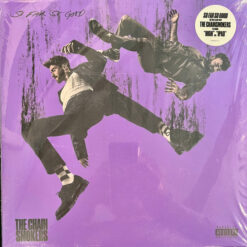 The Chainsmokers "So Far So Good"
1 × $38.00
The Chainsmokers "So Far So Good"
1 × $38.00
Pop/Hip Hop/R&B
15 Best Love Songs of All Time

09
Sep
Sep
Love songs have always had a special power to turn deeply personal emotions into something millions of people can instantly recognize. From tender ballads and soulful declarations to passionate rock anthems and unforgettable pop classics, the greatest romantic songs capture every stage of love, including longing, devotion, heartbreak, desire, and lasting commitment. Artists such as Whitney Houston, Elvis Presley, The Beatles, Etta James, Lionel Richie, and countless others have created melodies that continue to soundtrack weddings, first dances, anniversaries, and quiet moments between two people. Decades later, these timeless songs still prove that love remains music’s most universal language.
1. Whitney Houston: I Will Always Love You
I Will Always Love You became one of the most commanding love songs in popular music through Whitney Houston’s extraordinary 1992 interpretation. Dolly Parton originally wrote and recorded the composition years earlier, but Houston transformed it into a monumental vocal performance for The Bodyguard. The recording begins with remarkable simplicity, allowing Houston’s unaccompanied voice to establish an intimate and vulnerable atmosphere. When the instrumental arrangement finally expands, the emotional scale seems to grow from a private farewell into something almost universal.
What makes the performance especially powerful is that the song is not really about possessing another person. It expresses enduring affection while accepting separation. Houston understands that contradiction completely. Her early phrases are controlled and tender, while later sections reveal the tremendous power of her voice. By the climactic passages, she combines technical precision with emotional intensity in a way few singers could realistically imitate.
Houston’s catalog contains many other major love songs. Saving All My Love for You demonstrated her sophisticated approach to romantic balladry, while Didn’t We Almost Have It All turned lost love into an enormous dramatic performance. All the Man That I Need showcased the gospel strength in her singing, and Greatest Love of All became one of her defining inspirational recordings. She could also command bright pop material such as I Wanna Dance with Somebody with seemingly effortless joy.
I Will Always Love You nevertheless occupies a unique place in her legacy. The song allows Houston to move from whispering intimacy to breathtaking vocal grandeur without losing the emotional story. Its continued popularity at romantic celebrations may seem surprising given the farewell at its center, yet the central feeling remains profound devotion. Houston makes love sound generous enough to survive even when two people can no longer remain together.
2. Elvis Presley: Can’t Help Falling in Love
Can’t Help Falling in Love reveals the tender side of Elvis Presley with a simplicity that has made the recording one of the most enduring romantic songs ever released. Recorded for the 1961 film Blue Hawaii, the ballad moves at an unhurried pace while Presley delivers the melody with warmth rather than theatrical force. The central idea is immediately understandable: sometimes affection becomes so powerful and natural that resisting it feels impossible.
The melody possesses an almost ceremonial grace, partly because of its connection to the much older French composition Plaisir d’amour. Yet Presley’s recording sounds unmistakably his own. His voice is rich but restrained, and the gentle instrumental backing gives him enough space to make each phrase feel personal. Unlike the energetic rock and roll performances that made him a revolutionary star during the previous decade, this song depends on patience.
Presley’s enormous catalog contains many romantic classics. Love Me Tender became another favorite through its intimate declaration of devotion, while It’s Now or Never allowed Elvis to display the more dramatic and operatic qualities of his voice. Are You Lonesome Tonight? approaches romance through longing and theatrical melancholy. Always on My Mind later revealed a more reflective emotional maturity, while songs such as Suspicious Minds explored the damage caused when trust disappears from a relationship.
Can’t Help Falling in Love remains different from all of them because there is almost no conflict inside the performance. The singer simply accepts the depth of his feelings and offers his life to the person he loves. That uncomplicated surrender has made the song especially popular at weddings, anniversaries, and first dances. Generations of artists have recorded it, yet Presley’s original still possesses a quiet emotional authority. He does not need to shout his devotion. The gentleness of the performance makes the promise sound even more sincere.
3. Etta James: At Last
At Last sounds like the moment when years of romantic disappointment suddenly disappear. Etta James recorded her celebrated version in 1960, taking a composition written by Mack Gordon and Harry Warren and giving it the soulful personality that would make it permanently associated with her voice. The opening strings create immediate elegance, but once James begins singing, the recording gains warmth, blues feeling, and a sense of emotional history that no orchestral arrangement could provide on its own.
James makes happiness sound earned. She does not approach the melody as someone discovering love casually. Her vocal suggests a person who understands loneliness deeply enough to appreciate the arrival of genuine connection. That quality has helped At Last become one of the most frequently chosen wedding and first dance songs in popular culture. The title alone expresses exactly what many couples feel when they finally stand together after years of searching.
Etta James possessed extraordinary range beyond this romantic standard. I’d Rather Go Blind is one of soul and blues music’s most devastating performances of heartbreak, filled with vulnerability and restraint. Something’s Got a Hold on Me captures her joyful, gospel rooted energy, while Tell Mama demonstrates her ability to dominate a driving soul arrangement. Her version of I Just Want to Make Love to You displays confidence and sensuality, showing how easily she could move between tenderness and raw power.
At Last remains her most universally recognized recording because every element feels perfectly matched. The strings provide romance, the melody offers timeless elegance, and James supplies the emotional truth. Her phrasing can be delicate one moment and gloriously full the next. The song lasts only a few minutes, but it contains the sensation of a much longer journey finally reaching its destination. Love has arrived, loneliness has ended, and James sounds as though she can scarcely believe her good fortune.
4. The Beatles: Something
Something stands among the most beautiful love songs in The Beatles catalog and remains George Harrison’s greatest romantic composition. Released on Abbey Road in 1969, the song demonstrated just how dramatically Harrison had developed as a songwriter during the group’s career. John Lennon and Paul McCartney had long dominated discussions of Beatles songwriting, but Something established Harrison as a composer capable of creating material equal to the band’s finest work.
The recording is romantic without relying on exaggerated promises. Harrison focuses instead on the mysterious qualities that make one person irresistible to another. His melody feels graceful and slightly uncertain, matching a lyric in which attraction seems powerful even when the future cannot be completely known. George Martin’s string arrangement adds richness, while Paul McCartney’s melodic bass playing and Ringo Starr’s restrained drumming make the track unusually detailed beneath its seemingly effortless surface.
Harrison contributed several other essential songs to The Beatles. While My Guitar Gently Weeps brought emotional darkness and blues influenced guitar into the group’s sound. Here Comes the Sun became one of their most beloved expressions of optimism, while Taxman revealed his sharper social commentary. After The Beatles ended, Harrison produced an important solo catalog containing My Sweet Lord, What Is Life, Give Me Love, and the moving All Things Must Pass.
Something remains remarkable because it never becomes overly sentimental. Harrison recognizes love as a force that can be deeply convincing while still containing mystery. The guitar solo follows the melodic character of the vocal rather than interrupting it, and the entire arrangement seems designed to protect the song’s intimacy. Numerous major singers have interpreted the composition, but The Beatles recording remains definitive. It captures Harrison at the moment when his songwriting fully emerged from the enormous shadow of Lennon and McCartney.
5. Céline Dion: My Heart Will Go On
My Heart Will Go On became inseparable from the enormous cultural impact of Titanic, yet Céline Dion’s performance has endured far beyond the film that introduced it to a worldwide audience. Released during the late 1990s, the song was composed by James Horner with lyrics by Will Jennings. Its arrangement begins gently, creating the feeling of memory and distance before gradually expanding into the kind of grand emotional climax that Dion could deliver with exceptional control.
The song presents love as something capable of surviving physical separation and even death. That theme closely matches the film, but it also allows listeners to attach their own experiences of devotion, memory, and loss. Dion begins with delicacy, allowing the melody to unfold slowly. As drums, strings, and larger instrumental textures arrive, her vocal rises without ever sounding disconnected from the intimacy of the opening.
Dion’s career contains many other significant romantic performances. The Power of Love showcases her ability to transform a ballad into an enormous vocal event, while Because You Loved Me expresses gratitude toward someone whose support changed another person’s life. It’s All Coming Back to Me Now combines romance with theatrical drama, and That’s the Way It Is presents love with brighter pop energy. Her recordings in French also form a major part of her artistic identity and helped establish her long before her greatest English language successes.
My Heart Will Go On nevertheless became her signature recording because the song and singer seem perfectly matched. Dion possesses enough technical strength to handle the enormous climax, but she also understands that the quiet passages are what make that climax meaningful. The song begins like a memory whispered privately and ends like a declaration projected across an ocean. Its scale is enormous, yet the emotional idea remains simple: genuine love can continue living inside someone long after circumstances have changed.
6. Ed Sheeran: Perfect
Perfect became an immediate modern love song standard because Ed Sheeran writes about romance with the conversational intimacy of someone recalling his own life rather than constructing an imaginary fairy tale. Released on his 2017 album Divide, the ballad follows a relationship from youthful affection toward the possibility of lasting commitment. The acoustic foundation gives Sheeran’s voice a personal quality before strings and fuller instrumentation gradually make the song feel increasingly cinematic.
Sheeran is particularly effective at turning specific images into universal romantic moments. Dancing together, imagining a shared future, and recognizing beauty in an ordinary setting are experiences listeners can easily connect with their own relationships. The melody is gentle enough for a first dance but contains enough dramatic growth to create a genuine emotional climax.
Romantic songwriting has been central to Sheeran’s catalog. Thinking Out Loud became another enormous wedding favorite by imagining affection that continues across decades. Photograph explores the way memories and images preserve emotional connections across distance, while Tenerife Sea offers a more understated declaration of admiration. Shape of You reveals the rhythmic pop side of his songwriting, and songs such as Castle on the Hill demonstrate his ability to turn personal memories into widely relatable stories.
Perfect remains especially powerful because its title suggests an idealized romance while the song itself feels human and specific. Sheeran does not present love as a distant fantasy. He describes two people growing into something deeper while still carrying memories of who they were before the relationship became serious.
That balance between nostalgia and commitment explains why the recording quickly became a fixture at weddings around the world. It sounds intimate enough to belong to one couple and expansive enough to fill a ballroom. Sheeran’s greatest romantic gift is making those two scales feel completely compatible.
7. John Legend: All of Me
All of Me became John Legend’s defining love song because it embraces a realistic idea of commitment. Rather than describing an ideal partner without flaws, Legend sings about loving another person completely, including the complications, contradictions, strengths, and imperfections that make that individual unique. Released on the 2013 album Love in the Future, the song was inspired by his relationship with Chrissy Teigen, giving the performance an intimacy that listeners quickly recognized.
The piano centered arrangement is deliberately simple. Legend does not need elaborate production because his voice carries the emotional development. He begins calmly, almost conversationally, before allowing the melody to rise naturally toward a chorus built around total mutual devotion. That restraint makes the song particularly effective at weddings and first dances, where the words can remain the focus rather than being buried beneath instrumentation.
Legend’s wider catalog contains many sophisticated explorations of relationships. Ordinary People examines romantic difficulties with unusual honesty, recognizing that love does not remove every conflict. Save Room brings a warmer groove to the subject of attraction, while Tonight explores sensuality through contemporary R&B production. Love Me Now emphasizes appreciating love in the present because the future can never be guaranteed.
All of Me remains his most universally embraced romantic recording because the central idea feels suited to genuine partnership. Love is not presented as admiration directed toward someone from a distance. Both people give themselves to the relationship. Vulnerability becomes reciprocal.
Legend’s vocal control allows him to communicate that idea without overselling it. Even when the performance grows in intensity, the song retains the sensation of one person speaking directly to another. That intimacy helped turn a personal composition into a global standard, proving that the most effective love songs often become universal precisely because they begin with something deeply specific.
8. The Righteous Brothers: Unchained Melody
Unchained Melody is one of the most enduring expressions of romantic longing in popular music, and the recording associated with The Righteous Brothers remains its most famous interpretation. Bobby Hatfield takes the lead vocal, beginning with extraordinary restraint and gradually expanding toward a conclusion that has become one of the classic vocal climaxes of the 1960s. The song had been recorded before, but Hatfield gave it a combination of tenderness, yearning, and technical brilliance that permanently changed how many listeners heard it.
The arrangement understands patience. Early sections leave substantial space around Hatfield’s voice, allowing each phrase to feel almost private. As the song progresses, orchestral intensity increases while his vocal climbs higher. The final section is thrilling because the performance has earned that scale gradually rather than beginning with maximum drama.
The Righteous Brothers, consisting of Bobby Hatfield and Bill Medley, developed a distinctive sound by combining soul influenced vocals with large scale pop production. Medley’s deep voice contrasted beautifully with Hatfield’s soaring tenor. Together they created You’ve Lost That Lovin’ Feelin’, one of their greatest dramatic recordings, along with Soul and Inspiration and Ebb Tide. Their music became closely associated with the style often described as blue eyed soul.
Unchained Melody gained renewed cultural prominence decades after its original release through its use in the film Ghost, introducing the recording to another generation. Yet its power does not depend on cinematic association. The composition’s central emotion is immediate to anyone who has deeply missed another person.
Hatfield’s performance turns that longing into an escalating physical experience. He begins almost as though afraid to disturb the memory of the person he loves and finishes with emotion too powerful to contain quietly. That journey has made the song an enduring choice for romantic moments, slow dances, and any setting where longing itself becomes proof of devotion.
9. Diana Ross and Lionel Richie: Endless Love
Endless Love is one of the most celebrated romantic duets in popular music, bringing Diana Ross and Lionel Richie together for a performance built around complete mutual devotion. Released in 1981, the song was written by Richie and became associated with the film of the same name. The recording begins gently, with each singer expressing affection individually before their voices increasingly overlap and unite.
That structure gives the song much of its emotional appeal. Ross and Richie never sound as though they are competing for attention. Their contrasting voices create balance. Richie’s warmer lower register provides one perspective while Ross answers with her unmistakable elegance and clarity. When they finally sing together, the effect is one of two separate personalities choosing the same emotional direction.
Both artists brought enormous histories into the collaboration. Diana Ross had already become an international icon with The Supremes through recordings such as Baby Love, You Can’t Hurry Love, and Stop! In the Name of Love. Her solo work included classics such as Ain’t No Mountain High Enough and Touch Me in the Morning. Lionel Richie first found major success with the Commodores, contributing romantic favorites including Three Times a Lady, Easy, and Still. His solo career would produce songs such as Hello, Truly, and Stuck on You.
Endless Love remains distinctive even among those extraordinary catalogs. The composition leaves little emotional ambiguity. These two people regard each other as the central love of their lives, and both singers perform with complete sincerity.
For weddings and romantic celebrations, that shared declaration has obvious appeal. The duet format itself symbolizes partnership. Neither voice disappears, yet together they create something fuller than either could create alone. Ross and Richie turned that simple musical idea into one of the defining love songs of the early 1980s.
10. The Beach Boys: God Only Knows
God Only Knows is one of the most sophisticated love songs of the 1960s, combining emotional directness with Brian Wilson’s astonishing approach to harmony, arrangement, and studio production. Released on The Beach Boys album Pet Sounds in 1966, the song features a tender lead vocal from Carl Wilson surrounded by an instrumental world that feels simultaneously intimate and almost orchestral.
The song begins unusually by acknowledging that love does not need exaggerated language to be real. From there, the narrator imagines how empty life would become without the person he loves. That vulnerability distinguishes the composition from romantic songs built around certainty or conquest. The singer understands dependence and is not embarrassed to admit how deeply another person has transformed his emotional world.
Brian Wilson created many of The Beach Boys greatest recordings. Wouldn’t It Be Nice opens Pet Sounds with youthful dreams of building a life together, while Good Vibrations transformed studio experimentation into an elaborate pop masterpiece. Earlier songs such as California Girls, Don’t Worry Baby, and In My Room demonstrate the group’s ability to move far beyond their famous surfing image. Later material including Surf’s Up revealed even greater harmonic and lyrical ambition.
God Only Knows remains exceptional because its complexity never calls attention away from the emotion. French horn, strings, keyboards, percussion, and layered voices create remarkable colors, yet Carl Wilson sings with calm sincerity at the center. The final vocal arrangement seems to circle endlessly through different combinations, mirroring the idea of devotion without a clear endpoint.
Many great love songs depend upon simplicity. God Only Knows proves that sophisticated composition can create the same emotional immediacy. Brian Wilson constructed an intricate musical environment, but the feeling inside it is universal: life has become unimaginable without the person who gives it meaning.
11. Al Green: Let’s Stay Together
Let’s Stay Together is one of soul music’s most graceful statements of lasting commitment. Al Green released the song in 1971, working with producer Willie Mitchell to create the warm Memphis sound that would define some of his greatest recordings. The rhythm is relaxed, the horns are carefully placed, and Green’s voice moves effortlessly between conversational intimacy and delicate falsetto. Nothing feels hurried because the singer sounds completely certain about what he wants.
The song’s greatest romantic strength is its emphasis on continuity. Green is not singing simply about attraction or the excitement of discovering someone new. He is interested in remaining together through changing circumstances. That sense of durability has made the song particularly popular at weddings and anniversaries, where commitment matters more than temporary passion.
Green’s catalog is filled with exceptional romantic and soul performances. Tired of Being Alone communicates loneliness with remarkable restraint, while I’m Still in Love with You captures sensual devotion. Love and Happiness pairs one of his finest grooves with a more complicated understanding of relationships. Call Me and Take Me to the River reveal additional dimensions of his voice, which could shift from softness to gospel intensity almost instantly.
Let’s Stay Together remains perhaps his most universally loved recording because devotion sounds pleasurable rather than burdensome. Green does not present commitment as a solemn obligation. He sounds genuinely delighted by the possibility of continuing life beside another person.
The instrumental arrangement reinforces that mood. Everything moves smoothly, creating the sensation that the musicians are breathing together. Green floats above them rather than forcing his voice through the track. The result is romantic music with extraordinary confidence. Love is not portrayed as confusing or dangerous. For a few perfect minutes, the answer seems wonderfully obvious: stay together and keep choosing one another.
12. Bee Gees: How Deep Is Your Love
How Deep Is Your Love reveals the Bee Gees at their most tender, combining sophisticated harmony with one of Barry Gibb’s warmest lead vocals. Released in 1977 and prominently associated with the soundtrack to Saturday Night Fever, the song differs dramatically from the more rhythmically aggressive disco recordings that helped define the group’s late 1970s success. Instead of pushing listeners toward the dance floor, it creates a private atmosphere of reassurance and emotional vulnerability.
Barry, Robin, and Maurice Gibb were exceptional harmony singers, and that ability shapes the entire recording. Barry’s lead remains gentle while layered background vocals seem to surround him. Electric piano, soft rhythm, and carefully controlled orchestration create a dreamy environment that supports the melody without distracting from it.
The Bee Gees created one of popular music’s most diverse catalogs. Early recordings such as To Love Somebody and Massachusetts established them as gifted melodic songwriters long before disco. Their extraordinary late 1970s period produced Stayin’ Alive, Night Fever, and More Than a Woman. Too Much Heaven returned to lush romantic harmony, while Words became another enduring ballad. The brothers also wrote major songs for numerous other artists, demonstrating that their songwriting influence extended well beyond their own recordings.
How Deep Is Your Love remains one of their finest love songs because it contains uncertainty inside devotion. The singer does not simply assume that affection is secure. He needs to understand its depth and whether it can withstand a difficult world outside the relationship.
That vulnerability gives the song emotional longevity. The harmonies are luxurious, but the question at the center remains deeply human. Love may feel beautiful, yet people still seek reassurance that it is real, mutual, and durable. The Bee Gees turn that need into four minutes of exquisite melodic craftsmanship.
13. Foreigner: I Want to Know What Love Is
I Want to Know What Love Is transforms romantic longing into something nearly spiritual. Foreigner released the power ballad in 1984, and the recording quickly became one of the band’s defining achievements. Rather than beginning from the position of someone confidently in love, singer Lou Gramm portrays a person shaped by disappointment and emotional exhaustion who still hopes that a deeper form of love might be possible.
Mick Jones wrote the song, and the arrangement develops with remarkable patience. Keyboards establish a reflective atmosphere while Gramm begins in a relatively restrained voice. The music gradually grows until the participation of the New Jersey Mass Choir turns the final passages into something much larger than an ordinary rock ballad. Gospel voices surround Gramm, making his search for love sound almost like a plea for revelation.
Foreigner had already built an impressive catalog by the time the song appeared. Feels Like the First Time introduced their powerful melodic rock style, while Cold as Ice became one of their most recognizable early hits. Hot Blooded showcased a harder and more playful side, and Waiting for a Girl Like You demonstrated that the group could create a major romantic ballad well before I Want to Know What Love Is. Juke Box Hero remains another favorite through its celebration of rock and roll aspiration.
The later ballad stands above most power ballads because uncertainty drives the performance. Gramm does not claim to possess all the answers about love. He sounds like someone who has reached a point where emotional defenses are no longer useful.
That openness gives the chorus its enormous power. The song asks rather than declares. When the choir finally joins, personal longing becomes communal, almost suggesting that everyone is searching for the same understanding. Foreigner created a love song large enough for arenas while preserving the vulnerability of someone quietly admitting that he still has something fundamental to learn.
14. Stevie Wonder: You Are the Sunshine of My Life
You Are the Sunshine of My Life captures romantic happiness with the kind of melodic warmth that Stevie Wonder could make sound completely effortless. Released on the 1972 album Talking Book, the song presents love not as dramatic obsession but as gratitude. The narrator feels renewed by another person’s presence and seems genuinely amazed that such affection has become part of his life.
The arrangement is smooth and intimate, blending gentle rhythm, keyboards, and carefully layered vocals. Wonder famously allows other voices to be heard at the opening before taking over the lead, giving the recording a slightly communal character from the beginning. Once his unmistakable voice enters, the melody feels conversational and relaxed.
Stevie Wonder’s catalog contains an astonishing number of classics across romance, funk, social commentary, and celebration. My Cherie Amour became one of his early romantic standards, while For Once in My Life expresses the joy of finally finding dependable love. Signed, Sealed, Delivered I’m Yours turns commitment into exuberant soul, and Isn’t She Lovely celebrates the arrival of his daughter with infectious happiness. His creative peak also produced groundbreaking songs such as Superstition, Living for the City, Higher Ground, and Sir Duke.
You Are the Sunshine of My Life remains one of his most enduring love songs because the emotional temperature is so comfortable. There is no crisis to solve and no heartbreak to overcome. Wonder simply recognizes how much brighter life has become through another person.
That makes the recording especially versatile. It can fit a wedding, anniversary, family gathering, romantic dedication, or quiet Sunday morning. Its message is immediate without becoming simplistic. Wonder understands that one of love’s greatest gifts is not dramatic excitement but the ability to make ordinary life feel warmer, safer, and more meaningful.
15. Bryan Adams: Everything I Do I Do It for You
Everything I Do I Do It for You became one of the defining power ballads of the early 1990s by treating romantic devotion with complete seriousness. Bryan Adams recorded the song for the soundtrack to Robin Hood: Prince of Thieves, working with Michael Kamen and Robert John Lange on a composition that grew from cinematic music into an international pop phenomenon. The recording begins with piano and Adams’s distinctive raspy voice before expanding gradually into drums, guitar, and a soaring final section.
Adams sings as though devotion has removed every remaining uncertainty. The narrator wants the person he loves to understand that his decisions, sacrifices, and emotional direction all come from the same source. That intensity could easily become excessive, but Adams’s rough edged vocal prevents the song from sounding too polished. There is enough vulnerability inside his voice to keep the grand arrangement emotionally grounded.
Bryan Adams built a remarkable catalog combining rock energy with romantic songwriting. Heaven became another major love ballad, pairing his distinctive voice with an unforgettable chorus. Please Forgive Me explores enduring desire with equally dramatic intensity, while Have You Ever Really Loved a Woman? takes a softer and more reflective approach to romance. His harder rock classics include Run to You, Summer of ’69, and Can’t Stop This Thing We Started.
Everything I Do I Do It for You remains his greatest romantic anthem because its scale fits the absolute nature of the promise. This is not casual attraction. The singer presents love as something important enough to reorder his priorities completely.
The guitar driven conclusion gives the track the sweep of a film climax, yet the emotional center stays focused on two people. That combination of cinematic grandeur and personal devotion helped the song become one of the era’s most recognizable ballads and ensured its continued place on romantic playlists decades later.

Edward Tomlin is a frequent contributor to Singers Room. Since 2005, Singersroom has been the voice of R&B around the world. Connect with us via social media below.
Source link
