
Pop/Hip Hop/R&B
10 Best The Spencer Davis Group Songs of All Time
Jul
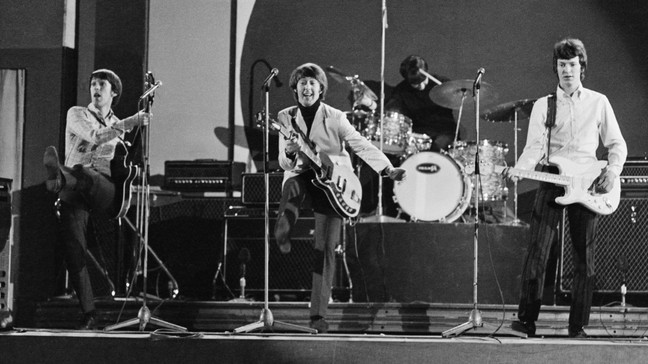
The Spencer Davis Group played a pivotal role in shaping the sound of British rhythm and blues during the nineteen sixties, blending soulful vocals, infectious grooves, and energetic rock into a string of unforgettable classics. Powered by the remarkable voice and keyboard talents of a young Steve Winwood, the band created songs that balanced raw emotion with irresistible melodies, earning lasting admiration from fans and fellow musicians alike. Their music seamlessly combined blues, soul, jazz, and pop influences, producing timeless recordings that continue to resonate across generations. From upbeat chart topping hits to deeply soulful performances, The Spencer Davis Group left an enduring mark on classic rock history. This collection celebrates the most popular The Spencer Davis Group songs of all time, highlighting the recordings that showcase the band’s extraordinary musicianship, pioneering spirit, and lasting influence on popular music.
1. Gimme Some Lovin’
“Gimme Some Lovin’” is the explosive Spencer Davis Group classic that still sounds like pure electricity pouring out of a speaker. Built around Steve Winwood’s roaring Hammond organ, a pounding rhythm, and one of the most urgent vocals in sixties rock, the song captures a band operating at full heat. Winwood was still remarkably young when he delivered this performance, yet his voice already carried the authority of a seasoned soul shouter. The track works because it never pauses to ask permission. It charges forward with gospel intensity, rhythm and blues grit, and rock and roll excitement, creating a sound that feels both raw and perfectly focused. The chorus is simple, direct, and unforgettable, designed for movement and release. Spencer Davis, Muff Winwood, and Pete York lock into a groove that gives the recording its muscular backbone, allowing Steve Winwood’s organ and vocal to ignite everything around them. “Gimme Some Lovin’” became one of the band’s most popular songs because it distilled the British rhythm and blues boom into a thrilling three minute blast. Decades later, it remains a staple of films, radio, and classic rock playlists because its energy feels timeless, physical, and impossible to resist.
2. I’m A Man
“I’m A Man” is one of The Spencer Davis Group’s most powerful statements, a fierce rhythm and blues workout that helped define their reputation as one of the toughest British bands of the sixties. The track is driven by a muscular groove, sharp organ work, and Steve Winwood’s astonishing vocal command. His singing has grit, swagger, and soulful force, giving the song a confidence that feels far beyond his years. It is the sound of youthful musicians channeling old soul traditions with frightening conviction. The rhythm section plays with relentless drive, creating a foundation that feels both danceable and dangerous. The organ riff gives the track its signature pulse, while the vocal performance makes every line feel like a declaration. “I’m A Man” became popular because it captured the band’s ability to merge American blues influence with British rock attack. It was not merely an imitation of rhythm and blues. It was a transformation, full of urgency, volume, and instrumental bite. The song later became a favorite for other artists to reinterpret, but the Spencer Davis Group version retains a special charge. It remains one of their essential recordings because it shows the band at its most confident, raw, and rhythmically alive.
3. Keep On Running
“Keep On Running” gave The Spencer Davis Group one of their biggest breakthroughs, turning a driving rhythm and blues groove into a British pop sensation. Originally written and recorded by Jackie Edwards, the song became a defining hit for the band because they attacked it with youthful force and unmistakable soul energy. Steve Winwood’s vocal is full of urgency, carrying both romantic pursuit and emotional desperation in every phrase. The fuzz toned guitar adds a gritty edge, giving the recording a tougher sound than many other chart hits of its period. The song moves like someone chasing love before it disappears around the corner. Its rhythm is compact and infectious, making it easy to understand why it connected with such a wide audience. The band’s performance has a raw immediacy that still feels exciting, with every instrument pushing toward the same goal. “Keep On Running” became popular because it offered the perfect blend of pop hook and rhythm and blues muscle. It was catchy enough for mainstream listeners, yet earthy enough to satisfy fans drawn to the group’s club roots. The song remains one of their most important recordings because it marks the moment when their sound broke wide open, revealing just how powerful and commercially magnetic they could be.
4. Somebody Help Me
“Somebody Help Me” is one of The Spencer Davis Group’s most urgent and emotionally charged hits, a song that turns romantic frustration into a pounding rhythm and blues plea. Written by Jackie Edwards, the track became another major success for the band, largely because they brought such intensity and conviction to the material. Steve Winwood’s vocal performance is the center of the recording, filled with soulful distress and youthful power. He sounds as if the need in the lyric is happening in real time, which gives the song its striking immediacy. The performance does not simply describe desperation, it embodies it. The band keeps the arrangement tight and propulsive, with drums, bass, guitar, and organ working together to create a restless push. The melody is memorable, but the real impact comes from the way the group turns a simple plea into a full bodied burst of feeling. “Somebody Help Me” became popular because it captured the Spencer Davis Group’s gift for taking rhythm and blues material and making it burn with British beat energy. The song has enough pop clarity to stick instantly, yet it remains gritty and heartfelt. It stands as one of the band’s most effective singles, a compact classic driven by pain, groove, and a remarkable vocal presence.
5. When I Come Home
“When I Come Home” is a spirited example of The Spencer Davis Group’s ability to combine pop accessibility with rhythm and blues edge. The song moves with bright momentum, carried by a strong beat and the band’s unmistakable sense of youthful urgency. Steve Winwood’s voice gives the track its soul, bringing warmth and force to a lyric centered on return, longing, and emotional expectation. Even on a song with a lighter surface than some of the group’s harder driving classics, his vocal presence makes everything feel more substantial. He had the rare gift of making a concise pop single sound rooted in deeper musical traditions. The guitars and keyboards add color without overwhelming the song’s direct appeal, while the rhythm section keeps the performance crisp and lively. “When I Come Home” remains popular among fans because it reflects the band’s mid sixties strengths so clearly. It has melody, energy, and the compact force of a group shaped by live performance. The recording also shows how The Spencer Davis Group could move between soulful intensity and radio friendly charm without sounding forced. It may not tower over rock history like “Gimme Some Lovin’,” but it remains an important piece of their catalog, full of personality, drive, and classic British beat vitality.
6. Every Little Bit Hurts
“Every Little Bit Hurts” reveals the deeper soul side of The Spencer Davis Group, showing how powerfully they could handle material rooted in heartbreak rather than pure rhythmic attack. The song, originally associated with Brenda Holloway, becomes a showcase for Steve Winwood’s emotional range. Instead of simply roaring through the lyric, he lets the pain unfold with remarkable sensitivity, proving that his voice could ache as convincingly as it could shout. The performance is restrained compared with the band’s most explosive hits, but the emotional force is tremendous. The arrangement gives the melody space, allowing the sadness of the song to breathe. Organ, guitar, bass, and drums support the vocal with tasteful control, creating a setting that feels soulful without becoming overly polished. “Every Little Bit Hurts” stands out because it demonstrates the band’s understanding of American soul beyond surface style. They were not only chasing energy. They were listening to feeling, phrasing, and emotional nuance. The song remains admired because it shows a young British group treating a soul ballad with respect and genuine conviction. In the Spencer Davis Group catalog, it occupies an important place as a reminder that their greatness was not limited to uptempo fire. They could also communicate tenderness, pain, and longing with impressive maturity.
7. Strong Love
“Strong Love” is a lively early Spencer Davis Group recording that captures the band’s roots in rhythm and blues with infectious enthusiasm. The song has a swinging drive that reflects the club based energy from which the group emerged, mixing blues feeling, beat group tightness, and youthful excitement. Steve Winwood’s voice gives the track its distinctive character, sounding soulful, confident, and astonishingly mature. Even in the band’s earlier material, his vocal command was impossible to miss. He sings with the kind of natural authority that makes a simple groove feel essential. The rest of the group supplies a sharp, energetic backing, creating a compact sound that is raw but disciplined. Spencer Davis’s guitar presence helps keep the song grounded in blues tradition, while Muff Winwood and Pete York provide the rhythmic push that makes the track move. “Strong Love” remains a favorite among listeners who enjoy the band beyond its biggest radio hits because it reveals the foundation of their style. It is direct, spirited, and full of the rhythm and blues devotion that defined the British scene of the period. The song may not have the monumental fame of later classics, but it is a crucial piece of the group’s story, showing their taste, drive, and natural feel for soulful rock and roll.
8. Midnight Special
“Midnight Special” connects The Spencer Davis Group to a deep well of folk, blues, and prison song tradition, showing how comfortably they could bring older American material into the energy of the British rhythm and blues movement. The song itself carries a long history, but the band’s version has a lively immediacy that makes it feel fresh rather than museum like. Steve Winwood’s vocal adds soulful brightness, while the group’s arrangement gives the track a strong rhythmic lift. The performance respects the song’s roots while pushing it toward the sound of a young band eager to make tradition move. The instrumentation is direct and engaging, emphasizing groove and vocal presence rather than elaborate decoration. What makes this version interesting is the way it reflects the band’s musical curiosity. The Spencer Davis Group was not merely writing and recording hits. They were part of a generation of British musicians absorbing blues, gospel, soul, and folk sources, then reimagining them through electric instruments and club stage intensity. “Midnight Special” remains popular with fans who appreciate that historical connection. It shows the group as interpreters with energy and respect, capable of taking a familiar standard and giving it their own personality. The recording is earthy, spirited, and full of the musical hunger that made the band so important.
9. Dimples
“Dimples” is a strong reminder of The Spencer Davis Group’s deep affection for American blues, especially the driving, hypnotic style associated with John Lee Hooker. In the band’s hands, the song becomes a punchy rhythm and blues workout shaped by youthful British energy. Steve Winwood’s vocal performance is full of grit and confidence, showing once again how naturally he could enter blues based material without sounding cautious. The track succeeds because the band understands the groove as much as the melody. Rather than overcomplicating the arrangement, they lean into the song’s rhythmic charm, allowing guitar, organ, bass, and drums to form a compact, lively engine. The result is both respectful and fresh, rooted in blues tradition but charged with the excitement of the sixties beat scene. “Dimples” remains an appealing part of the group’s catalog because it reveals the source material that helped shape their identity. Before their biggest hits made them stars, they were musicians deeply engaged with blues and soul records, learning how to translate that language into their own performances. This recording captures that process beautifully. It is raw, spirited, and full of character, a song that shows The Spencer Davis Group as students of the blues who could also make the music swing with their own distinctive fire.
10. Together Till The End Of Time
“Together Till The End Of Time” is one of The Spencer Davis Group’s most soulful and romantic performances, showing a warmer and more tender side of the band’s artistry. Originally recorded by Brenda Holloway, the song gives Steve Winwood an opportunity to explore emotional depth with remarkable poise. His vocal is passionate but controlled, filled with the kind of longing and sincerity that makes the lyric feel deeply personal. The song stands out because it proves the group could handle soul balladry with the same conviction they brought to harder rhythm and blues numbers. The arrangement is tasteful, allowing the melody and vocal performance to remain central. The band plays with restraint, creating a gentle but steady foundation that supports the song’s romantic devotion. “Together Till The End Of Time” has remained admired by fans because it showcases the group’s sensitivity and musical range. It is not as explosive as “Gimme Some Lovin’” or as forceful as “I’m A Man,” but it carries a different kind of strength. The performance is heartfelt, melodic, and emotionally generous. In the broader story of The Spencer Davis Group, the song matters because it reveals the tenderness beneath their energetic image, proving that their command of soul music extended beyond volume and speed into feeling, nuance, and quiet beauty.

Edward Tomlin is a frequent contributor to Singers Room. Since 2005, Singersroom has been the voice of R&B around the world. Connect with us via social media below.
Source link
