
-
×
 Talk Talk "Spirit Of Eden"
1 × $42.00
Talk Talk "Spirit Of Eden"
1 × $42.00
Pop/Hip Hop/R&B
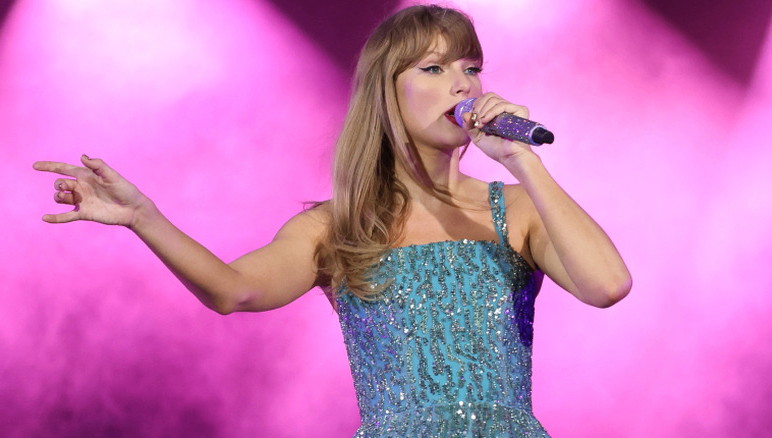
10 Best Taylor Swift Songs of All Time
07
Aug
Aug
Few artists have transformed personal memories, romantic upheaval, and hard won self discovery into universally resonant music quite like Taylor Swift. Beginning with intimate country storytelling before expanding into pop, folk, indie, and electronic sounds, she has continually reinvented herself without losing her gift for vivid detail. Songs such as Love Story, Blank Space, Anti Hero, and All Too Well reveal her talent for turning fleeting glances, painful goodbyes, private insecurities, and unforgettable relationships into melodies heard around the world. Swift can deliver a glittering stadium anthem with irresistible confidence, then quiet the room with a single carefully chosen image. Her finest recordings endure because they capture emotions with remarkable precision, inviting listeners to recognize pieces of their own lives within every chorus, confession, and beautifully crafted story.
1. Shake It Off
Shake It Off captures Taylor Swift at the moment she stopped allowing other people’s judgments to control the emotional direction of her music. The song confronts criticism, gossip, romantic speculation, and public misunderstanding through humor rather than bitterness. Swift recognizes that negative opinions will continue regardless of how carefully she behaves, so she chooses movement, music, and self acceptance over endless attempts to correct every accusation. Her delivery is playful, but the decision beneath it is serious. She is refusing to surrender her happiness to people who have already decided how they want to see her.
The arrangement is bright, rhythmic, and deliberately immediate. Handclaps, drums, brass, bass, and layered voices create a sound designed for participation. Swift does not rely on vocal grandeur to carry the performance. She uses personality, timing, and conversational phrasing, allowing the chorus to feel like advice shared among friends. The repeated central phrase becomes more powerful because it is connected to physical action. Dancing is not simply entertainment within the song. It becomes a way of releasing tension and refusing to remain emotionally trapped.
Shake It Off remains popular because its message can be applied to almost any situation involving embarrassment, rejection, criticism, or unwanted attention. The song does not pretend that cruel words are harmless. It suggests that a person can decide how much permanent power those words receive. Swift makes resilience feel joyful rather than defensive, turning frustration into a communal celebration. Children, adults, casual listeners, and devoted fans can enter the chorus without needing to understand every detail of her public life. The recording succeeds because it offers a simple emotional strategy through an unforgettable melody. When the world becomes noisy, judgmental, or impossible to satisfy, sometimes the healthiest response is to keep moving.
2. Blank Space
Blank Space is Taylor Swift’s brilliant transformation of a public caricature into a glamorous and dangerous fictional character. Instead of defending herself against the image of an unstable romantic who collects relationships and turns them into songs, Swift exaggerates that image until it becomes unmistakably theatrical. The narrator is charming, observant, wealthy, impulsive, and fully aware that desire may end in emotional destruction. She approaches romance like a game whose excitement depends partly on the possibility of disaster.
The production is sleek and controlled, using crisp percussion, synthesizers, bass, and carefully placed vocal layers. Swift sings with an elegant calm that makes the character more unsettling. She rarely needs to raise her voice because the narrator believes she controls the entire encounter. Small pauses and changes in emphasis reveal wit, calculation, and flashes of genuine attraction. The chorus is memorable because it compresses the complete cycle of idealization and collapse into a few sharp phrases. A new lover can become a permanent partner or another name occupying an empty space.
Blank Space remains one of Swift’s finest pop songs because it operates as romance, satire, character study, and commentary on celebrity storytelling at the same time. The narrator is absurd, yet recognizable. Many relationships begin with projection, fantasy, and the belief that another person can provide a perfect future. Swift simply pushes those tendencies toward their most dramatic conclusion. The song also demonstrates her strength as a writer who can use humor without sacrificing emotional tension. Beneath the polished surface is a character who may fear abandonment so deeply that she destroys relationships before they can surprise her. Swift turns that insecurity into dazzling pop theater, inviting listeners to enjoy the fantasy while recognizing the loneliness hidden inside it.
3. Love Story
Love Story turns youthful romance into a sweeping tale of secrecy, opposition, hope, and imagined escape. Taylor Swift draws upon familiar literary figures, but she reshapes their tragedy into a story where love receives another chance. The narrator remembers seeing someone across a crowded gathering and immediately connects that moment to a larger fantasy. Family resistance intensifies the attraction, transforming private feeling into a struggle against rules imposed by people who believe they know what is best.
The arrangement blends country instrumentation with broad pop melody. Acoustic guitar, banjo, fiddle, percussion, and layered vocals create movement from the first scene toward the final declaration. Swift sings with youthful clarity, allowing wonder and anxiety to coexist in her voice. The verses feel like pages from a diary, filled with specific images and secret meetings, while the chorus expands those details into something universal. The melody rises as the narrator’s hope becomes stronger, making each return feel like another attempt to escape the boundaries surrounding the relationship.
Love Story remains enduring because it captures the way first love can make ordinary circumstances feel legendary. A conversation becomes destiny, parental disapproval becomes a kingdom’s command, and waiting for an answer becomes the central conflict of an epic romance. Swift understands that young people often experience emotion through stories already familiar to them, using novels, films, and fairy tales to interpret feelings that seem too large for everyday language. The song preserves that imaginative intensity without mocking it. Its revised ending provides the satisfaction of love surviving the forces arranged against it, but the journey retains enough uncertainty to make the resolution meaningful. Swift created a romantic anthem that feels innocent without being emotionally empty, combining narrative skill, memorable imagery, and a chorus built for anyone who has ever wanted love to overcome the rules.
4. You Belong With Me
You Belong With Me captures the frustration of watching someone remain emotionally attached to a partner who does not seem to understand him. Taylor Swift sings from the perspective of a close friend who knows his humor, habits, disappointments, and private personality. She believes that familiarity gives her a deeper claim than the glamorous relationship he continues pursuing. That certainty makes the song exhilarating, but it also reveals the narrator’s vulnerability. She can see what she wants clearly, yet she cannot force him to recognize it.
The arrangement moves between country detail and bright pop rock energy. Guitar, banjo, drums, bass, and layered vocals create a sound that mirrors the narrator’s growing impatience. Swift keeps the verses conversational, describing phone calls, clothing, school activities, and moments of emotional connection. The chorus then expands into a declaration that can no longer remain private. Her voice carries longing, frustration, and the confidence of someone who believes the answer has been obvious all along.
You Belong With Me remains popular because it turns an everyday experience into a complete emotional drama. Many listeners understand what it means to feel perfectly matched with someone who continues looking elsewhere. The narrator’s position is sympathetic, but the song also contains the complicated belief that understanding another person should guarantee romantic love. Swift does not pause to resolve that tension. She remains inside the intensity of the character’s perspective, where every shared joke and late conversation feels like evidence. The song’s strength lies in its specific details, which make the story vivid enough to feel personal while remaining broad enough for listeners to enter. Its enormous chorus provides the release that real life often withholds, allowing unspoken affection to become loud, confident, and impossible to ignore.
5. All Too Well (Ten Minute Version)
All Too Well is Taylor Swift’s monumental examination of memory, unequal emotional power, and the painful process of understanding a relationship after it has ended. The extended version allows the story to unfold through intimate details that initially appear ordinary. A scarf, a drive, a refrigerator light, a family gathering, and a changing season become evidence preserved by a narrator who remembers everything with uncomfortable clarity. The former partner may have moved forward, but memory continues arranging the past into scenes that feel physically present.
The music begins with gentle restraint, using guitar, piano, percussion, bass, and atmospheric layers to create space around the narrative. Swift’s vocal grows alongside the emotional realization. She begins as a person revisiting tender moments, then gradually exposes manipulation, confusion, anger, and the humiliation of realizing that two people experienced the same relationship very differently. The extended structure gives each stage enough time to develop. Affection does not instantly become resentment. Instead, the listener hears the narrator’s interpretation changing as additional memories reveal a larger pattern.
All Too Well remains one of Swift’s most admired songs because it understands memory as both witness and tormentor. Remembering clearly can protect a person from accepting someone else’s version of events, but it can also keep the wound open. Swift gives emotional importance to details that an outside observer might dismiss, showing how objects and gestures become permanent symbols after heartbreak. The song does not suggest that perfect recollection creates immediate closure. The narrator gains language for what happened, yet the emotional consequences remain. Its final passages move beyond one relationship toward the way lost love can become part of personal identity. Swift transforms private recollection into a vast narrative about age, trust, power, and the moments people continue carrying long after everyone else assumes they have forgotten.
6. Cruel Summer
Cruel Summer captures a romance defined by secrecy, danger, exhilaration, and the fear that honesty might destroy the very connection the narrator wants to preserve. Taylor Swift presents summer not as a carefree season, but as an emotionally unstable period where desire grows faster than trust. The relationship feels intoxicating because it exists under pressure. Every meeting carries excitement, yet every unspoken feeling increases the possibility of collapse.
The production is bright, urgent, and filled with restless electronic energy. Synthesizers, percussion, bass, and layered vocals create constant forward motion. Swift’s delivery moves between controlled verses and a chorus that feels as though it is struggling to contain too much emotion. The famous bridge provides the song’s defining release. The narrator finally confesses what she has tried to hide, and the performance becomes almost breathless. Swift turns emotional exposure into a physical event, making the listener feel the rush, fear, and relief of saying something that cannot be taken back.
Cruel Summer remains compelling because it understands that some of the most exciting relationships are also the most exhausting. Pleasure and anxiety become inseparable when affection must remain hidden or undefined. The narrator wants freedom within the relationship, but she also fears that asking for clarity may end it. Swift does not resolve that contradiction neatly. She allows the song to remain inside the feverish intensity of wanting someone while pretending the attachment is casual. Its production makes the experience sound enormous, even though much of the story occurs in private rooms, late nights, and secret decisions. The result is a pop anthem built around emotional risk, where summer heat becomes a metaphor for desire that is thrilling precisely because it may become impossible to survive unchanged.
7. Anti Hero
Anti Hero is Taylor Swift’s darkly humorous confrontation with insecurity, self criticism, public identity, and the fear of becoming the source of one’s own unhappiness. Rather than presenting herself as misunderstood by everyone around her, Swift turns inward and examines the habits, anxieties, and distorted thoughts she cannot easily escape. The narrator recognizes that external success does not silence internal doubt. In fact, visibility can make private fears feel larger because every mistake seems capable of becoming public evidence.
The production uses soft synthesizers, steady percussion, bass, and layered vocals to create a sound that is polished but slightly uneasy. Swift sings with conversational clarity, allowing the strangest images to arrive without dramatic warning. Humor becomes a defense mechanism and a form of honesty. By exaggerating her fears into surreal scenes, she makes them easier to examine while preserving their emotional seriousness. The chorus is memorable because it turns self blame into a melody that sounds bright enough for communal singing.
Anti Hero remains powerful because it rejects the expectation that confidence must be constant. The narrator can be successful, loved, and self aware while still experiencing intrusive doubt. Swift does not ask listeners to admire every confession or excuse every flaw. She invites them to recognize the exhausting cycle of identifying harmful patterns without knowing how to stop repeating them. The song’s appeal comes partly from the relief of hearing insecurity described without polished inspirational language. There is no instant transformation, only recognition, wit, and the possibility that naming the problem might create a little distance from it. Swift turns private self suspicion into a shared pop experience, proving that vulnerability can become strangely liberating when it is expressed with enough imagination and honesty.
8. Look What You Made Me Do
Look What You Made Me Do is Taylor Swift’s theatrical reinvention of anger, reputation, and public conflict. The song introduces a character who has been watched, judged, betrayed, and repeatedly defined by other people. Instead of asking for understanding, she embraces the image of someone dangerous and calculating. The performance is deliberately exaggerated, transforming personal grievance into a piece of dark pop theater where old versions of the self are discarded and a colder figure takes control.
The production is stark and rhythmically tense. Electronic percussion, bass, strings, and spoken vocal layers create an atmosphere of surveillance and revenge. Swift often sings in a narrow, controlled range, allowing restraint to feel more threatening than a conventional vocal explosion. The chorus relies on repetition, turning the title phrase into accusation and justification. Every return suggests that the narrator sees her transformation as a response to pressure rather than a choice made in isolation.
Look What You Made Me Do remains memorable because it treats celebrity conflict as performance while acknowledging the real emotions beneath it. The narrator may claim that others created her new identity, but the song also shows her actively designing and enjoying that identity. This tension keeps the character interesting. She is wounded and powerful, defensive and strategic, angry at being reduced to a story while creating an even larger story in response. Swift uses familiar symbols from her public image and places them inside a dramatic world of control, destruction, and rebirth. The song does not seek warmth or reconciliation. Its purpose is to announce that the previous emotional rules no longer apply. Whether heard as revenge fantasy, satire, or personal reset, it captures the thrill and danger of deciding that survival requires becoming someone others will no longer underestimate.
9. Cardigan
Cardigan is a richly textured reflection on youthful love, abandonment, memory, and the desire to believe that another person truly understood what was being lost. Taylor Swift sings from the perspective of someone looking back on a relationship that adults may have dismissed because of her age. The narrator rejects the idea that youth makes emotion shallow. She remembers the connection with remarkable detail and insists that she understood more than others assumed.
The arrangement is intimate and atmospheric, built from piano, soft percussion, bass, guitar, and layered textures that seem to move like memory itself. Swift’s vocal remains restrained, allowing sadness to emerge through tone rather than dramatic force. The melody circles gently, creating the sensation of returning to the same scenes from different emotional distances. The cardigan becomes a powerful symbol because it represents something once forgotten, left behind, and later recognized as familiar and valuable.
Cardigan remains one of Swift’s most admired songs because it captures the way people can feel both cherished and disposable within the same relationship. The narrator remembers being chosen, known, and emotionally awakened, yet she also remembers being treated like something that could be placed aside. Swift allows tenderness and accusation to coexist without simplifying either person. The former lover may have understood her deeply while still causing lasting harm. That contradiction gives the song emotional maturity. Its images feel literary, but they remain connected to recognizable experiences of longing and retrospective clarity. The narrator cannot change what happened, yet she can reclaim authority over the memory by describing it in her own language. Swift turns an ordinary piece of clothing into a vessel for identity, intimacy, neglect, and the hope that being remembered might restore some of what was lost.
10. Style
Style captures the magnetic return of a relationship that repeatedly fails to become stable yet never loses its attraction. Taylor Swift sings about two people who know the pattern well. They separate, pursue other possibilities, and eventually find themselves together again. Neither person is presented as innocent, and neither appears capable of ending the cycle permanently. The attraction survives because it is connected to image, chemistry, memory, and a shared understanding that seems to exist beyond reasonable judgment.
The production is polished and nocturnal, using electric guitar, synthesizers, percussion, bass, and layered vocals to create the sensation of driving through a city after midnight. Swift’s performance is controlled and intimate. She does not need to describe the relationship through explosive emotion because the tension lies in how familiar the encounter has become. Every gesture seems rehearsed, yet the desire remains real. The chorus expands with effortless melodic confidence, turning the couple’s visual details into symbols of something that refuses to disappear.
Style remains one of Swift’s finest pop recordings because it understands that certain relationships endure as patterns even when they fail as partnerships. The narrator recognizes betrayal, inconsistency, and emotional risk, but attraction continues rewriting the decision to leave. Swift avoids presenting this cycle as pure romance or simple dysfunction. She captures why it remains compelling to the people involved. They see themselves reflected in one another, and that recognition creates a private mythology stronger than common sense. The song’s sleek arrangement gives the relationship a timeless glow, while the lyric quietly exposes its instability. Every return feels beautiful and dangerous. Swift turns that contradiction into sophisticated pop, showing how desire can become a form of repetition that people mistake for destiny because it never seems to go out of fashion.

Edward Tomlin is a frequent contributor to Singers Room. Since 2005, Singersroom has been the voice of R&B around the world. Connect with us via social media below.
Source link
