
Pop/Hip Hop/R&B
10 Best Patsy Cline Songs of All Time
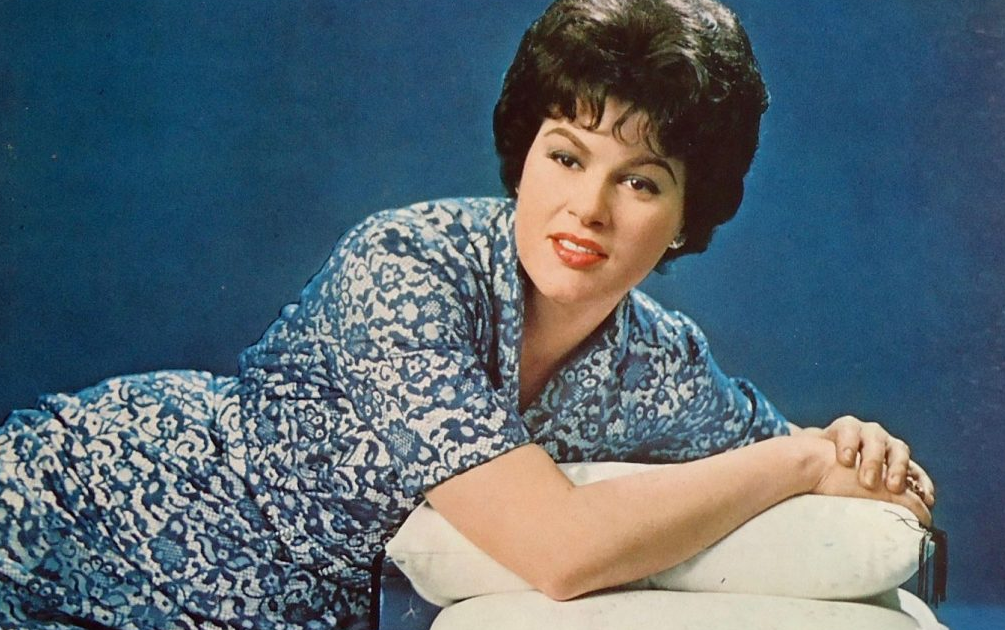
Aug
Few voices in country music have carried heartbreak, longing, and romantic vulnerability with the timeless grace of Patsy Cline. Blessed with a rich, expressive contralto and an extraordinary ability to make every lyric feel intensely personal, Cline helped bridge traditional country with the polished Nashville Sound of the early 1960s. Songs such as “Crazy”, “I Fall to Pieces”, “Walkin’ After Midnight”, and “She’s Got You” became enduring standards, admired far beyond the boundaries of country music. Her performances could be tender without becoming fragile and powerful without losing intimacy, giving even simple melodies remarkable emotional depth. Though her career was tragically brief, Patsy Cline left behind a body of recordings whose elegance, honesty, and unmistakable vocal character continue to influence singers and captivate listeners generations later.
1. Crazy
“Crazy” is the recording that perhaps most perfectly captures the extraordinary emotional intelligence of Patsy Cline. Written by Willie Nelson, the song became inseparable from Cline because she understood how to inhabit its heartbreak without turning the performance into melodrama. The narrator knows that a relationship is slipping away, yet emotion continues to overpower reason. Cline communicates that contradiction with remarkable restraint. She sounds wounded, reflective, and almost amused by her own inability to stop loving someone who may no longer return that devotion.
The arrangement is one of the finest examples of the polished Nashville Sound that surrounded Cline during her greatest recordings. Piano, guitar, bass, drums, strings, and backing voices create a luxurious setting, but nothing competes with her vocal. Producer Owen Bradley understood that Cline possessed enough natural emotional force that the musicians did not need to exaggerate the drama. Instead, the arrangement provides space for her phrasing to become the main event.
Cline sings individual words with astonishing care. She bends notes, delays phrases, and moves between strength and vulnerability almost imperceptibly. Her contralto gives the lower passages a warm richness, while the more expansive moments reveal the tremendous power she could summon without ever sounding forced. Every melodic turn seems spontaneous even though the performance is exquisitely controlled.
What makes “Crazy” timeless is the universality of its emotional conflict. Nearly anyone who has loved someone despite knowing better can recognize the feeling immediately. Cline does not need elaborate lyrical detail because her voice supplies everything that remains unsaid.
“Crazy” ultimately transcended the boundaries of country music. It became a standard because Patsy Cline transformed a beautifully written song into a complete emotional experience. Her performance remains elegant, vulnerable, sophisticated, and almost impossibly intimate.
2. I Fall to Pieces
“I Fall to Pieces” gave Patsy Cline one of the defining heartbreak songs of her career, pairing an unforgettable melody with a lyric that describes the exhausting struggle of trying to move beyond a former love. Written by Hank Cochran and Harlan Howard, the song presents emotional collapse not as one dramatic moment, but as something that happens repeatedly. The narrator believes she can regain control until another encounter brings every old feeling rushing back. Cline captures that cycle with breathtaking subtlety.
Her performance is restrained from the beginning. She does not immediately reveal the full depth of the pain. Instead, the emotion gradually becomes apparent through her phrasing. Certain words linger slightly longer than expected, while others receive a gentle downward inflection that suggests resignation. Cline possessed a rare ability to make technically sophisticated singing sound completely natural. Her phrasing never feels like vocal decoration. Every choice deepens the meaning of the lyric.
The accompaniment provides an ideal contrast to the sadness. The rhythm is gentle and flowing, while piano, guitar, bass, percussion, and backing vocals give the recording an elegant country pop atmosphere. Rather than sounding overwhelmingly tragic, the music remains graceful. That elegance makes the heartbreak even more affecting because the emotional devastation is contained within such beautifully controlled surroundings.
The song also demonstrates why Cline became such an important crossover performer. The country foundation remains unmistakable, yet the production possesses enough polish and melodic sophistication to connect naturally with listeners outside the genre. Her voice functions equally well within country, traditional pop, and torch song traditions.
“I Fall to Pieces” remains devastating because Cline never asks for sympathy. She simply describes what happens when emotional memory refuses to obey logic. Her dignity makes the vulnerability stronger, creating one of the most enduring performances in country music history.
3. Walkin’ After Midnight
“Walkin’ After Midnight” was the recording that introduced Patsy Cline to a vast national audience and revealed many of the qualities that would eventually make her one of country music’s most revered vocalists. The song follows a lonely narrator wandering through the darkness while searching for someone she cannot stop thinking about. Its imagery is simple, but Cline transforms that nighttime walk into a vivid emotional landscape filled with yearning, uncertainty, and quiet obsession.
The rhythm has a distinctive walking quality that perfectly supports the lyric. Guitar, bass, drums, and other instrumental touches create forward motion without rushing the performance. The music suggests footsteps moving steadily through empty streets and moonlit spaces. Cline’s voice floats above that pulse with a mixture of country directness and pop sophistication.
Her singing already demonstrates remarkable maturity. She knows precisely when to lean into a phrase and when to pull away. There is loneliness in the performance, but there is also determination. The narrator is not sitting at home surrendering to heartbreak. She is moving, searching, and following the possibility that the person she misses might somehow be nearby.
The recording also showcases Cline’s unusual ability to cross stylistic boundaries. Her pronunciation and melodic instincts remain connected to country music, yet her smooth tone and carefully controlled phrasing anticipate the sophisticated Nashville recordings that would define her later career. She sounds traditional and modern at the same time.
“Walkin’ After Midnight” became more than an early success. It established the emotional personality audiences would continue to recognize in Cline’s greatest work. She could take an uncomplicated romantic situation and make it feel intensely personal through tone alone.
“Walkin’ After Midnight” still carries the mystery of a solitary late night journey. Cline’s combination of longing, strength, and effortless musicality makes the recording sound permanently alive.
4. She’s Got You
“She’s Got You” is one of Patsy Cline’s most devastating performances because its heartbreak is communicated through objects rather than dramatic confrontation. Written by Hank Cochran, the song presents a narrator surrounded by physical reminders of a former relationship. Photographs, records, and memories remain within reach, yet the person who truly matters belongs to someone else. That simple contrast gives the lyric extraordinary emotional power.
Cline approaches the song with mature resignation. She is not pleading for the lover to return, nor is she attacking the woman who now has him. Instead, she inventories what remains. Her controlled delivery makes each possession feel increasingly meaningless. She may still have the souvenirs of love, but another woman has the living relationship those objects once represented.
The arrangement is polished and spacious, with piano, guitar, rhythm section, and backing vocals supporting Cline without overwhelming her. The production reflects the sophisticated Nashville Sound associated with her most celebrated recordings, blending country feeling with the elegance of adult pop. Cline’s voice occupies the center with astonishing presence.
Her phrasing provides the emotional detail. She can make a small pause feel like an entire conversation. When one thought gives way to the next, listeners can almost hear the narrator mentally comparing what she possesses with what she has lost. Cline never needs to raise the emotional temperature excessively because the lyric already contains everything necessary.
The song’s perspective is especially powerful because it understands how ordinary objects become emotionally charged after a relationship ends. A photograph is no longer merely a photograph. A record is no longer simply music. Each item becomes evidence of something that once existed.
“She’s Got You” remains one of Patsy Cline’s essential recordings because she turns quiet resignation into something unforgettable. The sadness is dignified, the melody is beautiful, and every phrase demonstrates her unmatched ability to make heartbreak sound profoundly human.
5. Sweet Dreams (Of You)
“Sweet Dreams (Of You)” is one of the most haunting recordings associated with Patsy Cline, largely because her performance seems suspended between tenderness and emotional exhaustion. Written by Don Gibson, the song revolves around a cruel paradox. Dreams provide temporary closeness to someone who is no longer emotionally available, yet waking only restores the painful reality of separation. Cline sings as though she understands that conflict completely.
The arrangement is lush without becoming excessive. Strings provide a sweeping backdrop while piano, guitar, bass, drums, and restrained accompaniment give the performance a graceful pulse. The result lies somewhere between country balladry and classic torch singing. Cline was uniquely suited to that territory because her voice possessed the emotional directness of country music and the sophisticated control associated with great traditional pop vocalists.
Her opening lines immediately establish the mood. There is no unnecessary introduction to the heartbreak. Cline sounds as though she has already spent countless nights thinking about the same person. The weariness in her delivery is subtle but unmistakable. As the melody rises, she allows more power into the vocal, yet she never loses control.
One of Cline’s greatest talents was her ability to suggest enormous feeling without oversinging. On “Sweet Dreams (Of You)”, the pauses and quieter passages are every bit as important as the strongest notes. She allows the listener to feel what exists between the words.
The recording gained additional poignancy because it was among the material released around the final period of Cline’s tragically brief career. Even without considering that history, however, the performance is deeply moving on purely musical terms.
“Sweet Dreams (Of You)” endures because Patsy Cline makes longing sound almost beautiful enough to justify the pain. Her voice turns sleepless romantic obsession into an elegant, timeless lament.
6. Back in Baby’s Arms
“Back in Baby’s Arms” presents Patsy Cline in a brighter emotional setting than many of the heartbreak ballads that dominate her legacy. Written by Bob Montgomery, the song celebrates reconciliation and the almost giddy relief of being reunited with someone after believing a romance might be finished. Cline brings warmth, confidence, and an infectious sense of satisfaction to the performance, demonstrating that her expressive gifts were just as effective with happiness as they were with sorrow.
The rhythm immediately creates a lighter atmosphere. Piano, guitar, bass, drums, and backing voices give the recording a buoyant country pop pulse. Everything feels carefully polished, yet the performance retains enough rhythmic energy to keep the song from becoming overly formal. Cline sits comfortably within the arrangement, moving through the melody with relaxed assurance.
Her vocal tone is especially appealing here. The famous richness remains, but there is a smile hidden inside many of the phrases. She sounds relieved rather than triumphant, which makes the romantic reunion feel believable. There is no need for elaborate vocal theatrics. Cline communicates happiness through subtle changes in tone and timing.
The song also demonstrates her remarkable versatility. Listeners sometimes associate Cline so completely with longing that it becomes easy to overlook how naturally she handled lively material. Her rhythmic instincts were superb. She could make a phrase swing gently, adding personality without disturbing the melody.
There is also something charming about the song’s emotional simplicity. The relationship has apparently survived its period of uncertainty, and that is enough reason to celebrate. The narrator does not analyze every problem that caused the separation. She simply takes pleasure in being reunited.
“Back in Baby’s Arms” remains a favorite because it reveals Patsy Cline sounding genuinely joyful. The elegant production, memorable melody, and bright vocal performance create a recording filled with romantic relief and unmistakable warmth.
7. Leavin’ on Your Mind
“Leavin’ on Your Mind” is a superb example of Patsy Cline singing from a position of vulnerability without surrendering her dignity. The song places its narrator in the painful situation of sensing that a lover is preparing to leave. Rather than pretending everything is fine, she asks for honesty. If separation is inevitable, she would rather confront it immediately than continue living inside uncertainty.
Cline’s performance gives that request tremendous emotional weight. She does not sound hysterical or accusatory. Instead, there is a calmness that makes the fear underneath even more powerful. She seems to be preparing herself for an answer she already suspects will hurt. That combination of courage and vulnerability was one of Cline’s greatest interpretive strengths.
The arrangement surrounds her with the polished elegance associated with her mature recordings. Piano, guitar, bass, percussion, backing voices, and smooth instrumental textures create a setting that feels sophisticated without distancing the listener from the country foundation. The musicians provide emotional support while leaving Cline enough room to shape each phrase individually.
Her timing is particularly impressive. She frequently seems to hold a word for precisely the amount of time necessary to reveal the uncertainty behind it. Nothing sounds accidental. Yet the technical control never becomes obvious enough to interrupt the emotional experience.
The lyric also captures one of the most difficult stages of a failing relationship. Nothing has necessarily ended yet, but the possibility of departure has already changed everything. Suspicion creates its own kind of heartbreak. Cline understands that anticipation can sometimes hurt almost as much as loss itself.
“Leavin’ on Your Mind” remains compelling because it treats emotional uncertainty with maturity. Patsy Cline does not beg for reassurance. She asks for truth. Her voice makes that demand sound brave, frightened, and heartbreakingly sincere all at once.
8. Faded Love
“Faded Love” gave Patsy Cline an ideal vehicle for transforming a country standard into something deeply personal. Written by Bob Wills and John Wills, the song reflects on a relationship that has ended while memories remain vivid. The title captures the emotional contradiction beautifully. Love may have faded in reality, yet remembering it can make the past seem temporarily alive again.
Cline’s voice enters with the authority of someone who has lived inside the emotion for a long time. There is sadness, but also acceptance. She does not treat the lost relationship as an immediate catastrophe. Instead, the performance feels like a mature reflection upon something that once mattered enormously and still possesses the power to stir old feelings.
The arrangement allows country tradition and Nashville sophistication to coexist naturally. Fiddle brings a strong connection to the song’s Western swing heritage, while the polished production surrounding Cline broadens the emotional setting. Her voice bridges those worlds effortlessly. She can preserve the directness of traditional country singing while adding the smooth phrasing and tonal control that made her such an effective crossover performer.
One of the remarkable aspects of Cline’s interpretation is how much she communicates through small changes in volume. She rarely needs to attack a note aggressively. Instead, emotion seems to expand from inside the phrase itself. Her lower register provides warmth, while the stronger passages rise naturally from the story.
The concept of faded love is universal because relationships can disappear without erasing memory. An old photograph, familiar melody, or passing thought may suddenly restore feelings thought to be gone. Cline sings as though she understands exactly how quickly that can happen.
“Faded Love” remains a beautiful demonstration of Patsy Cline’s interpretive genius. She respects the traditional character of the song while making every line sound personally experienced, creating a performance rich with memory, tenderness, and quiet sorrow.
9. So Wrong
“So Wrong” is Patsy Cline at her most emotionally direct, confronting the painful discovery that a relationship she trusted was never as secure as she believed. The song revolves around mistaken confidence. The narrator thought she understood the love she was experiencing, only to realize that her assumptions were painfully incorrect. Cline turns that recognition into a performance filled with regret, disbelief, and wounded dignity.
The melody gives her tremendous opportunities to demonstrate her vocal control. She begins with restraint, allowing the disappointment to register gradually. As the song develops, her voice grows broader and more forceful, but the increase in intensity never sounds mechanical. It feels like emotion naturally pushing against the boundaries she has tried to maintain.
The polished arrangement provides an elegant setting for the heartbreak. Piano, guitar, rhythm section, backing voices, and carefully shaped orchestral textures give the recording a sophisticated country pop character. The production never distracts from Cline’s interpretation. Every instrumental element seems designed to emphasize the loneliness contained within her voice.
Cline’s phrasing is especially impressive because she can transform familiar romantic language into something intensely specific. She does not simply announce that she was mistaken. Her pauses and inflections suggest someone replaying the relationship mentally and discovering evidence she previously ignored.
That emotional process gives “So Wrong” a timeless quality. Many people understand the strange mixture of embarrassment and grief that accompanies realizing they trusted the wrong interpretation of another person’s feelings. Cline never mocks the narrator for believing in love. Instead, she gives that vulnerability dignity.
“So Wrong” remains one of the finest examples of how Patsy Cline could build drama without sacrificing elegance. The recording is concise, beautifully arranged, and emotionally precise. Above everything else, it demonstrates why her voice remains so powerful. She could make romantic disappointment feel immediate without ever allowing the performance to become excessive.
10. Why Can’t He Be You
“Why Can’t He Be You” explores one of the most complicated situations found in romantic music. The narrator is with someone who appears to treat her well, yet she remains emotionally attached to another person. On paper, the current relationship should be satisfying. In reality, affection cannot be redirected simply because another partner seems more deserving. Patsy Cline sings this contradiction with remarkable sympathy and psychological insight.
The power of the song comes from what the narrator admits. She recognizes the good qualities of the person beside her, which makes her inability to love him fully even more painful. There is guilt inside the longing. Cline communicates both feelings simultaneously, never reducing the situation to a simple choice between a good man and a bad one.
Her voice is perfectly suited to such emotionally complex material. The lower phrases sound reflective and almost conversational, while the more expansive sections reveal how deeply the unresolved attachment continues to affect her. Cline does not oversing. She trusts the melody and allows the lyric to carry its own emotional weight.
The arrangement maintains the polished sophistication associated with her finest Nashville recordings. Piano, guitar, rhythm section, backing voices, and restrained orchestral colors create a graceful atmosphere around the vocal. The smoothness of the music contrasts with the emotional discomfort at the center of the story.
What makes “Why Can’t He Be You” so compelling is its refusal to pretend that love follows logic. Someone can be kind, attentive, and dependable without becoming the person the heart actually wants. Cline makes that uncomfortable truth sound completely believable.
“Why Can’t He Be You” stands as one of Patsy Cline’s most sophisticated performances because the emotion has no easy resolution. Her narrator understands the problem perfectly but cannot solve it. Through exquisite phrasing and extraordinary restraint, Cline transforms that helplessness into unforgettable country music.

Edward Tomlin is a frequent contributor to Singers Room. Since 2005, Singersroom has been the voice of R&B around the world. Connect with us via social media below.
Source link
