
-
×
 Black Sabbath "Technical Ecstasy" (Super Deluxe)
1 × $135.00
Black Sabbath "Technical Ecstasy" (Super Deluxe)
1 × $135.00 -
×
 The Black Keys "Dropout Boogie"
1 × $35.00
The Black Keys "Dropout Boogie"
1 × $35.00 -
×
 Van Halen "Live At Wembley"
1 × $40.00
Van Halen "Live At Wembley"
1 × $40.00
Pop/Hip Hop/R&B
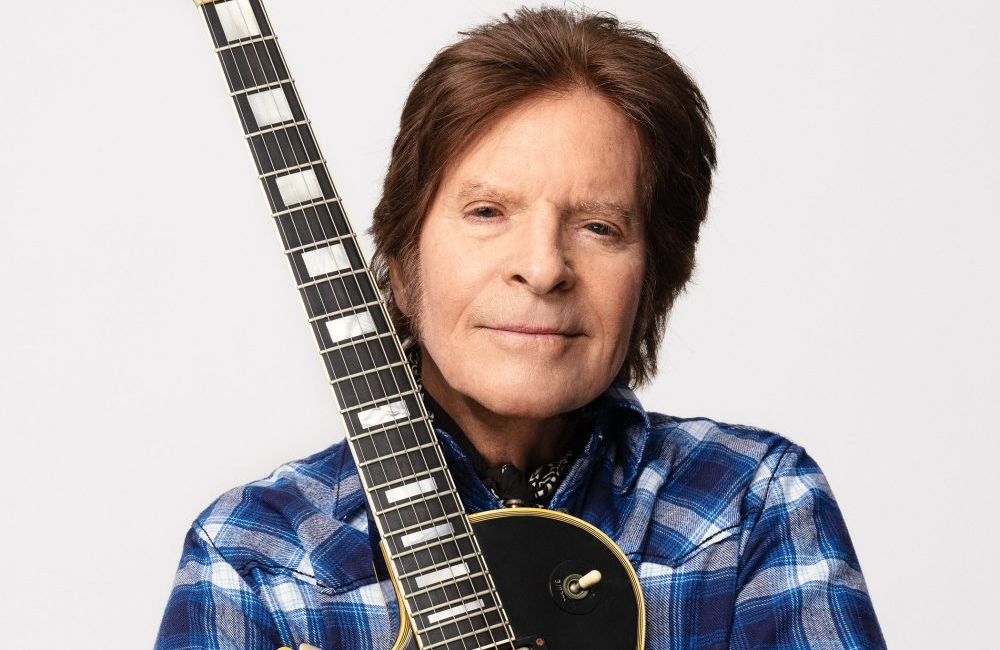
10 Best John Fogerty Songs of All Time
08
Jun
Jun
John Fogerty is one of rock music’s most distinctive voices, a songwriter and performer whose music has become woven into the fabric of American popular culture. As the creative force behind Creedence Clearwater Revival and a successful solo artist, Fogerty crafted songs filled with vivid storytelling, unforgettable guitar riffs, and a unique blend of rock, country, blues, and swamp inspired rhythms. His music often captures themes of freedom, hard work, adventure, social change, and everyday life, delivered through a voice instantly recognizable for its grit and passion. Whether creating high energy rock anthems or reflective Americana classics, Fogerty possesses a remarkable ability to make songs feel both personal and universal. The recordings that stand among his most popular works showcase his extraordinary songwriting talent and enduring appeal, highlighting a catalog of timeless songs that continue to inspire musicians, energize audiences, and remain staples of classic rock radio around the world.
1. Proud Mary
Proud Mary is one of John Fogerty’s most enduring creations, a rolling river anthem that helped define the sound and spirit of Creedence Clearwater Revival. The song captures movement, release, and working class escape with a simplicity that feels almost mythic. Fogerty’s lyric begins in the world of labor and routine, then finds freedom on the river, where the great wheel keeps turning and life seems to open into something larger. His vocal is gritty, direct, and full of conviction, giving the song a timeless American quality. The guitar rhythm has a steady, churning motion that mirrors the riverboat image, while the melody is instantly memorable without ever feeling overworked. Proud Mary became popular because it carries both roots music authenticity and radio friendly power. It is part rock, part soul, part country, and part gospel like celebration. The song has been covered many times, most famously by Ike and Tina Turner, but Fogerty’s original remains essential because it contains the blueprint. It is lean, vivid, and beautifully constructed. Proud Mary endures because it transforms motion into liberation, making a riverboat sound like a promise of renewal.
2. Fortunate Son
Fortunate Son is John Fogerty’s fiercest protest song, a blistering rock statement about class, privilege, and the unequal burden of war. Written during the Vietnam era, the song does not speak in vague slogans. It attacks hypocrisy with direct, unforgettable force. Fogerty’s vocal is raw and furious, sounding less like a polished performance than a burst of moral outrage. The guitar riff is equally sharp, driving the song forward with urgency and bite. What makes Fortunate Son so powerful is its clarity. Fogerty points to the divide between ordinary people sent to fight and the protected elite who wave flags while avoiding sacrifice. The song became popular because it captured a frustration many listeners recognized immediately. Its energy is explosive, but its message is disciplined and precise. Creedence Clearwater Revival were often associated with swampy roots rock, but this track shows how sharply Fogerty could connect that sound to political reality. Fortunate Son remains relevant because the issues it raises have never fully disappeared. The song still sounds like a warning siren, a three minute blast of anger against inherited power, false patriotism, and social injustice.
3. Bad Moon Rising
Bad Moon Rising is one of John Fogerty’s most brilliant contrasts of sound and subject, pairing a bright, almost cheerful rock and roll groove with lyrics full of disaster, dread, and approaching chaos. The song moves with irresistible bounce, driven by crisp guitar, tight rhythm, and one of Fogerty’s most memorable vocal melodies. Yet the words warn of trouble ahead, natural disaster, social unrest, and ominous signs in the sky. That tension between upbeat music and dark imagery gives the track its lasting fascination. Fogerty sings with urgency, but he does not overdramatize the warning. He lets the melody carry the song into the listener’s memory, while the lyric plants unease underneath. Bad Moon Rising became popular because it works on multiple levels. It can be enjoyed as a catchy roots rock classic, but closer attention reveals a song deeply aware of instability and fear. The recording is remarkably concise, wasting no time and leaving a strong impression. Its swampy atmosphere, rockabilly pulse, and apocalyptic lyric all show Fogerty’s gift for turning American musical traditions into something fresh and vivid. Bad Moon Rising remains timeless because danger has rarely sounded so catchy.
4. Centerfield
Centerfield is John Fogerty’s great baseball anthem, a joyful solo hit that captures anticipation, optimism, and the thrill of being called into action. The song is built around bright guitar work, handclap energy, and a chorus that feels tailor made for ballparks and summer afternoons. Fogerty uses baseball not only as a sport, but as a metaphor for readiness, hope, and the desire to contribute. When he sings about being put in the game, the feeling extends beyond the diamond. It becomes a statement about second chances, confidence, and the excitement of proving oneself. Centerfield became popular because it is instantly uplifting. The arrangement has a clean, lively feel, and Fogerty’s vocal carries enthusiasm without sounding forced. After years of career complications and silence, the song also represented a powerful comeback, showing that his songwriting spark remained unmistakably alive. The track’s references to baseball legends and its easy, ringing groove give it a nostalgic but energetic quality. It is one of the rare sports themed songs that works as genuine rock music rather than novelty. Centerfield endures because it captures the feeling of standing ready, hearing the crowd, and believing the next swing might change everything.
5. Have You Ever Seen the Rain
Have You Ever Seen the Rain is one of John Fogerty’s most beautiful and emotionally layered songs, a gentle classic that sounds simple on the surface but carries deep melancholy underneath. Written during a period of internal tension within Creedence Clearwater Revival, the song uses the image of rain falling on a sunny day to suggest confusion, sadness, and change arriving even during success. Fogerty’s vocal is warm, weary, and deeply human, giving the lyric a sense of quiet resignation. The arrangement is graceful and restrained, with acoustic textures, steady rhythm, and a melody that feels instantly familiar. Have You Ever Seen the Rain became beloved because it speaks to a universal emotional paradox. Sometimes sorrow appears when life should look bright. Sometimes endings arrive in the middle of triumph. Fogerty captures that feeling without overexplaining it, trusting the image to do the work. The song’s beauty lies in its balance of accessibility and mystery. It can be heard as a breakup song, a band song, or a reflection on life’s unpredictable changes. Have You Ever Seen the Rain remains one of Fogerty’s most enduring works because it turns emotional weather into unforgettable melody.
6. Down on the Corner
Down on the Corner is John Fogerty at his most playful and communal, a cheerful Creedence Clearwater Revival classic that celebrates street music, neighborhood joy, and the simple pleasure of gathering around a good groove. The song introduces the fictional band Willy and the Poor Boys, creating a vivid little scene of musicians playing on a corner while people drop coins and listen. Fogerty’s storytelling is compact but full of charm. In just a few lines, he paints a world of homemade music, working people, and public celebration. The rhythm is easy and inviting, with a loose, almost jug band feel that reflects Fogerty’s love of roots music traditions. Down on the Corner became popular because it feels instantly welcoming. It does not carry the political bite of Fortunate Son or the brooding atmosphere of Bad Moon Rising. Instead, it offers pure musical fellowship. Fogerty’s vocal is relaxed and spirited, making the listener feel like part of the crowd. The song remains beloved because it captures music as a shared human experience rather than a distant performance. Down on the Corner is bright, friendly, and timeless, a reminder that great songs can begin with nothing more than rhythm, character, and community.
7. Green River
Green River is one of John Fogerty’s most evocative swamp rock songs, a track that blends childhood memory, mythic landscape, and driving rhythm into a compact roots rock masterpiece. Though Fogerty grew up in California, he had an extraordinary gift for imagining Southern settings with vivid musical detail. In this song, the river becomes a place of freedom, innocence, and remembered adventure. The guitar riff is lean and unforgettable, carrying the song with a sharp, bouncing energy that feels both rustic and electric. Fogerty’s vocal has grit and excitement, as if he is calling the listener back to a hidden place where youth and nature still feel alive. Green River became popular because it captures atmosphere with remarkable efficiency. The lyric offers images rather than long explanations, allowing listeners to feel the heat, water, and motion for themselves. The band’s performance is tight and direct, with no unnecessary decoration. Every beat serves the groove. Fogerty’s brilliance lies in making the song feel both personal and legendary, like a memory that belongs to one person but somehow echoes for everyone. Green River remains a standout because it turns nostalgia into sound, full of rhythm, mystery, and rural imagination.
8. Who’ll Stop the Rain
Who’ll Stop the Rain is one of John Fogerty’s most reflective and quietly powerful songs, a meditation on disillusionment, confusion, and the longing for relief in troubled times. The rain in the song works as a broad and flexible symbol. It can suggest war, political unrest, generational disappointment, or the endless problems that seem to fall on ordinary people. Fogerty’s vocal is restrained but deeply expressive, carrying a sense of weariness without surrender. The arrangement is lighter and more folk influenced than some of Creedence Clearwater Revival’s harder rocking songs, which gives the lyric space to resonate. Who’ll Stop the Rain became popular because it captured the mood of an era without becoming trapped in one specific event. The song asks a question rather than offering an answer, and that openness gives it enduring relevance. Fogerty’s writing is direct, but the emotional atmosphere is rich. Listeners can bring their own experiences of uncertainty and frustration to the song. Its melody is gentle yet memorable, and the band’s performance has a flowing clarity that suits the theme beautifully. Who’ll Stop the Rain remains beloved because it voices a timeless human desire: for someone, somehow, to bring peace after the storm.
9. Rock and Roll Girls
Rock and Roll Girls is one of John Fogerty’s most charming solo songs, a bright and affectionate track that reconnects him with the joy, innocence, and melodic spirit of early rock and roll. Released during his successful solo comeback, the song carries a lighter touch than many of his Creedence Clearwater Revival classics, but it still reflects his unmistakable gift for concise, memorable songwriting. The rhythm is upbeat, the melody is easygoing, and Fogerty’s vocal has a relaxed warmth that makes the song feel nostalgic without becoming overly sentimental. Rock and Roll Girls celebrates youthful energy and the enduring pull of simple pleasures: music, movement, attraction, and memories of carefree days. What makes the track work is its sincerity. Fogerty does not sound like he is chasing trends. He sounds like an artist returning to the roots of what first made rock music exciting to him. The guitars sparkle, the chorus lands cleanly, and the whole song feels sunlit and approachable. It became popular because it offered listeners a joyful side of Fogerty’s solo identity. Rock and Roll Girls remains appealing because it captures the timeless thrill of rock as a feeling, not just a style.
10. The Old Man Down the Road
The Old Man Down the Road is one of John Fogerty’s strongest solo recordings, a gritty and mysterious track that proved he could still summon the swamp rock power that made his earlier work legendary. The song is built around a tense guitar riff and a rhythm that moves with dark confidence. Fogerty’s vocal is sharp and commanding, telling of a strange, ominous figure who seems to carry danger, memory, and folklore in equal measure. The old man is never fully explained, and that mystery gives the song much of its appeal. He might be a real person, a symbol of fear, or a ghost from some rural legend. The Old Man Down the Road became popular because it reintroduced Fogerty’s classic strengths in a modern solo setting. The sound is clean enough for eighties radio, but the spirit remains rooted in blues, rockabilly, and swampy American storytelling. The guitar tone has bite, the groove is relentless, and the atmosphere is thick with unease. Fogerty plays nearly everything with the focus of someone reclaiming his identity. The Old Man Down the Road remains a standout because it proves his musical world could still feel dangerous, vivid, and completely his own.

Edward Tomlin is a frequent contributor to Singers Room. Since 2005, Singersroom has been the voice of R&B around the world. Connect with us via social media below.
Source link
