
Pop/Hip Hop/R&B
10 Best Dua Lipa Songs of All Time
Sep
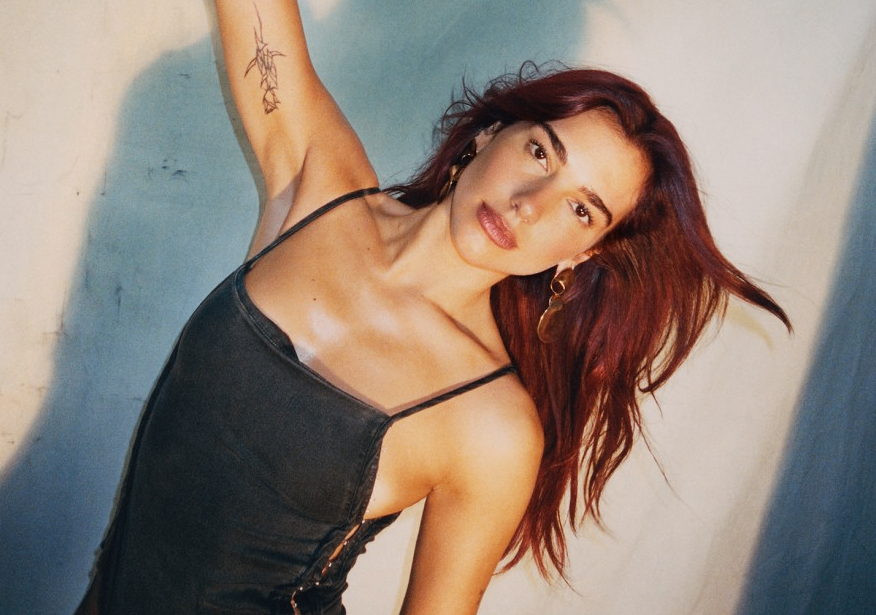
Few modern pop stars have blended sleek dance production, disco influence, and effortless vocal cool as successfully as Dua Lipa. With her deep, distinctive voice and sharp instinct for memorable hooks, she has built a catalog filled with songs that feel equally at home on radio, streaming playlists, and crowded dance floors. Hits such as “Don’t Start Now,” “Levitating,” and “New Rules” showcase her ability to pair confident lyrics with polished grooves and irresistible melodies. Her music often draws from classic disco, funk, electronic pop, and contemporary R&B while maintaining a clean identity of its own. The most popular Dua Lipa songs remain compelling because they combine stylish production, emotional confidence, rhythmic energy, and choruses designed to stay in your head long after the music stops.
1. Levitating
“Levitating” stands as one of Dua Lipa’s most irresistible pop recordings, combining disco sparkle, funk rhythm, electronic polish, and an effortless sense of romantic exhilaration. Appearing on Future Nostalgia, the song captures the album’s central idea beautifully: taking sounds associated with earlier dance music and reshaping them into something sleek enough to feel completely contemporary. From the opening seconds, the track seems designed to create motion.
The bass line provides much of the attraction. It moves with a buoyant funk character while crisp percussion and bright synthesizers create a futuristic dance floor atmosphere. Dua Lipa’s deep vocal tone gives the production an important contrast. Rather than matching the instrumental brightness with an equally light voice, she brings warmth and weight, allowing the melody to float without becoming insubstantial.
The lyric turns attraction into a cosmic experience. Love becomes something capable of lifting two people beyond ordinary surroundings, with references to stars, moonlight, galaxies, and endless movement. The imagery is deliberately playful rather than scientifically serious. Its purpose is to communicate the sensation of chemistry becoming so powerful that gravity no longer seems relevant.
What makes “Levitating” especially effective is how confidently every section moves toward the chorus. The verses are rhythmic, the transition builds anticipation, and then the main hook arrives with remarkable simplicity. Dua never oversings. Her control keeps the groove at the center while subtle vocal layers add excitement around her.
The song became one of the defining pop records of its era because it feels both nostalgic and new. Disco, funk, and classic pop influences are easy to recognize, yet the production never sounds like imitation.
“Levitating” captures Dua Lipa at her most naturally charismatic. The rhythm is effortless, the melody is immediate, and the performance radiates confidence without becoming aggressive. It is romantic escapism built for movement, a song that makes falling in love sound less like surrender and more like leaving the ground entirely.
2. Don’t Start Now
“Don’t Start Now” marked a major creative step forward for Dua Lipa, transforming heartbreak into one of the sleekest dance pop statements of her career. Released ahead of Future Nostalgia, the song presented a more rhythmically confident and musically sophisticated version of the artist who had already established herself with the success of her debut album. Instead of dwelling inside sadness, Dua turns emotional recovery into momentum.
The bass line is the defining instrumental feature. Its elastic movement gives the track a strong disco and funk character, while drums, piano accents, strings, and polished electronic details create constant motion. The production sounds clean without becoming sterile. Every element seems carefully positioned to keep the listener moving.
The lyric addresses a former partner who suddenly becomes interested after the relationship has ended. Dua refuses to provide the satisfaction of seeing her hurt. She has already survived the breakup, rebuilt her confidence, and moved into a new life. The warning in the title therefore comes from strength rather than bitterness.
Dua’s vocal performance is particularly effective because she remains controlled. She does not scream at the person who hurt her. Her deeper tone carries certainty, making the rejection feel final. Small rhythmic details in her phrasing allow the vocal to interact constantly with the bass and percussion.
“Don’t Start Now” succeeds because the emotional message and musical arrangement point in the same direction. The narrator has moved forward, and the groove never stops moving. Heartbreak becomes something physically left behind.
The song also helped establish the sonic identity of Future Nostalgia, where classic dance influences became the foundation for contemporary pop rather than decorative references. Dua and her collaborators understood that disco could sound modern when treated with confidence and precision.
“Don’t Start Now” remains one of her defining songs because it makes emotional independence feel exhilarating. The bass dances, the chorus arrives with absolute clarity, and Dua sounds completely uninterested in returning to the person she once needed. Moving on has rarely sounded this stylish.
3. New Rules
“New Rules” was the song that transformed Dua Lipa into an international pop star, combining a memorable vocal hook with a practical set of instructions for surviving the temptation to return to an unhealthy relationship. Released during the era of her self titled debut album, the song turns emotional discipline into something catchy enough to become a communal anthem.
The production blends electronic pop with tropical influenced rhythm and a carefully controlled sense of space. The verses remain relatively restrained, allowing Dua’s voice to explain the emotional problem before the chorus organizes the solution. Each rule functions like advice written down after making the same mistake too many times.
The brilliance of the lyric lies in recognizing that knowing a relationship is bad does not automatically make leaving easy. The narrator still wants the person. She therefore creates practical boundaries designed to protect herself when emotion becomes stronger than judgment. Do not answer, do not invite him back, and do not confuse friendship with genuine recovery.
Dua sings with a combination of frustration and determination. Her vocal does not pretend the rules are effortless to follow. Repetition becomes necessary because she is learning them herself. That vulnerability prevents the song from sounding like advice delivered from a position of superiority.
The music video strengthened the song’s identity through choreography involving a group of women supporting one another. The visual emphasis on friendship made the message feel communal. Emotional recovery becomes easier when people help reinforce boundaries that are difficult to maintain alone.
“New Rules” became one of Dua Lipa’s breakthrough songs because the concept is both specific and universal. Many listeners recognize the experience of creating private rules after discovering that willpower alone is unreliable.
The song also established several qualities that would remain central to Dua’s career: a deep vocal tone, disciplined delivery, sleek visual presentation, and lyrics centered on confidence after disappointment.
“New Rules” remains compelling because its empowerment feels practical rather than abstract. The narrator does not simply announce that she is strong. She builds a system to become stronger. Pop music turns into a survival guide, and the lesson is memorable enough to repeat whenever temptation returns.
4. One Kiss
“One Kiss” pairs Dua Lipa with Calvin Harris in one of the most successful dance collaborations of her career, a recording that captures the atmosphere of a warm night, a crowded club, and the possibility that one moment of attraction could change everything. The track is built around house music rather than conventional pop drama, allowing rhythm and repetition to carry much of the emotional weight.
Calvin Harris creates a production filled with deep bass, crisp percussion, bright keyboard chords, and a groove influenced by classic house music. The arrangement is intentionally economical. Instead of overwhelming the listener with constant changes, it establishes a strong rhythmic environment and trusts the repetition.
Dua Lipa is ideally suited to that approach. Her lower vocal register gives the song a cool, confident center. She never sounds hurried. Even when describing powerful attraction, she maintains a relaxed delivery that makes the chemistry feel inevitable rather than desperate.
The lyric revolves around the possibility that a single kiss can reveal everything necessary about romantic compatibility. It is a wonderfully simple idea for dance music. There is no complicated relationship history and no lengthy emotional explanation. Attraction happens immediately, and the body understands before the mind has time to analyze.
“One Kiss” became a massive success because the song works equally well as radio pop and club music. Its chorus is easy to remember, but the production never sacrifices groove for obvious pop tricks. Harris provides enough space for DJs and dancers, while Dua supplies the personality required to make the track recognizable within seconds.
The collaboration also showed how naturally she could operate inside electronic dance music without losing her identity. Her voice carries enough character to remain distinctive even within a producer driven track.
“One Kiss” continues to sound effortlessly stylish because it refuses to do too much. The bass moves, the beat settles, and Dua delivers the central promise with complete confidence. The result is a song about instant attraction that itself creates an instant reaction. Within moments, the groove takes over, which is exactly what great dance music should accomplish.
5. IDGAF
“IDGAF” established Dua Lipa as one of contemporary pop’s most convincing voices of romantic independence, delivering a message of complete emotional closure to someone attempting to return after causing damage. Released from her self titled debut album, the song takes the familiar subject of an unwanted former partner and gives it unusual force through sharp writing, controlled production, and Dua’s naturally authoritative vocal tone.
The arrangement begins with guitar and restrained electronic elements before gradually developing into a fuller pop production. Rather than surrounding Dua with excessive instrumentation from the beginning, the song allows her attitude to establish the mood. Each additional layer reinforces the growing certainty of the narrator.
The lyric is uncompromising. An old partner returns with apologies and declarations of regret, but the opportunity has disappeared. Dua makes clear that the emotional work of recovery has already happened. She cried, processed the disappointment, and continued living. The person who once held power over her feelings no longer receives access simply because he has changed his mind.
What makes the performance particularly effective is the lack of desperation. Dua sounds irritated rather than devastated. Her voice carries the calm confidence of someone whose decision has already been made. That emotional distance gives the song far more power than shouting would.
The video uses two contrasting groups of dancers and two visual versions of Dua, creating a striking representation of internal conflict and emotional recovery. Gradually, the opposing sides move toward unity, suggesting that strength emerges when different parts of the self stop fighting.
“IDGAF” connected strongly with listeners because its message is direct enough to use in real life. It became the musical equivalent of refusing another round of explanations from someone who has already received enough chances.
The song also helped establish the confidence that would later dominate Dua’s biggest dance recordings. Even before the disco polish of Future Nostalgia, she already understood how effectively restraint could communicate power.
“IDGAF” remains one of her defining breakup songs because the narrator is not trying to win anyone back or prove anything. The relationship is finished, the lesson has been learned, and the door stays closed.
6. Physical
“Physical” is Dua Lipa at maximum pop intensity, a song that transforms desire into an urgent rush of synthesizers, drums, and relentless forward motion. Released on Future Nostalgia, the track draws heavily from the energy of 1980s dance pop while using modern production to create something much sharper than simple retro imitation.
The synthesizer pulse immediately creates tension. Electronic drums and bass push underneath Dua’s vocal, while the production continuously adds brightness and pressure as the chorus approaches. When the main hook arrives, the song seems to expand suddenly, creating exactly the kind of physical release promised by the title.
The lyric celebrates attraction without hesitation. Dua is not analyzing whether the relationship makes sense or preparing rules to protect herself. She wants total participation. The song is about abandoning caution and allowing chemistry to become something experienced through movement, touch, and shared energy.
Her vocal performance balances command and excitement. Dua’s lower register gives the verses a controlled confidence, but the chorus allows more urgency to emerge. She still avoids excessive vocal decoration. The production provides the spectacle while her voice remains the stable center.
“Physical” also demonstrates the intelligence behind the retro influences of Future Nostalgia. The song references earlier dance pop without merely copying old production techniques. Synthesizers are cleaner, percussion hits harder, and the arrangement follows contemporary expectations while preserving the drama associated with classic fitness era pop and nightclub music.
The colorful video extends that energy through choreography, rapidly changing visual environments, and constant movement. Everything seems designed around bodies in motion, which makes the visual identity inseparable from the song’s central idea.
“Physical” became one of Dua Lipa’s most beloved songs because it understands that great dance pop should create a bodily response before intellectual analysis begins. The beat arrives, the synthesizers surge, and suddenly remaining still feels difficult.
The recording is bold, theatrical, and relentlessly energetic. Dua transforms attraction into momentum, creating a song that feels like running toward excitement rather than cautiously approaching it. Few tracks in her catalog capture pure pop adrenaline more completely.
7. Break My Heart
“Break My Heart” turns romantic excitement into a warning sign, capturing the strange anxiety that appears when someone finally meets a person they genuinely care about after becoming comfortable with independence. Released on Future Nostalgia, the song combines disco influenced rhythm, sleek pop production, and one of Dua Lipa’s strongest lyrical contradictions.
The bass and guitar establish a groove that feels immediately familiar while remaining unmistakably modern. Percussion stays crisp, vocal layers add brightness, and the production moves with the precision that defines much of Future Nostalgia. Everything sounds confident even while the lyric admits fear.
Dua begins from a position of emotional control. She has learned how to exist without depending upon romance, and that independence has become comfortable. Then someone appears who threatens to matter too much. Attraction creates vulnerability, and vulnerability means heartbreak is suddenly possible again.
That tension gives “Break My Heart” more depth than a straightforward love song. The narrator is excited precisely because she is frightened. Meeting the right person can be more terrifying than meeting the wrong one because there is finally something meaningful to lose.
Dua’s delivery handles that contradiction beautifully. Her voice remains cool, but subtle changes in phrasing reveal increasing uncertainty. She sounds fascinated by the danger rather than determined to escape it.
The production includes musical echoes that connect the track with earlier pop and rock traditions, reinforcing the broader Future Nostalgia concept of building contemporary music from familiar rhythmic DNA. Yet the song never feels like a historical exercise. The emotional language is completely current.
The video extends the theme through shifting environments and visual instability, suggesting that attraction has disrupted the narrator’s sense of control. Rooms, transportation, and physical spaces seem constantly capable of changing.
“Break My Heart” remains one of Dua Lipa’s finest songs because it captures a feeling that confident pop rarely acknowledges. Independence does not eliminate vulnerability. Sometimes becoming stronger simply means understanding exactly how much can be lost when someone finally matters.
8. Dance the Night
“Dance the Night” places Dua Lipa inside the glittering world of Barbie while remaining completely consistent with the disco influenced pop identity she had developed through Future Nostalgia. The song is bright, polished, playful, and designed for movement, yet beneath the immaculate surface lies a theme that gives it greater emotional depth: dancing can become a way of hiding pain.
The arrangement sparkles with strings, bass, percussion, guitar, and polished rhythmic details. Everything sounds carefully controlled, almost too perfect, which suits the lyric beautifully. Dua’s character wants the outside world to see elegance and confidence even when something more complicated is happening internally.
The chorus celebrates dancing through the night, but the verses reveal emotional instability beneath the glamour. A heart can be hurting while the body remains precisely on beat. Tears can exist without interrupting the party. Performance becomes a defense mechanism.
Dua’s vocal is ideal for that concept because she has always excelled at sounding composed. Her deep tone rarely becomes frantic, even when the emotional content suggests anxiety. That contrast allows the song to maintain its polished surface while quietly acknowledging the effort required to keep everything together.
“Dance the Night” fits naturally within the visual world of Barbie, where bright colors, choreography, fashion, and apparently perfect surfaces often conceal questions about identity and emotional uncertainty. Dua’s presence reinforces the glamorous dance floor dimension while the lyric adds just enough vulnerability.
The song became a major pop hit because it functions independently of the film. The groove is strong enough for clubs and radio, the chorus is immediately memorable, and the production connects naturally with the disco revival that had already become central to Dua’s career.
“Dance the Night” remains compelling because it celebrates resilience without pretending resilience always looks serious. Sometimes survival can mean dressing beautifully, stepping into the lights, and refusing to let private heartbreak destroy the rhythm.
Dua turns that idea into pure pop elegance. The smile stays visible, the beat continues, and whatever pain exists has to wait until the music stops.
9. Houdini
“Houdini” introduced another stage in Dua Lipa’s evolution, combining psychedelic pop color, electronic dance rhythm, funk influence, and a playful romantic challenge. Released ahead of Radical Optimism, the song maintains her commitment to groove while moving away from the pure disco framework that had dominated much of Future Nostalgia.
The production feels fluid and slightly mysterious. Bass, synthesizers, percussion, and shimmering electronic textures create a track that seems constantly in motion. There is a subtle psychedelic quality in the way sounds bend and overlap, particularly as the arrangement develops toward its extended final passages.
The title references the legendary escape artist Harry Houdini and turns disappearance into a romantic warning. Dua tells a potential partner that she can vanish quickly if the connection fails to hold her attention. Attraction is therefore not enough. The other person must provide a genuine reason for her to remain.
This reverses the usual romantic dynamic found in songs about abandonment. Dua is not afraid someone else will leave. She is the person capable of disappearing. Yet the confidence is playful rather than cold. Beneath the challenge is the suggestion that she would actually like someone convincing enough to make escape unnecessary.
Her vocal performance remains controlled and rhythmically precise. Dua uses repetition effectively, allowing the title to function almost like a magic trick that keeps reappearing inside the groove. Her deeper tone prevents the increasingly colorful production from becoming weightless.
“Houdini” also demonstrates her continued ability to work with dance music while subtly changing its vocabulary. The groove remains essential, but the textures feel stranger and less directly nostalgic than much of her previous album.
The video emphasizes rehearsal spaces, mirrors, choreography, and shifting perception, complementing a song concerned with presence and disappearance. Dua appears surrounded by versions and reflections of movement, making the visual environment feel almost unstable.
“Houdini” works because it turns romantic standards into entertainment. Dua knows she can leave, knows she has options, and refuses to remain simply because attraction exists. The challenge is simple: give her something real before the opportunity disappears.
10. Love Again
“Love Again” is one of Dua Lipa’s most emotionally generous songs, describing the surprise of discovering that romantic hope can return after heartbreak has made such a possibility seem impossible. Appearing on Future Nostalgia, the recording combines a dramatic sampled motif with disco inspired rhythm and contemporary pop production, creating a song that feels both grand and intimate.
The instrumental opening immediately gives the track a sense of mystery. A familiar melodic sample is transformed within a polished arrangement of bass, strings, drums, and electronic textures. Once Dua enters, the production settles into a dance groove that contrasts beautifully with the vulnerability of the lyric.
The narrator has spent enough time hurt and isolated that she has begun to believe love may no longer be available to her. Emotional self protection has hardened into pessimism. Then someone arrives and unexpectedly changes that assumption.
The power of the song lies in the disbelief. Dua is not simply excited about a new relationship. She is astonished that she can feel this way at all. Her heart, which seemed permanently closed, has begun responding again. Romantic attraction becomes evidence that emotional recovery was possible even when she could not imagine it.
Dua’s vocal maintains her characteristic composure, but there is warmth beneath the control. She never needs enormous vocal theatrics to communicate the transformation. The melody and lyric carry the emotional movement naturally.
“Love Again” also fits beautifully within Future Nostalgia because the song itself is built around renewal. Older musical material is given another life inside a contemporary dance track, mirroring a lyric about discovering life inside feelings thought to be finished.
The video adds surreal Western inspired imagery, strange choreography, and playful symbolism, giving the song a visual identity as eccentric as the production is elegant.
“Love Again” remains one of Dua Lipa’s most satisfying recordings because its optimism is earned. The narrator has known heartbreak deeply enough to lose faith in romance, so rediscovering affection feels genuinely miraculous.
The beat keeps moving while disbelief turns into joy. Dua does not merely fall for another person. She discovers that a part of herself she thought had disappeared is still alive, making “Love Again” one of the warmest emotional victories in her catalog.

Edward Tomlin is a frequent contributor to Singers Room. Since 2005, Singersroom has been the voice of R&B around the world. Connect with us via social media below.
Source link
