
Pop/Hip Hop/R&B
10 Best Buddy Holly Songs of All Time
Jul
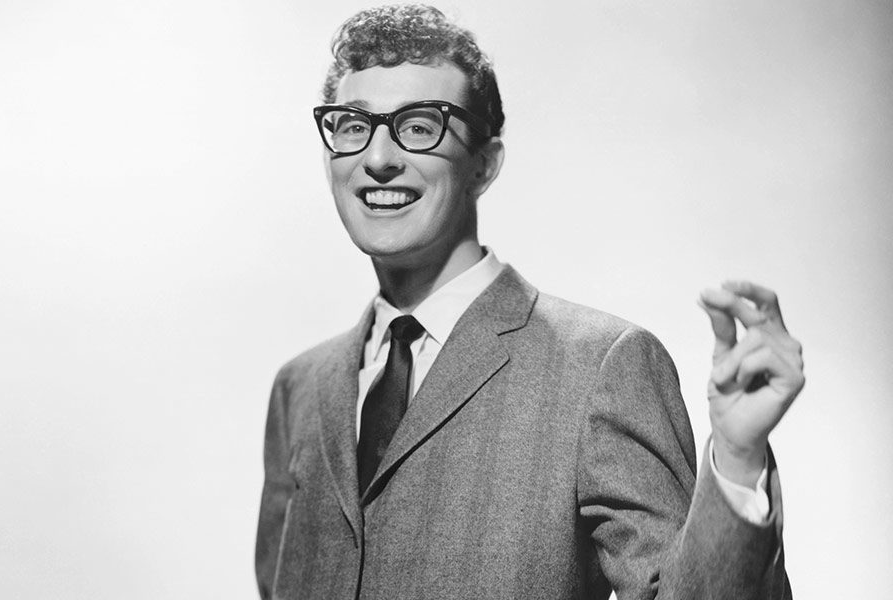
Few artists have influenced the course of rock and roll as profoundly as Buddy Holly. With his signature glasses, infectious smile, and remarkable gift for songwriting, Holly helped redefine popular music by blending country, rockabilly, rhythm and blues, and pop into a fresh and unforgettable sound. His innovative recordings showcased catchy melodies, inventive guitar work, and heartfelt lyrics that inspired generations of musicians, from the Beatles and the Rolling Stones to countless modern rock artists. Although his career was tragically brief, the impact of his music has endured for decades, proving that timeless songs can outlive any era. Whether delivering upbeat rock and roll classics or tender ballads filled with youthful emotion, Buddy Holly created a catalog that remains vibrant, influential, and endlessly enjoyable for listeners around the world.
1. That’ll Be the Day
That’ll Be the Day is the recording that established Buddy Holly and the Crickets as major figures in the first great era of rock and roll. Released in 1957, the song combines a memorable vocal hook, crisp guitar work, rhythmic confidence, and a lyric built around romantic disbelief. Its narrator listens to a lover threaten departure but refuses to believe the separation will actually happen. The repeated title becomes a challenge, an expression of pride, and a defense against emotional vulnerability.
The phrase was inspired by a line associated with John Wayne, but Holly and drummer Jerry Allison transformed it into something that belonged completely to teenage culture. Instead of sounding like an older authority figure, the narrator comes across as a young man attempting to hide uncertainty behind humor and confidence. He insists that his lover will never leave, yet the energy of his performance suggests that the possibility genuinely worries him.
Musically, the recording is a model of economy. Holly’s guitar supplies bright rhythmic chords and concise melodic responses, while Joe B. Mauldin’s bass and Allison’s drums create a light but forceful pulse. The backing vocals add warmth without overwhelming the lead. Every sound contributes directly to the song’s movement, and nothing feels unnecessary.
Holly’s vocal delivery is especially distinctive. His phrasing includes small breaks, stretched syllables, and playful shifts in emphasis that immediately separate him from other singers of the period. He sounds conversational and melodic at the same time.
That’ll Be the Day became one of the defining records of early rock and roll because it joined youthful attitude with exceptional craftsmanship. The performance is confident, but the emotion beneath it remains recognizable. Anyone who has tried to dismiss the possibility of heartbreak can understand the narrator’s bravado. Holly turns that private anxiety into a joyful, endlessly replayable classic.
2. Peggy Sue
Peggy Sue is one of Buddy Holly’s most recognizable recordings, driven by a remarkable drum sound, a deceptively simple guitar pattern, and a vocal performance filled with affection and rhythmic invention. Released in 1957, the song was originally developed under a different title before becoming connected with Peggy Sue Gerron, who was romantically involved with drummer Jerry Allison. That change gave the composition an immediately memorable identity and helped create one of rock and roll’s most famous names.
The instrumental arrangement is spare, yet it produces tremendous excitement. Allison’s drumming is the central rhythmic feature. The volume of the drums appears to rise and fall throughout the performance, creating waves of tension beneath Holly’s voice. This effect gives the recording a pulsing energy unlike most popular singles of its era. Joe B. Mauldin’s bass provides steady support, while Holly’s guitar maintains a compact chord pattern and introduces a rough, urgent solo.
Holly’s singing is equally important. He stretches Peggy Sue’s name across the melody, changing the shape and emphasis each time it returns. His famous vocal hiccups become part of the rhythm, making the performance sound spontaneous even though the arrangement is carefully controlled. He balances romantic enthusiasm with a hint of nervous excitement, perfectly capturing the emotional intensity of youthful attraction.
The lyric contains no complicated story. The narrator simply praises Peggy Sue and declares his love. Yet Holly proves that originality does not always depend upon elaborate language. Repetition becomes powerful when the melody, voice, and rhythm continue to reveal new shades of feeling.
Peggy Sue influenced countless singers, guitarists, and bands because it showed how a small ensemble could create an enormous personality. Its structure is direct, its instrumentation is economical, and its emotional message is universal. The song remains timeless because Holly makes one person’s name sound like the most exciting phrase in the world.
3. Everyday
Everyday reveals Buddy Holly’s remarkable ability to create tenderness through an arrangement of extraordinary simplicity. Released in 1957, the song presents romantic hope as something gradually approaching, becoming stronger and more certain with each passing day. Its gentle optimism offers a striking contrast to the harder rhythmic attack of Holly’s rockabilly recordings, demonstrating the range he possessed at a remarkably young age.
The instrumental setting is one of the most distinctive in early rock and roll. Holly plays acoustic guitar, while Joe B. Mauldin contributes bass and Jerry Allison creates the rhythm by striking his knees rather than using a conventional drum kit. A celesta adds the delicate chiming notes that give the recording its dreamlike quality. The combination produces a sound that feels intimate, homemade, and sophisticated all at once.
Holly’s vocal performance is soft and reassuring. His familiar hiccup appears in a gentler form, adding personality without disturbing the song’s calm atmosphere. He sings as someone who believes love is coming but still needs to reassure himself. The repeated references to time moving forward create a balance between patience and anticipation.
The roller coaster image gives the lyric a playful sense of speed, yet the music remains relaxed. This contrast reflects the emotional experience of waiting for love. The outside world may appear quiet, while inwardly every moment feels charged with possibility.
Everyday became one of Holly’s most frequently used recordings in films, television programs, advertisements, and personal celebrations because its emotional warmth is so immediate. The song can suggest young romance, nostalgia, domestic happiness, or the simple pleasure of expecting something good.
Its influence extends beyond rock and roll into folk pop and independent music, where artists continue to admire its minimal arrangement. Holly proves that a memorable recording does not require volume or elaborate production. A tender melody, a few carefully chosen sounds, and a voice filled with hope can create something that lasts forever.
4. Oh Boy
Oh Boy captures the rush of romantic anticipation with such energy that the recording seems ready to leap from the speakers. Released by the Crickets in 1957, the song was written by Sonny West, Bill Tilghman, and Norman Petty, but Buddy Holly’s performance gave it its lasting identity. The narrator knows that nighttime will bring a meeting with the person he loves, and every element of the arrangement communicates his impatience for that moment to arrive.
The song begins without hesitation. Guitar, bass, drums, and backing vocals establish a fast, bright rhythm that remains consistent from beginning to end. Holly’s electric guitar has a clean but urgent tone, while Jerry Allison’s drumming provides the sharp backbeat required to keep the performance moving. Joe B. Mauldin’s bass gives the track a steady foundation, and the backing singers make the chorus feel even more celebratory.
Holly sings with controlled excitement. He never sounds overwhelmed by the tempo, maintaining clear diction while allowing his characteristic vocal breaks to sharpen important phrases. The repeated title communicates delight more effectively than a longer explanation could. It is the spontaneous response of someone unable to contain his happiness.
The lyric is built around waiting. Daylight represents separation, while night promises reunion, affection, and the fulfillment of romantic expectation. This simple structure made the song immediately relatable to young listeners whose relationships were often shaped by curfews, family rules, school schedules, and limited privacy.
Oh Boy became a major success because it delivered the essential excitement of early rock and roll in a compact form. It is romantic without becoming sentimental and energetic without becoming chaotic. Every guitar stroke, drum accent, and backing vocal contributes to the feeling of approaching celebration.
The song continues to inspire rockabilly performers because it demonstrates the power of precision. Holly and the Crickets sound joyful and spontaneous, but the arrangement is remarkably disciplined. Their excitement never weakens the craftsmanship beneath it.
5. Rave On
Rave On is one of Buddy Holly’s most exuberant vocal performances, turning the language of romantic excitement into a thrilling rock and roll celebration. Written by Sonny West, Bill Tilghman, and Norman Petty, the song had been recorded before Holly approached it, but his 1958 version gave the composition its definitive energy. From the opening exclamation, he sounds completely overtaken by love and delighted by that loss of control.
The arrangement is built around pounding piano, electric guitar, bass, drums, and backing voices. The piano gives the track a rolling intensity that differs from the guitar centered sound of many Holly recordings. Instead of creating a spacious groove, the musicians fill the performance with continuous motion. The rhythm seems to push Holly forward, encouraging every vocal phrase to become more animated.
His singing is the song’s greatest attraction. Holly uses vocal hiccups, stretched words, sudden changes in volume, and playful rhythmic accents to communicate the narrator’s excitement. He does not sing about love from a distance. He sounds caught inside the experience, reacting to every dance, kiss, and affectionate phrase as it happens.
The title uses language associated with wild enthusiasm. Within the song, raving is not a sign of distress. It is the natural response to overwhelming attraction. Holly’s delivery makes the phrase feel youthful, rebellious, and joyful.
Rave On has been recorded by numerous artists because its melody and rhythm invite reinterpretation. Yet Holly’s version remains unmatched in its balance of looseness and control. He sounds spontaneous, but every break in his voice arrives at exactly the right moment.
The song endures because it celebrates love as a physical force. Romance changes the narrator’s speech, movement, and sense of balance. He is reeling, but he has no desire to recover. Holly transforms that pleasurable confusion into a performance that remains one of the purest expressions of early rock and roll excitement.
6. Not Fade Away
Not Fade Away is one of Buddy Holly’s most influential recordings, combining a rhythm inspired by the Bo Diddley beat with a lyric that insists love will remain strong despite uncertainty. Released as the companion side of Oh Boy, the song gradually became a rock standard through its hypnotic pulse, confident message, and enormous adaptability.
The rhythm is the heart of the performance. Jerry Allison creates a pattern closely connected to African, Caribbean, and rhythm and blues traditions, while handclaps add communal energy. Holly’s guitar accents the beat rather than filling the track with complicated harmony. Joe B. Mauldin’s bass supplies weight beneath the percussion, allowing the song to move with a steady, almost ceremonial force.
Holly’s narrator promises a love that will not disappear. He sounds confident that the person he addresses will eventually recognize the depth of his devotion. Yet the repeated insistence also suggests insecurity. People rarely need to announce that something will last unless they are aware that loss remains possible.
The vocal delivery is relaxed and direct. Holly does not force the melody or attempt to overpower the rhythm. He lets the beat carry the statement, making the promise feel natural and inevitable. The simplicity of the lyric allows every performer to bring a different personality to the song.
The Rolling Stones recorded Not Fade Away as an early single, emphasizing its blues character and helping introduce the band to a broader audience. The Grateful Dead later transformed it into an extended concert favorite, often encouraging crowds to continue the rhythm after the musicians stopped playing.
That later tradition proves how perfectly the song’s form matches its message. The music itself refuses to fade. Handclaps, drums, voices, and guitars can continue indefinitely, passed from performer to audience and from one generation to the next.
Holly created a recording that celebrates endurance through repetition. Love remains, rhythm remains, and the song keeps moving long after its brief original performance has ended.
7. True Love Ways
True Love Ways demonstrates how rapidly Buddy Holly was expanding beyond the boundaries of straightforward rock and roll near the end of his life. Recorded in New York in 1958 with an orchestral ensemble, the song replaces the lean sound of the Crickets with strings, saxophone, piano, and a lush arrangement. Rather than weakening Holly’s individuality, the sophisticated setting reveals the emotional depth and melodic confidence of his voice.
The composition was closely connected with his wife, María Elena, and carries the intimacy of a private declaration. Holly sings about the quiet understanding shared by two people whose love is genuine. Smiles, tears, ordinary days, and small emotional signals become part of a language that outsiders may not fully understand. The lyric suggests that true devotion is revealed through accumulated experience rather than grand public gestures.
The arrangement begins with a gentle instrumental introduction before Holly enters in a warm, controlled tone. His voice retains the recognizable character heard in his rock recordings, but the familiar hiccups are used sparingly. He allows long melodic lines to unfold smoothly, proving that he could adapt his style to more traditional pop settings.
The orchestration adds romantic grandeur without overwhelming the song’s personal character. Saxophone phrases and string movements appear around the vocal like reflections of the narrator’s affection. Holly remains at the center, sounding sincere and emotionally composed.
True Love Ways became widely popular after his death and has been recorded by numerous artists across pop, country, and easy listening music. Its continued use at weddings and anniversaries reflects the universality of its message.
The song is especially poignant because it hints at the musical directions Holly might have explored had his career continued. He was not limited to one sound or market. He was becoming a complete recording artist capable of combining rock and roll individuality with orchestral sophistication. True Love Ways preserves that promise in one of his most beautiful performances.
8. It’s So Easy
It’s So Easy is a bright and deceptively sophisticated celebration of how effortless falling in love can feel. Released in 1958, the song was written by Buddy Holly and Norman Petty and recorded with an arrangement that balances rock and roll energy with polished pop craftsmanship. Although it was not among Holly’s largest hits during his lifetime, it became one of his most recognizable compositions through later recordings, films, and radio play.
The opening guitar phrase immediately establishes the song’s cheerful personality. The instrumental arrangement includes electric guitar, bass, drums, and supporting voices, with every part contributing to a light, bouncing rhythm. Guitarist Tommy Allsup adds elegant lead work that expands the musical vocabulary beyond the rougher rockabilly style associated with Holly’s earlier recordings.
The lyric expresses amazement at the way love can overturn previous assumptions. Other people describe romance as foolish or dangerous, but the narrator discovers that surrendering to it feels completely natural. The title therefore contains both confidence and surprise. Love is easy because resistance has become impossible.
Holly’s singing remains relaxed and conversational. He does not deliver the emotion with dramatic force. Instead, he sounds pleased by his own discovery, inviting listeners to share his happiness. The melody rises and falls with graceful simplicity, making the chorus instantly memorable.
Linda Ronstadt recorded a highly successful interpretation in the late nineteen seventies, bringing the song to another generation and demonstrating how easily Holly’s writing could adapt to a fuller contemporary rock arrangement. Her version emphasized the strength of the melody while remaining faithful to the joyful spirit of the original.
It’s So Easy endures because it captures the uncomplicated pleasure of recognizing love before doubt has time to interfere. The song contains no heartbreak, jealousy, or negotiation. It preserves the instant when affection feels obvious and the future appears inviting.
Holly’s concise performance demonstrates one of his greatest gifts. He could take a familiar emotion, discover the perfect melodic phrase for it, and make the result sound as effortless as the feeling being described.
9. Words of Love
Words of Love is one of Buddy Holly’s most intimate and innovative studio recordings, presenting romantic devotion through layered vocals and delicately interlocking guitar parts. Recorded in 1957, the song demonstrates Holly’s growing interest in using the studio as a creative instrument. Rather than simply capturing a live band performance, he constructed a sound that depended upon overdubbing and careful arrangement.
Holly sings both vocal parts, creating a harmony with himself that gives the recording a dreamy, private atmosphere. The voices are close in tone but distinct enough to create movement. This technique allows the lyric to sound like an internal conversation, as though the narrator’s hopes are being echoed back to him.
The guitar work is equally important. Holly layers bright, ringing phrases over a steady rhythmic foundation, producing a texture that would influence later guitar groups. The notes are clean and carefully spaced, allowing the melody to shimmer without becoming crowded. Bass and drums remain understated, supporting the gentle character of the performance.
The lyric asks for direct reassurance. The narrator wants to be held close and told that love is real. There is vulnerability within this request, but Holly never turns it into despair. The repeated phrases create comfort, suggesting that honest words can provide emotional security when spoken sincerely.
The Beatles recorded Words of Love for Beatles for Sale, closely respecting Holly’s vocal arrangement and guitar sound. Their interpretation reflects how deeply his studio methods influenced their own development as a self contained band that wrote, played, sang, and experimented with recording techniques.
The original remains remarkably modern because of its balance between simplicity and construction. The listener hears a gentle love song, yet beneath that apparent ease is careful technological imagination.
Words of Love reveals Holly as more than an energetic rock and roll performer. He was already becoming an inventive producer and arranger, discovering how recorded layers could express emotional intimacy in ways a straightforward live performance could not.
10. Maybe Baby
Maybe Baby is a classic Buddy Holly performance built around uncertainty, hope, and one of the most memorable word combinations in early rock and roll. Released by the Crickets in 1958, the song expresses the narrator’s belief that the person he loves may eventually return his affection. He has no guarantee, but the possibility is enough to keep his optimism alive.
The title is perfectly designed for Holly’s vocal style. He stretches and breaks the two words, allowing them to become both melody and rhythm. The phrase contains hesitation and tenderness at the same time. Maybe acknowledges uncertainty, while baby makes the hope personal and affectionate.
The arrangement features electric guitar, bass, drums, and backing vocals, all working within the clean, uncluttered sound associated with Holly and the Crickets. His guitar introduces bright rhythmic figures, while Jerry Allison and Joe B. Mauldin maintain a steady pulse. The backing voices broaden the chorus and make the narrator’s private wish feel like a communal singalong.
Holly’s performance never becomes desperate. He sounds patient and quietly confident, as though time may eventually prove him right. The lyric admits that he has been waiting, yet the music remains upbeat. This contrast turns romantic uncertainty into something hopeful rather than painful.
Maybe Baby became popular internationally and strengthened Holly’s influence upon musicians in Britain and Europe. Its compact structure, clear melody, and guitar based arrangement offered a model that later groups could easily study while still finding difficult to equal.
The song endures because uncertainty is one of the most common conditions in romance. Before love is declared, every gesture can feel like evidence and every delay can create doubt. Holly captures that waiting period without overcomplicating it.
His genius lies in finding a phrase simple enough for anyone to remember but flexible enough to carry real emotion. Maybe Baby sounds cheerful, yet beneath its bright rhythm is the vulnerable hope that another person will eventually say yes.

Edward Tomlin is a frequent contributor to Singers Room. Since 2005, Singersroom has been the voice of R&B around the world. Connect with us via social media below.
Source link
