
Alternative Rock
Reclus.E On Deep Connections, Curbing Overthinking & Their Debut Album
Nov
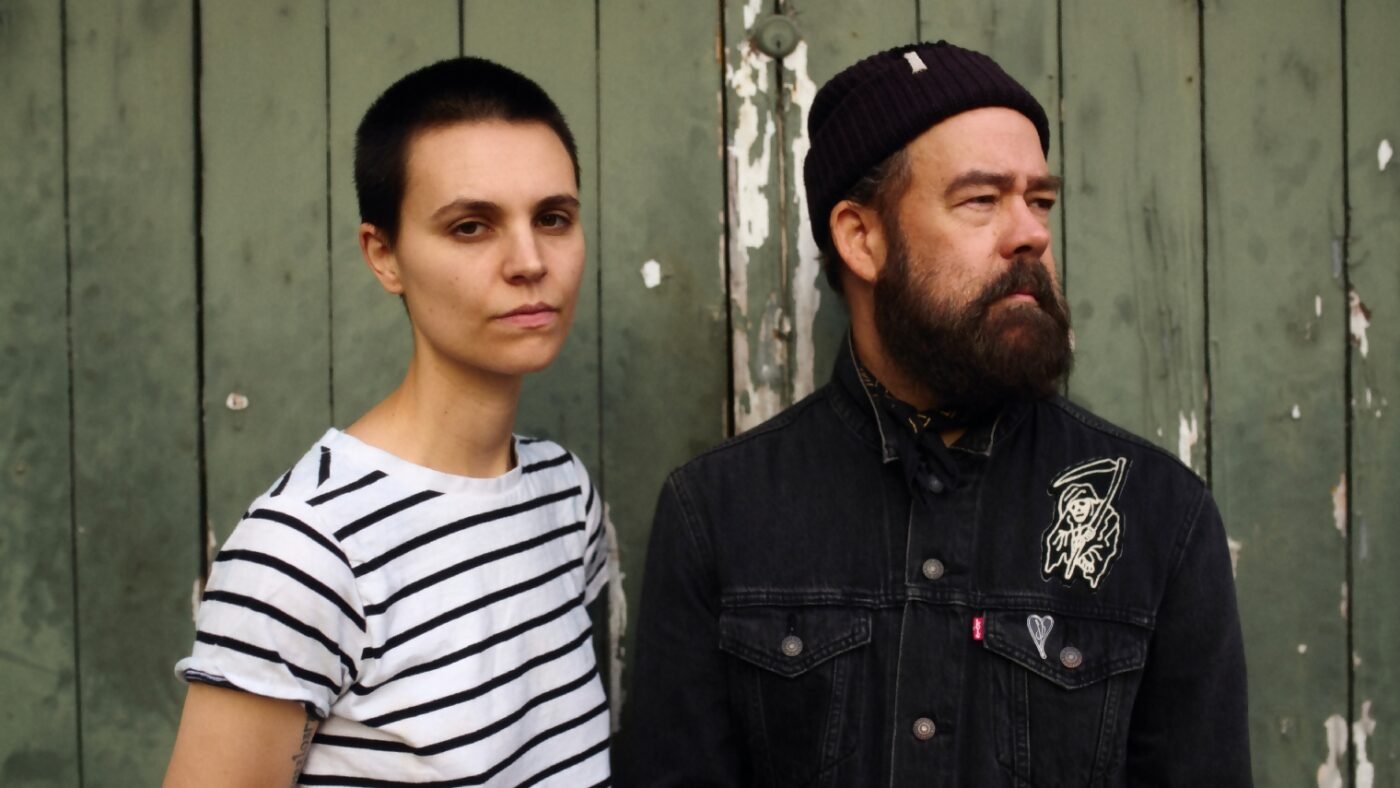
Sometimes magic is ready and waiting for you to find it. For Reclus.É’s Daniel P. Carter and Soren Bryce, it was hiding within them finally crossing paths.
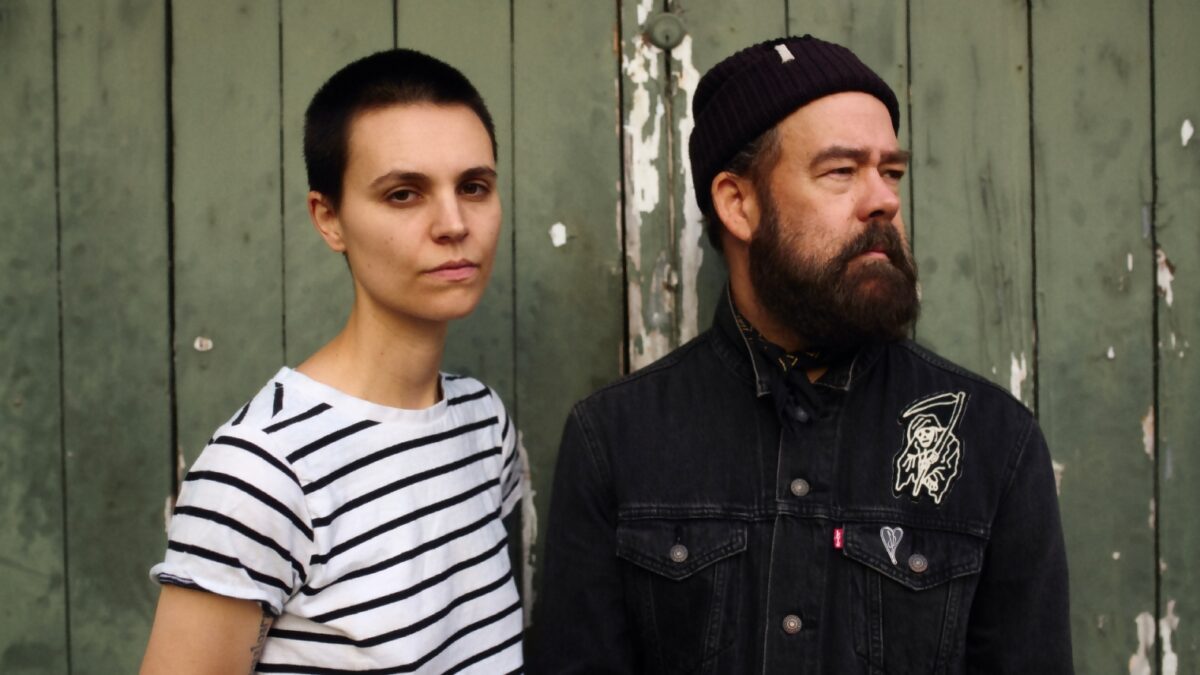
What started as a meeting with the potential of working together has developed into something much deeper. A shared sense of exploration, of creating something completely new, of processing feelings in a manner that other outlets haven’t allowed.
Throw in some special performances in some very big spaces over the summer, from Outbreak Fest and 2000trees to supporting A Perfect Circle, and the project has come on leaps and bounds, all leading towards a truly seminal debut album.
A varied, volatile, and at times viscous collection of tracks, ebbing and flowing between tight tension and unbridled anger, it’s a real statement of intent from a duo who know the floodgates are firmly open.
To find out more about the journey so far, Rock Sound caught up with both Soren and Daniel.
Rock Sound: How did all of this come to be for the two of you? It seems like such a brilliant pairing of talents, and it’s produced something so natural.
Soren: Dan had already been working on the body of work instrumentally for a while before we were put in touch. I think I sent back some vocal ideas pretty soon after we had met, though. But I wanted to meet Dan in person because I’m quite insular, and I find it really difficult to collaborate with people unless I know them really well. So I really wanted to see if we got on and see what we had in common. And from our first meeting, basically, I was really happy because we had quite a deep conversation about grief and death, and it felt like we had a lot of similar interests as far as music and how to approach making music.
With bands, it takes them a long time to develop this type of chemistry. I actually think what benefited Dan and me for this record, especially because it was a body of work instrumentally before I became involved, was that it did have that cohesion because it was so much Dan’s vision for the project. Then, when I became involved, I had the fun challenge of superimposing my own creative voice onto it.
So, I think two threads have come together to make a pretty cohesive album. What benefited us was that we didn’t know each other that well, and we didn’t have that experience of working together, even though we’ve both worked on projects individually for a long time. And then it has just worked. I don’t know if it would have worked with other people or with a different body of work. It might not have come out so cohesively. But I think because Dan and I have a lot of intention-setting with our music-making, I’m really happy this is the result, and I am super grateful it’s so melded and doesn’t feel disjointed in any way. It hasn’t been uncomfortable, and it has felt very natural.
Daniel: I hadn’t actually considered what it might have been if it had been anyone else. But as soon as you sent me those first demos, it just felt like, ‘Oh, this is the thing, and this is what it’s going to sound like’, and I was stoked on it.
Soren: Because I think quite a lot of my choices weren’t what you were expecting or the direction you thought I’d go in. I think it’s cool because we do have different reference points, and it can sometimes be a challenge to combine them, but it just seemed to work for this.
RS: Was it a case of having the bare bones or a library or stuff collected over years, or was it more of an intent to do something of this ilk that just felt like the right time to get it down finally?
Daniel: I think more of the latter. The intent was that I’d started writing a bunch of music, and it all started to seem to fit together. And I was like, ‘Oh, I think this could be a body of work. And then as that started spreading out a bit from what it was, I realised that there were a couple of other pieces from previous stuff that I’d written that could get pulled into this and still work. ‘Isolationist’ is one of those because I wrote it during the COVID lockdown. I think ‘All Bark No Bite’ is another one that existed before this body of work, or at least I had the music for it in some form. It was Soren’s job to make them all feel cohesive. I guess there is common ground, but it seems like there’s quite a big spectrum of things. I think Soren smashed it because as soon as she started writing and then singing on it, it tied everything together.
RS: What things sprang to mind when you heard the music, then? It’s clear you had an emotional connection the first time you met, but what was it like having that connection through music?
Soren: What was actually beautiful about the music that Dan sent me was that, even though I like it so much, it’s not something that comes naturally to me. Like, I wouldn’t make a song like ‘Staying,’ for example; I was able to approach writing in different ways because I had to match this palette that elicited different emotions in me. Whereas when you’ve been in a band for a long time, you’re always trying to keep it fresh and change and evolve. But you have your sort of habits, your aesthetics, your sonic palette that you draw from. Having something presented to you that’s completely outside of that, in different ways, was really nice because it didn’t feel like I needed to dredge up the same things again and again.
I feel like the way I wrote for Reclus.É is maybe different from how I’d approach writing for my other band. I intended to be as direct and honest as possible throughout the lyrics, and I think the sonic palette made it a lot easier to do that.
RS: What was it then like presenting all of these experiments and experiences in front of such huge crowds for your first shows? It must have been an amazing place to vindicate everything you have discovered through the creative process.
Soren: Doing those gigs was so outside of my comfort zone, and when we were approaching them, I was like, ‘What is my role going to be? What is my voice going to be like in this format?’ I think it took me a bit of time to find my feet as the front person of Reclus.É, but because it was so far left field, it actually just gave me a lot of freedom to think, ‘Whatever happens is going to happen’. Opening for A Perfect Circle is obviously a huge blessing and privilege, and doing it in that way, I was able to take on more of a persona. It was a bit of a baptism by fire.
Daniel: I have the luxury of being just the bass player live, so I’ve got a lot of stuff I can hide behind. But for Soren, it was a lot. But I also think going in like that demanded a level of commitment from all of us.
Soren: The anticipation and anxiety of the first shows, I don’t feel anymore. With this really big, exciting first show, I probably put a lot of pressure on myself unfairly. I better do well; otherwise, people are going to have this misconception that I’m some person who just came in and fell into the perfect situation, and I don’t deserve it. I really had to battle with that a lot at the beginning, and I feel like since we’ve now played a few shows, that feeling has definitely subsided. But, yeah, it was a lot of pressure.
RS: And when you consider where you both are now, how are you reflecting on what you have been able to achieve?
Daniel: Well, from my perspective, I’m so stoked on the record we’ve made, and I feel like it will justify a lot of things because it speaks for itself. But once it’s out there, it’s not ours anymore. Yeah, yeah. So, the thing I’ve realised most is that I find letting go of the reins quite tough. And on this, it’s been the opposite of that entirely. I didn’t try to overthink anything. And now we’re at the point where I’m not overthinking anything at all, and I’m just letting everything happen. Everything seems to be flowing in its own direction. It feels like opportunities are arising because I’m not going, ‘Maybe this will happen, and then we could have this’. That’s how I’ve always been in bands. Whereas now it’s, ‘If we can play a show because everybody’s around on this date, then awesome. And if not, that’s cool. It doesn’t matter.’
Soren: When you hold something too tightly, it doesn’t have room to grow into what it’s meant to be. You’re bringing in the perception of others so much to a point where it overshadows your own, like artistic integrity, because you’re like, ‘If I do this, it’ll please someone’ or ‘If I do this, it will open up this door for me’. But we could only notice that by living through all our experiences in other bands.
RS: And so now that the debut album is completed, how are you approaching the possibilities of the future?
Soren: It’s such a different context now that we know each other.
Daniel: Getting to know each other was one of the best bits about the entire process of this record. It’s just that we’ve become mates, and now we’re in this position where we’re just talking about how we approach what we do from here on.
Soren: But I think because especially when it’s two people, there’s a little bit more of a democratic process. It’s quite hard because it’s either your way or my way, and finding ways to compromise while maintaining both people’s identities can often be harder than when it’s spread among multiple people. But I’m really interested and excited to see what that type of tension produces for the second album. I’m ready to start, so let’s get into it.
Source link
