
Alternative Rock
Miss May I On Openness, Honesty & New Album ‘No Place For Me’
Oct
There are moments in every band’s story when they realise that things are shifting. For Miss May I, that was right now.
After celebrating their roots last time out with a 15th anniversary re-record of their debut album ‘Apologies Are For The Weak’, when it came to their 8th full-length proper, a whole load of factors met in the middle.
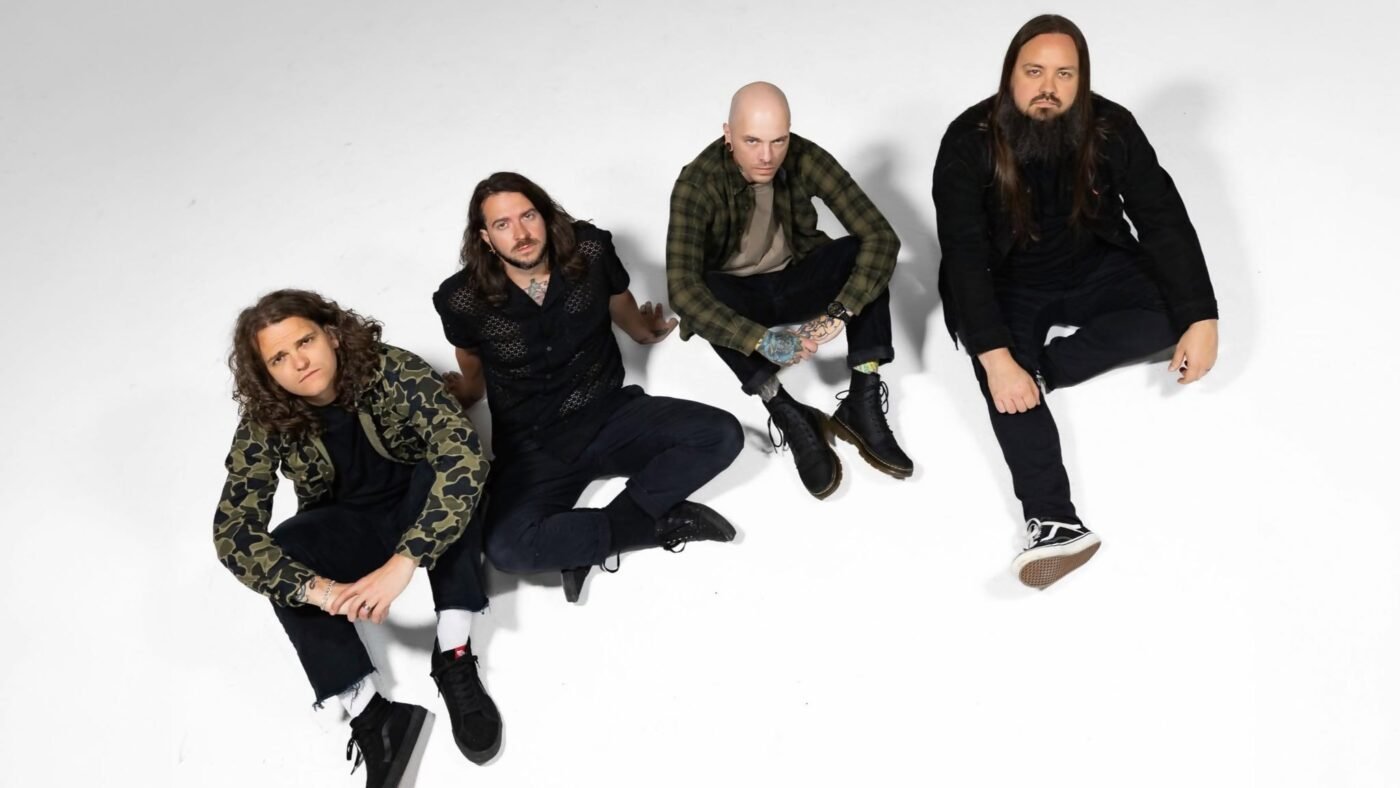
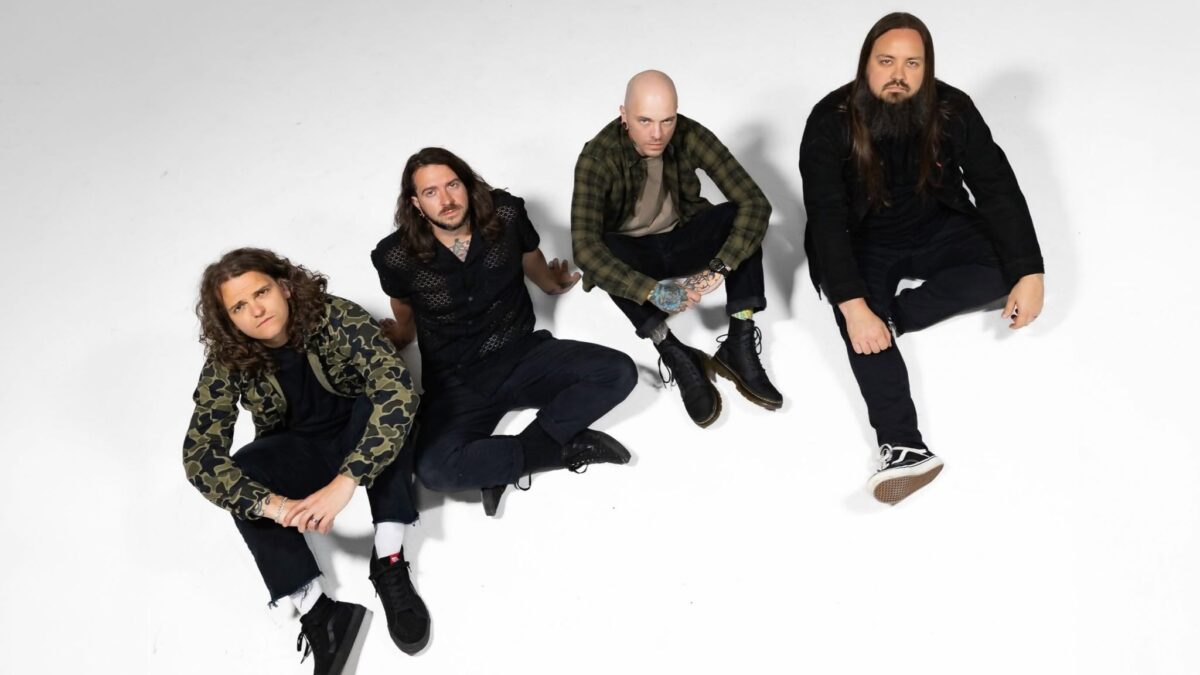
With a new lineup in place, and a realisation of how long they had been doing this, the result is ‘No Place For Me’, the band’s starkest and most emotionally raw record to date. Of course, the riffs are still at the forefront, but even more prominent is the openness and honesty at the core of these tracks. The sort that shows those listening that they aren’t alone in their struggles. That the perfect time to face off against the things weighing on your shoulders is whenever you have the strength. And that time may change a lot, but some things will always stay the same.
To find out more about this revealing era, Rock Sound had a catch-up with vocalist Levi Benton.
Rock Sound: How are you feeling, in the sense of what this record has ended up becoming and the environment it was made in?
Levi: I think, because we’ve done this so long, that we’re just comfortable. Because it’s a new lineup, we really pushed and took the opportunity of, ‘Hey, if we’re gonna do it, now’s the time to do it.’ I don’t want people to think we’re holding back, but there are things you don’t really bring up in a session because it’s just not the time yet. We just can’t randomly throw this out or something like that. But we had so much time, so let’s pull stuff in while we’re together. And I feel, not intentionally, like half the album really is experimental, and the other half is like Miss May I 2.0. It levelled out that way, and it’s cool. This is the most set-in-place album we’ve done, which has been awesome. It’s all organic. We just vibed out with the art and the title and everything, and, ‘Oh wow, I see what’s happening. This one felt like puzzle pieces perfectly aligning, and it really came together.
RS: It feels like you really let everything out this time around, with a lot of raw, real feelings darting around in these songs. How has the way you have brought things to the table, and ultimately dealt with them, changed over the years of making Miss May I albums?
Levi: I would say with each album, I actually look forward to it. I’m realising more that I say stuff on albums and in writing that I can’t say in therapy, and that I can’t say to my wife or friends. It’s a lot easier for me to dig deeper through the band, and I look forward to it because it is a skill we’ve learned and get better at with each album. I think we get better, not only me but as a band, because when we’re writing the lyrics, we write them on the spot and based on vibe, because we always start with the riff. We’re a riff band, vibing out to what we have and then talking about it. But lyrically, when someone else is going through the same situation from their own perspective, that feels magical to me. You’re in a vulnerable spot, and it brings you even closer as a band.
So each album has felt like a bungee jump, and you’re just extending the chord a little bit more each time. And where you end up at the end of that process, now that’s the starting point. Where you ended things when you went into the studio the next time is where you start, and you keep going deeper. I think that’s the coolest thing we’ve learned over time. I remember doing ‘Hey Mister’ on our third album, and we were always tiptoeing around the subject matter. Like, we can’t really say that. It can’t be too deep. And then I remember working with Machine and him saying, ‘Nope, get straight to the point.’ And I’m like, ‘No way. What are you talking about?’ And then we did it, and look what it has allowed.
RS: The thing is that you aren’t just opening the doors for yourself. You’re doing it for everyone who listens to you. And by being as open and honest as you are now about what you’re creating, you help them realise they can be just as honest with themselves.
Levi: It’s crazy to say that because we, as well, are still discovering the stuff within us. And there are things that we’re discovering within ourselves from all the way back to the first album, so it’s been with us these 20 years. It’s such a huge step forward to figure that out. It’s awesome. The album’s title is ‘No Place for Me’ because you feel so isolated, and you don’t want to talk about it. But then you come to find out that when you do talk about it, you’re not so alone. And hopefully, the album is like that for some people. I hope that if people listen to it, they don’t feel so isolated in some of the thoughts they’re going through. Hopefully, this helps them feel less alone.
RS: You mention how this album has let you experiment with things you probably couldn’t have in the past. Given where you are now, and the state of the scene around you, where do you place the band right now? And how does it feel to be in a position where you can continue to let Miss May I be what it needs to be?
Levi: It’s funny. We always compare ourselves to Darkest Hour, Killswitch Engage, and In Flames, bands we love that keep riffing, even though we’re like a generation apart. But then you have our generation of metalcore; it’s very experimental, which I love, but we’ve always loved old-school riffing. For us, it was about stripping back production while all our peers were getting radio play as their production and technology got crazier. A big thing for us was finally doing that as a band. And it changed the whole playbook. But we’ve always been the odd man out, sort of. But I think that’s really cool. The cool thing now is that we have been a band so long that we play what we like to play and listen to. This is the music we all listen to and what we like to play, and the cool thing sticking with it, which has been unintentional, is like there’s a big layer of respect that has been given. We’ve had a lot of storms, and we’ve braved through them because we were doing our thing and having a good time. And the resurgence of metalcore is really cool too, because we’ve been doing that this whole time. It’s cool that everyone’s regressing to rawness.
RS: How do you feel as this process has affected the person that you are away from the band, the one who is just living their normal day-to-day life?
Levi: It has been like a big therapy session. I keep calling this my midlife crisis album, and the only reason I keep calling it that is it’s the same crisis. I feel like it’s just normal stress everyone has, but at my age this time around, it was very self-aware and self-reflective. You just had to be old enough to be like, ‘oh, this is what’s going on’. And everyone has that. You just got to really hit your face on the floor. Everyone has those ups and downs, those seasons in their life, and mine hit two days before I went to the studio. And I did not want to go to the studio. But the cool thing was it was like three weeks at a time, and then like six months off, and then three weeks. Now I can see the cycle of me dealing with all of this and figuring it out. It’s nice because now I can listen to this album, and it can actually feel cathartic. Sometimes you have to put all the ingredients in and wait to see what happens.
RS: And when you’re moving as fast as you can in band life, it’s hard to allow things to happen. You’re always switched on, and then in the moments that things slow down, you suddenly realise you’re not actually as equipped for that.
Levi: That’s how I feel it went for everyone when the pandemic hit. Because it was just a decade plus of not putting our feet on the ground to just having it all stop. That’s when I had to be like, ‘Hey, sit at home and think about those thoughts for a little bit. There’s not a show to play now.’ It was heavy going.
RS: What excites you most about Miss May I in 2026, and the potential that lies ahead?
Levi: I think with the new lineup, everything’s really changed. When BJ [Stead] and Justin [Aufdemkampe] left, we could feel they just wanted to go home, which is fine. But it’s nice to have someone [like Elisha] who is in it like the rest of us. And then the other thing was now that we’re all the songwriters on these songs, as opposed to just BJ and Justin laying the foundation. Everyone got to be part of this a little bit more than usual. It just feels refreshing. And I think with the time off and in-between albums that we’ve had, we’ve been just looking at the playbook and trying to spice it up, and there’s just a whole new playing field nowadays too. Metal is doing things that it’s never done in the past, and I think that’s just exciting for everybody.
Source link
