
Pop/Hip Hop/R&B
10 Best The Box Tops Songs of All Time
Aug
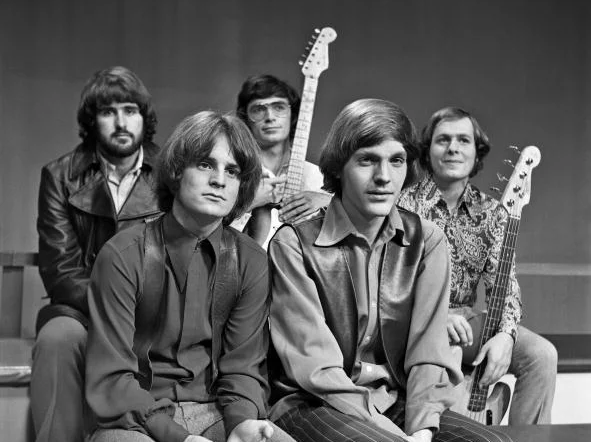
Few bands captured the soulful urgency of late 1960s pop quite like The Box Tops. Fronted by the remarkably deep and weathered voice of a teenage Alex Chilton, the Memphis group blended blue eyed soul, pop, rock, and Southern rhythm and blues into recordings that sounded far more mature than their years suggested. Their greatest songs were concise, emotionally direct, and packed with unforgettable hooks, often pairing Chilton’s gritty delivery with rich horns, keyboards, and polished studio arrangements. From the desperate momentum of “The Letter” to the aching beauty of “Cry Like a Baby” and the reflective charm of “Soul Deep”, The Box Tops created a distinctive sound that remains instantly recognizable. Their finest recordings continue to embody the restless energy, romantic longing, and soulful craftsmanship of one of pop music’s most adventurous eras.
1. The Letter
“The Letter” is the recording that permanently placed The Box Tops in the history of American popular music. Everything about the performance feels urgent. The song wastes virtually no time establishing its situation, immediately presenting a narrator desperate to reach the woman he loves after receiving a letter asking him to return. That simple premise becomes electrifying through the performance of Alex Chilton, whose astonishingly mature voice gives the recording an emotional weight far beyond what listeners might expect from such a young singer. His delivery is rough, impatient, soulful, and slightly exhausted, creating the impression that getting home is not merely desirable but absolutely necessary. The arrangement matches that urgency perfectly. Rhythm, guitar, organ, and carefully placed orchestral touches keep the song moving with relentless efficiency, while the famous airplane effects reinforce the central image without distracting from the vocal.
Part of the brilliance of “The Letter” is how little excess it contains. There are no unnecessary musical detours and no elaborate explanations of the relationship. The listener knows everything required within moments. A letter has arrived, love is calling, and transportation must be found immediately. The Box Tops turn that ordinary romantic situation into pure Memphis soul excitement. Chilton’s voice remains the defining ingredient. He sounds simultaneously vulnerable and commanding, stretching certain phrases while biting sharply into others. That mixture gives the song its remarkable physical presence. Even decades later, “The Letter” does not sound like a delicate museum piece from another era. It feels impatient and alive. The compact structure also demonstrates how disciplined great pop music can be. Every instrument contributes something, every vocal phrase pushes the story forward, and the song disappears before its energy has time to fade. For many listeners, it remains the essential Box Tops recording, a perfect fusion of pop economy, Southern soul atmosphere, and one of the most unforgettable young voices of the 1960s.
2. Cry Like a Baby
“Cry Like a Baby” captures The Box Tops at their most emotionally exposed, turning romantic loss into a performance filled with vulnerability, dramatic soul phrasing, and irresistible melodic hooks. Alex Chilton sings from the perspective of someone whose emotional defenses have collapsed completely. There is no attempt to appear detached or sophisticated. The narrator admits that heartbreak has reduced him to tears, and Chilton delivers that confession with a rawness that makes the sentiment convincing rather than sentimental. His voice is crucial to the song’s character. The famous grain and depth of his singing create the impression of someone carrying much more experience than his age would suggest. Against that vocal, the arrangement provides a rich Memphis atmosphere, using rhythm, keyboards, guitar, and carefully shaped backing parts to create a recording that feels both polished and deeply human.
The emotional power of “Cry Like a Baby” comes from its refusal to treat vulnerability as weakness. The narrator may be devastated, but the performance itself is forceful. Chilton turns emotional surrender into one of the band’s most commanding vocal moments. His phrasing contains small hesitations and bursts of intensity that make the pain feel immediate. The song also benefits from an unusually strong sense of groove. Even while the lyrics describe misery, the music remains buoyant and inviting, creating the fascinating contradiction that defines so much classic soul music. You can dance to the sound while sympathizing with the heartbreak. That balance helped make The Box Tops distinctive. Their finest recordings were accessible enough for pop audiences but rooted strongly enough in Southern rhythm and soul traditions to carry genuine grit. “Cry Like a Baby” remains one of the greatest demonstrations of that combination. It is catchy without sounding lightweight, emotional without becoming melodramatic, and polished without losing the rough character of Chilton’s extraordinary voice. Few breakup songs from the era communicate pain with such memorable musical warmth.
3. Soul Deep
“Soul Deep” finds The Box Tops embracing romance with a warmer and more celebratory spirit than many of their most famous recordings. Instead of desperation or heartbreak, the song revolves around the overwhelming depth of affection the narrator feels for another person. Alex Chilton delivers the sentiment with his characteristic combination of grit and control, giving what might otherwise have been a straightforward declaration of love an unmistakably soulful personality. His voice remains rugged, but there is tenderness underneath the surface. That contrast is one of the recording’s greatest pleasures. The arrangement surrounds him with bright rhythmic movement and polished instrumental accents, creating a sound that captures the sophisticated side of late 1960s Memphis pop while retaining enough earthy character to keep the performance grounded.
What makes “Soul Deep” especially memorable is its effortless momentum. The melody seems to roll naturally from one phrase into the next, and the chorus arrives with the satisfying inevitability of a truly strong pop hook. The Box Tops understood how to make emotional directness sound sophisticated. There is nothing complicated about the central message, yet the recording never feels simplistic because Chilton brings so much texture to the vocal. He can make a declaration of devotion sound slightly bruised, as though love has been learned through experience rather than imagined from a distance. The instrumental backing also contributes significantly to the song’s lasting appeal. There is a sense of movement in the rhythm that keeps the performance lively without rushing it, while the arrangement gives the chorus enough lift to make it instantly memorable. “Soul Deep” demonstrates why The Box Tops cannot be understood merely as a group that happened to produce one enormous hit. Their catalog contains numerous examples of beautifully constructed soul influenced pop, and this recording belongs among the finest. It is warm, melodic, concise, and powered by a voice that could make even the simplest romantic declaration sound completely lived in.
4. Neon Rainbow
“Neon Rainbow” shows a more atmospheric side of The Box Tops, surrounding Alex Chilton’s distinctive voice with imagery of city lights, restless movement, and the strange beauty of modern nightlife. The song feels noticeably different from the urgent romantic simplicity of “The Letter.” Instead of racing toward a destination, it pauses to observe an environment. Lights flash, people move through the city, and everything seems illuminated by artificial color. There is excitement in that setting, but also a subtle sense of loneliness. The brightness does not necessarily guarantee happiness. Chilton’s vocal captures that ambiguity beautifully. His voice remains grounded and soulful even as the lyrics describe a world filled with glowing signs and urban spectacle, creating a compelling tension between human warmth and electric surroundings.
The arrangement of “Neon Rainbow” is essential to its mood. Rather than relying entirely on a driving groove, the recording creates layers of color around the vocal, giving the song a slightly dreamy character. The Box Tops make the city sound seductive and strangely unreal at the same time. That quality gives the performance a cinematic feel, as though the listener is watching streets and storefronts pass through a car window after dark. Chilton never oversings the material. He allows the melody to carry the imagery while adding just enough roughness to prevent the recording from becoming overly polished. This restraint is particularly effective because the song itself is built around atmosphere rather than confrontation. “Neon Rainbow” also reveals the versatility of the group during their early period. They could produce tightly wound soul performances, but they could also move into more reflective pop territory without losing their identity. The song remains memorable because its imagery is so vivid. Long after the final note disappears, the listener can still imagine the glowing city described in the lyrics. That ability to create an entire visual environment within a compact pop recording makes “Neon Rainbow” one of the most distinctive pieces in The Box Tops catalog.
5. Choo Choo Train
“Choo Choo Train” is The Box Tops in full motion, combining the group’s Memphis soul instincts with a rhythmic concept perfectly suited to the image at the center of the song. The narrator wants to reach the person he loves, and the train becomes both literal transportation and a symbol of romantic urgency. From the opening moments, the arrangement creates a sense of forward movement. The rhythm seems to imitate the steady insistence of wheels on tracks, while Alex Chilton delivers the vocal with the familiar rasp that gave The Box Tops such an immediately recognizable sound. There is an appealing looseness to his performance. He never sounds as though he is carefully polishing each syllable. Instead, the words seem to tumble out because getting to his destination matters more than sounding elegant.
The train has always been one of the richest images in American popular music, particularly in blues, country, gospel, and rhythm and blues, and “Choo Choo Train” draws naturally from that tradition. Trains represent leaving, returning, escape, distance, and reunion, all ideas that fit comfortably within the emotional world of The Box Tops. Here, the train becomes an engine of longing. Chilton’s narrator does not want to contemplate romance from afar. He wants movement, arrival, and another chance to see the woman occupying his thoughts. The instrumental backing reinforces that eagerness without becoming cluttered. Guitar, percussion, and rhythmic accents keep the song moving briskly, while the vocal remains at the center. One of the great qualities of The Box Tops was their ability to make compact recordings feel larger than their running time. “Choo Choo Train” is a perfect example. The song creates a location, a destination, an emotional motive, and a strong rhythmic identity with remarkable efficiency. It is playful enough to feel immediately enjoyable, yet Chilton’s soulful delivery gives the romantic longing real weight. The result remains one of the group’s most energetic and enduring performances.
6. Sweet Cream Ladies, Forward March
“Sweet Cream Ladies, Forward March” is one of the more unusual recordings associated with The Box Tops, combining an irresistibly catchy pop structure with lyrics that reveal a more socially observant side of the group’s repertoire. The song focuses attention on women living at the edges of respectable society, approaching its characters with a mixture of wit, curiosity, sympathy, and theatrical flair. Alex Chilton’s voice once again provides the crucial element. His deep, rough delivery prevents the song from becoming merely whimsical. Even when the arrangement has a playful bounce, Chilton sounds grounded in the realities of the people being described. That contrast gives the recording a distinctive personality and separates it from simpler romantic pop songs of the period.
Musically, “Sweet Cream Ladies, Forward March” demonstrates how adventurous pop production could become while still remaining concise and accessible. The arrangement has a colorful, almost processional quality that suits the command suggested by the title. The music seems to move its characters through the song like figures in a small street parade. Yet beneath the entertaining surface is a sense that these women are being observed by a society that simultaneously uses, judges, and ignores them. Chilton does not turn the performance into heavy social commentary, which is part of why it works. The song leaves enough ambiguity for listeners to decide how much humor, sympathy, and criticism they hear within it. That complexity has helped the track retain interest beyond its catchy melody. It also reveals the broader musical world surrounding The Box Tops. The group could move from straightforward romance into material with stranger narratives and more colorful character studies while preserving their Memphis identity. “Sweet Cream Ladies, Forward March” may not possess the immediate universal recognition of “The Letter,” but it remains an essential example of the band’s willingness to explore unusual subject matter within polished soul influenced pop. Its combination of melody, personality, and social observation makes it one of their most fascinating recordings.
7. I Met Her in Church
“I Met Her in Church” gives The Box Tops an irresistible storytelling premise: a romantic encounter unfolding in a place associated with reverence, restraint, and moral seriousness. That setting immediately creates tension because Alex Chilton’s narrator is clearly interested in something more personal than worship. The contrast between sacred surroundings and earthly attraction gives the song much of its humor and charm. Chilton sings with an easy confidence that makes the story feel conversational, almost as though he is recounting the encounter to friends shortly after it happened. His voice remains wonderfully rough around the edges, adding a hint of mischief to the performance. The result is a song that feels distinctly Southern, not simply because of its musical textures but because church life and romantic social life historically overlapped so naturally within many communities.
The arrangement moves with a lively soul pulse, allowing the narrative to remain light without becoming trivial. Chilton’s vocal makes attraction sound spontaneous, amusing, and completely believable. He does not approach the situation with grand romantic language. Instead, the appeal comes from the directness of the encounter and the slightly cheeky way the story is told. That sense of personality distinguishes “I Met Her in Church” from countless generic love songs. The setting matters, the narrator’s attitude matters, and the small details give the song its identity. The Box Tops were particularly effective when their recordings sounded like miniature stories rather than abstract declarations. Here, the listener can immediately imagine the scene, the people involved, and the quiet possibility of scandal hiding beneath the respectable surroundings. Musically, the track also reinforces the group’s deep connection to Memphis soul, with rhythm and vocal phrasing carrying as much importance as melody. “I Met Her in Church” remains a delightful reminder that The Box Tops could be funny without turning into novelty performers. Their humor came from character, situation, and Alex Chilton’s wonderfully knowing delivery.
8. I Shall Be Released
“I Shall Be Released” allows The Box Tops to step away from romantic urgency and enter a far more reflective emotional space. The song is rooted in themes of imprisonment, hope, injustice, and the belief that liberation remains possible even when the present feels unbearable. In the hands of The Box Tops, those ideas acquire a distinctly soulful character. Alex Chilton’s voice is especially well suited to the material because it already carries a sense of weariness. He does not need elaborate vocal dramatics to suggest hardship. The grain in his tone gives the impression that the narrator has lived through disappointment and still possesses enough faith to imagine freedom. That balance between exhaustion and hope is essential to the song’s power.
The Box Tops approach the performance with restraint, allowing the melody and words to establish the emotional atmosphere. This is not the frantic Chilton heard on “The Letter,” nor the playful storyteller of “I Met Her in Church.” Here he sounds contemplative, almost spiritually burdened. The shift demonstrates how much range existed within his voice. Its roughness could express youthful desire, heartbreak, humor, anger, or solemn reflection depending on the material surrounding it. The arrangement gives the song a sense of space, allowing each phrase to settle before the next arrives. That patience is important because the central idea depends on belief rather than action. The narrator cannot force liberation immediately, but he can imagine it and hold onto the possibility that circumstances will eventually change. The Box Tops bring Southern soul warmth to that sense of waiting, making the performance feel less like an abstract philosophical statement and more like a deeply personal act of endurance. “I Shall Be Released” stands as one of the most emotionally mature recordings in the group’s catalog and a reminder that their artistry extended well beyond bright, compact radio singles.
9. Turn on a Dream
“Turn on a Dream” captures The Box Tops in a more polished and atmospheric mode, using the idea of dreaming as an escape from disappointment and emotional uncertainty. The song has a gentle romantic quality, but beneath that softness is the familiar sense of longing that appears throughout so much of the group’s music. Alex Chilton’s voice again provides the fascinating contrast. The arrangement invites the listener into something dreamy and graceful, while Chilton remains earthy, rough, and unmistakably human. That combination keeps the song from floating away into decorative pop. His vocal suggests that dreaming matters precisely because reality has not delivered everything the narrator wants.
The melodic construction gives “Turn on a Dream” an almost cinematic quality. Rather than hitting the listener with the immediate urgency of The Box Tops’ biggest early hits, the song unfolds more patiently. It feels like the musical equivalent of allowing ordinary surroundings to dissolve into imagination. The phrase at the center of the song is particularly effective because it treats dreaming almost like switching on a light or a radio. Fantasy becomes something available when reality grows disappointing. Chilton’s performance prevents that concept from sounding childish. His weathered voice adds emotional history, suggesting that the narrator knows perfectly well that dreams are temporary but values them anyway. The recording also demonstrates the continuing evolution of The Box Tops as their music moved deeper into the late 1960s. Their sound could still be direct and soulful, yet arrangements were becoming increasingly spacious and sophisticated. “Turn on a Dream” benefits from that development. It retains the melodic accessibility that defined the group’s best work while creating a softer, more reflective atmosphere. The result is a song that rewards listeners who explore beyond the obvious hits, revealing another dimension of Alex Chilton’s remarkable early career and the band’s stylistic versatility.
10. The Door You Closed to Me
“The Door You Closed to Me” is an excellent example of the emotional depth hidden throughout The Box Tops catalog beyond their biggest chart favorites. The title immediately establishes an image of rejection, but the song develops that image into something richer than a simple breakup lament. A closed door represents separation, exclusion, and the painful realization that access to another person’s life has been withdrawn. Alex Chilton approaches the material with the bruised intensity that made him such a compelling interpreter of heartbreak. His voice sounds too rough to be innocent and too vulnerable to be completely hardened, placing the narrator in a fascinating emotional space between resignation and lingering hope.
The arrangement supports that mood without overwhelming it. The instrumental backing carries the warm Southern soul character associated with The Box Tops, but the performance remains focused on Chilton’s vocal. He makes rejection sound physical, as though the distance described in the song has become an actual barrier standing in front of him. That ability to embody an emotion was one of his greatest strengths. Chilton did not simply sing the words assigned to a melody. At his best, he made listeners believe that the situation was unfolding while the tape was running. “The Door You Closed to Me” benefits enormously from that gift. There is frustration in the performance, but also tenderness and the stubborn desire to understand what went wrong. The song therefore feels emotionally recognizable even for listeners unfamiliar with the circumstances behind its creation. Anyone who has experienced sudden distance from someone once close can understand the image at its center. The recording also confirms the remarkable consistency of The Box Tops during their original run. Even songs outside the handful universally recognized by casual listeners frequently contained strong melodies, sophisticated Memphis arrangements, and exceptional vocals. “The Door You Closed to Me” deserves rediscovery as one of the band’s most affecting portraits of romantic separation.

Samuel Moore is a frequent contributor to Singers Room. Since 2005, Singersroom has been the voice of R&B around the world. Connect with us via social media below.
Source link
