
Pop/Hip Hop/R&B
10 Best Chubby Checker Songs of All Time
Aug
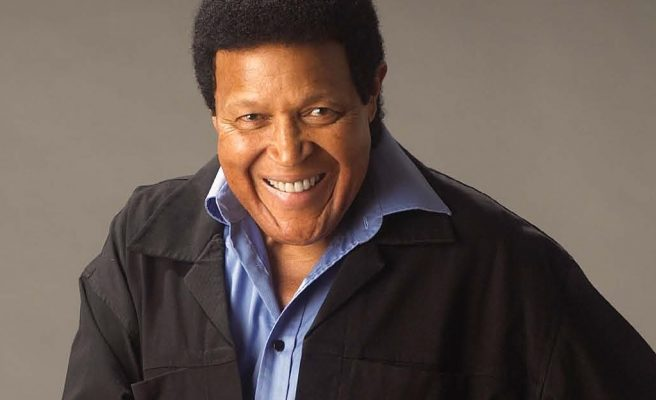
Few performers are as closely associated with a single dance craze as Chubby Checker, yet his influence reaches far beyond one unforgettable hit. With his energetic voice, charismatic stage presence, and instinct for turning rhythm into movement, Checker became one of the defining entertainers of the early 1960s. His explosive recording of “The Twist” helped transform popular dancing, encouraging people to break away from traditional partner steps and move with a new sense of freedom. Songs such as “Pony Time,” “Slow Twistin’,” and “Limbo Rock” kept dance floors packed while showcasing his playful personality and infectious enthusiasm. Chubby Checker’s greatest recordings capture an era when rock and roll, rhythm and blues, and teenage dance culture collided, creating music that remains exuberant, nostalgic, and almost impossible to hear without moving.
1. The Twist
“The Twist” is more than Chubby Checker’s signature recording. It is one of those rare popular songs that altered the way audiences physically responded to music. Checker took a song written by Hank Ballard and turned it into the center of an international dance phenomenon, bringing an uncomplicated movement to teenagers, adults, television audiences, parties, and dance floors everywhere. The genius of the Twist was its accessibility. Partners did not need intricate choreography or even constant physical contact. They could simply face one another, feel the rhythm, and move. Checker became the ideal ambassador for that freedom because his performance carried enthusiasm without making the dance seem intimidating.
Musically, the recording is wonderfully direct. The beat has a springy rhythm and blues pulse, while guitar, saxophone, drums, and hand claps create a setting that seems designed to make remaining still nearly impossible. Checker’s vocal is bright, commanding, and playful. He does not merely sing the song. He sounds as though he is leading a room full of people through the movement, encouraging everyone to join before they have time to become self conscious.
Its enduring appeal also comes from the simplicity of the concept. There is no complicated story competing with the groove. The song revolves around movement, excitement, and participation. That clarity helped “The Twist” cross boundaries that many rock and roll recordings of the period could not.
“The Twist” ultimately became inseparable from Chubby Checker himself. Few performers have been identified so completely with a dance, yet the association remains deserved. His recording captures a moment when popular music stopped being something people merely listened to and became an invitation to move in an entirely new way.
2. Let’s Twist Again
“Let’s Twist Again” accomplished something that could easily have seemed impossible. After Chubby Checker had already helped turn the Twist into a national sensation, this exuberant follow up managed to capture the excitement all over again. Rather than attempting to reinvent the formula completely, the song embraces nostalgia almost immediately, inviting listeners to return to a dance and a feeling they already loved. That sense of joyful recognition gives the recording its personality. Checker sounds less like someone introducing a new fad and more like the host of a reunion where everyone already knows what to do.
The rhythm is crisp, buoyant, and relentlessly cheerful. Hand claps, drums, guitar, and saxophone accents support a vocal performance filled with infectious enthusiasm. Checker understands exactly how to project excitement without sounding forced. His phrasing has the character of a dance instructor, master of ceremonies, and rock and roll singer all at once. Each vocal invitation seems addressed directly to the listener.
What makes “Let’s Twist Again” particularly memorable is the way it turns a recent craze into instant nostalgia. The song looks backward while remaining completely alive in the present. That is a difficult balance, but Checker handles it naturally. The memories become another reason to start dancing rather than an excuse to become sentimental.
The recording also demonstrates why Checker remained important after “The Twist” became a phenomenon. His appeal was not based entirely on one dance step. He possessed charisma, rhythmic instinct, and a remarkable ability to make group participation feel effortless.
“Let’s Twist Again” remains one of the great party records of its era. Its message could hardly be simpler, but simplicity is precisely its strength. The song asks listeners to remember how much fun they had and then immediately gives them the perfect opportunity to experience that fun again.
3. Limbo Rock
“Limbo Rock” proved that Chubby Checker was capable of attaching his exuberant personality to more than one dance craze. Where the Twist centered on personal movement and rhythmic freedom, the limbo introduced an entirely different kind of participation. The familiar challenge of bending backward and passing beneath a gradually lowered bar gave parties a competitive element, and Checker’s performance turns that physical challenge into an irresistible musical game.
The arrangement has an immediately festive character. Percussion creates a bouncing tropical atmosphere while guitar and other rhythmic accents maintain the straightforward rock and roll energy that suited Checker so well. His vocal functions almost like a set of cheerful instructions. He encourages dancers, establishes the mood, and makes the entire experience sound easy even though anyone who has attempted the limbo knows that the dance becomes considerably more difficult as the bar moves closer to the floor.
Checker’s greatest strength on recordings like this was his ability to eliminate the distance between performer and audience. He rarely sounds as though he is standing on a stage while everyone else simply watches. Instead, he makes listeners feel like participants. “Limbo Rock” depends upon that connection because the song truly comes alive when people respond physically to it.
There is also something wonderfully uncomplicated about the recording. It does not require a dramatic narrative or emotional confession. The pleasure comes from rhythm, movement, laughter, and the suspense of seeing how low somebody can go.
“Limbo Rock” remains one of Chubby Checker’s most recognizable songs because it captures his special relationship with dance culture. He understood that a hit record could become more than something played from a speaker. In the right hands, it could create an activity, a competition, and a shared memory for everyone in the room.
4. Pony Time
“Pony Time” is a perfect example of how Chubby Checker became the dominant musical guide to the great dance crazes of the early 1960s. Written by Don Covay and John Berry, the song gives Checker another rhythm built around physical movement, but it has a personality distinct from the Twist. The Pony relies on bouncing steps and rhythmic shifts that match the playful character of the recording. Checker attacks the song with tremendous confidence, sounding completely at home in music designed to turn instructions into entertainment.
The groove is compact and energetic. Drums establish a firm dance pulse while guitar, saxophone, and vocal responses create the feeling of a lively room already in motion. Checker’s lead vocal is especially effective because he combines rhythmic precision with an almost conversational excitement. He seems to be demonstrating the dance through sound alone, giving the listener enough information to imagine the movement even without seeing him perform.
What separates “Pony Time” from a disposable novelty is the strength of the performance. Checker understands that dance records require personality. A rhythm might attract attention, but the singer has to convince people that joining the craze will be fun. His enthusiasm never feels detached or overly rehearsed. He sounds genuinely delighted by the communal energy surrounding the music.
The recording also reflects an era when individual dances could spread through television appearances, record shops, school events, clubs, and teenage parties with remarkable speed. Checker became one of the most recognizable figures within that culture because audiences trusted him to deliver the next movement worth learning.
“Pony Time” remains an essential part of his catalog because it confirms that his success was never confined to a single phenomenon. Checker could hear the potential in a dance rhythm, give it character, and make millions of listeners feel as though the party had already started.
5. Slow Twistin’
“Slow Twistin’” takes the dance that made Chubby Checker famous and gives it a smoother, more relaxed personality. Recorded with Dee Dee Sharp, the song demonstrates that the Twist did not always need to arrive at maximum speed. By reducing the urgency and emphasizing a steadier groove, the recording creates a flirtier atmosphere that gives the singers more space to interact. The result is a dance record with genuine vocal chemistry at its center.
Checker sounds confident and playful, while Sharp provides an ideal contrast. Their voices create the feeling of a conversation taking place directly on the dance floor. Instead of presenting instructions from a distance, the two singers seem to inhabit the movement together. That interaction gives the performance warmth and helps distinguish it from the numerous dance records that appeared during the same period.
The instrumental backing is deliberately uncluttered. The rhythm section maintains the essential twisting pulse, but the tempo allows individual accents to register more clearly. Saxophone, percussion, and guitar contribute to an arrangement that feels relaxed without becoming sleepy. The groove remains physical from beginning to end.
Another appealing quality is the song’s understanding that familiar ideas can remain fresh when their mood changes. Checker did not need to abandon the Twist immediately. Instead, “Slow Twistin’” examines what happens when the same dance acquires a different emotional temperature. The movement becomes less frantic and more intimate.
“Slow Twistin’” therefore represents more than another entry in Checker’s enormous collection of dance songs. It reveals his versatility within the style that defined his career. By combining his charismatic delivery with Dee Dee Sharp’s vibrant presence and a relaxed rhythmic setting, the recording turns a familiar craze into something smooth, charming, and unmistakably inviting.
6. Dancin’ Party
“Dancin’ Party” may be one of the purest expressions of Chubby Checker’s fundamental musical purpose. Everything about the recording is aimed at transforming a room into a celebration. The title promises exactly what the song delivers, and Checker approaches the performance with the confidence of an entertainer who understands that getting people onto the dance floor is not merely part of the job. It is the entire reason the music exists.
The arrangement moves with bright, uncomplicated momentum. A steady beat provides the foundation while guitar, saxophone, percussion, and vocal responses create a sense of continuous activity. Checker sings with the unmistakable enthusiasm that made him such an effective television performer and dance craze figure. He never sounds detached from the excitement he is describing. His voice suggests that he is already in the middle of the crowd, encouraging everyone around him to keep moving.
Unlike songs built around one highly specific dance, “Dancin’ Party” celebrates the broader experience of communal movement. That makes it especially effective as a party record. The precise steps matter less than the willingness to participate. Checker’s personality carries the track because he makes inclusion part of the performance. There is always room for another dancer.
The recording also captures the youthful social energy of early 1960s popular music. Dancing was not merely a response to records. It was a major part of how songs were experienced, promoted, remembered, and shared. Checker understood this relationship better than almost any performer of his generation.
“Dancin’ Party” remains a delightful reminder that great dance music does not always need complexity. It needs rhythm, personality, memorable hooks, and the ability to make people forget about standing still. Checker supplies all of those qualities with effortless charm, creating a song that feels like a celebration from its opening moments.
7. The Fly
“The Fly” continued Chubby Checker’s remarkable run as one of popular music’s most dependable interpreters of dance crazes. By the time the song appeared, audiences already understood what a new Checker single might mean. It could introduce a movement, provide instructions, and turn an ordinary gathering into an opportunity to try something new. “The Fly” embraces that expectation with a rhythm that is playful, physical, and perfectly suited to Checker’s animated delivery.
The recording possesses a slightly tougher rhythmic character than some of his most cheerful hits. The beat remains accessible, but there is enough grit in the instrumental backing to give the song a distinctive personality. Guitar, drums, saxophone, and vocal accents work together in short, punchy phrases. Checker rides over the groove with tremendous assurance, making every command sound less like a lesson and more like a challenge to join the fun.
His performance once again demonstrates how important charisma was to the dance record formula. Written instructions alone could never create a craze. The singer had to make the movement sound exciting before listeners even attempted it. Checker excels at that task because his voice carries motion. The rhythm seems to enter his phrasing, making it easy to imagine the physical gestures associated with the song.
“The Fly” also illustrates the extraordinary speed with which dance culture evolved during Checker’s peak years. One movement could be followed quickly by another, yet his personality provided continuity. Audiences might encounter a different dance, but the familiar voice made the experience immediately welcoming.
“The Fly” remains an important recording because it captures Checker working confidently inside the musical world he helped define. It is energetic, humorous, rhythmically sharp, and completely devoted to movement. Even without knowing the original dance steps, listeners can still feel exactly what the record is asking them to do.
8. Twistin’ U.S.A.
“Twistin’ U.S.A.” takes the dance most closely associated with Chubby Checker and expands it into a celebration of national participation. Instead of focusing only on the mechanics of twisting, the song imagines the craze spreading from place to place until the entire country seems to be moving together. That concept perfectly reflects the cultural reach Checker achieved during the height of Twist mania. What began as a dance became a shared language of popular entertainment.
The song moves with an uncomplicated rock and roll pulse designed to maintain constant momentum. Drums, guitar, saxophone, and rhythmic vocal accents create a foundation that feels immediately familiar to anyone who knows Checker’s classic recordings. His voice brings the essential ingredient. Checker performs with the enthusiasm of someone reporting exciting news from every corner of the country, turning geography itself into part of the celebration.
One of the pleasures of “Twistin’ U.S.A.” is its communal spirit. The Twist had already broken with older styles of partner dancing by allowing individuals greater freedom of movement. This recording takes that independence and transforms it into a collective experience. Everyone may be dancing separately, but everyone is still participating in the same phenomenon.
The song also illustrates how effectively Checker and his collaborators could extend a successful musical idea without merely repeating an earlier recording. The central dance remains familiar, yet the framing is different. The emphasis shifts from learning the movement to recognizing just how widely it has spread.
“Twistin’ U.S.A.” remains a fascinating snapshot of the moment when the Twist became more than a hit associated with one performer. It had become a genuine cultural event. Checker sounds completely at ease as the voice of that movement, celebrating a country connected by records, television, teenage excitement, and an irresistible urge to twist.
9. Loddy Lo
“Loddy Lo” shows a slightly different side of Chubby Checker’s appeal while preserving the rhythmic buoyancy that made him such a natural figure in early 1960s pop. The song relies heavily on a catchy vocal refrain, giving Checker an opportunity to demonstrate how effectively he could turn simple phrases into memorable hooks. Rather than depending entirely upon the name of a specific dance, the recording builds its charm through repetition, melody, and his unmistakably upbeat personality.
The arrangement has a light, festive quality. Percussion keeps the rhythm lively while guitar and other instrumental accents provide enough movement to maintain the dance oriented character of Checker’s best known work. The vocal refrain is the element most likely to remain in the listener’s memory. Checker understands how to deliver repetition without allowing it to become dull. Each return feels like another invitation to join in.
That participatory quality is crucial. Checker’s records frequently succeed because they blur the distinction between lead singer and audience. A listener does not need an exceptional voice to respond to a repeated phrase, clap along, or move with the beat. “Loddy Lo” uses that accessibility as a strength. The song becomes more enjoyable when imagined as something shared by a room full of people.
There is also an easygoing quality in Checker’s performance that separates it from the more intense rock and roll singing of the period. He is not trying to overwhelm the arrangement with vocal power. His goal is connection, and his relaxed confidence keeps the track warm and approachable.
“Loddy Lo” deserves its place among Chubby Checker’s memorable recordings because it reveals how much of his success depended on personality rather than novelty alone. He could take a straightforward melodic idea, fill it with rhythmic life, and make it feel like part of a celebration. That ability remains one of the defining qualities of his classic catalog.
10. Popeye the Hitchhiker
“Popeye the Hitchhiker” captures Chubby Checker during a remarkable period when new dances, colorful characters, and catchy rock and roll records seemed capable of appearing almost constantly. The song combines novelty with a firm rhythmic pulse, giving Checker another opportunity to turn a playful idea into something designed for immediate physical participation. Its title alone has the vivid quality of early 1960s dance culture, when a memorable name could help a new movement travel rapidly from records to television programs and then onto local dance floors.
Checker performs the song with his characteristic mixture of enthusiasm and control. He never treats the material as though it is beneath him simply because the concept is playful. That sincerity is essential. The best dance craze records succeed when the performer commits completely to the experience, and Checker sounds fully invested from the first phrase. His vocal becomes the energetic center around which the rhythm operates.
The backing is concise and highly functional. Drums provide a clear pulse while guitar, saxophone, and supporting accents keep the arrangement animated. There is little wasted motion. Every instrumental choice supports either the groove or the playful character of the performance. That economy was one of the strengths of many great dance records from the period.
“Popeye the Hitchhiker” also highlights Checker’s extraordinary association with movement itself. By this point, listeners encountering his name could reasonably expect a recording that asked them to do something rather than merely listen. His songs were invitations to participate.
“Popeye the Hitchhiker” may not possess the enormous historical stature of “The Twist,” but it remains a valuable example of the exuberant world Checker helped create. It is playful, rhythmic, unpretentious, and full of the communal energy that made his classic dance records such memorable pieces of American pop culture.

Edward Tomlin is a frequent contributor to Singers Room. Since 2005, Singersroom has been the voice of R&B around the world. Connect with us via social media below.
Source link
