
Pop/Hip Hop/R&B
10 Best The Moody Blues Songs of All Time
Aug
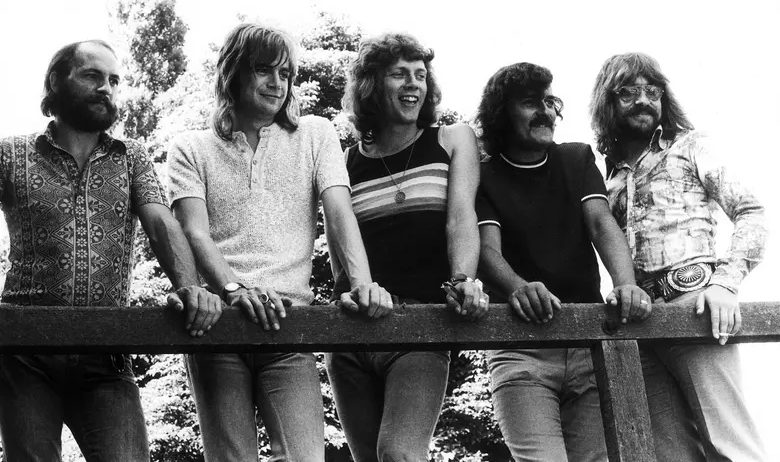
Few bands captured the dreamy possibilities of rock quite like The Moody Blues. Blending lush orchestration, poetic lyrics, rich vocal harmonies, and the atmospheric sound of the Mellotron, the British group helped push popular music toward the ambitious territory of progressive and symphonic rock. Songs such as “Nights in White Satin,” “Tuesday Afternoon,” and “Question” transformed ordinary reflections on love, time, longing, and existence into sweeping musical experiences. With distinctive voices from Justin Hayward, John Lodge, Ray Thomas, Mike Pinder, and Graeme Edge, the band created albums that rewarded listeners as complete journeys while still producing unforgettable individual songs. Their finest recordings balance melody with experimentation, giving The Moody Blues a timeless sound that remains romantic, mysterious, and instantly recognizable generations after their classic era began.
1. Nights in White Satin
“Nights in White Satin” is the song that most completely defines the dreamlike grandeur of The Moody Blues. Written and sung by Justin Hayward, it emerged from the Days of Future Passed period, when the group was exploring a far more atmospheric language than the rhythm and blues sound of its earliest recordings. The performance surrounds Hayward with Mellotron textures, orchestral color, restrained rhythm, and a melody that seems to float somewhere between pop song and nocturnal reverie.
What makes the recording so powerful is the emotional directness beneath all that sonic beauty. Hayward sings about love with a mixture of longing, uncertainty, and surrender. His voice never feels overstated. Instead, he allows the melody to carry much of the ache, giving the words a private quality even as the arrangement expands around him. Mike Pinder’s Mellotron is especially important to the atmosphere, creating the sweeping stringlike sound that became one of the band’s signatures.
The song also demonstrates the unusual balance that made The Moody Blues so distinctive. They could be philosophical without losing melody, ornate without becoming cluttered, and romantic without slipping into sentimentality. The music moves patiently, rewarding listeners who surrender to its gradual development rather than waiting for a conventional rock climax.
“Nights in White Satin” has endured because it feels almost suspended outside its original era. Its combination of melancholy, orchestral scale, poetic language, and deeply human vulnerability still sounds singular. For many listeners, it is not merely the band’s most famous recording. It is the doorway into the entire Moody Blues universe, a place where rock music, classical color, poetry, and introspection meet with extraordinary grace.
2. Tuesday Afternoon
“Tuesday Afternoon” captures The Moody Blues at their most pastoral and quietly psychedelic. The song is closely associated with Days of Future Passed, the ambitious work that helped establish the band’s mature identity, and Justin Hayward’s vocal gives it a wonderfully reflective character. Rather than treating an ordinary afternoon as something mundane, the group turns it into a miniature meditation on perception, nature, and the strange clarity that can arrive when daily life briefly slows down.
The arrangement is central to the song’s charm. Acoustic and electric textures mingle with Mellotron and orchestral color, creating an atmosphere that feels spacious without becoming vague. Hayward’s melody rises naturally, and the band’s harmonies add warmth while preserving the slightly mysterious mood. The rhythm is gentle but purposeful, carrying the listener forward as though through changing light.
There is an important sense of observation in the performance. The song does not depend upon a dramatic plot. Its subject is closer to a state of mind. Hayward notices the world around him and seems to discover that familiar surroundings can suddenly feel new. That quality gives the track much of its psychedelic character without requiring excessive studio effects. The altered perspective comes primarily from melody, imagery, and arrangement.
“Tuesday Afternoon” also reveals why The Moody Blues were so effective at connecting progressive ideas with memorable songwriting. The music is sophisticated, yet the central tune is immediate enough to stay with the listener after a single hearing. Instead of choosing between experimentation and accessibility, the band found a way to make each strengthen the other.
Decades later, the song still evokes a particular kind of peaceful wonder. It sounds like sunlight filtered through memory, gentle on the surface but filled with deeper questions underneath.
3. Question
“Question” is one of the most dynamic recordings in The Moody Blues catalog, combining urgent acoustic guitar, philosophical unease, dramatic contrasts, and a soaring Justin Hayward vocal. The song emerged during a period when the band was increasingly comfortable building ambitious ideas without relying on full orchestral accompaniment. Its structure feels restless by design, moving between fast, insistent passages and slower sections that sound almost like private reflection.
The opening is immediately gripping. Strummed guitar creates a relentless pulse while Hayward sings with unusual force. His delivery carries frustration and searching curiosity, as though the questions in the lyric cannot remain abstract. They demand answers. Yet the song does not stay at one emotional temperature. When the arrangement relaxes, the mood becomes tender and contemplative, revealing another side of the same uncertainty.
That contrast is the key to the recording. The faster passages express agitation, while the slower material suggests yearning for peace, love, and understanding. Instead of smoothing those emotions into a conventional verse and chorus pattern, The Moody Blues allow them to collide. The result feels closer to an internal argument set to music.
Hayward’s voice is especially impressive because he adapts to each shift without losing continuity. He can sound urgent one moment and vulnerable the next. The group harmonies broaden the emotional scale, while the instrumental arrangement maintains clarity even as the song changes direction.
“Question” remains compelling because its concerns are larger than the period that produced it. The desire to understand conflict, purpose, love, and human behavior does not belong to a single generation. The Moody Blues turned that search into one of their most memorable performances, proving that thoughtful rock music could be both intellectually restless and immediately melodic.
4. Your Wildest Dreams
“Your Wildest Dreams” brought The Moody Blues to a new generation without requiring the band to abandon the romantic introspection that had defined its classic work. Written by Justin Hayward, the song appeared during the band’s successful 1980s period and wrapped his familiar reflective songwriting in sleek contemporary production. The official music video became an important part of the song’s identity, reinforcing its themes of memory, lost love, and wondering what became of someone who once seemed central to life.
The melody is immediately inviting. Hayward sings with a gentle wistfulness rather than overwhelming regret, which gives the song emotional complexity. He is not simply mourning a relationship. He is looking backward from a distance, curious about whether the other person remembers the same moments and whether those memories still carry meaning.
Musically, the recording shows how adaptable The Moody Blues could be. Synthesizers and polished drums place it firmly within the sound of its era, yet Hayward’s voice and the band’s melodic sensibility remain unmistakable. The production is brighter and more streamlined than the Mellotron rich recordings of the late 1960s, but the emotional world is remarkably consistent. Time, memory, longing, and the mystery of connection are still at the center.
The chorus is one of the group’s most effortlessly memorable. Its emotional power comes from restraint. Hayward does not demand an answer from the person he remembers. He simply wonders, and that uncertainty is more moving than a dramatic confrontation would have been.
“Your Wildest Dreams” endures because nearly everyone understands the experience it describes. People disappear from our daily lives but continue existing in memory. The Moody Blues turned that universal feeling into polished, graceful pop without sacrificing the thoughtful character that made the band unique.
5. Ride My See Saw
“Ride My See Saw” is one of the most energetic songs The Moody Blues ever recorded, driven by John Lodge’s songwriting and a muscular ensemble performance that contrasts beautifully with the band’s more meditative reputation. Associated with In Search of the Lost Chord, the track reveals how hard the group could rock when it chose to. Guitars, bass, drums, and layered vocals surge together with a sense of momentum that makes the song a natural concert favorite.
The rhythm is the immediate attraction. Graeme Edge’s drumming pushes the music forward while Lodge’s bass gives the arrangement weight and motion. The guitars add brightness and bite, creating a sound that feels urgent without becoming chaotic. Even with all that energy, the vocal harmonies remain unmistakably Moody Blues. The group had a remarkable ability to place thoughtful, almost mystical ideas inside songs that moved with considerable physical force.
The title image is deceptively playful. A see saw suggests constant movement between opposing positions, and the song uses that feeling to explore instability, experience, and the search for direction. The music itself mirrors the idea through its driving pulse and repeated returns, creating the sensation of being carried through cycles of effort and release.
One reason “Ride My See Saw” remains so effective is that it shows the band refusing to fit neatly into the stereotype of gentle symphonic rock. The Moody Blues could create delicate atmosphere, but they also possessed a strong rhythm section and genuine rock power. Here, those qualities are placed at the center.
The result is exhilarating. The song feels communal, especially when the harmonies open up, yet it never loses its forward drive. It remains a perfect demonstration of how the band could combine philosophical suggestion with direct, energetic rock and roll excitement.
6. I’m Just a Singer in a Rock and Roll Band
“I’m Just a Singer in a Rock and Roll Band” is one of The Moody Blues’ most forceful statements, with John Lodge turning the spotlight toward the relationship between musicians, audiences, fame, and the enormous expectations often placed upon popular artists. The song belongs to the Seventh Sojourn era and carries a harder edge than many listeners might expect from a group famous for lush harmonies and philosophical atmosphere. The performance is urgent, rhythmically dense, and filled with collective vocal power.
The central idea is fascinating because it pushes against the tendency to treat musicians as prophets or political authorities. The title sounds modest, but the song itself is anything but timid. Lodge delivers the message with conviction, while the band creates a turbulent backdrop of guitars, keyboards, bass, drums, and voices. The arrangement feels almost like a public debate transformed into rock music.
There is also a wonderful tension between the lyric and the band’s reputation. The Moody Blues had spent years exploring questions about consciousness, society, spirituality, love, and human purpose. Listeners naturally attached larger meanings to their music. This song acknowledges that situation while reminding the audience that performers remain human beings rather than all knowing guides.
The instrumental attack is particularly impressive. The rhythm section never settles into passive accompaniment. It pushes constantly, giving the recording a sense of impatience that suits the subject. Group harmonies widen the chorus, making the message sound communal rather than purely personal.
“I’m Just a Singer in a Rock and Roll Band” remains memorable because it is both self aware and genuinely exciting. It questions the cultural role of the rock star while demonstrating exactly why audiences were drawn to The Moody Blues in the first place. The band could think deeply and still deliver a performance with tremendous physical impact.
7. The Story in Your Eyes
“The Story in Your Eyes” is a compact burst of melodic rock that demonstrates Justin Hayward’s exceptional ability to combine introspective writing with immediate guitar driven energy. The song is associated with Every Good Boy Deserves Favour, and its sound is notably direct. Rather than beginning with a long atmospheric introduction, the band gets quickly to the heart of the performance, using bright guitar, firm rhythm, and urgent vocals to create momentum.
Hayward’s guitar work gives the track much of its character. The tone has enough bite to distinguish the song from the softer side of The Moody Blues, but melody remains central. His vocal carries a familiar mixture of hope and apprehension. Even when the music sounds energetic, there is always a deeper emotional question moving beneath the surface.
The lyric considers love and human connection against a world that can feel uncertain and unstable. That contrast is a recurring strength in the band’s work. Personal affection is rarely presented in isolation. It exists inside larger concerns about time, change, fear, and the direction of humanity. Here, those ideas are compressed into a song that remains remarkably accessible.
The group harmonies are another highlight. The Moody Blues could make several voices sound almost orchestral, and the backing parts give the chorus a breadth that balances the sharper guitar textures. The rhythm section keeps everything moving, preventing the philosophical undertones from weighing the song down.
“The Story in Your Eyes” is especially satisfying because it proves that progressive ambition does not require excessive length. The band condenses its recognizable qualities into a focused rock song: poetic thought, emotional uncertainty, strong melody, layered vocals, and expressive guitar. It is concise, powerful, and unmistakably theirs, making it one of the most rewarding entry points into the group’s early 1970s catalog.
8. I Know You’re Out There Somewhere
“I Know You’re Out There Somewhere” is one of the most heartfelt songs from the later career of The Moody Blues, with Justin Hayward revisiting themes of distance, memory, and enduring connection. Released during the Sur la Mer period, it follows naturally from the emotional world of “Your Wildest Dreams.” The production reflects the polished sound of the late 1980s, but the song’s emotional center belongs unmistakably to the same writer who had been exploring love and longing for decades.
Hayward sings with quiet determination. The central feeling is not merely nostalgia. It is belief. The narrator remains convinced that a meaningful connection still exists somewhere beyond present circumstances, and that conviction gives the song an uplifting quality even when the subject involves separation.
The arrangement supports that emotional balance beautifully. Synthesizers, guitars, percussion, and layered vocals create a broad, polished sound, but the melody remains the focus. Hayward’s voice is clear and expressive, carrying a sense of maturity that suits the lyric. Rather than trying to recreate the band’s 1960s sound, The Moody Blues embrace contemporary production while preserving their melodic identity.
That adaptability is one of the song’s great strengths. Many groups associated with an earlier era struggled when production styles changed. The Moody Blues found ways to translate their emotional vocabulary into newer textures. Their fascination with time and memory actually became more resonant as the members and their audience grew older.
“I Know You’re Out There Somewhere” works because its sentiment is simple without being shallow. Most people have wondered about someone no longer present in their daily lives. Hayward turns that feeling into a hopeful search rather than a mournful farewell. The result is warm, melodic, and deeply human, showing that the band’s gift for romantic reflection remained powerful well beyond its classic era.
9. Isn’t Life Strange
“Isn’t Life Strange” is one of John Lodge’s most ambitious and emotionally expansive compositions for The Moody Blues. Appearing during the Seventh Sojourn period, the song unfolds with stately patience, allowing melody, harmony, and orchestral sounding keyboard textures to create a sense of grandeur. It is not a track that depends upon speed or obvious hooks. Instead, its power comes from accumulation, with each section deepening the reflective atmosphere.
The title itself could almost serve as a summary of the band’s broader artistic concerns. The Moody Blues repeatedly returned to questions about time, consciousness, love, mortality, and the strange unpredictability of human experience. Lodge approaches those ideas here with a sense of wonder rather than cynicism. Life may be confusing and unstable, but the music suggests that mystery can also be beautiful.
The vocal arrangement is particularly effective. Lodge’s lead is supported by the group’s rich harmonies, giving certain passages an almost hymnlike quality. Keyboards provide a broad foundation while guitar, bass, and drums add weight without disturbing the song’s measured pace. The band understands that dramatic music does not always require loudness. Sometimes grandeur comes from allowing chords and voices enough time to resonate.
There is also a strong romantic current running through the composition. Personal relationships become part of a larger meditation on change and meaning. That combination of intimate feeling and philosophical scale is quintessential Moody Blues.
“Isn’t Life Strange” rewards repeated listening because its beauty is not based on a single spectacular moment. The entire arrangement works as a gradual emotional ascent. It represents the band’s symphonic instincts at their most mature, blending rock instrumentation with a spacious, almost devotional sense of drama. The result is thoughtful, majestic, and deeply characteristic of The Moody Blues at their early 1970s peak.
10. Go Now
“Go Now” occupies a unique place in the history of The Moody Blues because it belongs to the band’s earliest identity, before the elaborate psychedelic and symphonic sound that later made the group famous. With Denny Laine delivering the lead vocal, the performance is rooted much more strongly in soul, rhythm and blues, and British beat music. That difference makes the song fascinating. It sounds unlike the classic Justin Hayward and John Lodge era, yet it reveals the emotional intensity and vocal strength that were present from the beginning.
Laine’s performance is the heart of the recording. He sings with a raw ache that suits the song’s message of separation. Rather than approaching heartbreak with elegant distance, he sounds caught directly inside the moment. His voice rises from restrained pleading into more forceful passages, giving the performance a sense of emotional escalation.
The piano is equally important. Its repeated figures give the song a gospel and soul flavor, while drums, bass, and backing vocals create a sturdy foundation. The arrangement is relatively straightforward compared with the layered productions the band would explore later, but that simplicity works in its favor. Everything points toward the vocal.
For listeners who know The Moody Blues primarily through “Nights in White Satin” or “Tuesday Afternoon,” this recording can be startling. It documents a group still connected to the rhythm and blues boom that shaped many British bands of the period. Soon afterward, personnel changes and new creative ambitions would transform their sound dramatically.
“Go Now” remains essential because it captures an important chapter rather than a preliminary footnote. The performance is emotionally immediate, melodically strong, and beautifully sung. It proves that before The Moody Blues became masters of cosmic atmosphere and symphonic rock, they were already capable of making deeply affecting popular music.

Samuel Moore is a frequent contributor to Singers Room. Since 2005, Singersroom has been the voice of R&B around the world. Connect with us via social media below.
Source link
