
Pop/Hip Hop/R&B
10 Best Usher Songs of All Time
Aug
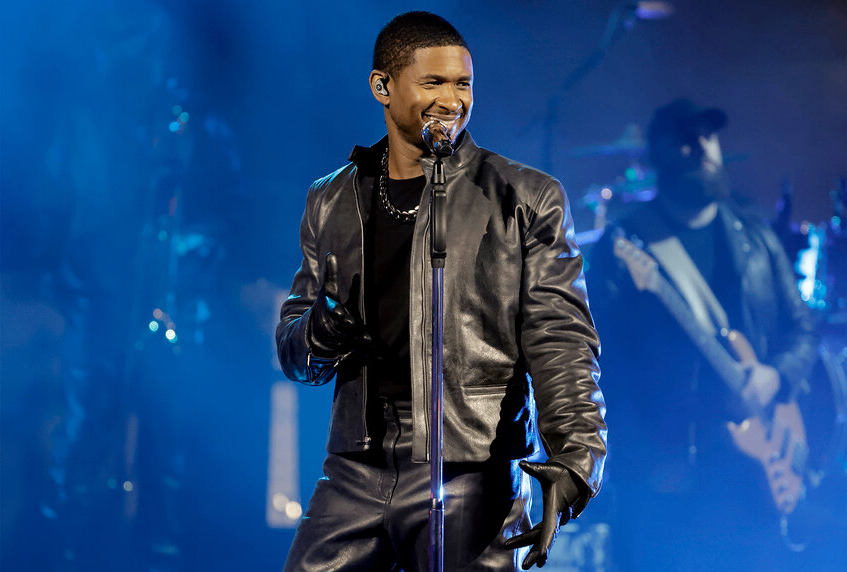
Usher has spent decades defining the sound and spectacle of modern R&B, combining silky vocals, emotional storytelling, irresistible grooves, and electrifying performance skills. From slow burning ballads about heartbreak and desire to club anthems built for packed dance floors, his music captures romance in all its complicated forms. Usher’s smooth tenor can sound vulnerable and intimate one moment, then confident and commanding the next, giving his biggest hits a versatility few performers can match. His catalog bridges classic soul influences with contemporary R&B, pop, hip hop, and dance music, helping shape multiple generations of mainstream music. Whether delivering an aching confession, an unforgettable chorus, or a rhythm driven celebration, Usher has created songs that remain instantly recognizable and continue to demonstrate why he stands among the most influential R&B entertainers of his era.
1. Yeah!
Yeah! is the Usher song that turned an already established R&B superstar into an undeniable global pop phenomenon. Released during the monumental Confessions era, the track brought Usher together with Lil Jon and Ludacris for a club record that sounded immediate, futuristic, and almost impossible to escape. From the first electronic notes, the production establishes a charged atmosphere built for crowded dance floors. Lil Jon’s unmistakable vocal energy provides the ignition, while Usher enters with the smooth confidence of a singer completely comfortable moving between R&B sophistication and club driven excitement.
The genius of the song lies in the contrast between Usher’s polished singing and Lil Jon’s deliberately aggressive production style. The beat is sparse enough to leave enormous space around the vocal, yet every synth sound and rhythmic accent feels designed to generate movement. Usher does not overwhelm the arrangement with complicated vocal runs. Instead, he uses rhythmic phrasing, attitude, and an instantly memorable chorus to become part of the groove itself.
Lyrically, Yeah! captures the temptation and chaos of a night out. Usher finds himself attracted to someone inside a club while recognizing that the situation could create complications. The story is simple because the song does not need elaborate narrative detail. Its purpose is to reproduce the excitement of a moment when music, attraction, and impulse temporarily overwhelm everything else.
Ludacris arrives later with a charismatic verse that adds humor and personality without breaking the song’s momentum. His appearance gives the record another distinctive voice while keeping Usher firmly at its center.
Yeah! remains Usher’s most immediately recognizable anthem because everything about it feels perfectly calibrated. The beat is minimal but enormous, the chorus is effortless to remember, and Usher’s performance combines seduction with rhythmic precision. Decades after its release, a few seconds of that opening sound can still transform a room into a dance floor.
2. Burn
Burn demonstrates why Usher became one of the defining R&B singers of his generation. Where Yeah! captures the excitement of nightlife, this song turns inward toward the painful moment when someone realizes that a relationship has reached its end. The emotional situation is complicated because the narrator is the person initiating the separation, yet he is clearly devastated by the consequences. That tension gives the song unusual depth.
The production is restrained enough to leave Usher’s voice at the center. Gentle keyboard textures, programmed percussion, bass, and carefully placed melodic details create a slow burning atmosphere. Nothing in the arrangement competes with the vocal. Instead, each instrumental layer seems designed to increase the sense of emotional weight surrounding him.
Usher’s performance is remarkable because he balances control with vulnerability. He begins conversationally, sounding like someone attempting to explain a decision rationally. As the song develops, however, the emotional certainty begins breaking apart. His voice rises, the harmonies become fuller, and the chorus turns the metaphor of burning into something almost physical. Ending the relationship may be necessary, but that does not make the pain disappear.
The song became particularly powerful within the Confessions era because listeners often connected its story with the larger themes of regret, infidelity, responsibility, and emotional consequence surrounding the album. Yet Burn works completely on its own because the central situation is universal. People can recognize that strange experience of knowing something must end while still wishing the ending did not hurt.
Burn remains one of Usher’s greatest ballads because he refuses to make heartbreak simple. There is no villain and no easy emotional escape. The relationship has become unsustainable, yet the attachment remains. Usher sings directly from that uncomfortable space, transforming romantic resignation into one of the most memorable slow jams of the 2000s.
3. U Got It Bad
U Got It Bad is one of Usher’s finest songs about the overwhelming stage of love when another person begins occupying nearly every corner of your attention. Instead of describing romance through grand promises, the song focuses on recognizable behavior. You cannot stop thinking about someone, ordinary plans lose their appeal, phone conversations seem too short, and even being around other people cannot distract you from the one person who matters.
The production is beautifully understated. A gentle guitar figure, warm keyboards, subtle percussion, and deep bass create an intimate space around Usher’s vocal. The arrangement never needs to become loud because the emotional intensity comes from his performance. His voice moves effortlessly between smooth lower phrases and more urgent passages, giving the song the sensation of someone gradually admitting how deeply affected he has become.
Usher sings with exceptional control. Small changes in tone reveal confidence, vulnerability, frustration, and surrender without making the performance feel theatrical. When the chorus arrives, the central phrase becomes both diagnosis and confession. The narrator knows he has reached the point where love is influencing his entire routine, and there is little reason to pretend otherwise.
The song’s universality is one reason it has endured so strongly. Most listeners do not need to share Usher’s exact circumstances to understand what he describes. Obsession, anticipation, and emotional dependence are recognizable parts of intense attraction.
The accompanying visual presentation strengthened Usher’s image as a complete entertainer, combining dramatic storytelling with dance and performance charisma. Yet the recording itself remains powerful without any visual element.
U Got It Bad is classic Usher because it turns vulnerability into sophistication. He does not lose his cool completely, but he admits that love has disrupted it. That balance between romantic confidence and emotional surrender became one of his greatest artistic strengths, and few songs display it more convincingly.
4. My Boo
My Boo succeeds because Usher and Alicia Keys treat first love not as something childish or disposable, but as a connection that can remain emotionally significant long after two people move into separate lives. Their voices create the feeling of a genuine conversation between former lovers who understand that their relationship belongs to the past while recognizing that the memories still carry unusual weight.
The production is warm, restrained, and perfectly suited to nostalgia. A smooth rhythm section, gentle keyboard textures, and uncluttered melodic elements allow both singers to remain completely exposed. Nothing needs to overpower the duet because the chemistry between the voices provides the main attraction.
Usher approaches his sections with the polished tenderness that had become one of his signatures. Alicia Keys offers a contrasting texture, bringing a slightly earthier and more soulful tone. When their voices interact, the song gains emotional complexity. Neither performer sounds desperate to restore the old relationship. Instead, they acknowledge that certain people leave marks that later romances cannot erase completely.
That idea gives My Boo its lasting appeal. Many listeners can remember someone associated with an earlier stage of life, perhaps a school romance, first serious relationship, or formative emotional experience. Time may change the circumstances, but memory preserves particular details with astonishing clarity.
The duet format also prevents the story from becoming one sided. Both people remember the connection, which makes the nostalgia feel shared rather than imagined by only one narrator.
My Boo remains one of the great R&B duets of its era because Usher and Alicia Keys never oversell the emotion. The song is gentle, affectionate, and mature. It understands that moving forward does not require pretending the past meant nothing. Some relationships end, yet continue existing as part of the emotional history of both people involved.
5. Confessions Part II
Confessions Part II captures Usher at the center of one of the most compelling narrative cycles in mainstream R&B. The song is structured around revelation, consequence, and fear. The narrator has already damaged a relationship through betrayal, but another piece of information emerges that makes the situation even more complicated. Usher delivers the story with the urgency of someone who knows honesty is necessary while also understanding that the truth may destroy everything.
The production remains relatively spacious, allowing the narrative to drive the recording. Percussion, keyboards, bass, and atmospheric details create tension without distracting from Usher’s voice. The rhythm feels deliberate, almost as though the song is moving toward an unavoidable confrontation.
Usher’s performance is one of his strongest examples of dramatic R&B storytelling. He moves between explanation, fear, regret, and desperate anticipation. His vocal runs are impressive, but they never feel disconnected from the character’s emotional condition. Every increase in intensity seems to reflect the pressure building inside the story.
The brilliance of Confessions Part II is that it makes consequences the central subject. The narrator cannot simply apologize and return to normal life. Decisions have created new realities that must now be faced. That sense of permanence gives the song more emotional weight than a conventional breakup ballad.
The larger Confessions project encouraged listeners to debate how autobiographical the material might be, which only increased the cultural fascination surrounding the record. Yet the song does not depend on gossip or biography. Its dramatic structure works because betrayal and the fear of disclosure are recognizable storytelling themes.
Confessions Part II remains a defining Usher recording because it combines pop accessibility with genuine narrative tension. The listener is pulled into a private conversation that feels almost uncomfortable to witness. Usher turns confession into performance without sacrificing the anxiety, guilt, and uncertainty that make the story believable.
6. DJ Got Us Fallin’ in Love
DJ Got Us Fallin’ in Love represents Usher’s successful move into the enormous electronic dance pop sound that dominated clubs and radio during the early 2010s. Featuring Pitbull, the song trades the intimate atmosphere of classic Usher slow jams for bright synthesizers, a pounding dance rhythm, and a chorus designed to explode across a crowded room.
Usher adapts effortlessly to the production. His voice retains the smoothness associated with his R&B work, but he uses a more direct melodic approach suited to electronic dance music. The verses build anticipation, while the chorus releases that tension through a huge, instantly memorable melody. The idea is simple. Music temporarily creates the conditions for attraction to begin again.
The song’s production emphasizes momentum. Synth lines rise, percussion pushes forward, and electronic textures create the sensation that the track is constantly preparing for another peak. Usher understands that this style requires a different kind of vocal performance. Instead of filling every available space with runs, he leaves room for the beat to do much of the emotional work.
Pitbull’s appearance strengthens the international club character of the record. His verse brings a conversational party energy that contrasts with Usher’s polished singing, adding another rhythmic layer without disrupting the central chorus.
What makes DJ Got Us Fallin’ in Love particularly significant is Usher’s willingness to evolve. An artist with such a strong R&B identity could easily have resisted changing trends, but he instead absorbed electronic pop into his sound while remaining recognizable.
DJ Got Us Fallin’ in Love remains one of Usher’s most popular crossover hits because it captures the physical excitement of a great night out. The music is bright, immediate, and celebratory. Usher turns the dance floor into a place where old emotional defenses disappear and attraction feels possible again as soon as the right song begins.
7. U Remind Me
U Remind Me is built around one of the most interesting romantic dilemmas in Usher’s catalog. The narrator meets someone attractive and potentially compatible, yet cannot move forward because she reminds him too strongly of a former partner who caused significant emotional pain. Rather than celebrating immediate attraction, the song explores the way past relationships can interfere with new possibilities long after they have officially ended.
The production has the polished elegance associated with early 2000s R&B. Smooth keyboard textures, programmed drums, bass, and carefully layered backing vocals create a relaxed groove that gives Usher plenty of space. The rhythm is easygoing, but the emotional situation is more complicated than the sound initially suggests.
Usher sings with sympathy toward the person he is rejecting. She has not actually done anything wrong. His hesitation comes entirely from memory. That distinction gives the song unusual maturity. The narrator recognizes that he may be responding unfairly, yet the resemblance is too powerful for him to ignore.
The chorus is brilliantly constructed because its repeated central idea is instantly understandable. One face triggers another face, one interaction revives another relationship, and suddenly the past is standing inside the present. Usher’s smooth delivery keeps the song from becoming melodramatic while still communicating genuine discomfort.
Vocally, he demonstrates the balance that made him such a dominant R&B performer. His technique is obvious, but the performance always serves the narrative. Harmonies and ad libs gradually add intensity without overwhelming the groove.
U Remind Me helped strengthen Usher’s position as an artist capable of turning everyday romantic complications into memorable pop songs.
U Remind Me remains compelling because the situation is psychologically believable. People rarely approach new relationships without history. Memories follow them, sometimes appearing at inconvenient moments. Usher captures that reality with elegance, turning emotional baggage into one of the smoothest and most recognizable R&B singles of his career.
8. Love in This Club
Love in This Club brought Usher back to the center of contemporary R&B with a production that combined seductive atmosphere, electronic texture, and the harder rhythmic influence of Southern hip hop. Featuring Young Jeezy, the song feels designed around tension. Everything from the synthesizers to Usher’s vocal phrasing creates the impression of attraction becoming increasingly difficult to control.
The beat is hypnotic rather than frantic. A repeating electronic pattern creates an almost dreamlike foundation while heavy drums provide enough weight for a club setting. Usher moves across that production with impressive restraint. His vocal is smooth and confident, but he does not need to oversing because the atmosphere already communicates desire.
The lyric places romantic urgency inside a public setting. Instead of waiting for privacy, the narrator becomes captivated by someone in the middle of a club and begins imagining an intimacy that ignores normal boundaries. That premise gives the song its provocative energy.
Young Jeezy’s verse contributes a different texture. His deeper, rougher delivery contrasts sharply with Usher’s polished tenor, reinforcing the mixture of R&B and Southern rap that gives the recording its particular character.
The chorus uses repetition effectively. Rather than delivering a complicated melodic statement, Usher keeps returning to the central idea until it becomes part of the beat itself. Desire is portrayed as immediate, repetitive, and increasingly insistent.
The song also represented another stage in Usher’s ability to adjust his sound without losing his identity. The production feels connected to its era, but his vocal presence remains unmistakable.
Love in This Club endures because it understands that seductive music often benefits from leaving space. The beat does not rush, Usher does not shout, and the tension develops gradually. By combining atmospheric production with one of his most direct expressions of desire, he created a club record that feels less like a party anthem than a private conversation happening in the middle of a crowded room.
9. Nice & Slow
Nice & Slow is one of the records that established Usher as a leading romantic voice in late 1990s R&B. Rather than emphasizing youthful pop energy, the song presents a more confident and intimate persona. Usher slows everything down, using a restrained groove and carefully controlled vocal performance to create a track built around anticipation rather than immediate release.
The production is classic slow jam craftsmanship. Warm keyboard chords, soft percussion, bass, and layered background vocals create an atmosphere that feels intimate without becoming overly elaborate. Every musical choice leaves room for Usher’s voice, which is exactly where the attention belongs.
He delivers the verses with relaxed confidence, moving between singing and rhythmic phrasing while maintaining the song’s smooth character. His technical skill was already obvious, but what made Nice & Slow important was the personality emerging behind the voice. Usher was developing the combination of charm, sensuality, vocal control, and performance confidence that would define much of his career.
The lyric is direct about romantic desire, yet the title provides the song’s philosophy. The attraction does not need to be rushed. Anticipation itself becomes part of the experience. That approach allows the music to remain relaxed even as the narrator becomes increasingly explicit about his intentions.
The background harmonies deepen the recording and create the lush vocal texture associated with the best R&B of the period. Rather than treating the lead voice as isolated, the arrangement surrounds Usher with layers that make each chorus feel richer.
Nice & Slow remains important because it captures the moment Usher’s adult musical identity was becoming unmistakable. The song does not rely on spectacle or trendy production tricks. Its appeal comes from groove, voice, atmosphere, and confidence. Those qualities became fundamental to Usher’s later success, making this track both an enduring favorite and an essential early chapter in his evolution into one of R&B’s premier performers.
10. OMG
OMG captures Usher during a period when mainstream R&B and electronic pop were rapidly merging, and he embraced that transition with complete confidence. Produced by and featuring will.i.am, the song abandons the warm textures of a traditional slow jam for pounding electronic drums, bright synthesizers, processed vocals, and a chorus designed for enormous venues.
The production is deliberately simple in its central ideas. Repetition gives the track much of its power. The beat remains heavy and direct while electronic accents create a futuristic club atmosphere. Usher adapts his vocal technique accordingly, favoring concise melodic phrases and rhythmic hooks instead of the elaborate runs associated with his ballads.
The lyric focuses on immediate physical attraction. Usher encounters someone whose appearance leaves him nearly speechless, and the title becomes the natural reaction. That simplicity is important because the production is built for instant response rather than detailed storytelling. The song wants listeners to understand its mood within seconds.
will.i.am contributes both production personality and a vocal presence that places the record firmly within the electronic pop culture of the period. The collaboration highlights Usher’s ability to enter another artist’s sonic world without disappearing inside it. His voice remains recognizable even when surrounded by heavily processed textures.
The song’s success demonstrated just how adaptable Usher had become. He could dominate traditional R&B, hip hop influenced club tracks, romantic ballads, and large scale electronic pop without sounding like four different performers.
OMG also became particularly effective in live settings because its broad rhythmic structure leaves room for dance, choreography, and audience participation. Usher has always been more than a studio vocalist, and songs with this kind of physical pulse allow his abilities as an entertainer to become part of the music’s appeal.
OMG remains one of Usher’s biggest crossover records because it captures a specific moment when pop music was becoming increasingly electronic while proving that his voice and charisma could thrive inside that transformation. It is bold, simple, rhythmic, and built for immediate impact.

Edward Tomlin is a frequent contributor to Singers Room. Since 2005, Singersroom has been the voice of R&B around the world. Connect with us via social media below.
Source link
