
Pop/Hip Hop/R&B
10 Best Chris Stapleton Songs of All Time
Aug
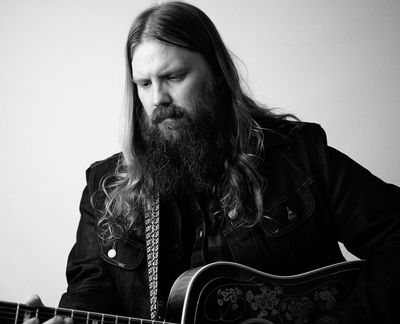
Chris Stapleton brings a rare combination of raw soul, country tradition, blues grit, and rock intensity to every song he touches. His unmistakable voice can rumble with weathered restraint before suddenly rising into a powerful cry that feels completely unfiltered. Long before becoming a household name, Stapleton built his reputation as a gifted songwriter, and that craftsmanship remains central to his own recordings. His finest songs explore heartbreak, devotion, regret, redemption, loneliness, and hard earned wisdom with striking emotional honesty. Whether backed by a roaring electric guitar or little more than an acoustic arrangement, he has an extraordinary ability to make every lyric feel lived rather than simply performed. From deeply moving ballads to fiery Southern grooves, Chris Stapleton’s greatest songs reveal a modern country artist whose timeless sound reaches far beyond traditional genre boundaries.
1. Tennessee Whiskey
Tennessee Whiskey is the recording that turned Chris Stapleton from a respected Nashville songwriter into one of the most recognizable voices in modern country music. Although the song existed long before Stapleton recorded it, his interpretation completely reshaped its identity. Instead of approaching the material as straightforward country, he slows the song into a deep soul groove, drawing heavily from blues, rhythm and blues, Southern soul, and classic country phrasing. The result feels timeless rather than tied to any single musical era.
Stapleton’s vocal is the undeniable centerpiece. He begins with remarkable restraint, allowing the grain of his voice to communicate warmth before gradually revealing its enormous power. His phrasing feels conversational, yet every note is carefully controlled. When the melody rises, he does not merely increase the volume. His voice seems to crack open emotionally, giving the romantic comparisons in the lyric extraordinary weight. The listener can hear gratitude, desire, vulnerability, and relief existing simultaneously.
The arrangement is equally important. Electric guitar moves with a liquid blues character while bass and drums maintain an unhurried pulse. Morgane Stapleton’s backing vocals add warmth and emotional depth, creating a subtle dialogue around the lead. Nothing in the production feels rushed. Every instrumental phrase is allowed to breathe.
What makes Tennessee Whiskey especially powerful is the way Stapleton turns a familiar country metaphor into a declaration of emotional rescue. The narrator has experienced loneliness and dependency, yet genuine love provides something richer and more sustaining than any drink. Stapleton never treats that transformation lightly. He sings as though he understands exactly how different life feels after finding someone capable of changing its direction. Tennessee Whiskey remains his signature performance because it combines extraordinary singing with a groove so natural that country, blues, and soul become almost impossible to separate.
2. Starting Over
Starting Over captures Chris Stapleton at his most hopeful, presenting reinvention not as a dramatic escape but as a quiet decision made between two people willing to face uncertainty together. The song begins with acoustic guitar and an almost conversational vocal, immediately creating the feeling of someone sitting nearby and describing a possibility rather than performing a grand anthem. That intimacy makes the optimism especially convincing.
The narrator does not promise that the future will be easy. Roads may become difficult, plans may fail, and comfortable routines may need to be abandoned. Yet Stapleton treats those uncertainties as part of the adventure rather than reasons to remain trapped. His voice carries a weathered quality that gives the message credibility. This does not sound like optimism from someone who has never struggled. It sounds like hope developed after enough experience to understand what difficulty actually costs.
Morgane Stapleton’s harmonies are essential to the emotional atmosphere. Her voice enters gently around Chris, reinforcing the idea that the journey is shared. The relationship at the center of the song becomes a form of security even when the destination remains unknown. Acoustic instruments, restrained percussion, and warm production preserve the feeling of movement without forcing the song toward an oversized climax.
The beauty of Starting Over lies in its mature understanding of freedom. Beginning again does not require pretending the past never happened. Instead, previous disappointments become part of the knowledge carried forward. Stapleton sings about possibility while allowing fear to remain present.
Starting Over has become one of his most beloved songs because almost everyone eventually encounters a moment when remaining still feels more frightening than taking a risk. The recording captures that threshold perfectly. There is no map, no guarantee, and no certainty about what waits ahead. There is simply another person, an open road, and enough faith to believe that beginning again might be worth the trouble.
3. Broken Halos
Broken Halos is one of Chris Stapleton’s most moving reflections on loss, built around the idea that some people enter our lives only briefly before disappearing for reasons we may never fully understand. Rather than attempting to explain death or offer easy answers, Stapleton approaches grief with humility. The song accepts that human beings often search for meaning where none is immediately available, and sometimes the only possible response is to remember the people who are gone.
The acoustic foundation gives the recording warmth and simplicity. Guitar establishes the pulse while percussion, bass, and supporting vocals gradually widen the sound. Stapleton’s performance remains controlled, which is essential to the song’s emotional impact. He does not attempt to imitate grief through excessive vocal drama. Instead, his rough voice carries a quiet ache that feels lived rather than performed.
The image at the center is particularly effective. A broken halo suggests someone who may not have been perfect, yet whose presence still possessed something precious. Stapleton avoids idealizing the dead into flawless figures. People can be complicated, imperfect, beloved, and deeply missed at the same time. That emotional realism gives the song unusual depth.
Morgane Stapleton’s backing vocals add a spiritual quality without turning the recording into formal gospel. Her harmonies seem to hover around the lead, reinforcing the feeling that memory remains present even when a person is physically absent.
Broken Halos also understands the exhaustion that can follow repeated attempts to explain tragedy. Stapleton gently suggests that not every mystery can be solved by thinking harder. Some questions remain unanswered.
Broken Halos endures because it offers companionship rather than instruction. Anyone who has lost someone can enter the song without being told exactly what to believe. Stapleton creates space for sadness, memory, gratitude, and uncertainty to exist together, making the recording one of the most compassionate performances in modern country music.
4. Fire Away
Fire Away is a devastating example of Chris Stapleton using restraint to make emotional pain feel enormous. The song centers on a relationship in which one person appears willing to absorb every accusation, attack, and emotional wound the other can deliver. The title initially sounds defiant, but Stapleton gradually reveals something far more complicated beneath that posture. The narrator’s willingness to endure pain can be heard as devotion, exhaustion, resignation, or some combination of all three.
The arrangement is deliberately sparse. Electric guitar, bass, drums, and gentle atmospheric details create a slow pulse that leaves enormous space around Stapleton’s voice. That emptiness is crucial. Every phrase arrives without distraction, forcing the listener to confront the weariness embedded within his delivery.
Stapleton begins quietly, using the lower part of his register to establish emotional fatigue. His voice sounds like someone who has already survived the argument many times. As the song develops, he gradually releases more power. When the upper notes arrive, they do not feel like conventional vocal showmanship. They sound like pressure that can no longer remain contained.
The guitar work mirrors this progression. Blues shaped phrases drift through the arrangement with a mournful character, occasionally answering the vocal almost like another wounded voice. The rhythm section refuses to hurry, allowing the emotional tension to accumulate naturally.
Fire Away is especially powerful because the lyric never provides a comfortable explanation for the relationship. Love and suffering appear tangled together, leaving the narrator prepared to endure more than an outside observer might understand. Stapleton does not romanticize the pain so much as inhabit its complexity.
Fire Away remains one of his most unforgettable performances because it demonstrates how much emotional force can emerge from patience. Nothing needs to explode musically for the song to feel overwhelming. Stapleton simply stays inside the hurt, allowing every rough edge of his voice to reveal another layer of resignation, loyalty, and emotional exhaustion.
5. You Should Probably Leave
You Should Probably Leave turns romantic temptation into a wonderfully tense conversation between two people who already know exactly what will happen if they remain together much longer. The song is built around contradiction. The narrator repeatedly says that the other person should leave, yet every phrase reveals how little he actually wants that advice to be followed. Stapleton turns the gap between responsible thinking and immediate desire into the entire emotional engine of the performance.
The arrangement moves with a relaxed country soul groove. Guitar, bass, drums, and keyboards create an intimate setting that feels more like late evening than bright daylight. Nothing in the production pushes too aggressively, which suits a song where the tension depends on hesitation. The musicians sound as though they are waiting to see which decision will eventually win.
Stapleton’s vocal is full of small details. He uses pauses, roughened notes, and slight changes in emphasis to communicate attraction without needing dramatic declarations. He sounds amused by the situation and frustrated by his own lack of resistance. The two people clearly have history, and that familiarity gives the song more depth than a story about strangers meeting unexpectedly.
The refrain becomes increasingly funny and revealing as it repeats. Every suggestion to leave sounds less convincing than the one before it. The narrator understands that staying will complicate things, but understanding and action are very different matters.
You Should Probably Leave succeeds because it captures an emotional situation rarely expressed with such precision. People often know the sensible choice long before they become willing to make it. Stapleton inhabits that gap perfectly.
You Should Probably Leave remains one of his most popular recordings because it combines humor, sensuality, regret, and irresistible musical warmth. The song never needs to tell listeners what eventually happens. The chemistry has already answered the question. The only uncertainty is how long both people will continue pretending they might make the responsible decision.
6. Millionaire
Millionaire offers one of Chris Stapleton’s warmest celebrations of love, measuring wealth not through money or possessions but through the emotional abundance created by a meaningful relationship. Written by Kevin Welch, the song becomes unmistakably Stapleton’s through the depth of his vocal and the effortless country soul arrangement surrounding it. Nothing about the recording feels extravagant, which perfectly suits a lyric arguing that the most valuable things in life cannot be bought.
The groove moves gently, supported by guitar, bass, drums, keyboards, and beautifully placed harmony vocals from Morgane Stapleton. Chris sings with relaxed confidence, sounding like someone who has already discovered what matters and no longer needs to be convinced. His voice retains its familiar rasp, but here that roughness communicates warmth rather than pain.
The central metaphor is powerful because it reverses conventional ideas about success. A person may possess little in material terms while feeling extraordinarily fortunate because of the love surrounding them. Stapleton does not make this idea sound like a consolation prize. He sings as though emotional wealth is genuinely superior to everything else people spend their lives chasing.
Morgane’s harmonies deepen that message. Because the song celebrates partnership, hearing another voice beside Chris gives the arrangement additional meaning. The performance feels shared rather than solitary.
There is also a beautiful modesty in the production. No enormous guitar solo arrives to interrupt the intimacy. The musicians remain focused on melody and groove, allowing the lyric to remain central.
Millionaire resonates because nearly everyone understands the difference between financial success and emotional fulfillment. Stapleton presents that distinction without preaching. He simply sounds grateful.
Millionaire remains one of his most enduring romantic recordings because it celebrates love with mature simplicity. The narrator does not need castles, luxury, or status to feel fortunate. Another person’s affection has changed the definition of abundance completely, and Stapleton’s warm performance makes that realization sound richer than anything money could provide.
7. White Horse
White Horse unleashes the harder side of Chris Stapleton, combining Southern rock muscle, blues guitar, country imagery, and a vocal performance that sounds capable of tearing through the arrangement. The song uses familiar Western symbolism but refuses to behave like a gentle cowboy ballad. Instead, everything feels dangerous. The guitars are thick, the rhythm is forceful, and Stapleton sings as though the relationship at the center requires far more courage than romance alone can provide.
The title draws on the traditional image of a heroic figure arriving on a white horse to rescue someone. Stapleton immediately complicates that expectation. The narrator is not prepared to become an idealized savior simply because another person wants one. Love may require commitment, but it also requires honesty about who someone actually is.
The guitar sound is central to the recording’s character. Heavy riffs give the song an almost classic rock weight, while blues shaped lead passages reinforce Stapleton’s connection with Southern musical traditions outside conventional country. Bass and drums create a pounding foundation that allows his voice to push with full force.
Stapleton’s singing is magnificent because he matches the instrumental intensity without sacrificing clarity. His upper register arrives with a roar, yet smaller phrases still contain tension and character. He sounds defiant, attracted, cautious, and completely unwilling to make promises he cannot honestly keep.
White Horse demonstrates why Stapleton appeals so naturally to listeners who might not normally identify themselves as country fans. His music draws from a much broader American vocabulary, including soul, blues, rock, gospel, and roots music.
White Horse stands among his most exciting performances because it rejects romantic fantasy while delivering enormous musical drama. The narrator may not arrive as the perfect hero someone imagined, but Stapleton gives him something considerably more compelling: honesty, danger, grit, and a voice powerful enough to make every warning sound like part of the attraction.
8. Traveller
Traveller is the song that gave Chris Stapleton’s breakthrough album its title and one of the clearest expressions of the philosophy running throughout his music. Life is presented as movement rather than arrival. People travel through places, relationships, victories, disappointments, and changing identities without ever gaining complete control over where the road ultimately leads.
The arrangement is rooted in acoustic guitar and a relaxed country groove. Stapleton’s voice enters without theatrical introduction, immediately sounding like someone who has spent years watching roads disappear behind him. His delivery contains both fatigue and acceptance. The traveller is not necessarily running from anything, nor is he certain about the destination. Movement itself has become part of his nature.
Stapleton’s guitar work contributes significantly to the atmosphere. Electric and acoustic textures create openness, making the recording feel almost cinematic without requiring elaborate production. Bass and drums keep the rhythm steady while Morgane Stapleton’s harmonies add a sense of companionship to a lyric concerned with individual movement.
The song becomes particularly powerful when viewed as a meditation on identity. A traveller belongs temporarily to many places without being completely defined by any one of them. Stapleton had spent years moving through different corners of the music industry before his solo career reached a huge audience, and the song carries the emotional credibility of someone familiar with uncertainty.
Yet Traveller never feels self pitying. There is freedom in accepting impermanence. The road may contain loneliness, but it also provides possibility.
Traveller remains one of Stapleton’s essential songs because it captures his musical personality in remarkably simple form. Country, blues, soul, and American roots traditions meet inside an arrangement that sounds weathered rather than nostalgic. His voice does not claim to know what waits at the end. It simply recognizes that everyone is moving toward something, whether they understand the destination or not.
9. Joy of My Life
Joy of My Life is Chris Stapleton at his most affectionate, delivering a love song that finds enormous emotional meaning inside ordinary domestic closeness. Written by John Fogerty, the song fits Stapleton so naturally that his interpretation feels deeply personal. There are no dramatic declarations about impossible romance. Instead, the narrator recognizes extraordinary fortune in the simple fact that someone he loves is waiting for him at home.
The arrangement is warm and unhurried. Acoustic guitar, electric guitar, bass, drums, and subtle keyboard textures provide a comfortable foundation around Stapleton’s voice. The production feels intimate enough that the listener can almost imagine the musicians playing together in the same room. Nothing sounds designed to impress for its own sake.
Stapleton sings with a tenderness that reveals another side of his famously powerful voice. He certainly possesses the ability to roar through high notes, but this song rarely requires that kind of force. Instead, he concentrates on warmth, phrasing, and gratitude. The rasp in his voice gives the affection a lived quality, suggesting a relationship strengthened by ordinary experience rather than idealized fantasy.
The lyric’s domestic imagery is what makes the song so effective. Love appears in moments that might seem insignificant from the outside: returning home, lying beside someone, recognizing the comfort created by their presence. Stapleton treats those moments as evidence of profound good fortune.
The song also complements the larger theme found in many of his romantic recordings. Real wealth is measured emotionally. Status becomes irrelevant beside companionship.
Joy of My Life has connected strongly with listeners because its affection is so uncomplicated. It does not need heartbreak to create emotional depth.
Joy of My Life remains a beautiful example of Stapleton’s ability to make gratitude sound powerful. His performance suggests that after all the roads, crowds, ambitions, and uncertainties of life, one of the greatest pleasures may simply be recognizing that the person beside you still feels like home.
10. Cold
Cold is one of Chris Stapleton’s most dramatic heartbreak songs, bringing together country songwriting, soul phrasing, blues intensity, and sweeping strings in a performance that feels almost cinematic. The central metaphor is brutally simple. A relationship that once contained warmth has become emotionally frozen, and the narrator cannot understand how another person can suddenly behave with such distance.
The arrangement immediately distinguishes the song from more traditional country ballads. Piano and strings create a dark atmosphere while bass, drums, and guitar gradually increase the emotional weight. The production has the scale of classic soul, giving Stapleton enough space to treat heartbreak as something physically overwhelming rather than merely disappointing.
His vocal begins with wounded restraint. He sounds shocked rather than furious, as though the emotional change happened faster than he could process it. As the song progresses, disbelief turns into anguish. Stapleton pushes higher and harder, allowing his voice to fray around the edges without losing control. Those rough textures are central to the performance. A cleaner vocal might sound technically impressive, but it would not communicate the same devastation.
The lyric relies on images of cutting, freezing, and breaking to describe emotional cruelty. These metaphors make the separation feel physical. Stapleton sings as though the other person’s indifference hurts precisely because love once seemed so real.
The instrumental drama continues building around him, particularly as guitar and strings begin responding to the increasing intensity of the vocal. Yet the production never obscures the emotional core.
Cold proves that Stapleton’s music cannot be contained easily inside country alone. The performance draws from Southern soul and blues as naturally as Nashville songwriting.
Cold remains one of his finest showcases because every part of the recording serves the same emotional purpose. The strings ache, the guitar burns, and Stapleton sounds genuinely stunned by rejection. He transforms the temperature of a relationship into something listeners can almost physically feel, leaving behind a heartbreak performance as elegant as it is brutal.

Edward Tomlin is a frequent contributor to Singers Room. Since 2005, Singersroom has been the voice of R&B around the world. Connect with us via social media below.
Source link
