
Pop/Hip Hop/R&B
10 Best The Temptations Songs of All Time
Aug
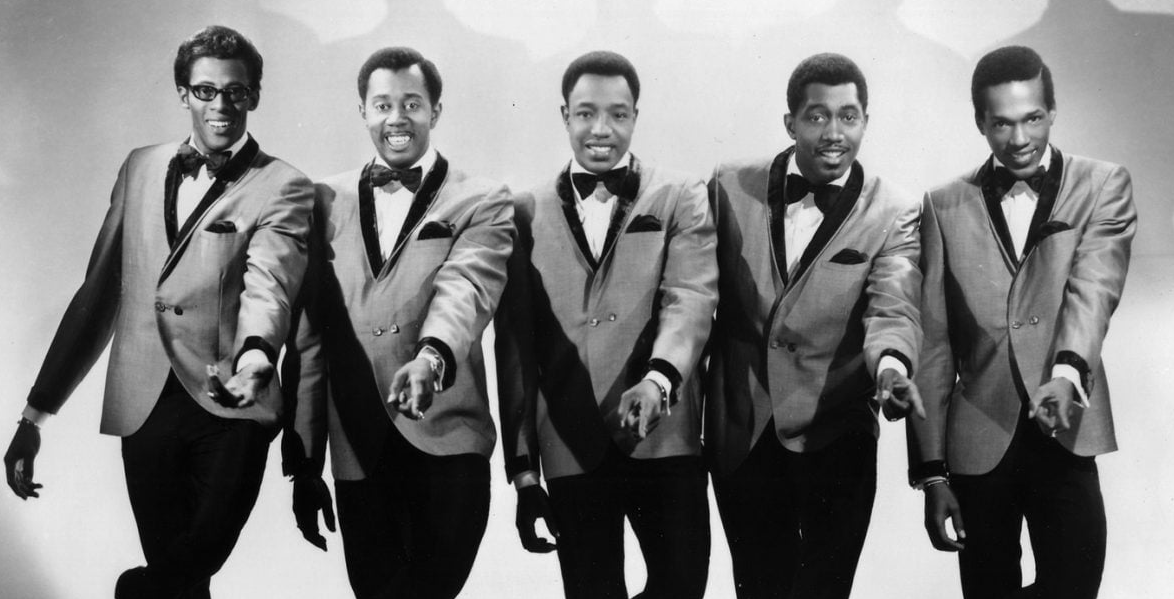
Few vocal groups have shaped soul music as profoundly as The Temptations. With their impeccable harmonies, elegant choreography, sharp suits, and unforgettable lead singers, the group became one of Motown’s most enduring and influential acts. Their music moved effortlessly from romantic ballads and dance floor favorites to socially conscious soul and psychedelic experimentation, all while maintaining a distinctive vocal identity. Songs filled with love, longing, heartbreak, hope, and resilience helped define the sound of the 1960s and 1970s while continuing to inspire generations of singers. The most popular Temptations songs showcase the remarkable chemistry of voices such as David Ruffin, Eddie Kendricks, and Dennis Edwards, revealing a group whose timeless recordings remain essential to the history of Motown, soul, and American popular music.
1. My Girl
My Girl is the song that transformed The Temptations from a promising Motown vocal group into one of the defining acts of American soul music. Written by Smokey Robinson and Ronald White, the recording was released in 1964 and placed David Ruffin at the center of one of the most perfectly constructed arrangements in Motown history. From the moment Robert White’s unmistakable guitar figure enters, every element seems designed to create warmth. James Jamerson’s bass gradually becomes more active, strings and backing voices expand the sound, and Ruffin carries the melody with a tenderness that never feels forced.
The lyric is wonderfully uncomplicated. The narrator does not need wealth, perfect weather, or extravagant possessions because the woman he loves gives him everything required for happiness. Ruffin understands that simplicity and avoids turning the performance into a vocal exhibition. His raspy tenor remains controlled, allowing a gentle grain to appear around the edges of phrases. That slight roughness is important because it keeps the song from becoming excessively sweet. Ruffin sounds like someone who knows difficult times and therefore recognizes happiness when it arrives.
The backing vocals from Eddie Kendricks, Paul Williams, Melvin Franklin, and Otis Williams demonstrate why The Temptations were much more than a vehicle for great lead singers. Their responses create movement behind Ruffin while preserving the elegance that became one of the group’s trademarks. The arrangement continues growing with each verse until what began as an intimate declaration feels almost orchestral.
My Girl became The Temptations’ first number one pop hit in the United States and quickly grew beyond the boundaries of Motown. It became a wedding favorite, a film soundtrack staple, and one of the most recognizable soul songs ever recorded.
What keeps the recording timeless is its lack of unnecessary complication. There is an unforgettable melody, a perfect rhythm section, disciplined harmony, and one of David Ruffin’s warmest performances. The Temptations recorded many more adventurous songs later, but My Girl remains the purest expression of their ability to make sophisticated vocal soul sound completely effortless.
2. Just My Imagination (Running Away with Me)
Just My Imagination (Running Away with Me) is one of The Temptations’ most beautiful recordings because almost everything about its surface suggests romance while the lyric gradually reveals profound loneliness. Written by Norman Whitfield and Barrett Strong, the song was released in 1971 with Eddie Kendricks delivering one of the finest lead vocals of his career. His light falsetto seems perfectly suited to the dreamlike world inhabited by the narrator, a man who has imagined an entire relationship with a woman who barely knows he exists.
The opening is remarkably gentle. Guitar, strings, bass, and percussion create an atmosphere of floating optimism while Kendricks watches the woman pass by and imagines himself as the fortunate man who has won her love. His fantasy grows increasingly elaborate. He pictures marriage, a home in the country, and children. Every detail sounds emotionally convincing because Kendricks sings it with such delicate sincerity.
Then reality intrudes. The relationship does not exist. The woman does not belong to him, and the domestic future he describes has been constructed entirely in his mind. That revelation transforms everything the listener has already heard. What initially sounded like a straightforward love song becomes a portrait of isolation and unfulfilled longing.
Norman Whitfield’s production is unusually restrained compared with the psychedelic soul experiments he was creating with The Temptations during the same period. Rather than using heavy funk rhythms and dramatic effects, he allows strings and subtle instrumentation to support Kendricks. The result feels almost weightless.
The recording also carries historical significance within the group’s changing lineup. Kendricks was nearing the end of his original period with The Temptations, making the song feel retrospectively like a magnificent farewell to the falsetto voice that had defined so many earlier classics.
Just My Imagination became a number one American pop hit and remains one of the group’s most universally admired performances. Its genius lies in emotional contrast. The music is beautiful, the dream is beautiful, and the voice is beautiful, but beneath all of it is a devastating truth. The narrator has created perfect love in the only place where he can possess it: his imagination.
3. Papa Was a Rollin’ Stone
Papa Was a Rollin’ Stone represents The Temptations at their most cinematic, experimental, and musically adventurous. Produced by Norman Whitfield and written by Whitfield with Barrett Strong, the 1972 recording moves far beyond the compact romantic soul format that had established the group during the previous decade. The full album performance unfolds patiently, allowing bass, guitar, percussion, strings, trumpet, and atmospheric instrumental details to create a dark landscape before the voices fully explain the story.
The lyric centers on children attempting to understand the truth about a father who has died. Rather than remembering a dependable family figure, they encounter rumors about a restless man who avoided responsibility and left disappointment behind him. The repeated questions create the feeling of a family reconstructing someone through fragments, gossip, and painful memory.
Dennis Edwards brings tremendous authority to the performance, but the power of the recording comes from the group and arrangement functioning together. The Temptations no longer sound like sharply separated lead singer and backing harmony. Voices appear almost as dramatic characters within the production, entering and disappearing while Whitfield’s instrumental landscape carries much of the emotional burden.
The famous bass pattern is among the most recognizable in soul music. It repeats with hypnotic consistency, creating a sense of inevitability. Wah guitar, strings, and trumpet gradually accumulate around it, giving the song the atmosphere of a film score. Whitfield understood the value of suspense and refuses to hurry toward the vocal entrance.
This approach reflected the radical evolution of The Temptations during the psychedelic soul era. The group had moved from carefully tailored romantic pop into longer compositions addressing family breakdown, inequality, politics, urban life, and social uncertainty. Their legendary harmonies remained, but the musical setting had become far more ambitious.
Papa Was a Rollin’ Stone became a major hit and earned significant Grammy recognition, while its dramatic production influenced generations of soul, funk, and hip hop artists. It remains one of the rare popular recordings in which the instrumental introduction feels just as essential as the vocal.
The song proves how far The Temptations were willing to travel from their original formula. What began as one of Motown’s great romantic vocal groups had become something much broader: an ensemble capable of creating dark, expansive musical storytelling on an almost cinematic scale.
4. Ain’t Too Proud to Beg
Ain’t Too Proud to Beg gave David Ruffin one of his greatest opportunities to demonstrate why his voice became so essential to The Temptations. Written by Norman Whitfield and Edward Holland Jr., the song was released in 1966 and immediately distinguished itself through sheer emotional urgency. The narrator knows his relationship is collapsing, but instead of protecting his dignity, he makes an extraordinary admission: if begging will prevent the woman he loves from leaving, pride no longer matters.
Ruffin performs the song as though the situation is unfolding in real time. His voice has a natural rasp that gives every line texture, but the performance becomes increasingly strained as the melody pushes upward. Rather than hiding that strain, Ruffin uses it as emotional evidence. The listener can hear desperation taking control of someone who would normally prefer to appear strong.
Norman Whitfield’s production gives the vocal exactly the pressure it needs. The Funk Brothers create an insistent rhythm while percussion and instrumental accents push Ruffin forward. The other Temptations answer him with disciplined harmonies, providing one of the classic contrasts in Motown recording. The background remains elegant and controlled while the lead singer sounds increasingly close to emotional collapse.
The song was also important in the production history of The Temptations. Smokey Robinson had been one of the group’s most important early creative partners, but the success of Whitfield’s increasingly forceful productions signaled a shift in direction. Ain’t Too Proud to Beg helped establish Whitfield as a central architect of the group’s evolving sound.
Ruffin’s gospel instincts are impossible to miss. He approaches repeated phrases almost like a church singer intensifying a testimony. Every return to the title carries greater urgency, and his rough upper notes communicate more than flawless technique ever could.
Ain’t Too Proud to Beg endured because it makes vulnerability sound powerful. The narrator has abandoned pride, yet the performance itself is anything but weak. Ruffin attacks the song with such conviction that begging becomes an act of emotional courage.
Among The Temptations’ many heartbreak songs, few feel this immediate. The rhythm moves, the harmonies shine, and David Ruffin sounds as though the outcome of his entire life depends on what happens before the record ends.
5. I Wish It Would Rain
I Wish It Would Rain is one of The Temptations’ most devastating recordings, built around an image so simple and effective that it has become permanently associated with heartbreak. Written by Norman Whitfield, Barrett Strong, and Rodger Penzabene, the song places David Ruffin in the role he inhabited better than almost anyone in soul music: a proud man whose emotional defenses are beginning to collapse.
The narrator has lost the woman he loves and can barely face the outside world. Sunshine, normally associated with happiness, becomes painful because clear weather exposes him to other people. He wants rain so that his tears can disappear within it. That central metaphor gives the song enormous emotional power because the problem is not merely sadness. The narrator is ashamed of being seen grieving.
Ruffin sings the opening passages with controlled sorrow. He does not immediately unleash the full force of his voice. Instead, listeners can hear him attempting to maintain dignity. As the song develops, that restraint becomes increasingly fragile. His characteristic rasp deepens, phrases rise, and the pain begins breaking through.
The arrangement is classic Motown craftsmanship. The rhythm section maintains movement while strings and backing vocals create a polished frame around Ruffin. The contrast is essential. Life around the narrator continues normally, represented by the beautifully organized music, while his private world has fallen apart.
Rodger Penzabene’s contribution to the lyric carries particularly tragic resonance because of the painful personal circumstances surrounding his life. Even without knowing that history, however, the song communicates despair with remarkable clarity.
The performance arrived near the end of Ruffin’s original period with The Temptations and stands among his finest recordings with the group. He had already demonstrated joy on My Girl, desperation on Ain’t Too Proud to Beg, and regret on other classics. Here he turns sadness into weather, making the entire environment seem connected to one man’s broken heart.
I Wish It Would Rain remains timeless because it understands the private rituals of grief. Sometimes a person does not want advice or resolution. Sometimes all he wants is somewhere to hide while the sadness passes. Ruffin makes that simple desire feel monumental.
6. Get Ready
Get Ready is one of The Temptations’ most exhilarating early recordings, combining Smokey Robinson’s gift for irresistible melody with Eddie Kendricks’s unmistakable falsetto. Released in 1966, the song moves with a rhythmic energy that seems almost impossible to resist. From the instrumental opening onward, everything is designed for motion. The Funk Brothers create a propulsive groove while Kendricks floats above it with a voice light enough to make the entire track seem airborne.
The lyric is a confident declaration that love is coming whether the object of affection expects it or not. Kendricks does not sing with David Ruffin’s rough urgency. His style is smoother and more playful, giving the song flirtatious excitement rather than desperation. That contrast between the group’s lead singers was one of The Temptations’ greatest strengths. Different songs could take on completely different personalities depending on who stepped forward.
Smokey Robinson wrote and produced the track with the remarkable economy that characterized his finest Motown work. The chorus arrives quickly and remains impossible to forget, while rhythmic changes and backing responses prevent the repetition from becoming predictable. Melvin Franklin’s deep bass voice contributes essential weight beneath Kendricks’s high register.
The choreography associated with The Temptations also feels inseparable from a song like Get Ready. The group’s synchronized movement gave rhythm a visual dimension, transforming tightly arranged vocal soul into complete stage entertainment. Their polished suits and precision never made the performances seem stiff because the music underneath contained so much momentum.
The record later became historically interesting because it arrived around the period when Norman Whitfield was becoming increasingly important to the group’s production. Whitfield would soon guide The Temptations toward heavier soul and eventually psychedelic experimentation, making Get Ready feel like a brilliant final flowering of the earlier Smokey Robinson era.
The song has been covered repeatedly, most famously by Rare Earth, but The Temptations’ version remains unique because of Kendricks. His falsetto gives the melody elegance while the musicians underneath keep everything grounded in rhythm.
Get Ready is Motown pop architecture at its finest: concise, melodic, energetic, and performed with extraordinary precision. It requires no complicated concept. The groove begins, Eddie Kendricks starts singing, and resistance becomes nearly impossible.
7. The Way You Do the Things You Do
The Way You Do the Things You Do was the breakthrough that introduced The Temptations’ classic vocal elegance to a national audience. Written by Smokey Robinson and Bobby Rogers, the song became the group’s first major Motown hit in 1964 and established Eddie Kendricks as an unforgettable lead voice. His graceful falsetto gives the recording a lightness perfectly matched to Robinson’s playful collection of romantic comparisons.
The lyric is built around imaginative compliments. The woman is compared with candles, sweetness, money, and other desirable things because of the qualities she possesses. In lesser hands, the writing might have seemed like a clever novelty. Kendricks gives it genuine warmth. He never sounds as though he is delivering punch lines. Every comparison becomes another way of expressing admiration.
The arrangement illustrates Motown’s genius for making sophisticated musicianship sound simple. The Funk Brothers provide a buoyant rhythm beneath Kendricks while piano, guitar, bass, drums, and hand percussion interact with remarkable economy. The other Temptations add carefully arranged backing responses, giving the track the conversational character that became one of the group’s signatures.
Kendricks’s voice deserves particular attention. His falsetto is high but never fragile. He retains rhythmic precision and clear diction while maintaining a graceful tone. That ability made him the ideal counterpart to David Ruffin, whose later leads brought more grit and dramatic urgency. Together, those contrasting voices gave The Temptations extraordinary flexibility.
The song arrived after the group had spent years searching for a major commercial breakthrough. Once it succeeded, The Temptations entered an astonishing period of hit making that would place them among Motown’s most important acts.
The Way You Do the Things You Do also established the blueprint for their early image: elegant harmony, polished choreography, romantic lyrics, and a rhythm strong enough to keep dance floors moving. Later recordings would become darker, heavier, and more socially ambitious, but the fundamental discipline heard here never disappeared.
The song remains delightful because it has no hidden agenda. It is simply admiration expressed through clever language, beautiful harmony, and an effortless groove. More than six decades later, Eddie Kendricks still sounds as though he is smiling through every line.
8. Cloud Nine
Cloud Nine changed the direction of The Temptations and helped establish psychedelic soul as one of Motown’s most adventurous new sounds. Released in 1968, the song marked the arrival of Dennis Edwards as a major lead presence following David Ruffin’s departure. Producer Norman Whitfield responded to the rapidly changing musical landscape by bringing heavier funk rhythms, psychedelic guitar textures, social observation, and multiple lead voices into the group’s established vocal framework.
The title initially suggests carefree happiness, but the lyric quickly reveals something more complicated. The characters describe poverty, pressure, overcrowding, and the exhausting struggle of everyday life. Cloud nine becomes an imagined escape from harsh reality. The song therefore contains both exhilaration and unease. The music feels liberating, yet the circumstances driving people toward escape are anything but joyful.
Dennis Edwards’s rough, powerful voice immediately distinguishes the recording from the smoother Motown sound of earlier Temptations hits. Eddie Kendricks, Paul Williams, Melvin Franklin, and Otis Williams also contribute vocal parts, making the track feel more communal than many recordings centered around one lead singer. Voices weave in and out as though different people are describing the same social environment.
The instrumental arrangement was equally revolutionary. Guitar effects, driving bass, forceful percussion, and studio experimentation brought The Temptations closer to the psychedelic funk associated with groups such as Sly and the Family Stone. Norman Whitfield recognized that Motown could engage with the experimental atmosphere of the late 1960s without abandoning its rhythmic discipline.
Cloud Nine became historically important when it helped The Temptations earn Motown its first Grammy Award. More importantly, it opened a new creative path. Recordings such as Psychedelic Shack, Ball of Confusion, and Papa Was a Rollin’ Stone would push the approach much further.
The song therefore represents far more than a personnel change. It captures The Temptations reinventing themselves during one of popular music’s most turbulent periods. They could have remained dependent on the romantic formula that had already made them stars. Instead, they embraced funk, experimentation, and social commentary.
Cloud Nine is the sound of a legendary group realizing that survival required imagination. The result did not merely preserve The Temptations’ relevance. It created an entirely new chapter in soul music.
9. Ball of Confusion (That’s What the World Is Today)
Ball of Confusion (That’s What the World Is Today) is The Temptations at their most socially observant, transforming the anxieties of the early 1970s into a relentless psychedelic soul collage. Written by Norman Whitfield and Barrett Strong, the song moves through war, segregation, political distrust, economic pressure, drug use, population concerns, and cultural conflict with almost breathless momentum. Rather than focusing on a single issue, the recording deliberately creates the feeling of being overwhelmed by everything happening at once.
The vocal structure perfectly supports that idea. Different members of The Temptations deliver individual lines, making the performance feel like multiple voices reporting from different corners of the same chaotic society. Dennis Edwards provides characteristic force, while the contrasting tones within the group give the lyric a documentary quality. No single narrator controls the story because confusion itself has become collective.
Norman Whitfield’s production is equally restless. The Funk Brothers create a hard rhythmic foundation while guitar, percussion, brass, and studio textures accumulate around the vocals. The groove never allows the listener to relax. Even when one social problem has been mentioned, another arrives immediately behind it.
The repeated refrain functions almost like an exhausted conclusion. The world is a ball of confusion, and there is no convenient solution waiting in the next verse. That refusal to provide easy reassurance distinguishes the song from more idealistic protest music. Whitfield and Strong present social disorder as something people are forced to navigate rather than a problem that can be solved with one slogan.
The recording also demonstrates how dramatically The Temptations had evolved from the romantic elegance of My Girl. Their harmonies remained essential, but the subject matter and production had become far more confrontational. Motown itself was changing, and The Temptations became one of the label’s most effective vehicles for that transition.
Ball of Confusion remains striking because many of its concerns continue to sound familiar. Different decades bring different headlines, but political division, economic fear, social tension, and information overload remain recognizable experiences.
The Temptations turn that anxiety into something musically exhilarating. The groove is powerful enough to dance to, even while the lyric describes a society struggling to understand itself. That tension between irresistible rhythm and unsettling observation makes Ball of Confusion one of the group’s most ambitious and enduring recordings.
10. I Can’t Get Next to You
I Can’t Get Next to You is one of The Temptations’ most thrilling demonstrations of ensemble singing, a song in which the members trade lead lines while Norman Whitfield’s production keeps the entire performance moving with explosive energy. Released in 1969 on Puzzle People, the recording reached the top of the American pop chart and confirmed that the group’s psychedelic soul transformation could produce enormous commercial success.
The lyric begins with fantastic claims. The narrator can supposedly change weather, create wealth, perform impossible feats, and exercise extraordinary power over the physical world. None of those abilities matter, however, because he cannot accomplish the one thing he actually wants: getting close to the person he loves. That humorous contrast turns exaggerated confidence into romantic helplessness.
One of the song’s greatest pleasures is hearing different Temptations step forward. Dennis Edwards brings raw authority, Eddie Kendricks contributes his distinctive upper register, Melvin Franklin adds deep resonance, and the other voices create constant changes in color. Rather than functioning as background singers surrounding one star, the group becomes a collection of personalities passing the narrative between themselves.
The arrangement is equally dynamic. The opening has an almost live party atmosphere before the rhythm locks into place. Bass, drums, guitar, keyboards, and percussion create a tough funk groove while Whitfield uses changes in texture to keep the track unpredictable. The production belongs clearly to the psychedelic soul period, yet the song remains concise enough to function as an irresistible pop single.
The Temptations’ vocal precision prevents the performance from descending into chaos. Even when voices seem to burst spontaneously from different directions, the arrangement is meticulously organized. That combination of discipline and excitement became one of the group’s great strengths.
I Can’t Get Next to You also illustrates the musical confidence of The Temptations after Dennis Edwards joined. The group had survived a major personnel change and emerged with a completely different creative identity. Instead of trying to reproduce the David Ruffin years, they embraced funk, social consciousness, experimentation, and shared lead vocals.
The song remains enormously enjoyable because its concept is instantly understandable. A man can supposedly accomplish anything except the one thing that matters. The Temptations turn that contradiction into a whirlwind of voices, rhythm, and personality, creating one of the most energetic hits in their remarkable catalog.

Edward Tomlin is a frequent contributor to Singers Room. Since 2005, Singersroom has been the voice of R&B around the world. Connect with us via social media below.
Source link
