
Pop/Hip Hop/R&B
10 Best The Allman Brothers Band Songs of All Time
Jul
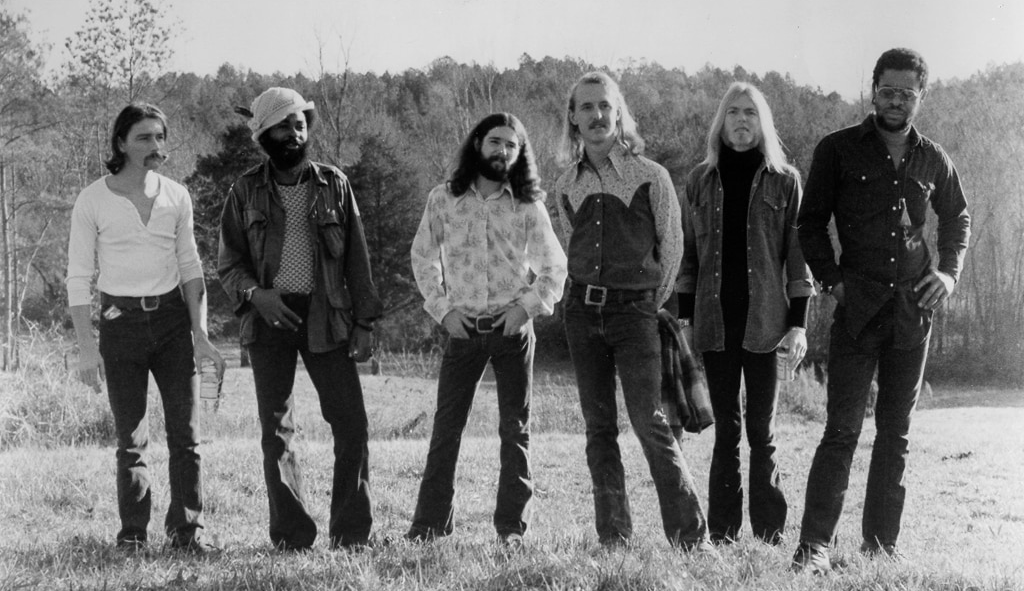
Few bands captured the spirit of Southern rock with the power, soul, and improvisational brilliance of The Allman Brothers Band. Blending blues, jazz, country, and hard rock, the group created a sound that was both deeply rooted in tradition and boldly adventurous. Duane Allman and Dickey Betts delivered unforgettable twin guitar harmonies, while Gregg Allman’s weathered voice and Hammond organ brought emotional weight to every performance. Songs such as “Ramblin’ Man,” “Melissa,” “Whipping Post,” and “Midnight Rider” became enduring classics, celebrated for their memorable melodies and extraordinary musicianship. Whether crafting concise studio recordings or stretching songs into electrifying live jams, the band consistently transformed personal struggle, freedom, and life on the road into timeless music. Their finest tracks remain essential listening for anyone who loves passionate vocals, expressive guitars, and fearless musical exploration.
1. Ramblin’ Man
Ramblin’ Man became the song that carried The Allman Brothers Band furthest into mainstream radio without sacrificing the personality that made the group distinctive. Written and sung by Dickey Betts, it appeared on Brothers and Sisters in 1973 and revealed how naturally the band could draw country music into its blues based sound. The opening guitar figure is bright, relaxed, and instantly memorable, creating the sensation of sunlight striking an open highway. Betts sings with an easy confidence that suits the lyric, while Gregg Allman’s supporting voice adds extra depth. The performance never feels rushed. Every instrument seems to breathe, allowing the melody to unfold with the calm assurance of musicians who understand exactly how much space a song needs.
The words describe a man who views movement as both inheritance and destiny. He does not pretend that constant travel is harmless, yet he cannot imagine becoming someone who remains in one place. That tension gives the song more substance than a simple celebration of the road. The narrator recognizes the emotional cost of his nature even as he accepts it. The closing guitar section is equally important, with harmonized lines rising in graceful patterns that capture the band’s gift for making technical precision sound joyful. Ramblin’ Man remains popular because it welcomes many kinds of listeners at once. Country fans hear familiar storytelling, rock listeners hear a powerful band, and guitar devotees hear elegant interplay. Beneath its friendly surface lies a lasting portrait of freedom, loneliness, and the restless American impulse to keep moving.
2. Midnight Rider
Midnight Rider is a masterclass in atmosphere, restraint, and emotional determination. Released on Idlewild South in 1970, the song was written by Gregg Allman with Robert Kim Payne and quickly became one of the band’s defining recordings. Its rhythm moves with the steady pulse of a traveler crossing dark country roads, while the acoustic guitar figure creates a feeling of quiet momentum. Percussion and bass remain controlled, never overwhelming the vocal, and the arrangement leaves enough open space for every phrase to carry weight. Gregg Allman sings in a voice that sounds weary but unbroken, making the narrator’s refusal to surrender feel entirely believable.
The song’s power comes from its refusal to explain too much. The rider may be escaping the law, emotional pain, poverty, or some combination of all three. What matters is the decision to continue. There is no grand promise of victory, only the conviction that the journey must not end. That modest scale makes the song feel universal. Anyone who has endured a difficult period can recognize the mixture of fatigue and stubborn hope in the performance. Duane Allman’s guitar adds color without disrupting the song’s shadowy mood, and the repeating structure creates the sense that the road continues beyond the final note. Midnight Rider has been interpreted by many artists, but the original band recording remains especially compelling because it sounds lived rather than staged. It captures the Allman Brothers at their most economical, proving that their musical identity could be expressed through a concise song as effectively as through an extended improvisation.
3. Whipping Post
Whipping Post is the song that most completely expresses the emotional and musical intensity at the heart of The Allman Brothers Band. Written by Gregg Allman and first released on the group’s 1969 debut album, it begins with Berry Oakley’s bass establishing an uneven rhythmic cycle that immediately creates tension. The drums enter with force, the guitars answer in sharp phrases, and Gregg delivers the lyric with the sound of someone pushed beyond ordinary frustration. His vocal does not merely describe suffering. It seems to emerge from inside it. The arrangement turns personal betrayal into something larger, almost ritualistic, as each return to the chorus raises the pressure.
The studio version is powerful, but the song became legendary through live performance. Onstage, the band could expand its structure into a vast conversation among guitars, organ, bass, and two drummers. Duane Allman and Dickey Betts approached improvisation with different but complementary voices. Duane often brought piercing slide phrases and blues feeling, while Betts contributed lyrical lines and melodic development. Gregg’s organ provided a dark foundation beneath them. Even during long explorations, the musicians maintained a sense of direction, eventually returning to the central theme with devastating impact. Whipping Post endures because it joins emotional directness with musical ambition. A listener can respond to the anguish of the chorus without understanding the rhythmic design, while a musician can study the performance for years and continue finding new details. It is both a wounded blues confession and a sophisticated ensemble showcase, which makes it perhaps the clearest single example of what the original band could achieve.
4. Melissa
Melissa reveals the tender side of The Allman Brothers Band without losing the quiet sadness that colors so much of their finest music. Gregg Allman wrote the song before the group became famous, and its eventual appearance on Eat a Peach in 1972 gave it an especially reflective atmosphere. The acoustic guitar establishes a gentle foundation, while the organ and electric guitar enter with remarkable sensitivity. Nothing in the arrangement is excessive. Each detail supports the melody and the feeling of a traveler remembering the one person who represents peace, familiarity, and emotional shelter.
Gregg’s vocal performance is central to the song’s lasting appeal. His voice carries natural roughness, yet he sings with patience and care, allowing the softer qualities of his phrasing to emerge. The central character is a wanderer who appears unable to resist the road, but Melissa remains the name associated with home. The song never offers a conventional romantic resolution. Instead, it portrays love as a fixed point in the mind of someone whose life is defined by movement. That sense of distance gives the melody its ache. The guitar work is equally expressive, answering the vocal with lines that feel compassionate rather than showy. Because Eat a Peach arrived during a period of grief following Duane Allman’s death, many listeners hear the recording through a lens of loss, even though the composition came earlier. Melissa remains beloved because it is graceful, intimate, and emotionally honest. It shows that the band’s strength did not depend only on volume or extended improvisation. Their deepest impact could also come from restraint.
5. Jessica
Jessica is one of rock music’s most joyful instrumental recordings, a piece that turns technical brilliance into pure emotional lift. Written by Dickey Betts and released on Brothers and Sisters in 1973, it unfolds through a sequence of memorable guitar themes, rhythmic shifts, and melodic conversations. The opening acoustic texture creates anticipation before the full band enters with a theme that feels expansive and welcoming. Betts plays with remarkable clarity, shaping lines that sing even without words. His tone is warm and rounded, perfectly suited to a composition built around optimism rather than aggression.
Chuck Leavell’s piano is just as important to the recording. His solo brings gospel energy, jazz fluency, and playful rhythmic movement, pushing the piece into fresh territory before the guitars return. The rhythm section keeps everything buoyant, giving the musicians freedom while preserving a strong sense of forward motion. What makes Jessica exceptional is its structure. The composition is long enough to allow exploration, yet every section contributes to a clear emotional journey. Themes disappear, develop, and return with greater force, creating satisfaction without predictability. The absence of lyrics also makes the track unusually open. Listeners can connect it with travel, celebration, memory, or simple pleasure. It has often been associated with driving because its momentum feels so natural, but the music suggests more than movement. It communicates confidence, renewal, and the pleasure of musicians listening closely to one another. Jessica remains a defining example of the Allman Brothers Band after Duane, proving that the group could evolve while preserving its love of harmony, improvisation, and melodic beauty.
6. Statesboro Blues
Statesboro Blues demonstrates how The Allman Brothers Band could take an established blues composition and transform it through arrangement, personality, and live intensity. The song originated with Blind Willie McTell, but the band’s famous performance on At Fillmore East created a version that became central to the Southern rock vocabulary. From the opening guitar entrance, Duane Allman’s slide playing commands attention. His tone is sharp, vocal, and physically expressive, bending notes in ways that seem to laugh, cry, and challenge the singer within the same phrase. Gregg Allman answers with a gritty vocal that respects the blues tradition while sounding unmistakably like himself.
The rhythm section gives the performance its muscular swing. Berry Oakley’s bass moves actively beneath the guitars, while drummers Butch Trucks and Jai Johanny Johanson create a deep, flexible pulse. Dickey Betts contributes guitar lines that support Duane without imitating him, helping the performance feel like a conversation rather than a display by one soloist. The arrangement is disciplined even when the energy becomes explosive. Each turnaround arrives with precision, and the entire band understands when to press forward and when to leave space. Statesboro Blues remains one of the greatest opening statements on any live rock album because it immediately establishes the group’s authority. They sound respectful of the music’s history but completely unafraid to reshape it. The performance also introduced countless listeners to slide guitar as a lead voice. More than a cover, it is an act of interpretation that reveals how tradition survives through imagination, commitment, and fearless ensemble playing.
7. Blue Sky
Blue Sky captures The Allman Brothers Band in a moment of radiant melodic beauty. Written and sung by Dickey Betts, the song appeared on Eat a Peach in 1972 and offered warmth during an album inevitably associated with loss. Its rhythm is relaxed, the vocal is openhearted, and the guitars seem to glow rather than burn. Betts sings with an unaffected sweetness that suits the lyric’s appreciation of love and natural beauty. The words are simple, but their simplicity feels deliberate. Instead of searching for complexity, the song creates a world of sunlight, companionship, and gratitude.
The instrumental passage is the recording’s great centerpiece. Duane Allman and Dickey Betts trade and combine melodic ideas with extraordinary sympathy. Their tones are distinct, yet their phrasing fits together so naturally that the guitars often seem like two parts of a single voice. The solos avoid empty speed. Each phrase develops from the melody and leads gracefully into the next, creating a sense of continuous discovery. Berry Oakley, Butch Trucks, and Jai Johanny Johanson maintain a fluid foundation that keeps the music moving without disturbing its calm. Because this was among Duane Allman’s final studio performances with the band, the guitar exchange carries additional emotional weight for many listeners. Even without that knowledge, however, Blue Sky feels precious. It represents the brighter side of the band’s musical character, where blues feeling becomes gratitude rather than sorrow. The song remains popular because it sounds generous. It does not demand attention through drama. It earns affection through melody, warmth, and the unmistakable pleasure of gifted musicians creating something beautiful together.
8. One Way Out
One Way Out is a thrilling example of The Allman Brothers Band turning a traditional blues framework into a tightly controlled live explosion. Their celebrated recording, released on Eat a Peach, captures the group at the Fillmore East in 1971. The arrangement begins with an urgent guitar figure that immediately establishes danger and motion. Gregg Allman sings from the perspective of a man trapped in a compromising situation, and his delivery balances humor, fear, and streetwise confidence. The lyric may describe romantic trouble, but the performance treats the predicament like a full scale chase.
Duane Allman and Dickey Betts bring different textures to the guitar conversation. Their phrases overlap, answer, and provoke one another, while Berry Oakley’s bass drives beneath them with restless force. The two drummers create a dense but remarkably clear rhythmic foundation. One of the performance’s most exciting moments arrives when the band drops into a drum focused passage before rebuilding the groove. The tension depends on control. Every musician knows exactly where the song is headed, even when the path feels dangerous. That combination of looseness and discipline was one of the group’s defining strengths. One Way Out also shows their ability to entertain without reducing the music’s complexity. The vocal is lively, the central riff is instantly memorable, and the instrumental interaction rewards close attention. It feels spontaneous each time it is heard, as though the musicians are discovering the arrangement in front of the audience. The track remains a favorite because it captures the band doing what they did best, transforming blues tradition into communal excitement through skill, instinct, and fearless momentum.
9. In Memory of Elizabeth Reed
In Memory of Elizabeth Reed stands among the most sophisticated instrumental compositions in the Allman Brothers Band catalog. Written by Dickey Betts, the piece combines blues feeling, jazz influenced harmony, Latin rhythm, and rock power without allowing any one element to dominate. Its central melody is mysterious and elegant, introduced with a calm confidence that invites the listener into a more reflective musical space. The title itself suggests remembrance, yet the composition avoids obvious mourning. Instead, it moves through contemplation, tension, release, and renewed energy.
The celebrated live interpretations allowed the band to expand the piece into a deep group conversation. Betts often established the lyrical core, while Duane Allman brought a more searching and volatile quality to his improvisation. Gregg Allman’s organ added harmonic richness, Berry Oakley’s bass responded actively to the soloists, and the two drummers created shifting currents beneath the music. The performance could become intense without losing elegance because the musicians remained connected to the composition’s themes. Even the most adventurous passages felt related to what came before. That balance between freedom and form is what makes In Memory of Elizabeth Reed so important. It challenges the assumption that rock improvisation must be built around simple harmony or individual display. Here, improvisation becomes collective storytelling. Each player changes the emotional meaning of the piece while preserving its identity. The result is music that can appeal to blues listeners, jazz enthusiasts, and rock fans with equal force. It remains a lasting monument to the band’s curiosity, discipline, and unusual ability to make complex instrumental ideas feel deeply human.
10. Dreams
Dreams introduced one of the most haunting dimensions of The Allman Brothers Band on their 1969 debut album. Written and sung by Gregg Allman, the song moves at a slow, hypnotic pace that gives every instrumental detail room to resonate. The organ establishes a churchlike atmosphere, while the rhythm section creates a gentle sway rather than a hard drive. Gregg’s voice enters with weariness and longing, expressing the feeling of someone trapped between hope and disappointment. The lyric is direct, but the arrangement surrounds it with mystery.
Duane Allman’s slide guitar is the recording’s most distinctive instrumental voice. Rather than using slide only for sharp blues accents, he develops long, floating phrases that seem to drift above the band. His playing becomes a second narrator, answering Gregg’s vocal and extending emotions that words cannot fully express. Dickey Betts adds complementary lines, while Berry Oakley and the drummers maintain the patient pulse necessary for the song’s dreamlike effect. Dreams also points toward the band’s future. Its spacious form gave them room to expand the composition in concert, where solos could explore jazz harmony and blues intensity without disturbing the underlying mood. The song is less immediately cheerful than many of their radio favorites, but its emotional depth has made it a lasting favorite among devoted listeners. It captures uncertainty without surrendering to despair. More importantly, it reveals how fully formed the band’s identity already was at the beginning, with soulful vocals, adventurous guitars, organ rich harmony, and a rhythm section capable of making stillness feel powerful.

Edward Tomlin is a frequent contributor to Singers Room. Since 2005, Singersroom has been the voice of R&B around the world. Connect with us via social media below.
Source link
