
Pop/Hip Hop/R&B
10 Best Nat King Cole Songs of All Time
Jul
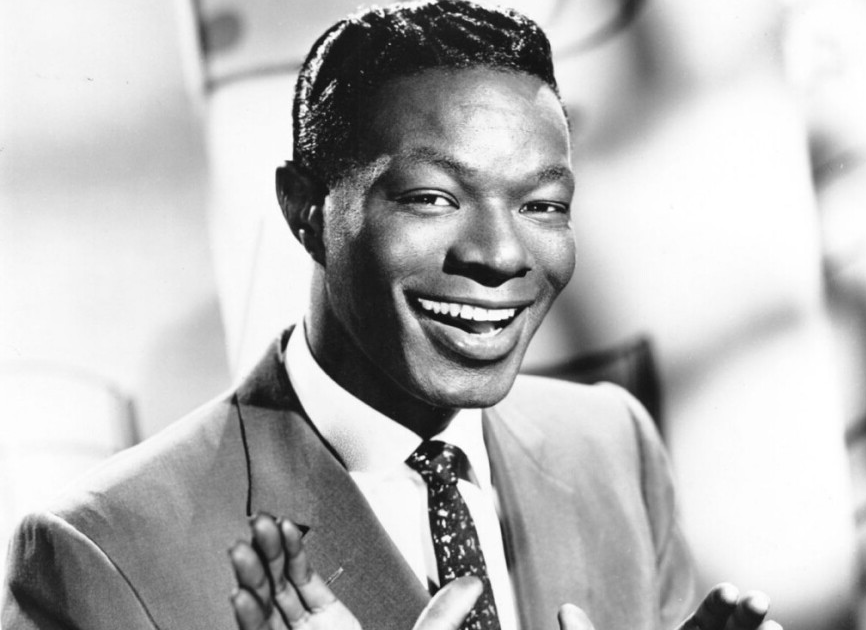
Nat King Cole possessed one of the most elegant and recognizable voices ever captured on record, blending warmth, sophistication, and effortless charm into every performance. Equally gifted as a pianist and vocalist, he created timeless classics that seamlessly crossed jazz, pop, and traditional standards while influencing generations of singers who followed. His remarkable ability to convey romance, hope, nostalgia, and heartfelt emotion made each recording feel intimate, regardless of the size of the orchestra behind him. From unforgettable love songs to festive holiday favorites and beautifully crafted ballads, Cole’s extraordinary catalog continues to captivate listeners around the world. Explore the most popular Nat King Cole songs of all time and rediscover the legendary recordings that established him as one of the greatest vocalists and entertainers in the history of popular music.
1. Unforgettable
“Unforgettable” is the song most closely associated with Nat King Cole’s romantic elegance, combining his velvety baritone with an orchestral arrangement that seems to move as gently as a private memory. Cole never forces the sentiment or attempts to impress the listener through vocal display. He sings with calm certainty, making the declaration of lasting love feel intimate, sincere, and completely natural. His phrasing gives every line room to breathe, while the warmth of his tone suggests that the person being celebrated has become inseparable from the narrator’s inner life.
The arrangement surrounds Cole with strings and restrained instrumental color, creating grandeur without overwhelming the voice. He remains at the center, using slight pauses and delicate changes in emphasis to transform a simple romantic compliment into something profound. The melody unfolds at an unhurried pace, reflecting the idea that truly important memories do not fade when time passes. They become more deeply rooted.
What makes “Unforgettable” endure is its emotional generosity. The narrator does not merely praise another person’s beauty or charm. He expresses amazement that someone so extraordinary could return his affection. That final realization gives the performance humility as well as confidence. Cole sounds grateful, almost astonished, and that sense of wonder prevents the song from becoming overly polished or distant. “Unforgettable” remains one of the greatest romantic standards because it captures devotion without exaggeration. Cole allows melody, diction, and tone to communicate everything necessary. His performance makes love sound permanent, graceful, and quietly miraculous, preserving the song as an essential expression of admiration across generations.
2. L O V E
“L O V E” captures Nat King Cole at his most playful, charming, and rhythmically assured. Rather than presenting romance as tragic longing or solemn devotion, the song celebrates it with bright orchestration, witty wordplay, and an infectious sense of movement. Each letter becomes the beginning of a new romantic image, allowing the lyric to build its message with childlike simplicity and adult sophistication. Cole delivers every phrase with effortless timing, sounding as though he is smiling directly at the listener.
The arrangement moves with a buoyant swing, using brass, percussion, and polished orchestral accents to create a mood of stylish celebration. Cole’s voice remains relaxed throughout, never competing with the musicians or pushing the melody harder than necessary. His rhythmic precision is especially important. He places words slightly ahead of or behind the beat with the instincts of an experienced jazz musician, giving the performance a graceful sense of freedom.
Beneath its cheerful surface, “L O V E” expresses a complete romantic philosophy. Love is presented as something shared, active, and capable of making an ordinary life feel extraordinary. The lyric may be direct, but Cole’s delivery adds layers of affection, confidence, and gratitude. He makes the listener believe that the feeling is both elegant and accessible, something grand enough to inspire an orchestra but simple enough to spell. “L O V E” remains one of Cole’s most popular recordings because it creates immediate happiness without becoming shallow. The melody is timeless, the wordplay is unforgettable, and Cole’s performance demonstrates why warmth and restraint can be more captivating than vocal excess.
3. The Christmas Song
“The Christmas Song” is one of the most beloved seasonal recordings in popular music, largely because Nat King Cole sings it with extraordinary warmth and intimacy. From the opening image of chestnuts roasting beside a fire, the song creates a world of comfort, family, anticipation, and winter nostalgia. Cole’s voice seems perfectly suited to that atmosphere. His baritone is rich and reassuring, making every familiar scene feel immediate even for listeners who have heard the song countless times.
The orchestral arrangement is elegant without becoming overly grand. Strings provide a soft glow, while the rhythm moves gently beneath Cole’s relaxed phrasing. He never hurries through the images. Each one receives enough time to form clearly in the imagination, from bundled children to festive greetings and the expectation of Santa’s arrival. His controlled delivery turns the performance into something resembling a personal holiday message rather than a formal concert piece.
The song’s lasting power comes from the way it combines specific seasonal details with a universal desire for peace and connection. Not every listener shares the exact traditions described, yet nearly everyone understands the longing for warmth, safety, and companionship during the holidays. Cole communicates that longing without sadness, although a subtle trace of nostalgia remains beneath the comfort. “The Christmas Song” endures because it does more than describe Christmas. It creates the emotional atmosphere people hope the season will provide. Cole’s voice becomes part of the tradition itself, returning each year as a familiar presence that links childhood memories, family gatherings, and new celebrations through one timeless performance.
4. Mona Lisa
“Mona Lisa” is one of Nat King Cole’s most captivating narrative ballads, using the famous portrait as a symbol of mystery, loneliness, and emotional distance. Cole addresses the woman in the painting as though she were alive, wondering whether her celebrated smile conceals happiness, heartbreak, or complete detachment. His voice carries curiosity and tenderness, transforming an iconic work of art into a deeply human character study.
The arrangement is restrained and cinematic, allowing the lyric’s central questions to remain in focus. Cole sings with remarkable clarity, shaping each phrase as though he is speaking privately to the figure in the portrait. He never attempts to solve the mystery completely. Instead, he allows uncertainty to become the source of the song’s beauty. The listener is invited to look beyond the surface and imagine the hidden life behind an expression that has fascinated generations.
The song also explores the loneliness of being admired without being known. The Mona Lisa attracts endless attention, yet the narrator wonders whether anyone has truly understood her. Cole gives that idea emotional weight through his gentle delivery. His performance suggests sympathy for someone trapped inside an image, celebrated for appearance while remaining unreachable as a person. “Mona Lisa” therefore becomes more than a novelty inspired by a famous painting. It is a meditation on fame, beauty, and the distance between public perception and private feeling. “Mona Lisa” remains one of Cole’s signature recordings because his voice perfectly balances elegance and melancholy. He turns a cultural symbol into an intimate mystery, leaving listeners with the sense that the most familiar faces may still conceal entire worlds.
5. Nature Boy
“Nature Boy” is one of the most mysterious and spiritually resonant songs Nat King Cole ever recorded. Its story follows an unusual traveler who wanders through the world and eventually shares a simple truth about love. The lyric feels like a fable, blending natural imagery, solitude, wisdom, and wonder. Cole approaches the song with solemn restraint, allowing the strange beauty of the narrative to unfold without unnecessary explanation.
The arrangement creates an atmosphere that feels distant from ordinary time. Strings and orchestral textures surround Cole’s voice with a dreamlike quality, suggesting mountains, forests, stars, and unexplored landscapes. His phrasing is patient and thoughtful, giving the impression that the narrator has encountered something rare and difficult to describe. When the central lesson finally arrives, Cole sings it with quiet conviction rather than theatrical emphasis.
The song’s message is direct: loving and being loved in return may be the greatest lesson a person can learn. Yet the unusual journey leading to that idea gives it extraordinary weight. The wisdom does not come from wealth, education, or social status. It comes from a wandering figure who appears separated from conventional life. Cole’s dignified performance treats him not as an oddity, but as someone carrying knowledge that the modern world has forgotten. “Nature Boy” remains one of Cole’s most powerful recordings because it feels simultaneously ancient and timeless. The melody is haunting, the arrangement is cinematic, and the vocal communicates awe without losing human warmth. Cole transforms a brief encounter into a spiritual meditation on connection, suggesting that every complicated journey may ultimately lead back to the need for love.
6. When I Fall in Love
“When I Fall in Love” is Nat King Cole’s magnificent statement of romantic commitment, presenting love as something too important to approach casually. The narrator refuses to accept temporary affection or emotional uncertainty. He believes that true love must be lasting, complete, and shared equally. Cole delivers this idealistic message with such calm sincerity that it feels less like fantasy than a personal promise.
The orchestral arrangement creates a lush and spacious setting around his voice. Strings rise gently beneath the melody, giving the song a sense of emotional expansion without distracting from the lyric. Cole’s phrasing is measured and exceptionally clear. He allows each thought to unfold naturally, sounding reflective during the opening and increasingly certain as the song progresses. His restraint gives the performance dignity, since the narrator does not need to shout in order to prove the seriousness of his feelings.
The song also acknowledges why such commitment can be difficult. The modern world is described as restless and unstable, a place where love may end before it has fully begun. Against that uncertainty, the narrator chooses patience. He would rather wait than accept a relationship that lacks depth or permanence. That philosophy gives “When I Fall in Love” an emotional maturity beyond an ordinary romantic ballad. “When I Fall in Love” remains one of Cole’s most admired performances because it expresses vulnerability through certainty. The narrator cannot control when love will arrive, but he knows what kind of love he is willing to embrace. Cole’s voice makes that standard sound noble, intimate, and entirely believable.
7. Smile
“Smile” is one of Nat King Cole’s most compassionate recordings, offering encouragement to someone facing heartbreak, fear, and emotional exhaustion. The song does not deny suffering or pretend that a simple expression can remove pain. Instead, it suggests that choosing to smile may help a person continue through a difficult moment. Cole sings with tenderness, sounding less like a distant entertainer and more like a trusted friend offering quiet reassurance.
The melody carries a gentle sadness, creating an important contrast with the hopeful lyric. Cole never performs the song with false cheerfulness. His voice acknowledges the tears and disappointment beneath the advice, making the encouragement feel earned. The orchestral arrangement supports him with warmth and restraint, allowing the melody to rise naturally toward its message of endurance.
The song’s emotional wisdom lies in its understanding that courage does not always look dramatic. Sometimes it consists of facing another day, holding back despair, or allowing hope to remain possible. Cole’s phrasing gives special weight to that idea. He does not command the listener to become instantly happy. He offers the possibility that life may still contain meaning beyond the present sorrow.
“Smile” remains one of Cole’s most enduring songs because it respects sadness while refusing to surrender to it. The performance has comforted generations of listeners precisely because it avoids shallow optimism. Cole’s voice carries the calm of someone who understands that pain and hope can exist together. Through a graceful melody and a deeply humane interpretation, he turns a simple gesture into a symbol of resilience. The smile becomes not a disguise, but a small act of faith in the possibility that joy may eventually return.
8. Route 66
“Route 66” captures Nat King Cole in his swinging trio era, combining travel imagery, jazz rhythm, and effortless vocal charm. The song follows the famous American highway across a sequence of cities and towns, turning a map into a musical adventure. Cole sings with infectious ease, making every destination sound like an invitation to movement, freedom, and discovery.
The performance highlights his gifts as both a vocalist and pianist. The trio arrangement is lean, lively, and rhythmically sophisticated, allowing guitar, bass, piano, and voice to interact with remarkable clarity. Cole’s timing gives the lyric its momentum. He does not merely recite place names. He shapes them into part of the groove, using pronunciation and emphasis to make geography feel musical.
The highway becomes a symbol of postwar possibility, offering travelers the promise of new landscapes and experiences. Yet the song’s appeal extends beyond any particular road. It captures the excitement of leaving familiar surroundings and discovering what lies beyond the next town. Cole’s polished delivery gives the journey elegance, while the swinging rhythm keeps it grounded in the pleasure of motion.
“Route 66” remains one of Cole’s most influential recordings because it demonstrates the sophistication of his early trio style. Long before he became primarily associated with lush orchestral ballads, he was an exceptional jazz pianist and ensemble leader. This performance preserves that side of his artistry beautifully. The song is playful, precise, and filled with understated virtuosity. Cole turns a roadside itinerary into a timeless celebration of travel, rhythm, and the open road, making listeners feel ready to begin the journey before the final note has arrived.
9. Too Young
“Too Young” is one of Nat King Cole’s most tender romantic ballads, presenting young love as something dismissed by outsiders but deeply real to the people experiencing it. The narrator has been told that he and his partner are not mature enough to understand lasting devotion. Rather than responding with anger, he calmly insists that age does not determine the sincerity of their feelings.
Cole sings with extraordinary gentleness, giving the youthful perspective dignity rather than treating it as naive. His voice is mature and composed, yet he preserves the vulnerability of someone asking the world to take his emotions seriously. The orchestral arrangement surrounds him with soft strings and graceful instrumental movement, creating an atmosphere of innocence without becoming childish.
The song’s emotional power comes from the contrast between public judgment and private certainty. Other people may believe the relationship will fade, but the narrator trusts what he feels in the present. He does not attempt to prove that he knows everything about life. He simply argues that love can be genuine even when those experiencing it are still growing. Cole’s restrained delivery makes that argument persuasive because he never oversells the sentiment.
“Too Young” remains one of Cole’s most popular recordings because nearly every generation understands the frustration of having important feelings dismissed. The song speaks to young lovers, but it also reminds older listeners of a time when emotion seemed both fragile and absolute. Cole transforms that experience into a performance of remarkable grace. His voice protects the sincerity of the narrator, allowing youthful devotion to stand on its own without apology. The result is romantic, wistful, and timeless.
10. Ramblin’ Rose
“Ramblin’ Rose” presents Nat King Cole in a country influenced setting, telling the story of a restless woman who continues moving from place to place and relationship to relationship. The narrator addresses her with affection, concern, and curiosity, wondering why she cannot settle down despite the possibility that someone might offer genuine love. Cole’s performance avoids harsh judgment. He sings as though he understands that the woman’s wandering may be part of her nature rather than a flaw she can easily correct.
The arrangement combines orchestral polish with country flavored rhythm and supporting vocals, creating a sound that broadens Cole’s familiar pop style. His voice remains smooth and composed, but the melody allows him to adopt a more conversational tone. Each return to the title sounds affectionate, almost like a nickname spoken by someone who has watched the woman leave many times.
The rose image gives the song emotional depth. A rose is beautiful, but it is also delicate and difficult to hold without encountering thorns. By describing the woman as a wandering rose, the lyric suggests that her independence is inseparable from her appeal. The narrator may wish she would remain, yet he is also fascinated by the freedom that keeps her moving.
“Ramblin’ Rose” remains an important Nat King Cole song because it demonstrates his ability to cross stylistic boundaries while preserving his distinctive elegance. He could move from jazz and orchestral pop into country influenced material without sounding unnatural. The recording is warm, melodic, and touched by sadness, capturing the bittersweet experience of loving someone who may never stay long enough to be fully known.

Edward Tomlin is a frequent contributor to Singers Room. Since 2005, Singersroom has been the voice of R&B around the world. Connect with us via social media below.
Source link
