
Pop/Hip Hop/R&B
10 Best David Bowie Songs of All Time
Jul
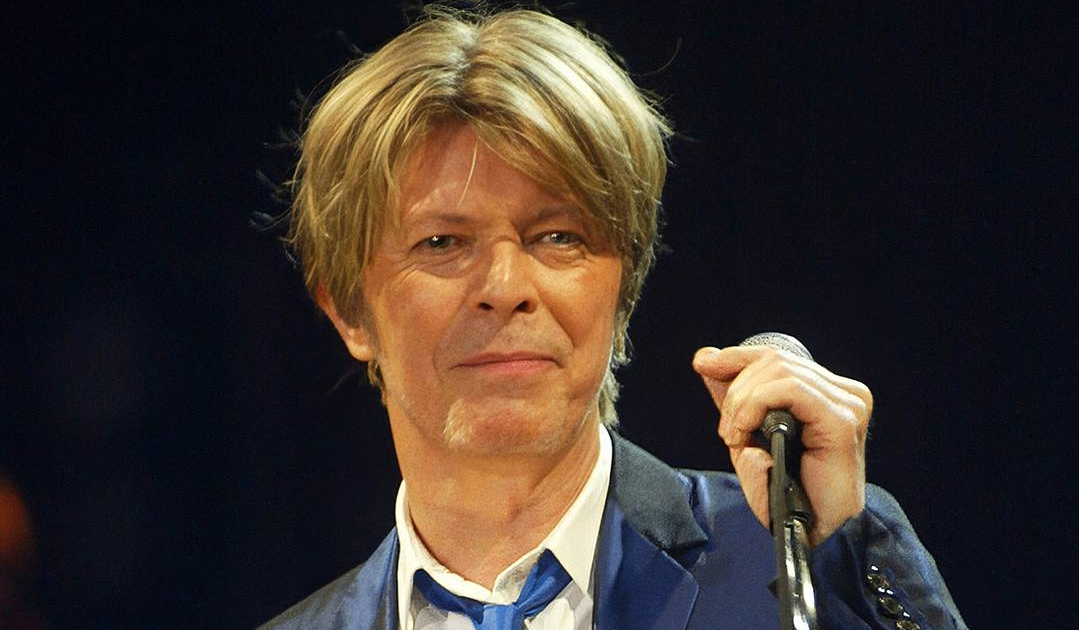
Few artists have reshaped popular music as boldly and brilliantly as David Bowie. Across five decades, the legendary singer, songwriter, and cultural chameleon moved effortlessly through glam rock, soul, electronic experimentation, art rock, and atmospheric pop. His greatest songs introduced unforgettable characters, explored alienation and fame, and transformed personal reinvention into a thrilling artistic statement. From the cosmic wonder of “Space Oddity” and the rebellious energy of “Rebel Rebel” to the emotional grandeur of “Heroes” and the haunting farewell of “Lazarus,” Bowie consistently challenged listeners while delivering irresistible melodies. His distinctive voice, theatrical imagination, and fearless approach to sound made each era feel like the arrival of an entirely new artist. These enduring tracks reveal why David Bowie remains one of music’s most influential, mysterious, and endlessly fascinating icons.
1. Heroes
Heroes is one of those rare songs that began as an artful experiment and gradually became a universal anthem. Released in 1977 as the title track of Bowie’s second album from his celebrated Berlin period, the recording places private emotion inside an enormous sonic landscape. The opening feels restrained, almost watchful, with a steady rhythm section and layers of synthesizer establishing a sense of suspended time. As the performance develops, Robert Fripp’s sustained guitar lines hover over the arrangement like signals passing through fog. Bowie begins in a measured voice, but each verse demands more from him until he is singing with startling force. Producer Tony Visconti helped capture that escalating intensity through a recording setup that allowed progressively distant microphones to open as Bowie sang louder.
The lyric concentrates on two people who imagine that love can briefly defeat the pressures surrounding them. Bowie does not promise permanent victory. Instead, the song celebrates one day, one moment, and one act of emotional courage. That limitation is precisely what gives Heroes its power. The characters know their triumph may be temporary, yet they claim it anyway. Over time, the song has become associated with resilience, political change, communal remembrance, and deeply personal survival. Its greatness lies in the tension between vulnerability and grandeur. Bowie sounds human enough to be wounded, theatrical enough to become mythic, and sincere enough to make the listener believe that transformation is possible. Few recordings better demonstrate his ability to turn uncertainty into something magnificent.
2. Space Oddity
Space Oddity introduced the wider world to David Bowie as a songwriter capable of combining popular melody, cinematic imagination, and unsettling psychological detail. Released in 1969, the song follows astronaut Major Tom as he prepares for launch, enters space, and gradually slips beyond the reach of Ground Control. The arrangement is essential to the drama. Acoustic guitar gives the opening an intimate folk quality, while Mellotron, strings, stylophone, bass, and carefully placed effects expand the sound as the spacecraft leaves Earth. The famous countdown creates anticipation, but Bowie refuses to deliver a conventional heroic adventure. Instead, the excitement of exploration turns into isolation, ambiguity, and quiet surrender.
Major Tom became one of Bowie’s most enduring characters because he can be interpreted in so many ways. He is an astronaut, a celebrity, an exile, a dreamer, and perhaps a person withdrawing from an unbearable reality. Bowie sings both the official voices on Earth and the increasingly detached traveler above them, giving the song the feeling of a conversation between duty and escape. The melody remains beautiful even as the narrative grows disturbing. That contrast prevents the record from becoming a novelty tied only to the era of the first Moon landing. Space Oddity still sounds emotionally immediate because its central fear is timeless: the possibility of becoming disconnected from everyone who once knew you. Bowie would revisit Major Tom in later work, but the original appearance remains the most haunting. It is elegant science fiction expressed as intimate human loneliness.
3. Life on Mars?
Life on Mars? is among David Bowie’s most dazzling demonstrations of how a song can feel both theatrical and emotionally precise. First released on the 1971 album Hunky Dory, it begins with Rick Wakeman’s stately piano and Bowie’s close, expressive vocal. The arrangement soon expands through Mick Ronson’s sweeping strings and guitar, creating a sense of grandeur that resembles a miniature film score. Yet beneath the beauty lies a sharp portrait of disappointment. The central figure, often described as a young girl seeking escape from a dull and painful life, turns to the cinema only to find another parade of artificial images, commercial distractions, and recycled spectacle.
Bowie fills the lyric with surreal scenes that arrive like rapidly changing channels. Sailors fight, lawmen attack, and popular culture becomes a strange pageant watched by someone who desperately wants meaning. The title question does not function as a literal inquiry about another planet. It sounds more like a cry of disbelief directed at the world itself. Is there somewhere beyond this confusion where life might feel real? Bowie’s vocal performance makes the song unforgettable. He moves from tenderness to astonishment, then rises into the chorus with a clarity that is both technically controlled and emotionally overwhelming. Life on Mars? rewards repeated listening because its imagery never settles into a single explanation. It can be heard as social criticism, adolescent frustration, glamorous fantasy, or existential bewilderment. Its extraordinary achievement is that all those readings coexist inside a melody that feels instantly classic.
4. Let’s Dance
Let’s Dance gave David Bowie one of the largest commercial successes of his career while proving that accessibility did not require the abandonment of intelligence or atmosphere. Released in 1983, the song was shaped by the brilliant production and guitar work of Nile Rodgers. Its rhythm is spacious, precise, and immediately physical. Rather than crowding every beat, the arrangement allows the drums, bass, percussion, horns, and guitar to create a confident sense of motion. The opening vocal command feels ceremonial, as though Bowie is inviting the listener into a dance that carries emotional consequences. Stevie Ray Vaughan’s guitar adds flashes of blues intensity, especially near the ending, bringing a rougher human edge to the polished surface.
The lyric may appear simple at first, but Bowie fills it with nervous romantic imagery. Dancing becomes a response to fear, desire, social pressure, and the possibility that a relationship may collapse. The red shoes suggest glamour and movement, yet the song also contains shadows of dependency and urgency. Bowie’s vocal performance is commanding without becoming cold. He sings like a sophisticated master of ceremonies who understands that celebration and desperation often occupy the same room. The accompanying video strengthened the song’s impact by placing its stylish sound against images concerned with inequality and cultural exploitation in Australia. As a recording, Let’s Dance remains a model of intelligent popular music. It is instantly recognizable, rhythmically irresistible, and more emotionally complicated than its bright surface initially reveals. Bowie did not merely follow contemporary dance music. He entered it, reshaped it, and made it unmistakably his own.
5. Starman
Starman is the song that helped transform David Bowie from an admired cult figure into a defining presence of the glam rock era. Released in 1972 and included on The Rise and Fall of Ziggy Stardust and the Spiders from Mars, it presents an extraterrestrial messenger who reaches young listeners through the radio. The premise is playful, but the emotional effect is profound. Bowie understood radio as a private doorway into another world, especially for teenagers who felt misunderstood by family, school, or society. When the Starman makes contact, he does not arrive to conquer Earth. He offers wonder, freedom, and the possibility of a different way to live.
Musically, the song is filled with carefully judged details. The acoustic verses create intimacy, while the chorus opens upward with a memorable melodic leap and bright backing vocals. Mick Ronson’s arrangement adds strings and guitar without overwhelming the song’s directness. Bowie sings with a mixture of secrecy and delight, as though he is sharing forbidden news with the listener. His famous television performance of the song also became culturally important because his appearance, gestures, and easy closeness with Ronson challenged conventional expectations of rock masculinity. Yet Starman endures for reasons beyond image. It captures the emotional moment when popular music tells an isolated person that they are not alone. The visitor in the sky can represent Bowie, Ziggy Stardust, rock music itself, or any creative force that gives outsiders a language. Warm, melodic, and quietly radical, the song remains one of Bowie’s most generous invitations.
6. Changes
Changes became an unofficial statement of purpose for David Bowie, even though its lyric is more conflicted than a simple celebration of reinvention. Released on Hunky Dory in 1971, the song is built around piano, saxophone, bass, drums, and an arrangement that moves with light theatrical confidence. Bowie addresses artistic uncertainty, generational tension, and the strange experience of watching identity shift faster than the world can understand it. The famous chorus is catchy enough to sound triumphant, but the verses contain self doubt and frustration. Bowie seems aware that transformation can be liberating while also leaving a person without stable ground.
The recording arrived before many of the personas that would make Bowie internationally famous, which gives it a prophetic quality. Ziggy Stardust, Aladdin Sane, the Thin White Duke, and numerous later versions of Bowie were still ahead, yet Changes already announced that permanence would not define his career. His stuttering delivery before the title word adds wit, tension, and rhythmic personality. It also turns the act of speaking about change into a physical struggle, as though the new identity must push through the old one. The song’s generational message remains equally important. Bowie recognizes that young people will resist inherited assumptions and that adults often fear what they no longer control. Decades later, Changes still feels fresh because it refuses to treat identity as finished. It celebrates curiosity, movement, and the courage to revise oneself, while acknowledging that reinvention carries confusion along with excitement.
7. Rebel Rebel
Rebel Rebel is David Bowie at his most immediate, swaggering, and gloriously direct. Released in 1974, the song is powered by one of rock music’s most recognizable guitar riffs, a circular phrase that sounds loose, defiant, and impossible to contain. Bowie reportedly played the central guitar part himself, and its rough texture gives the recording a garage rock energy that contrasts with the elaborate concepts of his earlier glam period. The rhythm section stays firm and uncomplicated, allowing the riff and vocal to dominate. From the opening seconds, the song feels like a celebration already in progress.
The lyric addresses a figure whose appearance and behavior disturb conventional ideas about gender, respectability, and social obedience. Bowie does not treat this character as confused or tragic. He presents rebellion as style, confidence, and self invention. The affectionate tone is crucial. The singer sounds amused, admiring, and slightly overwhelmed by someone who refuses to fit the available categories. That perspective helped the song become an enduring anthem for listeners who recognized themselves in its portrait of glamorous difference. Rebel Rebel also marks a turning point in Bowie’s work. It carries the glitter and provocation of Ziggy Stardust while pointing toward the tougher rhythm and soul influences that would soon reshape his music. Its popularity comes from that perfect combination of simplicity and attitude. The riff can fill a stadium, but the lyric still feels like a private message to anyone who has ever made other people uncomfortable simply by appearing as themselves.
8. Under Pressure
Under Pressure brought David Bowie together with Queen for a recording that feels spontaneous, dramatic, and emotionally urgent. Released in 1981, the song is immediately identified by John Deacon’s famous bass pattern, a remarkably economical figure that creates both movement and tension. Around it, piano, percussion, guitar, handclaps, and layered voices form an arrangement that repeatedly expands and contracts. Freddie Mercury and Bowie do not approach the performance as polite duet partners. They challenge, answer, interrupt, and push one another, creating the sensation of two powerful personalities trying to make sense of the same crisis in real time.
The lyric examines the forces that place ordinary people under unbearable strain. Fear divides communities, pressure damages relationships, and daily life becomes a struggle for dignity. Yet the song refuses to end in despair. Its final appeal to love is not sentimental decoration. Love is presented as a difficult responsibility that requires people to care for those who are vulnerable and to change the way they treat one another. Bowie’s voice adds gravity and intellectual sharpness, while Mercury brings extraordinary emotional agility. Their contrasting styles become complementary, especially as the performance approaches its climax. Under Pressure remains popular because it combines a memorable groove with a genuinely serious moral argument. It can energize a crowd, command a radio, or stop a listener with a single phrase. The collaboration captured both artists at a point when they understood how theatrical music could also speak directly about compassion, anxiety, and human survival.
9. Ashes to Ashes
Ashes to Ashes is one of David Bowie’s richest acts of self examination. Released in 1980 on the album Scary Monsters, the song returns to Major Tom, the astronaut first introduced in Space Oddity. This time, however, the heroic mystery has vanished. Major Tom is described as damaged, unreliable, and trapped within his own compulsions. By revisiting an earlier character, Bowie confronts his public mythology and the personal cost of the decade that followed his first major success. The result is not a nostalgic sequel. It is a strange, elegant reckoning with memory, addiction, fame, and artistic identity.
The music is equally distinctive. A winding bass line, synthetic textures, unusual guitar colors, and a nursery rhyme quality create an atmosphere that is playful on the surface and deeply uneasy underneath. Bowie’s vocal moves between detached observation and intimate confession. The chorus feels comforting at first, but its repetition becomes increasingly ominous, like advice passed down through a dream. The celebrated video strengthened the song’s impact through images of Bowie dressed as a Pierrot figure, walking through surreal landscapes with solemn companions. Those visuals matched the recording’s mixture of beauty, artificiality, and emotional distance. Ashes to Ashes became a major hit because Bowie transformed difficult personal material into immaculate pop. It rewards close listening without sacrificing melody. More importantly, it demonstrates his rare willingness to question his own legend. Rather than preserve Major Tom as a beloved icon, Bowie dismantled him and discovered a new creative future in the remains.
10. Modern Love
Modern Love opens with the sound of David Bowie speaking as though he has already entered the middle of an argument, then bursts into one of the most energetic performances of his nineteen eighties career. Released on Let’s Dance in 1983, the track combines rock and roll piano, a driving beat, bright horn lines, gospel influenced backing vocals, and a tightly controlled arrangement. Nile Rodgers produced the recording with exceptional clarity, allowing every rhythmic detail to contribute to its forward motion. Bowie sings with urgency and authority, but the lyric reveals a mind that is far less certain than the music suggests.
The song circles around faith, romance, institutions, and the difficulty of trusting anything in a modern world. Bowie describes a relationship to religion that is skeptical but not emotionally indifferent. He recognizes the comfort of belief while resisting the structures that claim to define it. The repeated phrases about standing, falling, and getting things done give the song a restless quality, as though motion itself has become a defense against doubt. This tension makes Modern Love far more than an upbeat closing statement. It is exuberant music carrying a complicated spiritual argument. The chorus feels communal, almost like a revival meeting, even as the singer questions the promises such gatherings offer. That contradiction is classic Bowie. He can inhabit celebration and alienation at the same time. Decades after its release, the song remains irresistible because its polished surface never erases the uncertainty underneath. It dances precisely because standing still might force too many difficult answers.

Edward Tomlin is a frequent contributor to Singers Room. Since 2005, Singersroom has been the voice of R&B around the world. Connect with us via social media below.
Source link
