
Alternative Rock
ATLAS ‘Sunder’ | Track By Track
Feb
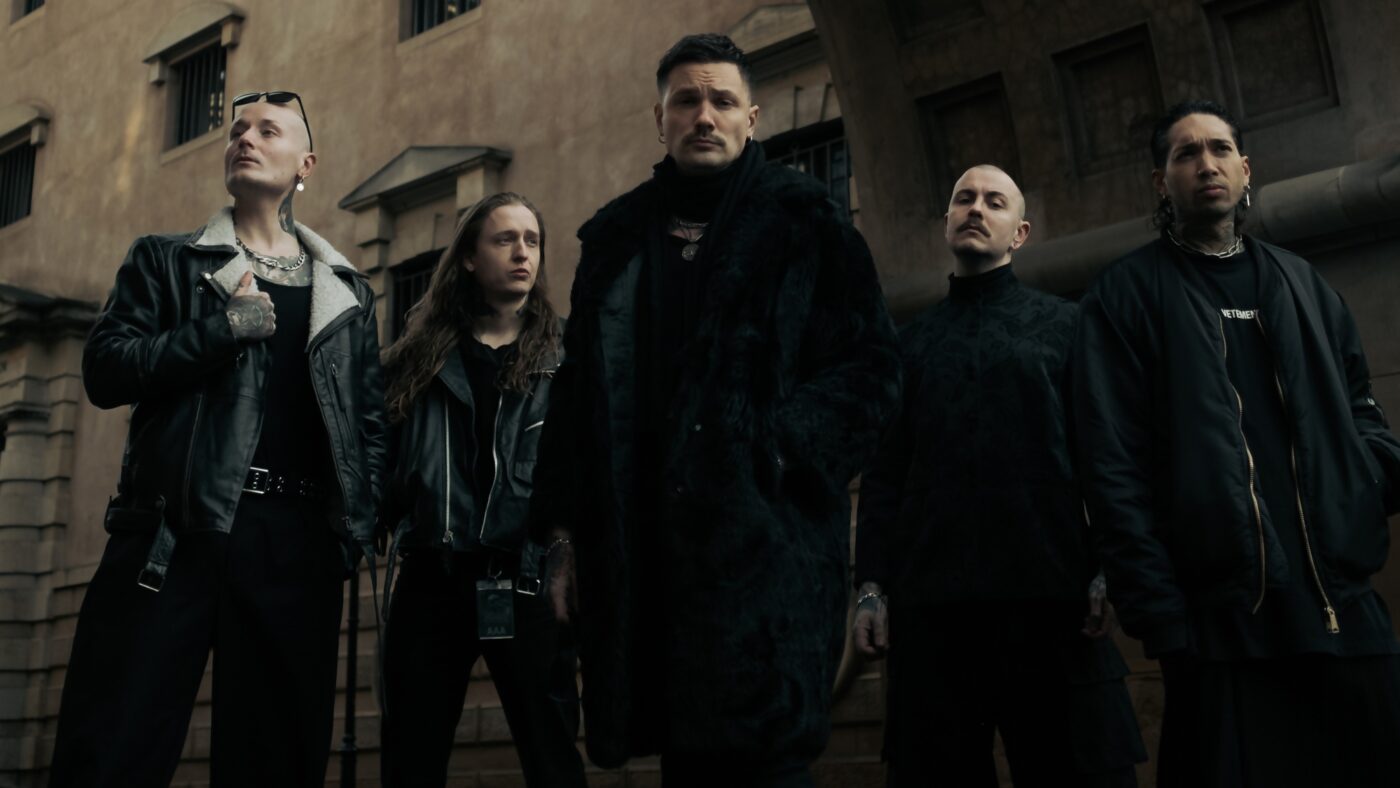
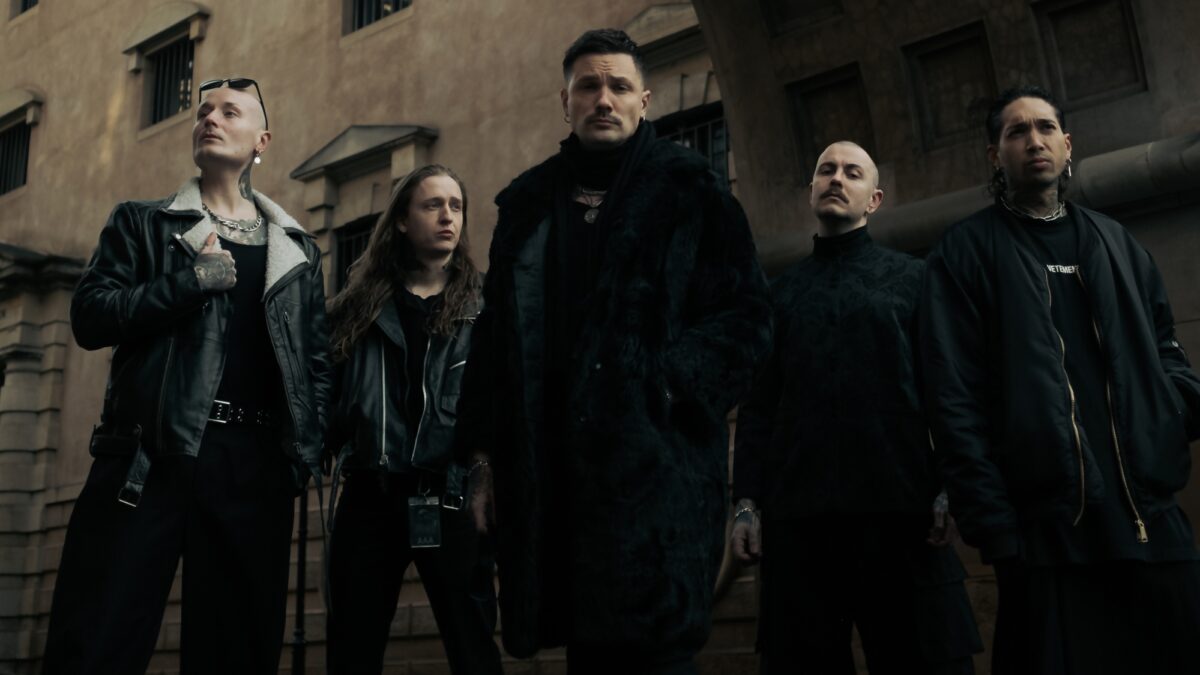
ATLAS guitarist/vocalist Tuomas Kurikka takes us through the inspirations, influences and intents of their beautifully bold and bludgeoning new album.
Sermon of the Dying Light
This track was always meant to be more about setting a mood than being a “song” in the usual sense. I wanted to strip everything back and let tension build slowly through sound design rather than riffs. The opening comes from a field recording of a frozen lake in Finland during winter, when the ice expands and cracks under pressure. It’s a really eerie, almost living sound that a lot of people probably haven’t heard before. That texture, along with the whispers and low-tuned strings, keeps coming back throughout the album. Those elements help tie everything together and give the record a more personal and grounded atmosphere. ‘Sermon’ is there to pull the listener into the world of the album before anything heavy actually happens.
Tower
‘Sermon’ runs straight into ‘Tower’, which is where the album really hits for the first time. It’s the heaviest track on the record and, funnily enough, it was also the last one we wrote. It only came together a couple of weeks before we sent the album off for mixing, even though some of the other songs had been around for years. I wanted it to feel instantly recognisable and aggressive, but still carry that dark, unsettling atmosphere. A lot of the heaviness comes from using percussive elements as part of the riffs, which gives the song a really physical, almost primal drive. I was already thinking about live shows while writing it, knowing we’d open with the ‘Sermon’ into ‘Tower’ combination. It’s short, direct, and straight to the point, and it sets out the dynamics of the band right from the start.
Salt and Sulfur
‘Salt…’ was easily my favourite song to write on the album, mostly because of how naturally it came together. I usually take a long time with writing and tend to overwork things, but this one was different. The main riff came out of jamming in that groovy tempo and following the feel of it. Once that riff was there, I made a conscious effort not to overthink anything and just keep building parts that felt right instinctively. Because of that mindset, the whole song came together in a single day, which is pretty rare for me. The lyrics and vocal ideas followed quickly after; it felt like the song already knew what it wanted to be.
There’s a lot of energy running through the track, but I didn’t want the vocals to match that intensity in an obvious way. I wanted them to feel restrained and slightly detached, sitting above all that heaviness. I’ve always been drawn to that contrast, especially in bands like Deftones, where the instrumentals can feel massive and aggressive while the vocals just float on top and move in their own space. Lyrically, the song deals with the difficulty of letting go of something you love, even when you know it’s going to hurt you in the end. It’s about recognising the warning signs, understanding where things are heading, and still choosing not to change course until everything finally collapses. It’s a very human experience, and one that can apply to a lot of different situations.
I Whisper Your Name Like a Curse
This song was heavily inspired by bands like HIM and Type O Negative, especially in terms of mood and pacing. We took a very minimalist approach to the structure, focusing on big, open chords, a slow tempo, and an atmosphere that feels weightless and suspended. There’s a lot of space in the song, and that was intentional. We wanted it to feel patient and almost ritualistic, letting the emotion come through slowly.
The lyrics come from a very personal place, and it’s not a story we want to fully unpack, but the core of it is about the complicated relationship we can have with loved ones who have passed away, especially when there’s no real sense of closure. In this case, the song is tied to an experience Patrik [Nuorteva, Vocalist] had where he received a message from the afterlife through someone else’s dream. The message included a shared memory that only Patrik could have known, along with an expression of love and a request for forgiveness. It was an intense and deeply affecting moment, and we knew we had to honour it through music.
The title and emotional centre of the song come from a lyric Patrik had originally written in Finnish years ago, which we later translated into English. Once that line resurfaced, it became clear that it carried the soul of the track. The song felt less like something we consciously wrote and more like something we moved through. Closer to a spiritual experience than a creative process.
Coven of Two
Coven of Two was originally written with Buster Odeholm in 2022 and it was our first time collaborating together. That session was extremely productive in a very unforced way. We weren’t analysing or refining ideas, just throwing riffs around and following whatever felt exciting in the moment. By the end of the first day, we had material for three songs. That lack of pressure made the process feel free, especially compared to how long and detailed writing normally is for me.
As the album took shape, most of what we wrote that day either changed completely or was left behind, and Coven went through an absurd number of versions. At different points, it had a guitar solo, multiple chorus melodies, key changes, and a much more complex structure overall. Eventually, all of that was stripped away in favour of something far more minimal. Once the excess was gone, the core of the song finally felt clear.
Tracking the opening riff is one of my favourite memories from the entire album process. It was played on an acoustic guitar tuned down to low C#, which was never meant to handle that kind of tension. I had bought the guitar earlier that same day and immediately decided to abuse it with that tuning. The result was this dark, warped tone that felt genuinely sinister. A lot of the atmosphere and emotional weight of the track is inspired by Chelsea Wolfe, who has been a huge influence on me and whose sense of darkness and restraint really shaped how this song ultimately came together.
Altar of Your Love
This was another song written together with Buster, and from the moment he laid out the chorus chords, it was obvious there was something special there. That chord progression, played at such a slow and patient tempo, carried a lot of weight on its own. It hit us immediately and in a very emotional way, to the point where it genuinely caught us off guard.
Later, we went through a lot of different ideas for the chorus melodies, trying to see how much we could add before realising that less was doing far more. In the end, we landed on something very instinctive and restrained, with humming and low-pitched vocals drifting above the chords. I think it was Leevi who came up with that humming melody that was something like a mix between Madonna and Depeche Mode. That choice gave the song space to breathe and let the emotion come through in a unique way. The key change at the end is where the song really shifts deeper into a sense of melancholy and longing. I remember working on that final section and simply stacking every melody from earlier in the song on top of each other for the outro, and I couldn’t believe how good it sounded.
Anodyne
‘Anodyne’ was the first song I finished for the album, and in many ways it set the direction for everything that followed. Writing it felt like finally locking into a sound that was both fresh and distinctly ours. The sonic palette that came together here became a kind of blueprint for the rest of the record, especially in terms of atmosphere and melodic language. There’s a strong influence from Chelsea Wolfe on this one as well, particularly in the dark, foreboding mood and the slower, doom-leaning riffs.
Lyrically, Anodyne deals with coming to terms with loss and grief. Our previous album spent a lot of time living inside that grieving process, and with this song, I felt a need to close that chapter, both emotionally and musically. It isn’t about erasing that pain, but about acknowledging it and finding a sense of resolution. One of my favourite moments on the entire record happens near the end of this song, with the vocal choir section. I asked Leevi [Luoto, Guitarist] to go for something theatrical and unapologetically big, and he completely delivered, giving the song a release that felt earned after everything that comes before it.
Sunder
This track almost didn’t make the album. I wrote it, demoed the vocals, and then left it sitting for a long time because I didn’t think it stood out in any meaningful way. Sometimes I need real distance from a song to hear it clearly, and this was very much one of those cases. When I eventually revisited it while listening through the album as a whole, it became immediately obvious that it belonged there. In context, it carried a mood and weight that felt essential to the record.
The lyrics and sound design are heavily influenced by a series of dreams I kept having around that time. In them, I was stuck in this strange, grey world with nothing around me except a distant amber glow in the sky. There was a strong sense of being trapped, like existing in some kind of liminal afterlife. Those dreams led me to think about Akseli Gallen-Kallela’s painting Lemminkäisen Äiti, which depicts a moment from the Finnish national epic Kalevala. In the story, Lemminkäinen is killed and thrown into the river of Tuonela, the land of the dead. His mother gathers the scattered pieces of his body from the river and restores him to life through love, determination, and ritual. That image of death, limbo, and the possibility of return resonated deeply with the emotional space of the song.
Source link
