
Alternative Rock
Bailey Spinn On ‘death & devotion’ & Finding Her Power In Heavy Music
Nov
For many musicians, evolution is the key to keeping things exciting, and that’s no different for Bailey Spinn.
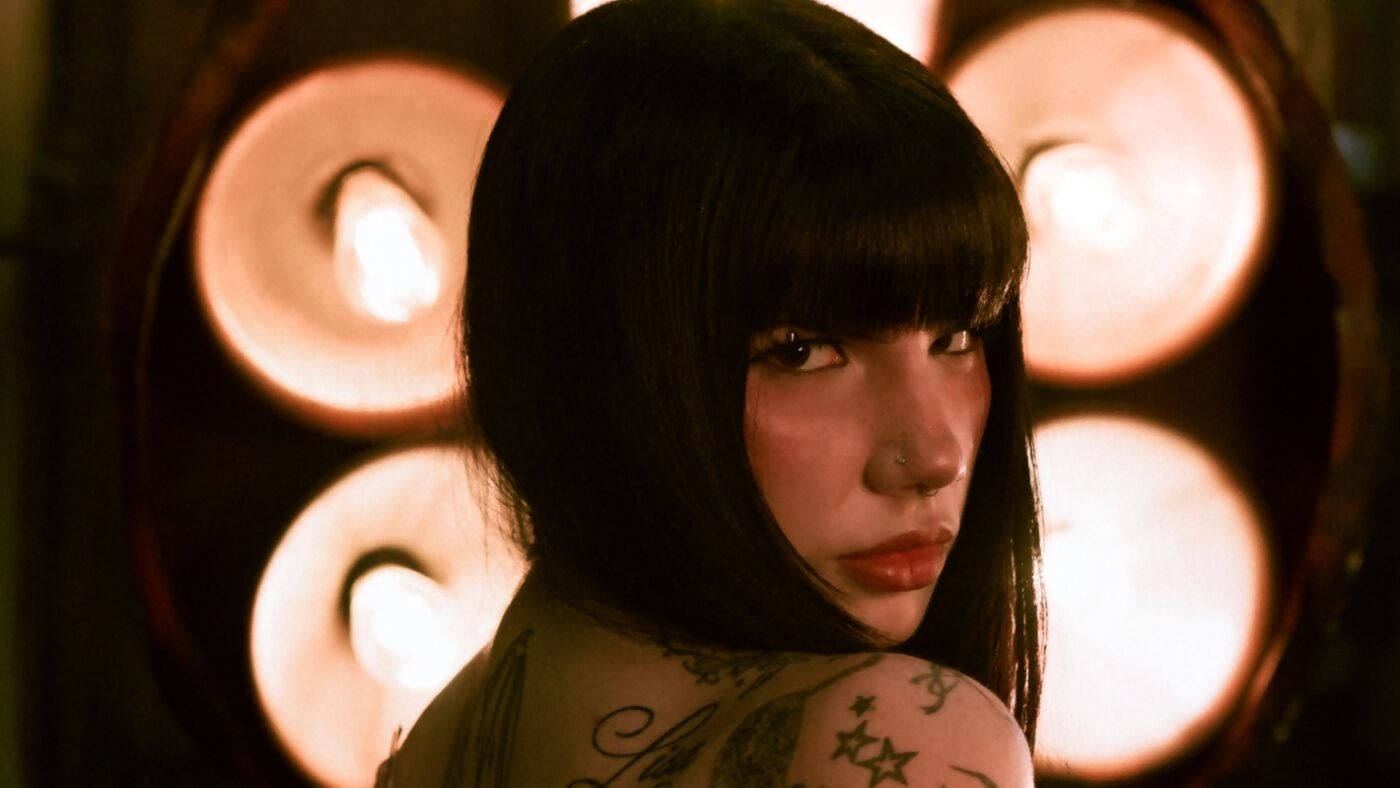
Part of a new generation of artists breathing fresh life into pop-punk and the alternative scene, the 24-year-old singer-songwriter officially arrived last year with debut album ‘loser’. Less than two years later though, she’s already outgrown parts of the person and artist captured across those songs.
That distinctly human growth sits behind everything you hear on her second full-length ‘death & devotion’, following her instincts further into heavy music and finding Bailey louder, darker, and more assured than ever before. A collection of cathartic, hard-hitting rock songs overflowing with deeply personal reflections on mental health, self-image, relationships, and identity, it’s the sound of an artist learning to trust both the power of her voice and the strength of her own creative instincts.
Following a huge run of shows alongside Scene Queen and WARGASM, Rock Sound caught up with Bailey to talk about embracing her heaviest chapter yet, learning to protect herself while remaining vulnerable, and why ‘death & devotion’ is only the beginning of the artist she’s becoming.
ROCK SOUND: Your debut album ‘loser’ only arrived last year, but ‘death & devotion’ already feels like a pretty significant evolution. Did you know immediately after finishing the first record that you wanted to push further into heavy music, or did that happen naturally as you started writing again?
BAILEY SPINN: When I started to get back into music sessions a few months after ‘loser’, my inspiration was naturally much heavier. My music taste has evolved over the years, and I felt as though the pop-rock sound was no longer authentic to who I was. It just felt right to start making heavier songs at that time, and heavier music better suits who I am today.
RS: The title of ‘death & devotion’ feels like it contains two emotional extremes. What did those words come to represent to you as the album started taking shape?
BAILEY: I chose to title the album ‘death & devotion’ because of the evolution I’ve had as a person and artist over the years. I really no longer resonate with or recognise the version of myself from a few years ago, and I’ve left behind a lot of things that no longer serve me. ‘Devotion’ came from the aftermath. I had challenged myself to be fully committed to my music, and I have finally done it. It was a hard journey to let go of things like my old online persona, but the journey was worth it in the end. ‘death & devotion’ is a testament to my passion for music, and my dedication to making the dream happen.
RS: There’s a really clear progression we’ve seen taking shape across the singles, with ‘critical’, ‘voodoo’, and ‘start again’ showing how comfortable you’ve become with those heavier guitars, darker atmospheres, and more aggressive vocals. Did working on this record feel like you were able to unlock a version of your voice that you hadn’t fully tapped into before?
BAILEY: I definitely have grown as a vocalist over the course of making this album. I was timider and more lost making ‘loser’, because I was very new to singing and nervous to try something new. Over the past year I’ve started pushing myself to sing songs that make me uncomfortable, because the only way to get better is to keep trying. I was able to find the power in my voice making this album, and to stop being afraid to use it.
RS: You’ve specifically described the album’s opener ‘start again’ as a test for your new vocal skills. How much work went into developing that heavier side of your voice?
BAILEY: I spent a lot of time practising belting, and challenging myself to sing difficult songs in order to grow. It doesn’t always start out pretty, but I was focused on locating the power in my range, and how I could use it in this heavier sound. I was going in a heavier direction either way and finding my ability to channel the heavier side of my voice made the transition even easier. I naturally created high and powerful melodies, and it just felt right. I knew I could hit the notes if I really tried.
RS: The artists that have influenced this era of your music come from all corners of heavy music, ranging from Loathe and Pierce The Veil to Sleeping With Sirens, Paramore, Flyleaf, and Poppy. How do you take inspiration from music that shaped you while making sure the end result still feels distinctly your own?
BAILEY: I love to take bits and pieces that I like from all of those artists and combine them together in order to create a sound that feels authentic to me. I love the contrast of beautiful melodies on top of distorted heavy rock tracks, similar to Paramore and Poppy. At the same time though, I love the poetic writing coming from bands like Pierce The Veil and Sleeping With Sirens, and they really inspired me to grow and think further as a songwriter. Combining those aspects with my own ideas has led me to the sound I’m at today.
RS: ‘long sleeves in the summer’ deals with self-image and some incredibly personal experiences around mental health. When you’re writing about something that vulnerable, how do you decide how much of yourself you’re comfortable putting into the song while still protecting parts of your life for yourself?
BAILEY: I like to be honest with my fans through my music, but I never want to overshare. It can be hard to share your full story even if you’re recovered as it can bring up a lot of emotions. I let them into the struggles I’ve been through without diving into any specific details that would be too personal to me. The comfortability in writing always depends on the day, good energy in the writing room can make it easier for me to open up while creating.
RS: Kellin Quinn feels like a particularly meaningful person to have on that track given the influence that Sleeping With Sirens have had on this upcoming generation of alternative artists. What was it like working on such a personal song with him?
BAILEY: Kellin was incredible to work with. He really believed in the song and made the creative process so much fun. It can be nerve-racking to show your art to an artist that has inspired you so much over the course of your career, but he was nothing but pleasant to work with the entire time. His vocal takes added so much depth to the song. When I finally heard the demo back, I was almost in tears from excitement and from how beautiful the track had become. It was an honour to work with such a legend in the scene, and I became an even bigger fan after doing it!
RS: Kellin isn’t the only creative collaborator on this album either. You’ve got guest appearances from The Funeral Portrait and Melrose Avenue, but you’ve also worked alongside some massively influential producers and writers including Scott Stevens, Jon Lundin, Matt Squire, and Erik Ron. What did being able to work with such a range of creative minds teach you?
BAILEY: Working with such amazing collaborators has taught me to trust my own instincts whilst also being open to suggestions and ideas. I love to hear from the artists that inspire me and listen to what instincts they want to follow. I got to see many incredible creatives working, which has taught me so many new things and has improved my songwriting. Many of my producers have challenged me to use my voice in new ways and push the limits of my ability to find out what I can really do. Without their help, I’m not sure that my melodies or vocal ability would be where they are today.
RS: ‘voodoo’ is a song that explores parasocial relationships and the feeling of people continuing to watch, copy or consume somebody from a distance. As your online audience has grown, has your understanding of that relationship changed at all?
BAILEY: Growing with my audience, I think I have learned that it is okay to set healthy boundaries with them. I love to share my personal experiences with them whilst also protecting my peace. I’m honest in my writing so that people can connect with me as a human and understand some of the struggles that I’ve been through, but I also don’t want to share so much information that I feel like I don’t have any personal parts of myself to keep. It’s a hard balance that I have figured out over the years.
RS: There’s a lot of darkness across the album, but these songs are also hugely cathartic. When you’re writing about painful personal subjects, how important is it that you’re able to channel them into something that offers some kind of release rather than simply sitting inside the pain?
BAILEY: It’s always important to me to locate the exact feeling that I’m going through and base the song off of that. It can be hard to figure out exactly what emotion or overarching theme I’m having difficulties with when I go into sessions. I love to let out everything that I’m feeling and brainstorm on how we can bring it all together into one idea. I use my writing sessions as a chance to discover more about myself and to open up about what I’m going through so that I can overcome it. I love to use my music as a way to represent myself and as an escape for me and others.
RS: You’ve just finished up a run of shows with Scene Queen and WARGASM, who have both found their own ways of challenging different ideas about what modern heavy music can look like. Has being around those artists changed the way you think about your own place within this scene?
BAILEY: I think it’s beautiful that in the heavy space there are so many different avenues you can go down, and this past tour really showed me that. It made me realise that my place is what feels authentic and organic to me. There are things I loved about both WARGASM and Scene Queen that inspired me to become a better artist and performer. They had high energy, incredible crowd interactions, and just a well-rounded set overall. This tour made me realise that I truly love the metal space and every different genre that lies within it.
RS: It’s one thing to create music for people to experience through their headphones, but it often feels different when you’re watching those songs become physical, communal moments onstage. Has touring changed the way that you write at all?
BAILEY: I don’t think touring has directly changed the way that I write, but it definitely has made me think about the way my songs will come across when performed live. There were moments on this tour where I noticed that the other performers would make the audience jump to the tempo of their song, and none of my songs sat in a pace where I could get them to jump. I realised that’s something I would love to incorporate the next time I’m in a writing session, to really connect with the audience and write something fun. It also made me realise that a lot of my songs are very high energy and vocally demanding. I wouldn’t change it for the world, but it’s made me think about how I can work even harder to build my vocal abilities live.
RS: You’ve also launched the Spinnin Out podcast, which has found you speaking with the likes of Awsten Knight, Scene Queen, and DeathbyRomy. Has hearing other musicians talk openly about their careers changed anything about the way you understand your own?
BAILEY: It has been wonderful to hear from so many musicians in the space that have inspired my own career. Being able to relate to other musicians on a personal level made me realise that I’m not the only one with certain struggles or thoughts. It really feels like I am building a community of understanding with other artists who have been through the same character-building moments and transformations over the years. It’s made me understand that it is completely okay to grow and change as an artist, and evolution is only a part of the job.
RS: Finally, if ‘loser’ introduced people to Bailey Spinn as a rock artist, what do you hope ‘death & devotion’ tells them about the artist you’re becoming – and where you want to take this next?
BAILEY: I hope ‘death & devotion’ shows them my dedication to my art and how heavy my music is going to get. This is only the beginning of the new era that I’m entering in my career, and I hope my audience will be accepting and welcoming of this new sound. ‘death & devotion’ focuses on high energy, darker themes, and a heavier haunting pace that feels authentic to my true self. I plan on growing even more as an artist and focusing on this new heavy sound as I evolve even more.
Source link
