
Classic Rock
How the Who’s Fans Turned a Baseball Stadium Into a Pot Farm
Oct
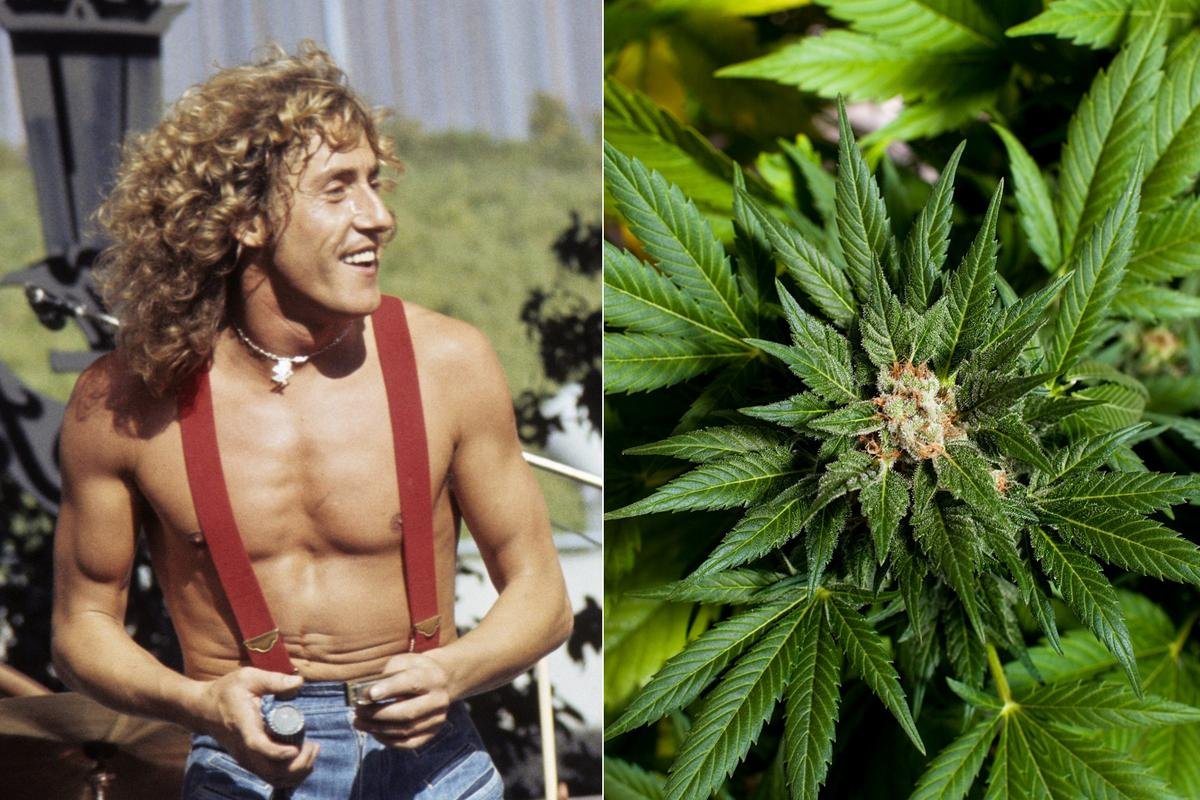
Leave it to a bunch of Who fans to cause some trouble. That’s what authorities indicate might have happened in the spring of 1976 when they discovered marijuana plants growing in the outfield at Anaheim Stadium.
The British legends had come to Anaheim on Mar. 21, 1976 in the midst of their ongoing Who by Numbers tour. 55,000 people came out to see the gig, setting a record at the time for the baseball venue. Home to the California Angels, the stadium had been around for almost 10 years.
‘Anaheim Stadium Has Gone to Pot’
According to subsequent news reports, Who fans had quite a bit of fun and it wasn’t limited to the musical sounds coming through the speakers courtesy of Pete Townshend, Roger Daltrey, Keith Moon and John Entwistle. As the Los Angeles Times revealed in an article published April 14, 1976, at least 100 marijuana plants had sprouted up in the weeks after the group left town.
The stadium’s maintenance foreman, Joe Morris, said it was a situation they’d encountered in the past, though not to this degree. “It has happened before, but probably to a less extent,” he explained to the newspaper’s staff writer, Jack Boettner. “The mowers cut the plants off and they die. If a groundsman finds a plant, he pulls it and throws it away.”
“Fertilizer helps the plants grow,” he added. “But we also kill them with weed killers.”
Anaheim mayor William J. Thom had a humorous take on the whole situation. “The economic situation has not reached such a perilous point that we have to resort to growing marijuana,” he assured local citizens. “One thing is for sure, they’ll never be able to play ‘Tea for Two’ at Anaheim Stadium again.”
Separately, a billboard along the Santa Ana Freeway proclaimed, “Anaheim Stadium Has Gone to Pot.”
The Who Had Caused Problems in Anaheim Before
They were actually the first rock group allowed to perform at Anaheim Stadium, which opened its gates in April of 1966. The promoter Concert Associates had put on a successful engagement at the Los Angeles Forum with Cream in 1968, followed by the Rolling Stones at the same venue in 1969.
They finally got their wish to follow those bookings with their first concert at Anaheim Stadium featuring the Who on June 14, 1970. The L.A. Times billed the gig as a “refreshing attempt by Concert Associates to get rock music away from the often unsatisfactory confines of an indoor arena.”
At first, it seemed like the reception to the 1970 Anaheim gig was all positive. The Times noted, ”Nothing like it had ever happened in Anaheim Stadium before – but from the way it turned out it may well happen again.” They wrote about the area concert with the headline, ”Rock Concert Draws 30,000 Peaceful Fans.”
Security reported that it was a well-behaved crowd in attendance, with a mere six arrests clocked that day. While there was marijuana present at the 1970 concert, Anaheim Stadium’s general manager, Tom Liegler told the reporter, Virgil Kret, that he felt like wine consumption was a larger issue during the show, which also featured Leon Russell and John Sebastian as part of the day’s entertainment.
But the peaceful feelings wouldn’t last. Later that same month, the paper revealed that officials had been fielding a number of unhappy phone calls from area residents. City manager Keith Murdoch shared with the Times that “We simply tried an experiment that turned out to be a disappointment.”
Councilman Cal Pebley added that the 1970 concert had made $20,000 dollars. “I’m against any more of these concerts,” he said. “The city doesn’t need the money that badly.”
Another councilman, Ralph Clark, pointed out that Anaheim Stadium was a taxpayer’s facility, so they had a civic responsibility as well. “We can’t let the nudes and the pot in there.”
The discord effectively put future rock concerts at the venue on pause for a few years, though the ban would eventually be lifted as they began to book shows there again, including number of performances in 1975 with the Beach Boys and Chicago, Faces and Fleetwood Mac and a festival gig featuring Eagles.
READ MORE: All 245 Who Songs Ranked
Things Went More Smoothly in 1976
If we look at the Who concert, uh, by the numbers, things wrapped up on a more positive note when they came back to Anaheim Stadium in March of 1976. The gig grossed more than a half-million dollars according to Billboard and city officials were projecting in advance of the show that they’d clear about 80 thousand dollars in profit. They hoped to keep things under control by banning people from bringing in liquor, which would also not be sold inside.
Police chief Harold Bastrup had been on site at the 1970 Who gig as a lieutenant, so he was personally aware what was at stake. He promised appropriate security would be provided, but they would also take a reasonable approach. “If a kid deserves a break, he’ll get it.”
Things would be a little bit different two years later when the stadium played host to a mammoth concert featuring Boston and Black Sabbath. The day’s events were plagued by counterfeit tickets, close to 200 arrests and temperatures which topped out at nearly 104 degrees.
But on that March day in Anaheim, the Who rewarded fans who had been hanging out for as long as eight hours (through a variety of entertainment, with three support bands as well, including Rufus and Little Feat), with a good old-fashioned rock show.
“For those who had never seen the Who live, it must have been a precious moment on Sunday,” Robert Hilburn wrote for the Times, noting that drummer Keith Moon even punctuated the moment by doing a somersault in front of his drum kit.
It was sadly, the last ride for Moon in Anaheim before his death in 1978. The Who by Numbers tour ended up being his final full outing with the group. The trek wrapped up Oct. 21, 1976 in Toronto and a little more than a year and a half after that, the drummer sat behind the kit in May of 1978 when the band reconvened to film an intimate performance for The Kids are Alright documentary. It was the last time the four members played live together.
READ MORE: Keith Moon Makes His Final Appearance With the Who
Famous Final (or Not-So-Final) Concerts
Final concerts aren’t always announced beforehand. Sometimes, they’re not even final at all.
Gallery Credit: Nick DeRiso
