
Pop/Hip Hop/R&B
15 Best Christian Rappers of All Time
Sep
Christian rap has grown from an underground movement into a powerful force within modern hip hop, driven by artists who combine sharp lyricism, bold production, personal testimony, and messages of faith. The genre’s most influential voices have tackled everything from redemption and doubt to social injustice, perseverance, family, and spiritual growth, proving that meaningful themes can coexist with hard hitting beats and memorable hooks. Some have reached mainstream charts, while others built devoted audiences through independent scenes and ministry focused music. Together, these rappers have expanded the possibilities of hip hop while creating songs that inspire, challenge, and connect with listeners around the world.
1. Lecrae
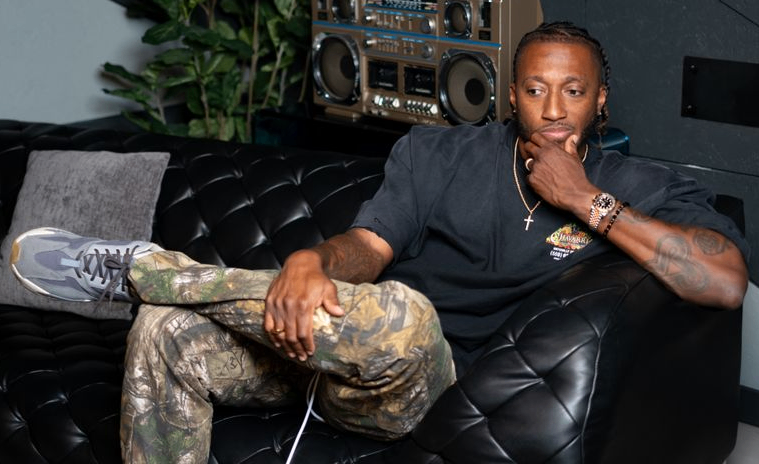
Lecrae is the artist most responsible for taking Christian hip hop from a specialized scene into the wider conversation surrounding contemporary rap. His career has consistently balanced faith, personal struggle, social observation, and a serious respect for hip hop craftsmanship. Rather than treating music as a sermon placed over beats, Lecrae developed into an increasingly nuanced songwriter whose records examine redemption, ambition, race, relationships, doubt, success, and the tension between spiritual conviction and ordinary human weakness.
I’ll Find You, featuring Tori Kelly, became one of his most widely recognized songs. Built around themes of suffering, perseverance, and hope, the track reaches beyond any narrow genre audience because its emotional message is immediately understandable. All I Need Is You presents a warmer and more romantic side of his writing, while Tell the World remains one of his defining declarations of faith. Background, featuring Andy Mineo, explores humility with unusual honesty, and Coming in Hot demonstrates Lecrae’s ability to create an energetic crowd favorite without abandoning his identity.
The album Anomaly represented a major turning point in Lecrae’s mainstream visibility. Songs such as Welcome to America and Runners demonstrated an artist increasingly willing to examine culture as critically as he examined himself. Later recordings continued expanding that approach, bringing contemporary production together with reflective writing.
Lecrae’s influence reaches beyond record sales or awards. Reach Records became an important home for an entire generation of Christian rappers, and his success helped demonstrate that explicitly spiritual artists could compete creatively within modern hip hop. His finest songs work because belief never eliminates complexity. Lecrae writes about faith while admitting conflict, uncertainty, and failure, giving his music a human dimension that has allowed it to connect with listeners far beyond Christian rap circles.
2. NF
NF became one of the biggest rap artists associated with Christian music while building a sound that reaches far beyond conventional genre boundaries. Born Nathan Feuerstein, he developed an intensely personal style centered on emotional confession, cinematic production, rapid technical flows, and recurring themes of fear, grief, anger, ambition, and personal growth. Although NF has often resisted being confined by a simple genre label, his Christian background and spiritually informed worldview have remained important elements within his catalog.
Let You Down transformed NF from a successful specialist artist into an international name. The song combines a haunting piano figure with an enormous melodic chorus, while the verses explore disappointment and fractured relationships. Its emotional directness made it accessible even to listeners unfamiliar with Christian hip hop. The Search offers a very different experience, beginning with dramatic orchestral production before NF launches into a long examination of fame, anxiety, creativity, and internal conflict. When I Grow Up looks backward at his determination to pursue music despite skepticism, while HOPE represents a more mature attempt to confront the darker emotional patterns that had defined earlier work.
Other essential songs include Mansion, How Could You Leave Us, Therapy Session, and If You Want Love. These recordings show why listeners frequently describe NF’s albums as deeply personal journeys rather than collections of unrelated singles.
What separates NF from many rappers is the intensity with which he builds an entire visual and emotional world around his music. Recurring symbols, stark imagery, orchestral arrangements, and confessional lyrics create a sense of continuity across albums. His faith is present, but his songs often focus on struggle rather than easy answers. That willingness to document unresolved emotions has helped make NF one of the most commercially successful and recognizable rappers connected with Christian music.
3. TobyMac
TobyMac has enjoyed one of the longest and most successful careers at the intersection of Christian music, rap, pop, rock, and contemporary production. Before establishing himself as a solo artist, he became famous as part of dc Talk, a group that played a major role in bringing Christian hip hop and alternative pop into mainstream Christian music during the 1990s. His solo career expanded that foundation into an eclectic sound where rap verses can sit beside huge pop choruses, electronic beats, funk rhythms, and rock guitars.
I just need U. became one of TobyMac’s defining later hits. Its upbeat production contrasts with lyrics centered on dependence upon God during moments of uncertainty and weakness. The song demonstrates his gift for translating a spiritual theme into immediate pop language without making the message feel detached from everyday experience. Lose My Soul remains another career highlight, examining the danger of gaining success while sacrificing spiritual integrity. Made to Love combines an infectious melody with a simple statement of purpose, while Speak Life encourages listeners to understand the power words can have over other people.
Earlier solo favorites such as Extreme Days and Gone display TobyMac’s energetic rap roots, while later songs including Move and Help Is on the Way reveal his skill at building motivational pop around rhythmic vocal delivery. His catalog constantly moves between celebration and reflection.
TobyMac’s importance comes partly from longevity. He helped shape Christian rap before the modern Christian hip hop industry existed in its current form, then continued adapting as production styles changed dramatically. His music has introduced rap influenced performance to several generations of Christian listeners. Rather than remaining trapped inside nostalgia, TobyMac has consistently searched for new sounds while preserving the themes of faith, hope, responsibility, and perseverance that have defined his career.
4. Andy Mineo
Andy Mineo became one of Christian hip hop’s most popular personalities by combining technical skill with humor, honesty, memorable hooks, and an unusually conversational approach to faith. A New York rapper with a deep appreciation for hip hop culture, Mineo rarely sounds interested in performing a flawless spiritual image. His best songs focus on contradiction, insecurity, ambition, temptation, creativity, and the complicated process of trying to live according to conviction while remaining honest about failure.
You Can’t Stop Me is Mineo’s signature anthem. The track moves with relentless confidence, built around a chant that became popular far beyond Christian rap. Beneath the swagger is a theme that appears repeatedly in his music: confidence rooted not simply in ego but in a belief that purpose matters more than outside approval. The Saints, featuring KB and Trip Lee, became another major favorite, celebrating Christian identity over an explosive beat. Uno Uno Seis helped introduce his energetic personality to a large audience, while Coming in Hot with Lecrae became one of the most recognizable songs connected with Reach Records.
Mineo’s album Uncomfortable revealed a more introspective side. The title track challenges listeners to question complacency, while songs across the project explore relationships, pride, social pressure, and spiritual inconsistency. Later releases continued that openness, often mixing playful experimentation with serious self examination.
One of Mineo’s greatest strengths is his ability to sound approachable without sacrificing lyrical craft. He can build intricate rhyme patterns, shift flows rapidly, and deliver comic lines, then suddenly turn toward uncomfortable emotional territory. That balance has made him especially influential among younger Christian rappers. Andy Mineo represents a version of faith based hip hop that welcomes questions and contradictions rather than hiding them, creating music that feels both entertaining and deeply personal.
5. KB
KB has established himself as one of Christian hip hop’s most forceful performers, combining explosive delivery with theological depth, cultural commentary, and production that can compete comfortably with contemporary mainstream rap. His voice carries unusual intensity, and he frequently uses rapid changes in rhythm to create performances that feel almost athletic. Yet beneath that energy is a writer deeply interested in identity, worship, justice, purpose, family, and the challenge of remaining faithful within a culture obsessed with status.
100, featuring Andy Mineo, became one of KB’s early signature tracks. The song centers on complete commitment, with both rappers using energetic verses to reject halfhearted belief. No Chains later became an even bigger crowd favorite, transforming spiritual freedom into a massive anthem built for concert stages. Armies combines cinematic production with imagery of divine protection, while 10K delivers one of the clearest examples of KB’s ability to merge worship language with modern rap intensity.
Church Clap, created with Lecrae, became another enormously popular song associated with KB, particularly in youth and church environments. Yet his catalog extends far beyond celebratory tracks. Songs such as Masterpiece and This Is Life show a more reflective artist willing to address identity and spiritual confidence with genuine tenderness.
KB’s strongest work frequently challenges the separation between worship music and hip hop. He approaches rap itself as a vehicle for praise, allowing aggressive drums and intricate flows to carry themes that might traditionally appear in completely different musical settings. His performances also reveal a serious student of hip hop technique. The rhyme patterns are carefully built, the rhythms constantly shift, and the vocal energy rarely fades. KB has become essential to modern Christian rap because he makes conviction sound urgent rather than merely respectable.
6. Trip Lee
Trip Lee has built one of Christian hip hop’s most respected catalogs by combining thoughtful theology with vulnerability and polished rap craftsmanship. Emerging as part of the Reach Records generation that helped reshape the genre during the 2000s, Lee quickly distinguished himself as a writer capable of explaining large spiritual ideas through personal language. His music frequently addresses identity, suffering, ambition, mortality, family, purpose, and the difference between external success and internal transformation.
Sweet Victory is one of Trip Lee’s most powerful recordings. Featuring Dimitri McDowell and Leah Smith, the song examines perseverance through weakness rather than presenting victory as effortless triumph. That distinction gives the track unusual emotional weight. Lee has spoken openly through his music about physical limitations and difficult seasons, making the song feel grounded in experience rather than abstract encouragement. Manolo, featuring Lecrae, became one of his most energetic and recognizable tracks, built around imagery of Scripture as a spiritual weapon.
I’m Good, featuring Lecrae, is another major song, addressing courage in the face of danger and mortality. Robot uses a memorable concept to describe freedom from an old way of living, while Fallin’ explores temptation and human weakness. Across albums such as Between Two Worlds, The Good Life, and Rise, Lee consistently balances direct spiritual teaching with autobiographical reflection.
Trip Lee’s importance comes from his ability to communicate serious ideas without draining the music of personality. His flow can be aggressive, playful, or restrained depending on the subject, and he rarely relies on slogans when a more complicated explanation is possible. He has also worked as an author and teacher, but his strongest recordings remain powerful because they function as songs first. Trip Lee helped prove that Christian rap could be intellectually substantial while still sounding immediate, energetic, and deeply connected to hip hop culture.
7. KJ 52
KJ 52 became one of the most visible Christian rappers of the early 2000s, developing a career built around energetic performances, humor, storytelling, and an openly faith centered approach to hip hop. At a time when Christian rap had far less access to mainstream distribution and media attention, KJ 52 helped introduce the genre to listeners who primarily knew contemporary Christian music. His accessible personality and willingness to address youth culture directly made him especially popular with younger audiences.
Dear Slim remains his most famous and most discussed song. Written as an open letter to Eminem, the track expresses concern, admiration, and a desire to communicate faith rather than functioning simply as an attack. The comparison between the two rappers followed KJ 52 for years, but the song became important because it generated conversation well outside the usual Christian rap audience. A later continuation revisited the idea and reflected on the response generated by the original.
Other popular KJ 52 songs include Stuck in the 80’s, Do Yo Thang, It’s Pronounced Five Two, and Never Look Away. These tracks reveal his broad personality, ranging from comedy and nostalgia to direct statements about perseverance and belief. He was never afraid to sound playful, which helped distinguish him from artists who approached Christian rap with a consistently serious tone.
KJ 52’s importance is partly historical. He worked during a period when Christian hip hop was still fighting for recognition within both church culture and the wider rap community. His persistence helped create greater visibility for the artists who followed. While later generations would push the genre toward different production styles and more complex cultural conversations, KJ 52 proved that a Christian rapper could build a sustained career, develop a recognizable personality, and connect with audiences through both humor and sincere spiritual conviction.
8. Tedashii
Tedashii possesses one of the most unmistakable voices in Christian hip hop. His deep, forceful delivery gives every verse immediate physical presence, and his music often feels designed to shake a room before the listener has even processed the lyrics. Yet the power of his work goes far beyond vocal weight. Tedashii has repeatedly addressed perseverance, grief, temptation, spiritual discipline, personal loss, and the challenge of remaining hopeful during circumstances that make hope difficult.
Dum Dum, featuring Lecrae, became one of his biggest crowd favorites. The track is playful and aggressive at the same time, with Tedashii leaning fully into the size and texture of his voice. It remains one of the songs most closely associated with the classic Reach Records era. Jumped Out the Whip displays another side of his energetic style, while Nothing I Can’t Do, featuring Trip Lee and Lecrae, turns determination into a polished rap anthem.
The emotional center of Tedashii’s catalog became considerably deeper after personal tragedy entered his life. The album Below Paradise wrestles openly with grief and the difficulty of reconciling faith with devastating loss. Rather than presenting neat answers, the project allows pain and belief to exist simultaneously. That honesty gave songs from the period a weight that separated them from simple motivational rap.
Tedashii has also remained effective as a collaborator because his voice instantly changes the atmosphere of a record. Even a short appearance can become memorable through his commanding tone and rhythmic precision. Across his career, he has demonstrated that strength in Christian rap does not require pretending suffering has disappeared. His finest work acknowledges disappointment while refusing surrender. Tedashii’s combination of booming delivery, theological conviction, and emotional honesty has made him one of the most enduring voices associated with Reach Records and modern Christian hip hop.
9. Flame
Flame has been one of Christian rap’s most consistent voices, building a lengthy catalog around biblical themes, personal transformation, theology, and evangelistic purpose. Emerging from St. Louis, he developed a style that combines direct teaching with aggressive rap technique. His records often contain detailed spiritual ideas, yet Flame has continually worked to present those concepts through memorable hooks, modern production, and autobiographical storytelling rather than treating music merely as a lecture.
Start Over, featuring NF, became one of Flame’s most widely heard songs. Its message centers on grace, forgiveness, and the possibility of beginning again after failure. NF’s emotionally charged contribution complements Flame’s grounded verses, creating a recording that has remained meaningful to listeners dealing with regret and personal crisis. Joyful Noise, featuring Lecrae and John Reilly, is another defining track from his catalog, combining energetic performance with celebration. Surrender and Move Forward further demonstrate his recurring interest in spiritual change.
Albums such as Our World Redeemed, Captured, and Royal Flush helped establish Flame as a rapper willing to build entire projects around connected theological ideas. His writing frequently explores the relationship between belief and everyday behavior, asking what doctrine should actually produce in a person’s life. Later recordings continued that focus while drawing from different production styles.
Flame’s importance comes from consistency and clarity. He has never hidden the Christian foundation of his music in pursuit of wider acceptance, yet he has also taken rap craft seriously. His flow, rhyme structure, and delivery reveal an artist deeply engaged with hip hop rather than someone simply borrowing its surface features. For listeners who value Christian rap as both musical expression and spiritual communication, Flame remains one of the genre’s most substantial and enduring figures.
10. Bizzle
Bizzle built his reputation through uncompromising lyrics, an independent mindset, and a willingness to confront controversial topics directly. As the central figure behind God Over Money, he became one of the most recognizable independent voices in Christian hip hop. His music frequently deals with loyalty, repentance, cultural conflict, family, persecution, integrity, and the tension between Christian conviction and the values promoted within parts of popular culture.
Way Up, featuring Sevin, captures the triumphant side of Bizzle’s music. The track combines a heavy beat with confident verses and a memorable chorus, presenting success as something understood through gratitude and spiritual purpose rather than self worship. Soldier is another important song, emphasizing perseverance and discipline. King displays his confrontational lyrical style, while tracks such as Better Way reveal his interest in testimony and personal transformation.
Bizzle attracted substantial attention earlier in his career through songs responding directly to mainstream rap culture. Those records established his willingness to challenge other artists and popular ideas, sometimes generating strong disagreement even among Christian listeners. Over time, however, his catalog developed far beyond response records. Albums and collaborative projects connected with God Over Money created a distinct community around his music and introduced listeners to other independent Christian rappers.
One reason Bizzle has remained influential is his refusal to soften his identity simply to fit changing industry expectations. His records generally sound confident and direct, even when the subject turns inward. He can criticize culture, but he also writes about his own weaknesses and responsibilities. That combination prevents the strongest material from becoming purely accusatory. Bizzle represents the independent side of Christian hip hop at its most determined, demonstrating that an artist can build a substantial audience, label identity, and long career without depending entirely on major industry structures.
11. Derek Minor
Derek Minor has spent his career combining Southern rap energy with thoughtful songwriting and an entrepreneurial approach to Christian hip hop. Earlier known as PRo, he developed into a respected rapper, producer, and label leader whose work frequently addresses ambition, justice, responsibility, faith, and the desire to create meaningful cultural change. His voice carries a natural authority, and his production choices often give songs a cinematic weight without overwhelming the message.
Ready, Set, Go became one of Minor’s defining energetic tracks. The song moves with the urgency suggested by its title, using driving production and quick rhythmic phrasing to communicate determination. Change the World, featuring Hollyn, became another major success and revealed his ability to create an accessible anthem around a socially conscious theme. Rather than focusing only on personal achievement, the song encourages listeners to consider how love, compassion, and individual action can influence communities.
Who You Know and Dear Mr. Christian display different sides of Minor’s writing, while albums such as Minorville and Reflection show his talent for constructing projects around larger themes. His strongest songs often combine practical realism with spiritual hope. He recognizes broken systems and personal failures without allowing cynicism to become the final message.
Minor’s work through Reflection Music Group also strengthened his influence beyond his own recordings. Like several important Christian rappers, he understood that building sustainable music required creating opportunities for other artists as well as promoting himself. His production experience gives his records a detailed sonic identity, while his writing remains grounded in everyday concerns. Derek Minor has earned his place among Christian rap’s most respected figures by combining craft, leadership, independence, and a consistent desire to make music that engages the world rather than retreating from it.
12. Da’ T.R.U.T.H.
Da’ T.R.U.T.H. has been one of Christian hip hop’s most enduring lyrical voices, building a career around biblical conviction, thoughtful reflection, and an ability to communicate spiritual ideas with considerable technical control. Emerging during an important period in the development of modern Christian rap, he helped establish a standard for artists who wanted to address theology seriously without abandoning the competitive spirit and rhythmic precision of hip hop.
My Story is one of the songs that best represents his ability to turn testimony into compelling rap. The track presents faith through personal narrative, allowing listeners to encounter spiritual ideas through lived experience rather than detached explanation. His catalog also includes well known songs such as Who Am I?, Lost, Forgiveness, and Great Wall. These recordings repeatedly return to questions of identity, redemption, relationships, and the difficulty of living consistently with one’s beliefs.
Da’ T.R.U.T.H. has also shown a strong interest in collaboration, working with artists across Christian rap, gospel, and international music. His later partnership with African artists introduced additional rhythmic and cultural influences into his sound. This willingness to broaden his musical world helped prevent his catalog from remaining tied to only one period of Christian hip hop.
His strength as a rapper lies in balance. He can communicate complex ideas without allowing the songs to become academically dry, and he can use energetic production without reducing the lyrics to simple slogans. His delivery has matured across the years, becoming increasingly conversational while retaining the clarity that defined his earlier recordings. Da’ T.R.U.T.H. remains an important figure because he helped demonstrate that Christian rap could function as serious theological reflection, personal testimony, and accomplished hip hop simultaneously. His longevity also makes his catalog a useful map of how the genre itself has evolved.
13. Canon
Canon earned respect throughout Christian hip hop through extraordinary breath control, rapid delivery, and an energetic style that makes technical difficulty sound almost effortless. Originally gaining broad attention through collaborations and his connection with Reflection Music Group, Canon developed a reputation as one of the scene’s most athletic rappers. Speed is an obvious part of his appeal, but his strongest music proves that technique is only valuable when it communicates personality, purpose, and memorable ideas.
Good to Go Pt. 2 captures the confidence and rhythmic flexibility that define Canon’s style. The track allows him to shift rapidly between flows while maintaining clarity, creating the sense of a rapper constantly pushing against the beat without losing control. The earlier Good to Go also became an important part of his catalog, while songs such as Mad Haven, Home, and Loose Canon demonstrate his ability to move between aggressive performance and more reflective subject matter.
Canon’s music frequently explores purpose, perseverance, identity, and the pressures surrounding public life. He has also used his personal experiences to give greater emotional weight to his work. Rather than remaining satisfied with being known primarily as a fast rapper, he has steadily expanded his songwriting, allowing different tempos and moods to reveal more of his personality.
His influence is particularly noticeable among listeners and aspiring rappers fascinated by technical flow. Canon demonstrates how complex syllable patterns and quick articulation can remain understandable rather than collapsing into pure speed. That clarity reflects significant discipline. At the same time, his connection with Christian hip hop gives the performances a larger framework centered on faith and responsibility. Canon stands out because he combines the excitement of virtuosity with the belief that technique should serve a message, making him one of the genre’s most impressive pure rappers.
14. Anike
Anike, originally known to many listeners as Wande, became an important figure in modern Christian hip hop by bringing a confident female voice into a scene that had long been dominated by men. Her signing with Reach Records represented a significant moment, but her importance goes beyond symbolism. Anike is an agile rapper with a strong sense of rhythm, contemporary production instincts, melodic flexibility, and a personality that can move naturally between celebration, testimony, motivation, and serious reflection.
Blessed Up became her breakthrough song and remains one of the tracks most closely associated with her rise. The record combines an infectious hook with verses centered on gratitude and momentum, giving the song the energy of a victory anthem without disconnecting it from spiritual perspective. A later remix featuring Lecrae and Mike Todd expanded its reach. Woo became another popular favorite, showing her ability to create a playful, rhythmically sharp track that works immediately in a live setting.
Other notable songs include No Cap, Happy, Come My Way, and Big God. Across these recordings, Anike demonstrates a willingness to use several approaches rather than building every song around the same flow. Melodic passages can sit beside tightly delivered rap verses, while modern trap influenced production coexists with explicitly spiritual themes.
Her career also carries wider significance for women in Christian rap. Visibility matters in a genre where female rappers have historically received fewer opportunities, and Anike has spoken through both her career and her music about confidence, purpose, and breaking expectations. Her evolution from Wande to Anike also reflects an artist continuing to refine her identity rather than remaining attached to an earlier stage of success. She represents the expanding possibilities of Christian hip hop, proving that the genre’s future depends on a wider variety of voices, experiences, and creative perspectives.
15. 1K Phew
1K Phew brought a distinctly Atlanta flavor into Christian hip hop, combining trap rhythms, relaxed melodic flows, humor, street language, and spiritual themes in a style that rarely feels forced. His music demonstrates how completely Christian rap has moved beyond the idea that faith centered artists must adopt one particular sound. Phew can work over production that would fit comfortably beside contemporary Southern rap while still using the music to explore purpose, gratitude, survival, temptation, and belief.
Wild N Out, featuring Lecrae, is one of his most recognizable songs. The track moves with an effortless bounce, allowing Phew’s conversational flow to sit naturally inside the beat while Lecrae adds another layer of energy. The song captures the playful side of his personality and demonstrates why his music connects well with listeners who may not normally seek out Christian rap. Back Soon became another important track, while How We Coming and Kung Fu further established his distinctive approach to modern trap influenced Christian music.
His collaborations with Lecrae have been especially significant, but Phew has developed a personality strong enough to avoid becoming defined only through association. Projects such as What’s Understood and later releases show an artist comfortable blending spiritual reflection with humor and regional slang. His delivery often sounds casual, yet the rhythmic control beneath that looseness is considerable.
1K Phew’s importance lies in cultural fluency. He does not sound like someone attempting to copy contemporary Atlanta rap from a distance. It is the musical language in which he naturally operates. That authenticity allows explicitly Christian themes to appear inside a sound that feels current rather than artificially separated from modern hip hop. As Christian rap continues reaching listeners who expect the same production quality and stylistic diversity found elsewhere in the genre, 1K Phew represents an important generation of artists making faith and contemporary rap culture sound completely at home together.

Edward Tomlin is a frequent contributor to Singers Room. Since 2005, Singersroom has been the voice of R&B around the world. Connect with us via social media below.
Source link
