
-
×
 Fleetwood Mac "Live"
1 × $45.00
Fleetwood Mac "Live"
1 × $45.00 -
×
 AC/DC "Dirty Deeds Done Dirt Cheap"
1 × $30.00
AC/DC "Dirty Deeds Done Dirt Cheap"
1 × $30.00
Pop/Hip Hop/R&B
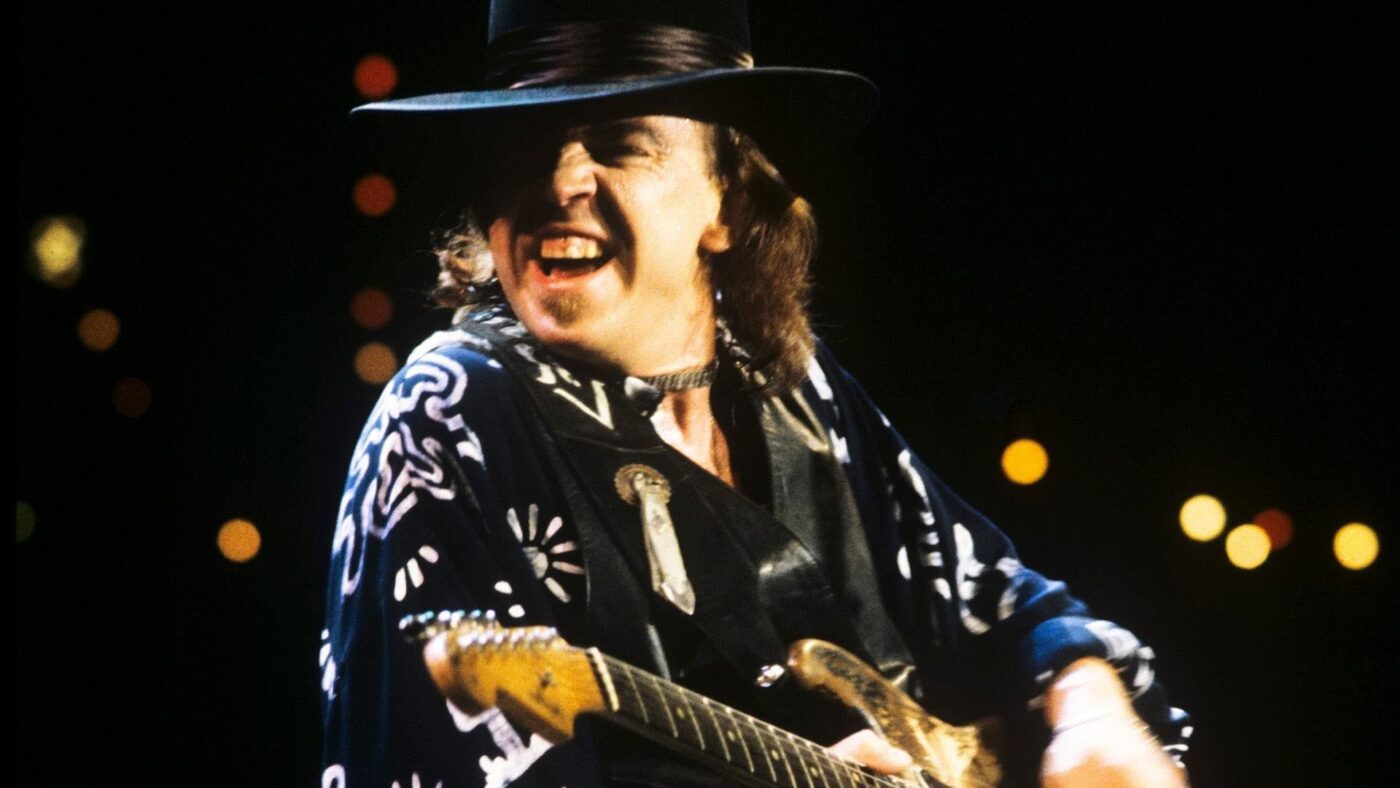
10 Best Stevie Ray Vaughan Songs of All Time
29
Apr
Apr
Stevie Ray Vaughan was more than just a blues guitarist—he was a force of nature. From the moment his fingers touched the strings, Vaughan electrified audiences with raw passion, impeccable technique, and a soulful sound that’s still unmatched decades later. A pioneer of modern blues, Vaughan’s music defied boundaries, blending the grit of Texas blues with rock, jazz, and even soul influences. His tragic passing in 1990 cut short a brilliant career, but his legacy lives on through a catalog of timeless songs that continue to captivate fans and inspire musicians worldwide.
In this article, we’re diving into the top 10 most popular Stevie Ray Vaughan songs of all time—tracks that showcase his unparalleled artistry and enduring impact. These songs are more than just notes and lyrics; they’re stories of struggle, triumph, heartbreak, and redemption, all wrapped in Vaughan’s signature fiery guitar riffs and heartfelt vocals. Whether you’re a lifelong fan or just discovering the magic of SRV, this list will take you on a journey through the music that defined an era and solidified Vaughan as one of the greatest guitarists in history. Get ready to crank up the volume and immerse yourself in the genius of Stevie Ray Vaughan!
1. Pride and Joy (1983)
Pride and Joy is one of Stevie Ray Vaughan’s most instantly recognizable songs, first featured on his landmark debut album, Texas Flood. From the very first notes, the track bursts with energy, powered by Vaughan’s spirited guitar work and equally passionate vocals. It’s a blues anthem wrapped in pure joy, telling a heartfelt story about a woman who means everything to him. The catchy, walking riff and sharp, rhythmic bounce make it impossible to sit still while listening. Vaughan’s playing is both fiery and precise, perfectly capturing the blend of excitement and sincerity that love can inspire. Beyond the surface, “Pride and Joy” feels like a personal declaration, a moment where Vaughan invites listeners into a part of his heart. It’s this emotional connection, paired with sheer technical brilliance, that helped the song become a fan favorite and a staple of blues-rock radio. Over time, “Pride and Joy” has remained a defining piece of Vaughan’s legacy—an upbeat reminder of his gift for mixing raw talent with real emotion. Whether you’re hearing it for the first time or the hundredth, the song’s electric charm never fades.
2. Texas Flood (1983)
The title track from Texas Flood is a slow, simmering masterpiece that reveals Stevie Ray Vaughan’s emotional depth as much as his technical ability. Released in 1983, Texas Flood isn’t just a song—it’s a feeling. With every bent note and soulful riff, Vaughan channels heartache, loneliness, and longing in a way that few guitarists ever could. The lyrics speak of a literal and emotional flood, symbolizing overwhelming sadness and isolation. What makes the track so powerful is its restraint; Vaughan doesn’t overplay but instead lets the spaces between the notes carry just as much weight as the notes themselves. His guitar cries, weeps, and howls with a voice of its own, while his vocals deliver raw, aching emotion. “Texas Flood” quickly became a blues standard for a new generation, showcasing Vaughan’s ability to honor traditional blues while injecting it with fresh life and intensity. It’s a prime example of why Stevie Ray Vaughan isn’t just remembered for how fast he could play, but for how much soul he could pack into every note. Listening to “Texas Flood” feels like standing out in the rain with your heart wide open.
3. Cold Shot (1984)
Released on the 1984 album Couldn’t Stand the Weather, Cold Shot shows Stevie Ray Vaughan’s lighter, more playful side while still keeping his blues roots firmly intact. The song’s groovy, mid-tempo rhythm is infectious from the first beat, driven by a hypnotic guitar riff that’s instantly memorable. Lyrically, “Cold Shot” tells the tongue-in-cheek tale of a rocky relationship where the once-loving partner has turned cold and distant. Vaughan’s sly delivery makes the story come alive, balancing humor and heartache with effortless charm. The laid-back feel of the track allowed Vaughan to loosen up and showcase his incredible ability to groove without relying on sheer speed or volume. “Cold Shot” stands out because it’s so easygoing yet technically impressive—the mark of a true master. It’s a song you can dance to, laugh along with, and still admire for its musical sophistication. Over time, “Cold Shot” has earned its place as a fan favorite at Vaughan’s live shows and remains a classic example of how he could turn even a soured love story into a song that made you want to move.
4. Crossfire (1989)
Crossfire, from the 1989 album In Step, captures Stevie Ray Vaughan at a pivotal point in his life and career. Having recently overcome personal struggles, Vaughan poured a new level of energy and determination into his music, and “Crossfire” reflects that fighting spirit perfectly. With its tight, punchy rhythm section and pulsing bassline, the song immediately commands attention. The lyrics speak to feeling caught in the chaos of the world—pushed, pulled, and tested by forces beyond your control. Vaughan’s fiery guitar licks and gritty vocals drive the message home with undeniable conviction. The polished production on In Step helped “Crossfire” achieve mainstream success without sacrificing the raw emotion that fans loved. This track shows a different side of Vaughan: battle-tested but unbroken, using his music not just for expression, but for survival. “Crossfire” isn’t just a song about struggle—it’s a song about resilience, making it one of Vaughan’s most powerful and inspiring anthems. It remains a standout in his catalog and a snapshot of an artist rising above the storm with fire in his heart and a guitar in his hands.
5. Little Wing (1991, posthumous release)
Stevie Ray Vaughan’s version of Little Wing, released posthumously on 1991’s The Sky Is Crying, is nothing short of breathtaking. Originally written and performed by Jimi Hendrix, “Little Wing” is already a towering achievement in rock and blues history. Vaughan, however, approaches it with deep reverence and his own distinct voice, turning it into a soaring instrumental journey. Without singing a word, he manages to convey the song’s gentle spirit, raw emotion, and sense of wonder purely through his guitar. Every bend, every vibrato, every cascading note feels like a conversation between the soul and the sky. Vaughan’s touch is so sensitive, so expressive, that it’s impossible not to feel swept up in the beauty of the performance. His “Little Wing” isn’t just a cover—it’s a love letter to Hendrix, to the blues, and to the emotional power of music itself. Many fans and critics alike consider it one of the greatest instrumental covers ever recorded. Listening to Vaughan’s “Little Wing” feels like flying—gliding through clouds of emotion, lifted by the pure force of artistry at its most transcendent.
6. The Sky Is Crying (1991, posthumous release)
The Sky Is Crying, the title track from Stevie Ray Vaughan’s 1991 posthumous album, is a deeply moving blues standard that Vaughan makes entirely his own. Originally written and performed by Elmore James, Vaughan’s interpretation breathes fresh soul into this classic, transforming it into a masterclass in emotional guitar work. From the opening notes, you can hear the ache in every string bend, as if the guitar itself is weeping. Vaughan’s vocal delivery is equally stirring—raw, honest, and saturated with feeling. His phrasing, both vocally and instrumentally, is deliberate and unhurried, allowing every sorrowful nuance to sink deep into the listener’s heart. What sets Vaughan’s version apart is his ability to blend reverence for the blues tradition with his own intense personal expression. You don’t just hear the sadness—you feel it, like a heavy rain soaking through your clothes. “The Sky Is Crying” is a powerful reminder of Vaughan’s gift for turning human pain into something beautiful and transcendent. Even though it was released after his death, it stands as a testament to the timeless, soul-baring artistry he left behind. It’s a song that lingers long after the final note fades away.
7. Love Struck Baby (1983)
Love Struck Baby, one of the standout tracks from Texas Flood, bursts with energy and youthful excitement. Right from the start, it’s clear this song is all about the joy of falling head over heels in love. The rockabilly-flavored rhythm is infectious, blending high-speed blues guitar with a playful, almost reckless enthusiasm. Stevie Ray Vaughan’s spirited vocal delivery matches the upbeat pace perfectly, making “Love Struck Baby” feel like a musical celebration. The song also showcases Vaughan’s technical brilliance—his rapid-fire riffs and tight solos are delivered with such effortless flair that it’s impossible not to be impressed. Yet, beneath the technical fireworks, there’s a warm, genuine heart that shines through. Vaughan doesn’t just play fast; he plays with a sense of pure, unfiltered happiness that’s contagious. “Love Struck Baby” captures a moment of pure bliss, when everything feels new and thrilling. It remains a beloved track not only because of its musical firepower but also because of the simple, joyful spirit that pulses through every beat. It’s a perfect example of how Vaughan could take classic blues roots and inject them with fresh life and uncontainable energy.
8. Life Without You (1985)
Life Without You, from Stevie Ray Vaughan’s 1985 album Soul to Soul, is one of the most emotionally profound songs in his catalog. Written as a tribute to a close friend who passed away, the track carries a deep sense of loss, love, and gratitude. Unlike many of his faster, more explosive numbers, “Life Without You” unfolds slowly and thoughtfully, allowing Vaughan’s soulful guitar lines to speak volumes between the verses. His playing on this track is incredibly tender, almost as if each note is carefully chosen to express what words cannot fully capture. Lyrically, the song is a message of encouragement, urging listeners to cherish life and those around them. Vaughan’s voice, rich with feeling, conveys vulnerability and strength all at once. “Life Without You” stands as a poignant reminder of the emotional range Vaughan possessed—not just a guitar hero, but an artist who could bare his heart without reservation. Over the years, it’s become a source of comfort and inspiration to countless fans, a timeless piece that speaks directly to the human spirit. It’s Stevie Ray Vaughan at his most sincere, and arguably, his most powerful.
9. Scuttle Buttin’ (1984)
Scuttle Buttin’, featured on the 1984 album Couldn’t Stand the Weather, is a dazzling showcase of Stevie Ray Vaughan’s blistering speed and jaw-dropping precision. Clocking in at just under two minutes, this instrumental track wastes no time in throwing the listener into a whirlwind of rapid-fire riffs and intricate guitar runs. From the first beat, it feels like Vaughan’s fingers are practically flying off the fretboard, yet every note remains crisp, clean, and perfectly placed. Despite the technical fireworks, “Scuttle Buttin’” never feels mechanical or showy. Instead, it’s bursting with a sense of fun and freedom, like a musician joyfully testing the limits of his own abilities. The rhythm section holds down a tight, energetic groove, providing the perfect launching pad for Vaughan’s virtuosic playing. The track’s relentless pace and infectious spirit make it a favorite among guitar enthusiasts and casual fans alike. “Scuttle Buttin’” is pure adrenaline in musical form, a high-speed joyride through the world of Texas blues. It’s a testament to Vaughan’s ability to combine stunning technique with unfiltered passion, proving once again that his genius wasn’t just in what he played—but how he made it feel alive.
10. Voodoo Child (Slight Return) (1984)
Stevie Ray Vaughan’s cover of Jimi Hendrix’s Voodoo Child (Slight Return), featured on his Couldn’t Stand the Weather album, is nothing short of a tour de force. Taking on a Hendrix classic is no small task, but Vaughan meets the challenge head-on with a performance that’s both respectful to the original and brimming with his own fiery style. Right from the opening riff, Vaughan’s tone is massive and aggressive, yet controlled with surgical precision. His guitar sounds like an unstoppable force—gritty, soulful, and alive with raw energy. Vaughan’s interpretation leans heavily into the blues roots of the song, giving it a slightly earthier feel compared to Hendrix’s psychedelic original. His soloing throughout is nothing less than jaw-dropping, mixing technical mastery with emotional ferocity. Live performances of “Voodoo Child” often became some of Vaughan’s most thrilling moments, where he seemed to channel both Hendrix’s spirit and his own unstoppable passion for the music. Vaughan’s version has since become a landmark in its own right, showing how a true artist can honor a legend while still carving out their own identity. It’s a jaw-dropping, soul-shaking masterpiece that never gets old.

Edward Tomlin is a frequent contributor to Singers Room. Since 2005, Singersroom has been the voice of R&B around the world. Connect with us via social media below.
Source link
