
Pop/Hip Hop/R&B
10 Best Linda Ronstadt Songs of All Time
May
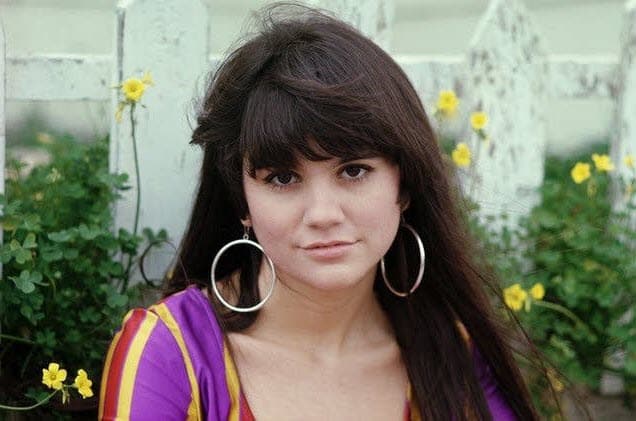
Linda Ronstadt is an American singer, songwriter, and musician known for her versatile vocal range and extensive repertoire spanning multiple genres, including rock, country, and Latin music. Born on July 15, 1946, in Tucson, Arizona, Ronstadt began her music career in the mid-1960s as part of the folk-rock movement.
Throughout her career, Ronstadt achieved immense success with hits like “You’re No Good,” “When Will I Be Loved,” and “Blue Bayou.” She also explored other genres, such as traditional pop standards and Mexican rancheras, showcasing her diverse musical talents.
Ronstadt’s powerful vocals, emotive delivery, and ability to cross musical boundaries have earned her numerous accolades, including multiple Grammy Awards. She has been inducted into the Rock and Roll Hall of Fame and is considered one of the most successful female artists in the history of popular music.
1. Just One Look
“Just One Look” is a song originally recorded by Doris Troy in 1963. However, Linda Ronstadt also recorded a popular cover of the song in 1978 for her album “Living in the USA.”
Ronstadt’s version of “Just One Look” features a more rock-oriented sound compared to the original, showcasing her powerful vocals and the dynamic instrumentation typical of her work. The song became a hit for Ronstadt, reaching the top 5 on the Billboard Hot 100 chart.
Ronstadt’s cover of “Just One Look” helped introduce the song to a new generation of listeners and further solidified her reputation as one of the leading female vocalists of her time.
2. Heat Wave
“Heat Wave” is a classic song originally written by the legendary songwriting team of Holland-Dozier-Holland and performed by Martha and the Vandellas in 1963. However, Linda Ronstadt also recorded a notable version of the song, released on her 1975 album *Prisoner in Disguise*.
Ronstadt’s rendition of “Heat Wave” is characterized by her powerful vocals and energetic delivery, infusing the song with her own unique style while staying true to the Motown sound of the original. With its infectious rhythm and catchy melody, Ronstadt’s version of “Heat Wave” became a hit in its own right, further solidifying her reputation as one of the most versatile and talented vocalists of her time.
Ronstadt’s interpretation of “Heat Wave” remains a beloved classic, celebrated for its soulful energy and Ronstadt’s dynamic performance.
3. Hurt So Bad
“Hurt So Bad” is a song that Linda Ronstadt recorded for her 1980 album “Mad Love.” The song was originally written by Teddy Randazzo, Bobby Weinstein, and Bobby Hart, and first recorded by Little Anthony and the Imperials in 1965.
Ronstadt’s rendition of “Hurt So Bad” showcases her powerful vocal range and emotional delivery. The song’s lyrics describe the pain of heartbreak and longing for a lost love, with Ronstadt’s performance conveying a deep sense of melancholy and vulnerability.
Ronstadt’s version of “Hurt So Bad” was a commercial success, reaching the top 10 on the Billboard Hot 100 chart. Her interpretation of the song is often praised for its soulful and heartfelt portrayal of heartache, cementing her reputation as one of the premier interpreters of popular music.
4. You’re No Good
“You’re No Good” is a classic song originally written by Clint Ballard Jr. and first recorded by Dee Dee Warwick in 1963. However, Linda Ronstadt’s rendition of the song, released in 1974 on her album *Heart Like a Wheel*, is perhaps the most well-known.
Ronstadt’s version of “You’re No Good” is characterized by its driving rhythm, bluesy guitar licks, and Ronstadt’s powerful vocals. Her emotive delivery captures the frustration and defiance of the lyrics, in which the narrator confronts a deceitful lover. The song became a massive hit for Ronstadt, reaching the top of the charts and earning her a Grammy nomination for Best Female Pop Vocal Performance.
Ronstadt’s rendition of “You’re No Good” remains a timeless classic, celebrated for its infectious groove and Ronstadt’s impassioned performance.
5. Blue Bayou
“Blue Bayou” is a song originally written by Roy Orbison and Joe Melson, and it was first recorded by Orbison in 1963. Linda Ronstadt recorded a cover of “Blue Bayou” for her 1977 album “Simple Dreams,” and her version became one of her signature songs.
Ronstadt’s rendition of “Blue Bayou” is characterized by her soulful vocals and the song’s dreamy, atmospheric arrangement. The lyrics describe a longing for the simplicity and tranquility of the narrator’s past, particularly a place called Blue Bayou.
“Blue Bayou” was a major hit for Ronstadt, reaching the top 5 on the Billboard Hot 100 chart. The song’s nostalgic lyrics and Ronstadt’s emotive performance resonated with audiences, solidifying her status as one of the most acclaimed vocalists of her time.
6. When Will I Be Loved
“When Will I Be Loved” is a classic song written by Phil Everly and originally recorded by The Everly Brothers in 1960. However, Linda Ronstadt also recorded a notable version of the song, released in 1975 on her album *Heart Like a Wheel*.
Ronstadt’s rendition of “When Will I Be Loved” features her trademark lush vocals and country-rock sound. With its upbeat tempo, catchy melody, and Ronstadt’s emotive delivery, the song became a major hit, reaching the top of the charts and earning her widespread acclaim.
Ronstadt’s version of “When Will I Be Loved” remains one of her most beloved and enduring songs, celebrated for its timeless appeal and Ronstadt’s powerful interpretation.
7. It’s So Easy
“It’s So Easy” is a song written by Buddy Holly and Norman Petty, and it was originally recorded by Buddy Holly and the Crickets in 1958. Linda Ronstadt recorded a cover of “It’s So Easy” for her 1977 album “Simple Dreams.”
Ronstadt’s version of “It’s So Easy” features a more rock-oriented arrangement compared to the original, with a prominent guitar riff and a lively rhythm section. Her energetic vocals and the song’s catchy melody helped make it a hit, reaching the top 5 on the Billboard Hot 100 chart.
Ronstadt’s cover of “It’s So Easy” helped introduce Buddy Holly’s music to a new generation of listeners and showcased her ability to interpret and revitalize classic songs.
8. Poor Poor Pitiful Me
“Poor Poor Pitiful Me” is a song written and originally recorded by Warren Zevon in 1976 for his self-titled album. However, Linda Ronstadt also recorded a popular version of the song, which was included on her 1977 album *Simple Dreams*.
Ronstadt’s rendition of “Poor Poor Pitiful Me” is characterized by its energetic country-rock arrangement and Ronstadt’s soulful vocals. The song tells the story of a woman who laments her romantic misfortunes, but with a playful and sardonic twist. Ronstadt’s interpretation brought the song to a wider audience, earning praise for her emotive performance and contributing to the song’s enduring popularity.
Ronstadt’s version of “Poor Poor Pitiful Me” remains a standout track in her discography, showcasing her ability to infuse classic songs with her own unique style and charm.
9. Tracks of My Tears
“Tracks of My Tears” is a song written by Smokey Robinson, Pete Moore, and Marv Tarplin. It was originally recorded by The Miracles in 1965 and has since become a classic of soul music.
Linda Ronstadt recorded a cover of “Tracks of My Tears” for her 1975 album “Prisoner in Disguise.” Ronstadt’s version of the song features a more country-rock style compared to the original, with a twangy guitar and a laid-back groove. Her emotive vocals and the song’s poignant lyrics about hiding emotional pain behind a façade of happiness resonated with listeners, making it a standout track on the album. Ronstadt’s cover of “Tracks of My Tears” helped introduce the song to a new audience and showcased her ability to interpret a wide range of musical styles.
10. That’ll Be the Day
“That’ll Be the Day” is a classic rock and roll song originally recorded by Buddy Holly and the Crickets in 1957. Written by Buddy Holly, Jerry Allison, and Norman Petty, the song became one of Holly’s signature tunes and a cornerstone of rock and roll history.
The song’s infectious rhythm, catchy melody, and Holly’s distinctive vocal style contributed to its success. “That’ll Be the Day” topped the charts in both the United States and the United Kingdom, solidifying Holly’s status as a rock and roll icon.
Linda Ronstadt also recorded a notable version of “That’ll Be the Day,” released in 1976 on her album *Hasten Down the Wind*. Ronstadt’s rendition retained the energy and spirit of the original while incorporating her own unique vocal stylings, earning her critical acclaim and commercial success.
Both Buddy Holly’s original version and Linda Ronstadt’s cover of “That’ll Be the Day” remain beloved classics in the rock and roll canon, celebrated for their timeless appeal and influence on the genre.

Edward Tomlin is a frequent contributor to Singers Room. Since 2005, Singersroom has been the voice of R&B around the world. Connect with us via social media below.
Source link
